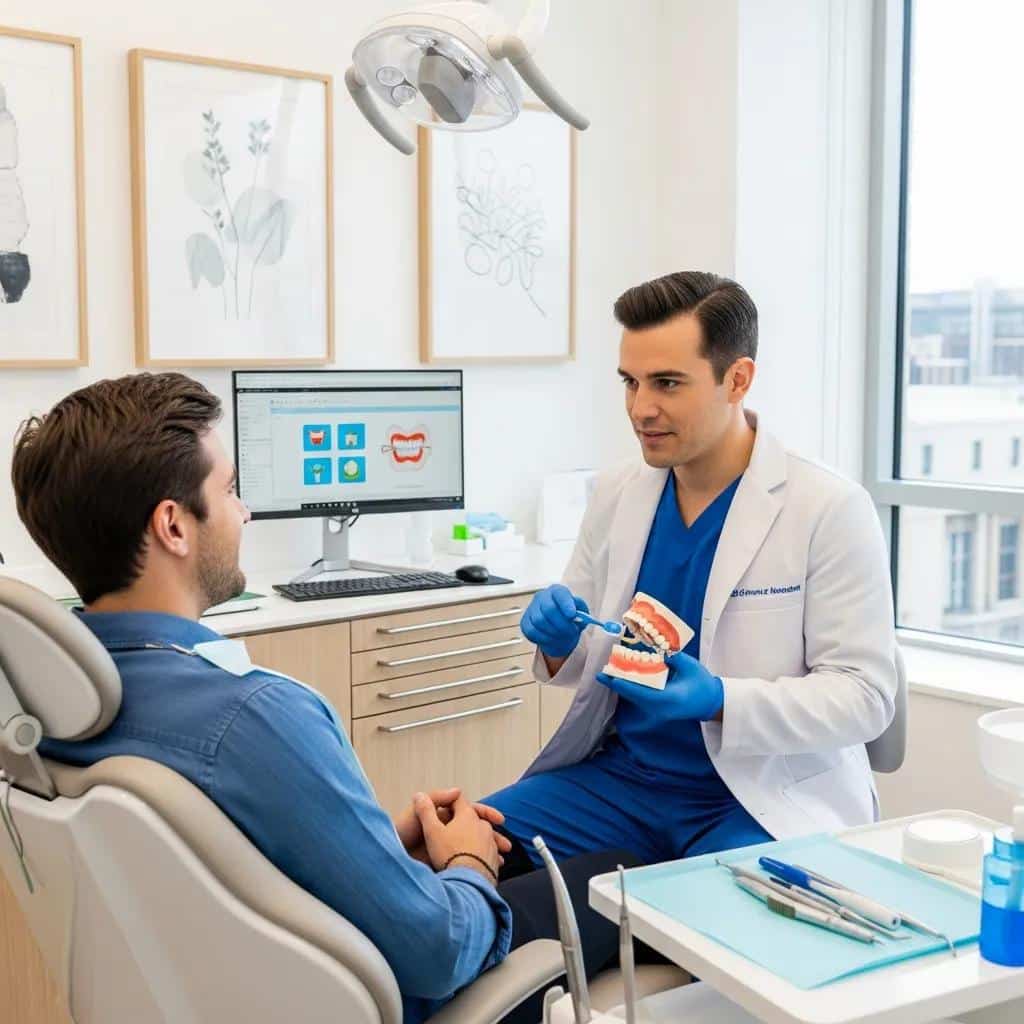
Dental Implants Aftercare Instructions for Optimal Healing: Comprehensive Recovery and Care Guide
Dental implants are a popular solution for tooth loss, providing a durable and natural-looking replacement. However, the success of dental implants heavily relies on proper aftercare. This comprehensive guide will equip you with essential aftercare instructions to ensure optimal healing and longevity of your dental implants. Understanding the importance of post-operative care can significantly impact your recovery journey, helping to prevent complications and promote healing. In this article, we will cover immediate post-operative care steps, dietary guidelines, oral hygiene maintenance, the healing timeline, recognizing complications, long-term care practices, and how to schedule a consultation with Affordable Dentist Near Me of Dallas.
What Are the Immediate Post-Operative Care Steps After Dental Implant Surgery?
Immediate post-operative care is crucial for ensuring a smooth recovery after dental implant surgery. Following the right steps can help manage discomfort and reduce the risk of complications. Key aspects include managing bleeding and swelling, as well as effective pain management techniques.
How Should Patients Manage Bleeding and Swelling in the First 24-72 Hours?
After dental implant surgery, it is common to experience some bleeding and swelling. To manage these symptoms effectively, patients should:
Use Gauze: Place a clean gauze pad over the surgical site and bite down gently to apply pressure. Change the gauze every 30-45 minutes until the bleeding subsides.
Cold Compress: Apply a cold compress to the outside of the cheek for 15-20 minutes at a time to reduce swelling. This can be repeated every 1-2 hours as needed during the first 24 hours.
Monitor Symptoms: Keep an eye on the bleeding; if it becomes excessive or does not stop after several hours, contact your dentist immediately.
These steps are essential for minimizing discomfort and promoting healing in the initial recovery phase.
What Pain Management Techniques Are Recommended After Dental Implant Placement?
Pain management is an important aspect of post-operative care. Patients can utilize several techniques to alleviate discomfort:
Medications: Over-the-counter pain relievers such as ibuprofen or acetaminophen can be effective. Follow your dentist’s recommendations regarding dosage and frequency.
Natural Remedies: Some patients find relief through natural remedies like clove oil, which has analgesic properties. However, consult your dentist before trying any alternative methods.
Rest: Ensure adequate rest and avoid strenuous activities for the first few days to allow your body to heal properly.
Implementing these pain management strategies can significantly enhance comfort during the recovery process.
What Dietary Guidelines Support Optimal Healing After Dental Implant Surgery?
Diet plays a vital role in the healing process following dental implant surgery. Adhering to specific dietary guidelines can promote recovery and minimize discomfort.
Which Soft Foods Promote Recovery and What Foods Should Be Avoided?
In the days following surgery, it is essential to consume soft foods that are easy to chew and swallow. Recommended options include:
Mashed Potatoes: Soft and easy to eat, providing comfort and nourishment.
Yogurt: A good source of protein and probiotics, which can aid in digestion.
Smoothies: Nutrient-rich and easy to consume, smoothies can be customized with various fruits and vegetables.
Conversely, patients should avoid hard, crunchy, or spicy foods that may irritate the surgical site, such as:
Nuts and Chips: These can cause discomfort and may disrupt the healing process.
Spicy Foods: Spices can irritate the gums and should be avoided during recovery.
Following these dietary guidelines can help ensure a smoother healing process.
Research further underscores the critical role of specific dietary strategies in optimizing the healing process after dental implant surgery.
Dietary Strategies for Optimal Dental Implant Healing
Methods to optimize healing through dietary strategies present an attractive option for patients, such that healing from delicate oral surgeries occurs as optimally as possible with minimal patient-meditated complications through improper food choices. This review discusses findings from studies that have investigated the role of diet, either whole foods or individual dietary components, on periodontal health and their potential role in wound healing after periodontal surgery. To date, research in this area has largely focused on foods or individual dietary components that may attenuate inflammation or oxidant stress, or foster de novo bone formation. These studies suggest that a wide variety of dietary components, including macronutrients and micronutrients, are integral for optimal periodontal health and have the potential to accelerate oral wound healing after periodontal procedures. Moreover, this review provides guidance regarding dietary considerations that may help a pat
Dietary strategies to optimize wound healing after periodontal and dental implant surgery: an evidence-based review, PC Fritz, 2013
How Important Is Hydration During Dental Implant Recovery?
Staying hydrated is crucial for optimal healing after dental implant surgery. Adequate fluid intake supports overall health and aids in recovery. Patients should aim to:
Drink Plenty of Water: Hydration helps maintain saliva production, which is essential for oral health.
Avoid Sugary or Carbonated Beverages: These can lead to discomfort and should be limited during the recovery period.
Proper hydration can significantly impact the healing process, making it an essential aspect of aftercare.
The importance of both meticulous oral hygiene and careful dietary choices for successful implant integration and soft tissue healing is consistently highlighted in dental literature.
Hygienic & Dietetic Guidelines for Dental Implant Healing
Introduction: Proper oral hygiene and diet are important considerations for success in implant prosthodontics. However, detailed hygienic and dietetic guidelines for patients rehabilitated with implant-supported, immediate loading prostheses are lacking in the literature. Methods: The authors have developed a dietary and hygienic protocol for patients rehabilitated with implant-supported, full-arch, immediate loading prostheses in order to avoid occlusal overloads during osseointegration and optimize healing. Results: The dietary and hygienic guidelines provided in this paper emphasize the importance of maintaining proper oral hygiene and diet to support osseointegration and soft tissue healing during postsurgery healing periods. Conclusions: The protocol presented has been an effective instrument to obtain and maintain osseointegration in patients rehabilitated with full-arch, immediate loading prostheses.
Hygienic and dietetic guidelines for implant-supported full-arch immediate loading prostheses, P Pesce, 2015
How Should Oral Hygiene Be Maintained to Protect Dental Implants During Healing?
Maintaining oral hygiene is critical for the success of dental implants. Proper care can prevent infections and ensure the longevity of the implants.
What Are the Best Practices for Brushing and Flossing Around New Implants?
Patients should follow specific practices to maintain oral hygiene around their new implants:
Gentle Brushing: Use a soft-bristled toothbrush to clean the area around the implant gently. Avoid vigorous scrubbing to prevent irritation.
Flossing: Use unwaxed dental floss or a floss threader to clean around the implant. Be gentle to avoid damaging the surrounding tissue.
Timing: Begin gentle brushing the day after surgery, but avoid flossing the surgical site until it has sufficiently healed, usually after 1-2 weeks or as advised by your dentist.
These practices help keep the area clean and reduce the risk of complications.
Which Mouth Rinses and Cleaning Tools Are Safe and Effective Post-Surgery?
Using the right mouth rinses and cleaning tools is essential for maintaining oral hygiene after surgery. Recommended options include:
Saltwater Rinse: A warm saltwater rinse can help reduce inflammation and promote healing. Mix one teaspoon of salt in a glass of warm water and rinse gently.
Antimicrobial Mouthwash: Consult your dentist for recommendations on safe mouthwashes that can help prevent infection without causing irritation.
Avoid alcohol-based mouthwashes, as they can dry out the mouth and irritate the surgical site.
Specifically, the use of certain antimicrobial agents like chlorhexidine mouthwash has been systematically reviewed for its effectiveness in preventing post-operative infections and early implant failures.
Chlorhexidine Mouthwash for Dental Implant Infection Prevention
Since its first introduction, the usage of chlorhexidine has increased. The same holds for dental implants. Implant failures can happen, even with the stated high survival rates of implants. This systematic review’s objective. This systematic study aims to assess how often post-operative infections and early implant failures may be prevented by using a chlorhexidine peri-operative rinse.
The influence of chlorhexidine mouthwash use on post-operative infection rate of dental implants-a systematic review, 2023
What Is the Typical Dental Implant Healing Timeline and What Should Patients Expect?
Understanding the healing timeline for dental implants can help patients manage their expectations and plan for follow-up care.
What Happens During Initial Healing and Osseointegration Phases?
The healing process for dental implants typically occurs in two main phases:
Initial Healing: This phase lasts about 1-2 weeks, during which swelling and discomfort gradually subside. Patients should follow post-operative care instructions closely during this time.
Osseointegration: This critical phase can take 3-6 months, during which the implant fuses with the jawbone. Patients may not see the final restoration until this process is complete.
Being aware of these phases can help patients understand the importance of adhering to aftercare instructions.
When Are Abutment Placement and Final Restoration Scheduled?
After the osseointegration phase, patients can expect the following:
Abutment Placement: This procedure typically occurs 3-6 months after implant placement, depending on individual healing rates. The abutment connects the implant to the crown.
Final Restoration: Once the abutment is placed, the final crown can be attached, usually within 2-4 weeks.
Understanding this timeline helps patients prepare for their follow-up appointments and the final stages of their treatment.
How Can Patients Recognize and Prevent Common Dental Implant Complications?
Being aware of potential complications can help patients take proactive measures to ensure the success of their dental implants.
What Are the Signs of Infection and When Should a Dentist Be Contacted?
Patients should monitor for signs of infection, which may include:
Increased Swelling: If swelling worsens after the first few days or is accompanied by redness and warmth, it may indicate an infection.
Persistent Pain: While some discomfort is normal, severe or increasing pain should be reported to a dentist.
Fever: A fever may signal an infection and requires immediate attention.
If any of these symptoms occur, patients should contact their dentist promptly for evaluation.
How Can Peri-Implantitis and Implant Failure Be Avoided?
Preventing peri-implantitis and implant failure involves:
Maintaining Oral Hygiene: Consistent brushing and flossing are essential for preventing infections.
Regular Dental Check-Ups: Routine visits to the dentist can help monitor implant health and catch any issues early.
Avoiding Tobacco Products: Smoking can hinder healing and increase the risk of complications.
By following these preventive measures, patients can significantly reduce the risk of complications.
What Long-Term Care Practices Ensure Dental Implant Longevity?
Long-term care is vital for the success and longevity of dental implants. Patients should adopt specific practices to maintain their oral health.
How Do Regular Oral Hygiene and Lifestyle Choices Affect Implant Success?
Regular oral hygiene practices play a crucial role in the longevity of dental implants. Patients should:
Floss Daily: Flossing around implants is essential for maintaining gum health.
Healthy Lifestyle Choices: A balanced diet and avoiding tobacco can positively impact oral health.
These practices contribute to the long-term success of dental implants.
Why Are Routine Dental Check-Ups Essential for Implant Maintenance?
Routine dental check-ups are essential for monitoring the health of dental implants. During these visits, dentists can:
Assess Implant Health: Regular evaluations help identify any potential issues early.
Professional Cleaning: Dental cleanings remove plaque and tartar buildup that regular brushing may miss.
Adjust Care Plans: Dentists can provide personalized recommendations based on individual needs.
Regular check-ups are a proactive approach to ensuring the longevity of dental implants.
How Can Patients Schedule a Free Dental Implant Consultation with Affordable Dentist Near Me of Dallas?
Scheduling a consultation is the first step toward receiving personalized care for dental implants. Patients can easily arrange a visit to discuss their needs and treatment options.
What Should Patients Expect During the Free Dental Implant Consult?
Initial Assessment: The dentist will evaluate the patient’s oral health and discuss their goals.
Discussion of Aftercare: Patients will receive information on aftercare and what to expect during recovery.
Personalized Treatment Planning: The dentist will outline a tailored plan based on the patient’s specific needs.
This consultation is an excellent opportunity for patients to ask questions and gain clarity on their treatment.
How Does Dr. Mike Pham Support Optimal Healing Through Personalized Care?
Comprehensive Assessments: Dr. Pham conducts thorough evaluations to understand each patient’s unique situation.
Tailored Aftercare Plans: He provides personalized aftercare instructions to support optimal healing.
Ongoing Support: Patients can expect continuous support throughout their treatment journey.
This commitment to personalized care enhances the overall patient experience and promotes successful outcomes.