Mini Dental Implants: Pros, Cons, and How They Compare to Traditional Implants in Denton, TX
Mini dental implants provide a less invasive option for replacing missing teeth and stabilizing dentures. Below, we explain how mini implants work, where they’re most useful, and how they stack up against traditional implants so you can decide whether they might be right for you. Many people want effective tooth‑replacement solutions that reduce pain and recovery time — mini implants can be a practical choice in those situations. This page covers implant types, the benefits and limitations of each, and the cost factors Denton patients should consider.
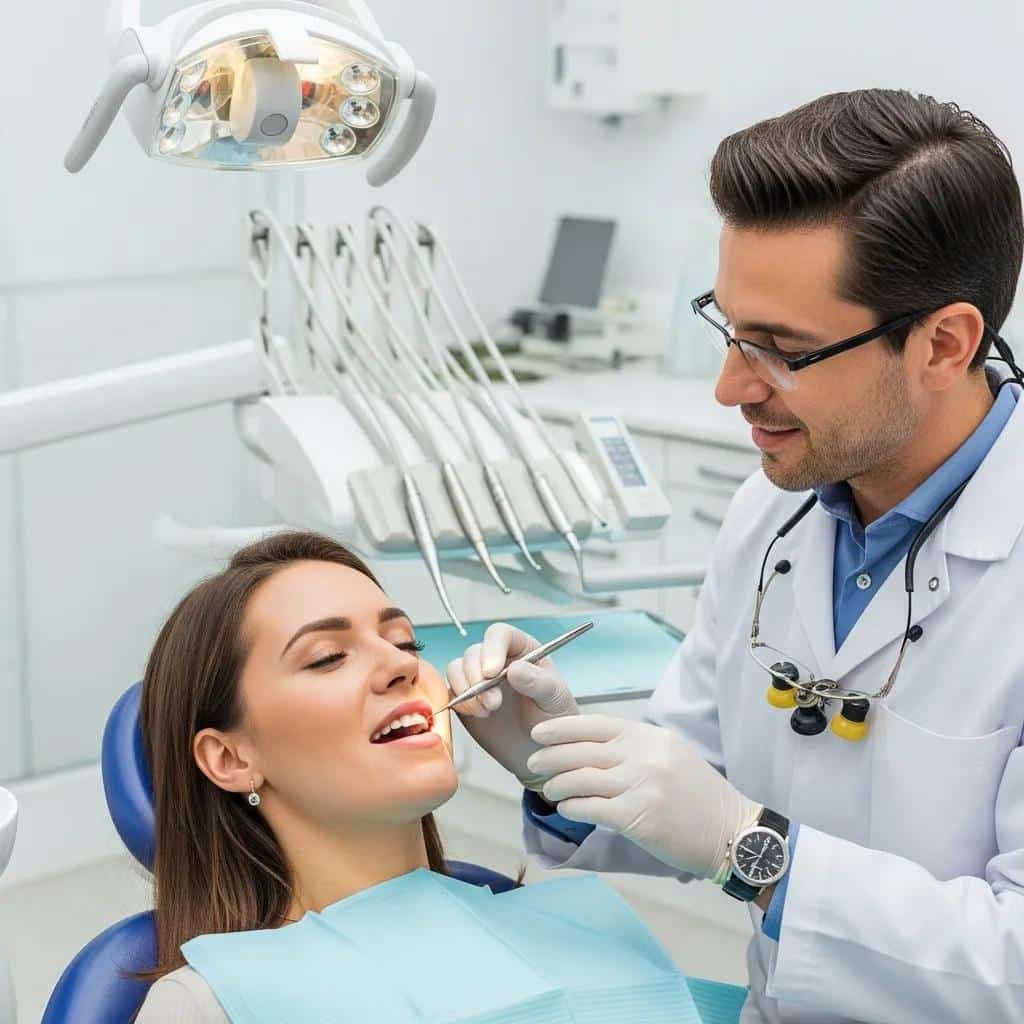
Choosing the right implant begins with a careful clinical evaluation. At your consultation, the dentist will review your medical and dental history, examine your mouth, and typically take radiographs or 3D imaging to assess bone volume and anatomy. This diagnostic phase helps determine whether mini implants are appropriate, whether additional procedures (for example, extractions or grafting) are needed, and what prosthetic options will give you the best function and appearance. Understanding these preliminary steps prepares you for realistic expectations and a clear treatment timeline.
Before making a decision, patients often weigh short‑term comfort and cost against long‑term durability and aesthetic goals. We aim to present balanced information so Denton residents can make an informed choice that fits their oral health and lifestyle.
What Are Mini Dental Implants?
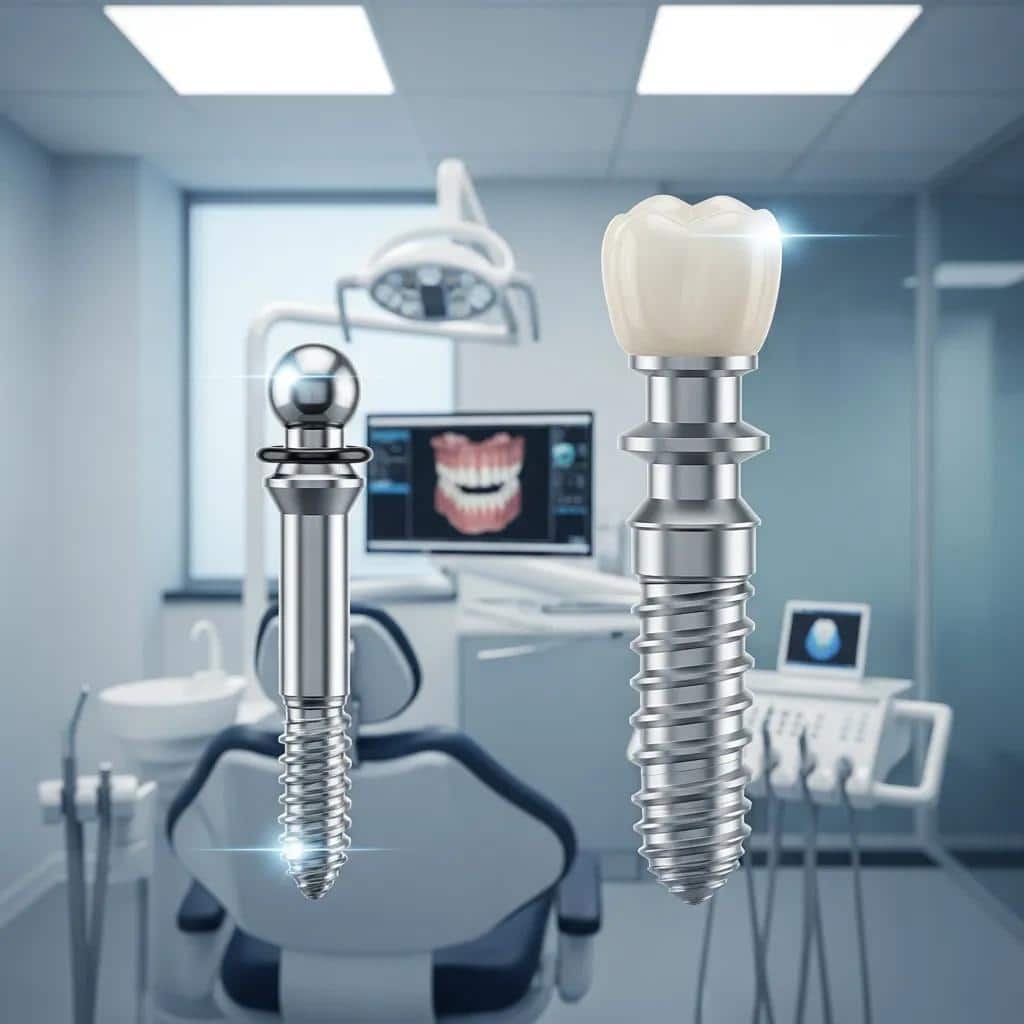
Mini dental implants are slimmer versions of traditional implants designed to secure dentures and other prosthetics. Each mini implant is a titanium post placed into the jawbone that acts as an anchor for replacement teeth. The main distinction is size: mini implants are usually under 3 mm in diameter, so the placement is less invasive and often simpler. Because of their smaller profile, these implants are commonly placed with local anesthesia and typically have a shorter recovery period. Mini implants are frequently used to stabilize removable dentures, for select single‑tooth replacements, and as temporary orthodontic anchors.
Structurally, a mini implant typically includes the titanium root form and a smaller abutment or head that accepts attachments used by a denture or prosthetic. Attachment systems vary — for example, some rely on snap‑style housings, ball attachments, or locator systems — and your dentist will choose the type based on the prosthetic design and anticipated function.
Mini implants are often placed using a minimally invasive protocol that preserves soft tissue and minimizes bone removal. Because of this, they can be a practical option for patients who want to avoid more complex surgery or who have limited bone where a wider implant would require grafting. In many cases, mini implants allow immediate or early loading of a denture so patients regain chewing function more quickly than with some traditional approaches.
How Do Mini Dental Implants Differ from Traditional Implants?
The primary differences are diameter, surgical approach, and healing time. Mini implants measure under 3 mm across, while traditional implants generally fall between about 3.5 mm and 6 mm. That smaller size means a less invasive insertion that can sometimes be completed in a single visit and often requires less bone volume. Many patients experience a quicker return to normal activity with mini implants, though full osseointegration — the bone integrating with the implant — still takes several weeks.
Beyond diameter, the prosthetic philosophy also differs. Mini implants are most commonly used to stabilize removable prosthetics or to provide temporary support, while traditional implants are typically chosen when a fixed, long‑term crown, bridge, or multi‑unit framework is planned. The surgical instruments and techniques used for minis are adapted to their size and frequently emphasize flapless placement when appropriate.
Because mini implants have a smaller surface area in contact with bone, clinical decision‑making focuses heavily on force management and careful case selection. Dentists consider occlusion, parafunctional habits (such as grinding), and the number and placement of implants to ensure each restoration performs as intended.
What Are Common Applications of Mini Dental Implants?
Mini implants are versatile in a few specific uses. They’re most often chosen to hold and stabilize removable dentures, which improves comfort and chewing ability. In select situations, a mini implant can replace a single tooth when space or bone volume is limited. They’re also used as temporary anchors during certain orthodontic procedures. Your dentist will recommend the best option based on your mouth’s anatomy and your treatment goals.
Common clinical scenarios include:
Stabilizing an existing lower denture to reduce movement, improve confidence while eating and speaking, and prevent sore spots from excessive denture motion.
Supporting a transitional prosthesis after a tooth extraction while a definitive plan for traditional implant placement is developed.
Providing temporary anchorage for orthodontic tooth movement in cases where a small, fixed anchor is clinically useful.
Selecting the right number and distribution of mini implants is an important part of treatment planning. For denture stabilization, multiple minis distributed across the arch improve retention and distribute load more evenly, reducing strain on any single implant.
Advantages of Mini Dental Implants
Mini dental implants bring several practical benefits. Because they are less invasive to place, patients often experience less discomfort and faster recovery than with traditional implants. Mini implants generally cost less, making them an attractive option for patients seeking a budget‑friendly restoration. The overall treatment timeline is also shorter, which appeals to people who want quicker results.
Other advantages include:
Reduced need for bone grafting in many situations, because minis can be placed in narrower ridges.
Often performed under local anesthesia in an office setting, which lowers complexity and can reduce overall treatment time.
Immediate or early improvement in denture function; patients frequently report better chewing ability soon after placement when the prosthesis is adapted to take advantage of the new anchors.
Lower initial surgical morbidity — smaller incisions, less postoperative swelling, and usually simpler aftercare.
If you’re considering mini dental implants, Dentist in Denton offers free consultations to review your situation and discuss appropriate treatment options. Our team will help you understand the pros and cons based on your needs.
Why Are Mini Implants Considered Less Invasive?
The smaller diameter and simplified placement technique make mini implants less invasive. Placement often requires only a small incision — sometimes none at all — and minimal bone reshaping. That reduced surgical footprint typically means less pain afterward and a faster heal time, so patients can return to normal activities sooner.
Many clinicians use guided techniques or specialized drills designed for minis to place the implant precisely with minimal trauma. The less invasive nature also means some medically complex patients who are not ideal candidates for longer, more invasive surgeries may still be eligible for mini implant procedures after appropriate medical consultation.
How Do Mini Implants Offer Affordability and Faster Treatment?
Mini implants are generally more affordable because the procedure is simpler and often avoids the need for bone grafting, which adds time and cost. With fewer surgical steps and a shorter healing window, patients can receive functional restorations sooner — often within a few weeks of consultation — though final prosthetic work depends on your specific plan.
Cost savings arise from multiple factors: reduced operating time, fewer or no additional surgical procedures, and simpler laboratory work for the prosthetic components when compared with extensive fixed implant restorative cases. For many patients, this makes minis a practical bridge between conventional removable dentures and more complex implant solutions.
Disadvantages of Mini Dental Implants
Mini implants are not the right choice for every situation. Their slimmer profile can limit strength and long‑term durability compared with traditional implants, so they may not be suitable for patients with very strong bite forces or for supporting large restorations. In cases of significant bone loss or when larger prosthetics are required, traditional implants or grafting may be necessary.
Additional limitations to consider include:
Fewer options for creating a fixed, single‑tooth restoration that looks and functions like a natural tooth in all circumstances.
Potential for increased maintenance of attachment components over time; attachments such as snaps or locator housings may wear and need periodic replacement.
Case selection constraints — when implants are supporting heavy loads or long spans, minis can be less predictable than wider‑diameter implants.
What Are the Strength and Longevity Concerns with Mini Implants?
Because mini implants are smaller, they offer less surface area for load distribution and may not match the long‑term strength of traditional implants. Patients who need implants to support large bridges or who have a history of heavy chewing or grinding should discuss these limits with their dentist. Many patients nonetheless experience successful, lasting results with minis when case selection and maintenance are appropriate.
Longevity is influenced by patient habits, oral hygiene, and how well forces are managed over the restoration. Regular follow‑up appointments allow the dental team to monitor implant stability, soft tissue health, and the condition of attachment components so they can intervene early if issues arise.
Which Cases Are Mini Implants Not Suitable For?
Mini implants aren’t ideal for everyone. People with severe jawbone loss often require traditional implants combined with bone grafting to achieve adequate support. Patients who grind their teeth (bruxism) or place unusually high forces on their teeth may also be better served by larger, more robust implants. A full clinical evaluation will identify when minis are appropriate and when alternatives are needed.
Other contraindications or cautionary factors include uncontrolled systemic conditions that impair healing, certain active oral infections, and anatomical limitations where critical structures (nerves, sinuses) would be at risk. Your dentist will review your medical history and imaging to determine safety and suitability.
What Are Traditional Dental Implants?
Traditional dental implants are the long‑standing solution for tooth replacement: a titanium post surgically placed into the jawbone that, over time, fuses with bone through osseointegration. Their larger size compared with mini implants allows them to support a wide range of restorations, from single crowns to bridges and full‑arch replacements.
Traditional implants come in a variety of shapes and surface treatments designed to promote bone integration and long‑term stability. Prosthetic components include abutments and custom crowns or bridges that can be matched carefully to the shape and color of the surrounding teeth for optimal esthetics.
How Do Traditional Implants Achieve Osseointegration?
After placement, bone gradually grows around the implant’s surface and bonds to it — a process called osseointegration. This typically takes several weeks to a few months and is what gives traditional implants their durable, stable foundation. Successful osseointegration is why traditional implants are considered a long‑term tooth‑replacement solution.
During healing, clinicians monitor for signs of stable integration before placing definitive crowns or loading the implant with full occlusal forces. In some protocols, immediate loading is possible when primary stability is strong and other clinical conditions are favorable, but often a staged approach improves predictable outcomes for complex restorations.
What Types of Tooth Replacement Are Best Suited for Traditional Implants?
Traditional implants are well suited for single tooth crowns, multi‑tooth bridges, and full‑arch restorations. Their strength and stability make them the preferred option when supporting larger prosthetics or when a long‑lasting replacement is the priority.
For full‑arch cases, traditional implants can support fixed, non‑removable prostheses that replace all teeth on an arch, or they can support bar‑retained overdentures that combine implant stability with the hygiene advantages of a removable denture. The design and number of implants used depend on functional requirements and esthetic goals.
Advantages of Traditional Dental Implants
Traditional implants offer notable benefits: superior strength, long‑term durability, and broad applicability. Their larger diameter provides greater contact with the jawbone, improving load distribution and making them more suitable for patients with higher bite forces or larger restorations. Additionally, traditional implants stimulate the bone and help prevent the bone loss that follows tooth extraction, preserving facial structure over time.
From a restorative standpoint, traditional implants allow for more precise control of tooth position, emergence profile, and crown shape, which can improve both function and cosmetic outcomes. When maintained properly, they provide a reliable foundation that integrates into the patient’s oral environment and supports everyday activities like chewing and speaking.
How Do Traditional Implants Provide Superior Strength and Longevity?
Because they have a larger surface area in contact with bone, traditional implants provide enhanced stability and can handle higher chewing forces. They’re built from durable materials that support long‑term function, which is why many patients and clinicians choose them when longevity and strength are priorities.
Good surgical technique, appropriate prosthetic design, and consistent maintenance are the keys to the long‑term success of traditional implants. Regular dental visits and attention to oral hygiene reduce the risk of complications and help preserve both implant health and surrounding tissues.
In What Ways Do Traditional Implants Preserve Jawbone Health?
Traditional implants act like natural tooth roots, sending functional stimulation into the jawbone and encouraging bone maintenance. This stimulation helps prevent bone resorption and the sunken facial appearance that can occur after tooth loss, supporting both oral health and facial aesthetics.
When implants replace missing teeth in a timely manner, they can preserve ridge height and width better than prolonged use of conventional dentures, which may accelerate bone loss over time. For patients concerned about long‑term facial profile and support, traditional implants are often an important consideration.
Disadvantages of Traditional Dental Implants
Traditional implants do have downsides to consider. The surgical placement is more invasive and can require longer recovery times. If a patient lacks sufficient bone, bone grafting may be necessary, which increases both treatment time and cost. Those factors can make traditional implants less accessible for some patients.
Additionally, more extensive cases may require multiple appointments, laboratory steps, and coordination between surgical and restorative teams. For some patients the extended timeline and cumulative costs make alternative approaches like mini implants or removable prosthetics a preferable initial choice.
Why Is Traditional Implant Surgery More Invasive?
Placing traditional implants often involves incisions in the gum and precise preparation of the jawbone. When bone volume is limited, grafting procedures may be required before or during implant placement. The added complexity can lead to more postoperative swelling and a longer overall recovery period.
In some situations, sedation or general anesthesia is chosen for patient comfort, which adds complexity and considerations related to medical clearance and monitoring. These factors contribute to the overall invasiveness and planning requirements for traditional implant cases.
How Do Costs and Bone Grafting Affect Traditional Implant Candidates?
Traditional implants can be more expensive, especially when you factor in additional procedures like bone grafts. These extra surgical steps increase both time and cost, which may affect a patient’s ability to proceed. Discussing financing and treatment sequencing with your dentist can help you plan the most appropriate path forward.
Cost drivers for traditional implant cases include the number of implants, custom abutments and restorations, laboratory fees for crowns or dentures, possible grafting or sinus lifts, sedation or anesthesia fees, and follow‑up visits. Breaking treatment into stages or combining procedures strategically can sometimes help manage expense while achieving the desired clinical outcome.
Mini vs. Traditional Dental Implants Cost Comparison in Denton, TX
Understanding cost differences is an important part of choosing between mini and traditional implants. Mini dental implants typically cost between $500 and $1,500 per implant, while traditional implants usually range from $1,000 to $3,000 each, depending on case complexity. Costs are influenced by procedure difficulty, the need for bone grafting, and the implant materials used.
When comparing total treatment costs, remember to include prosthetic components such as attachment housings, crowns, or dentures, as well as any preparatory work like extractions and imaging. Laboratory fees and the complexity of the final restoration also affect the final investment. Discussing an itemized estimate with your provider helps clarify what is included and what may be additional.
What Are the Typical Cost Ranges for Mini and Traditional Implants?
Mini implants commonly fall in the $500–$1,500 range per implant, making them a more budget‑friendly option in many cases. Traditional implants are commonly priced between $1,000 and $3,000 each, with final pricing depending on the specific clinical work required. Your dentist can provide a detailed estimate tailored to your treatment plan.
Consider the long‑term perspective when evaluating cost: some patients choose minis as a cost‑effective interim solution or to improve denture stability quickly, while others prioritize the durability and restorative options of traditional implants and decide the higher initial investment is justified over time.
What Financing and Insurance Options Are Available at Dentist in Denton?
At Dentist in Denton, we offer several financing and insurance options to help patients manage implant costs. Many insurance plans cover part of the implant expense, and our office provides flexible payment plans to fit different budgets. We encourage patients to ask about available options during their consultation so they can make an informed decision.
Financing options may include in‑office payment plans, third‑party healthcare financing, or spreading treatment across phases to align with budget and clinical needs. Our staff can help you explore available choices and explain typical insurance considerations so you have a clear understanding before treatment begins.
Who Qualifies for Mini Dental Implants?
Candidacy for mini implants depends on factors like bone density, oral health, and treatment goals. Mini implants are often appropriate for people who don’t qualify for traditional implants because of limited bone volume. A thorough exam and imaging by a dental professional will determine whether minis are a safe and effective option for you.
During the evaluation, your dentist will also review medications and medical conditions that affect healing, such as diabetes, smoking status, certain bone medications, or immune system considerations. Optimizing medical conditions where possible improves the likelihood of a successful outcome with any implant therapy.
How Does Bone Density Influence Implant Eligibility?
Bone density is a key factor in implant success. Patients with good bone volume are suitable candidates for both mini and traditional implants, while those with reduced bone may still be eligible for minis because they require less bone for stable placement. Your dentist will assess bone health and recommend the most reliable solution.
When bone quality is borderline, the clinician considers implant diameter, length, number of implants, and the prosthetic plan to distribute forces and increase predictability. In some cases, strategic placement of multiple minis can achieve acceptable function without grafting, while other situations benefit more from grafting and wider implants.
Which Patient Goals and Conditions Favor Mini Implants?
Mini implants are a good match for patients seeking a less invasive, more affordable tooth‑replacement solution, for those with limited bone density, or for people wanting better denture stability. They can also work well for select single‑tooth cases. We’ll help you weigh your goals against the clinical realities to choose the best option.
Patients who prioritize rapid improvement in denture comfort and function, or who prefer to avoid additional surgeries, often find minis an attractive choice. However, those aiming for a fixed, highly aesthetic single‑tooth replacement or a long‑span fixed bridge may be steered toward traditional implants after a full discussion of pros and cons.
Frequently Asked Questions
What is the recovery time for mini dental implants?
Recovery after mini implant placement is usually quicker than with traditional implants. Most patients can return to normal activities within a few days, though mild swelling and soreness are common and manageable with over‑the‑counter pain relievers. Bone integration takes several weeks, but many people enjoy improved function long before final prosthetics are placed.
Post‑op care typically includes a short course of gentle rinsing, avoiding very hard or sticky foods for a period, and attending follow‑up visits so the dentist can assess soft tissue healing and attachment stability. Your dentist will give specific timelines tailored to your case.
Are mini dental implants suitable for everyone?
Not everyone is a candidate for mini implants. Patients with severe bone loss, very high bite forces, or certain dental conditions may need traditional implants or alternative treatments. A complete evaluation by your dentist will determine the safest and most effective option for your situation.
Medical conditions, medication use, smoking, and oral hygiene habits are all considered when determining candidacy. In some cases, lifestyle changes or medical optimization improves the likelihood of success with implants.
How long do mini dental implants last?
Mini implants can last for many years, but longevity depends on factors like oral hygiene, bone quality, and how the implant is used. While they may not be as durable as some traditional implants, proper care and routine dental visits help maximize their lifespan.
Periodic replacement of worn attachment components is relatively common and should be anticipated as part of maintenance. With attentive care and regular professional checks, many patients enjoy extended service from mini implant‑retained prosthetics.
Can mini dental implants be used for full arch restorations?
Mini implants are generally not recommended for full arch restorations because their smaller size provides less structural support than traditional implants. They are excellent for denture stabilization and limited replacements, but full arch work typically requires the added stability of traditional implants.
Some clinicians use multiple mini implants to improve denture retention for a full arch; this approach focuses on a removable overdenture rather than a fixed prosthesis. Your dentist will discuss the advantages and limitations of each approach based on your goals.
What should I expect during the mini dental implant procedure?
The mini implant procedure is typically straightforward and minimally invasive. It’s usually done with local anesthesia and involves placing the implant into the jawbone. The appointment can take about an hour, and many patients report minimal discomfort. Your dentist will give specific post‑op instructions and schedule follow‑ups to check healing and integration.
During the visit, the dentist will confirm implant positions, place the implants, and often adapt the existing denture or fit a temporary prosthesis over the implants so you leave with improved retention. Clear aftercare instructions and an appointment schedule ensure healing proceeds as expected.
How do I care for mini dental implants?
Caring for mini implants is similar to caring for natural teeth: brush twice daily, floss daily, and keep regular dental appointments. Avoiding very hard foods and maintaining a balanced diet helps, and your dentist will advise any additional precautions for your specific restoration.
For denture wearers, proper cleaning of the denture and the attachment housings is important to prevent plaque buildup and ensure continued retention. Your dental team will show you the correct cleaning techniques and recommend appropriate hygiene products if needed.
What are the potential risks associated with mini dental implants?
Like any surgical procedure, mini implants carry some risk, including infection, implant failure, or nerve irritation. The overall risk is relatively low, especially when treatment is planned and performed by an experienced dental team. Discuss your concerns with your dentist and follow pre‑ and post‑operative instructions to minimize complications.
Other possible issues include loosening or wear of attachment components, the need for additional repairs or adjustments, and, in rare cases, loss of the implant. Close monitoring and early intervention help address concerns before they progress.
Conclusion
Mini dental implants offer a less invasive and often more affordable path to improved function and denture stability, making them a sensible choice for many Denton patients. That said, they’re best selected after a careful clinical evaluation to ensure the long‑term success of your restoration. Schedule a consultation to explore whether mini implants — or a traditional implant solution — is the right fit for your smile.
At your appointment, expect a thorough review of options, diagnostic imaging, and a personalized recommendation that balances cost, function, and your long‑term oral health. Whether you choose mini implants or traditional implants, the goal is to restore comfort, chewing ability, and confidence with a plan tailored to your needs.