Facing Implant Problems? Practical Treatments to Fix and Prevent Dental ImplantFailure
A failing dental implant can be upsetting — but it’s often treatable. Knowing what causes failure, spotting the warning signs early, and learning your treatment choices makes a big difference. Below we explain common causes, symptoms to watch for, and reliable treatment paths, including how bone grafting helps recovery and what alternatives exist. If you’d like local care, discover how Affordable Dentist Near Me can help with implant problems.
In many cases the path forward follows a predictable timeline: an initial assessment with clinical exam and X-rays, a treatment plan that addresses infection or bone loss, and then either non-surgical therapy or a staged surgical approach. Recovery times vary by treatment — from weeks for conservative care to several months when grafting and staged implant placement are required. Clear communication with your dentist about expectations and follow-up visits helps reduce anxiety and improves outcomes.
Common Causes of Dental ImplantFailure
Several factors can cause an implant to fail. The most frequent reasons are infection around the implant, not enough healthy bone, poor implant placement, and medical conditions that affect healing.
A careful diagnostic workup often reveals which of these factors is most important for a particular case. Dentists will review medical history, medications, prior dental treatments, and imaging to check bone quantity and quality. That assessment guides whether conservative care, removal and replacement, or an alternative restoration is the best option.
How Peri-Implantitis Can Lead to Implant Failure
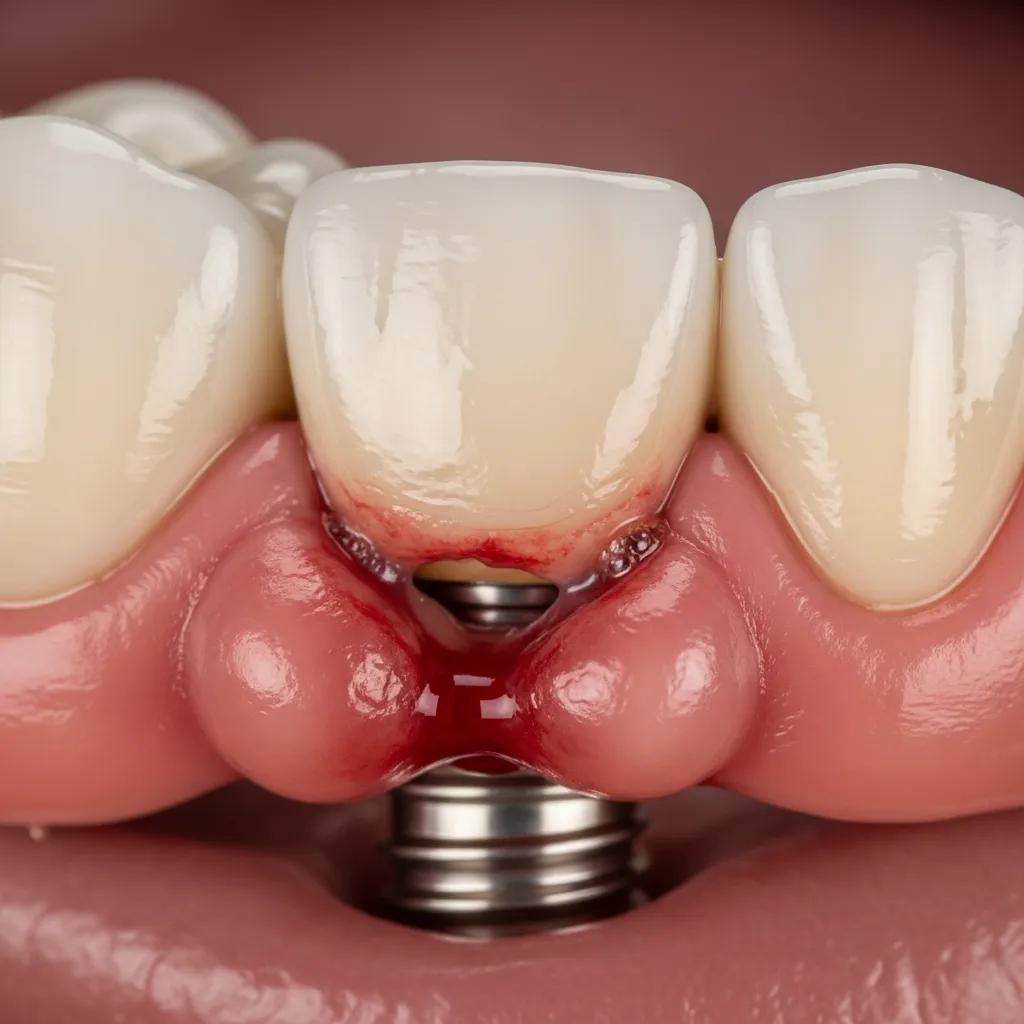
Peri-implantitis is an infection and inflammation of the tissues around an implant. Bacteria can cause bone loss and loosen the implant over time. Common signs are swelling, red or tender gums, bleeding when probed, and ongoing discomfort near the implant. If it’s not treated, the implant may be lost. Early care and consistent follow-up are key to protecting your implant.
Diagnosis of peri-implantitis typically includes clinical probing to measure pocket depths, checking for bleeding on probing, and radiographs to assess bone loss. In some cases, dentists use photographic records or additional imaging such as cone-beam CT scans to evaluate the extent of damage. Identifying modifiable risk factors — for example smoking or poorly controlled systemic disease — is an important part of the care plan.
Research highlights how common and serious peri-implantitis can be, and why prevention plus timely treatment matter.
Peri-Implantitis: Causes, Prevention, and Treatment
Peri-implant inflammations are serious complications after implant treatment that affect both soft and hard tissues. With reported prevalence up to 56%, peri-implantitis can cause implant loss without coordinated prevention and treatment strategies. Regular check-ups, identifying and managing risk factors (for example, smoking, systemic disease, and prior periodontitis) are effective precautions. Implant surface characteristics and osseointegration are also important. Treatment options range from conservative to surgical approaches based on the condition.
Definition, etiology, prevention and treatment of peri-implantitis–a review, O Jung, 2014
Other Factors That Can Cause Implants to Fail
Bone Density Issues : Not having enough bone height or width can prevent a stable implant and raise the risk of failure.
Lifestyle Factors : Smoking and other habits can slow healing and increase complications.
Poor Oral Hygiene : Skipping proper cleaning lets bacteria build up and may lead to infection.
Systemic Conditions : Uncontrolled diabetes, osteoporosis, or other health issues can interfere with implant integration.
Beyond those categories, some medications and previous dental history (for example, failed implants at the same site) can affect prognosis. A candid discussion about your health, medications such as bisphosphonates, and your dental history helps your clinician plan safely. Where lifestyle factors are involved, addressing them before treatment — for instance by supporting a patient to stop smoking — improves long-term results.
When bone is limited, your dentist will explain whether simple grafting or more advanced augmentation is needed to reach predictable outcomes. The goal is to create a stable, well-vascularized foundation that supports osseointegration.
Knowing these risks helps you and your dentist plan steps to protect the implant and improve long-term success.
Recognizing Signs and Symptoms of a Failing Implant
Catching trouble early improves treatment success. Watch for these common warning signs so you can get care before the problem worsens.
Key Symptoms of Peri-Implantitis and Implant Failure
Pain or Discomfort: Ongoing or worsening pain near the implant may signal a problem.
Swelling and Redness : Inflamed gums around the implant often point to infection.
Bleeding on Probing : Bleeding when the gum around the implant is gently checked is an early sign of peri-implant disease.
Mobility of the Implant : A loose feeling is a clear indication the implant isn’t stable.
Pus or Discharge : Any pus near the implant site means there’s an infection that needs attention.
Early signs can be subtle — a small amount of bleeding during home care or a mild change in how the tooth feels. Later signs include clear mobility or persistent drainage. Imaging is often the only way to detect early bone loss before substantial damage has occurred, which is why regular radiographic monitoring is commonly recommended for implant patients.
When to Seek Professional Treatment
If you notice any of these signs, please seek professional care right away. Early intervention can save the implant and prevent larger problems. Regular check-ups also catch issues before they become urgent.
Best Treatment Options for Implant Failure
Treatment depends on the cause and how advanced the problem is. Options fall into two main groups: surgical and non-surgical. Your dentist will recommend the right plan after a full exam.
How Revision Surgery Restores Function
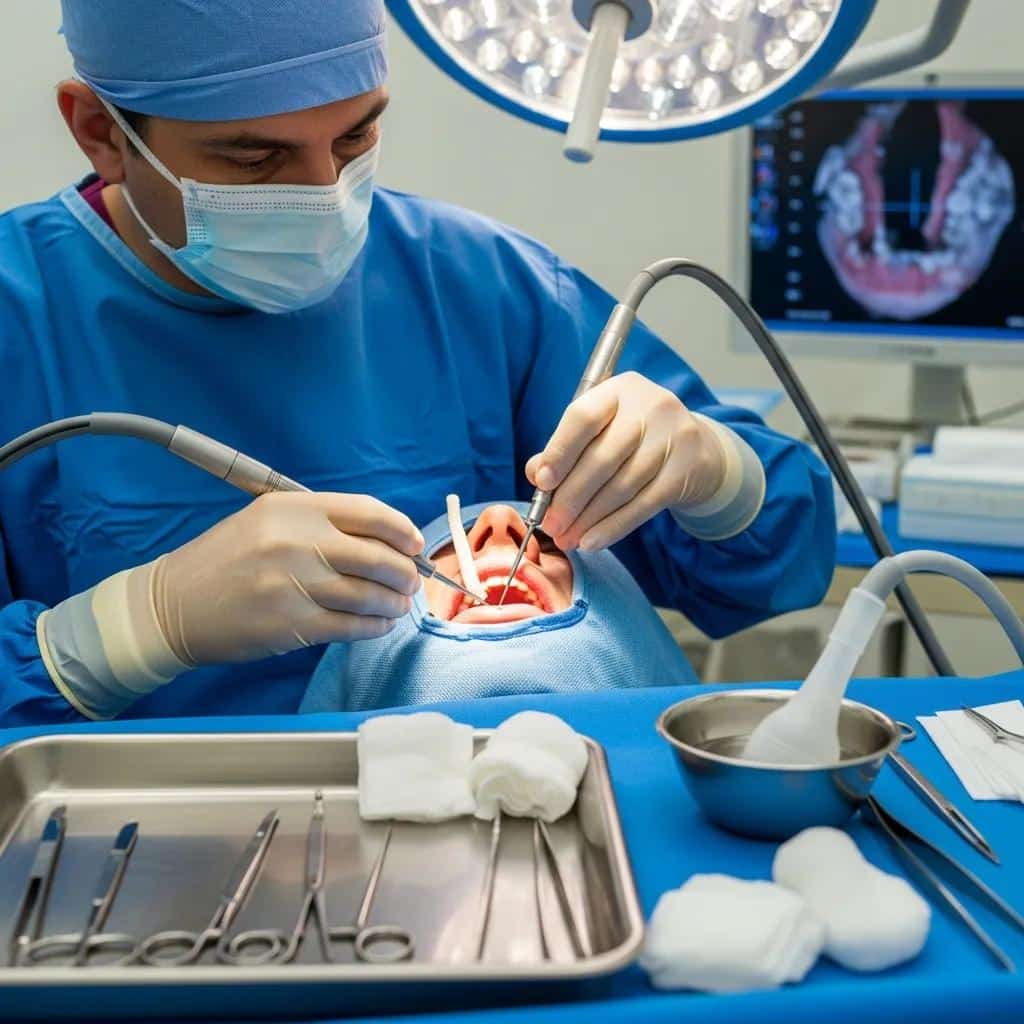
Revision surgery removes the failed implant and places a new one when possible. The typical steps are:
Assessment : A full examination to find why the implant failed and to plan treatment.
Removal : Careful extraction of the failed implant.
Placement of New Implant : A replacement implant is placed when conditions allow, often with bone grafting or guided regeneration to improve success.
Revision surgery may be performed in a single visit when the site and bone quality allow, or in stages when grafting and healing must occur before a new implant is placed. Staged approaches add time but often increase the predictability of osseointegration. Your dentist will explain expected healing times and the steps to monitor integration before restoring the implant with a crown or bridge.
Ongoing follow-up after revision includes periodic exams and X-rays to confirm bone stability. Clear post-operative instructions about oral hygiene, diet, and activity help reduce complications and make recovery smoother.
When done correctly, revision surgery can restore chewing, appearance, and implant longevity.
Non-Surgical Treatments for Peri-Implantitis
When peri-implantitis is caught early, non-surgical care can control infection and inflammation. Common approaches include:
Mechanical Debridement : Cleaning the implant surface and surrounding pockets to remove bacteria and debris with special instruments.
Antibiotic Therapy : Prescribing systemic or local antibiotics to help clear infection.
LaserTherapy : Using lasers in select cases to reduce bacterial load and support healing.
Preventive Measures : Coaching on effective home care to reduce the chance of recurrence.
Non-surgical care is often combined with reinforced home hygiene and more frequent professional cleanings. In many cases, once infection is controlled, the focus shifts to maintenance visits and patient education to prevent recurrence. Your dentist will tailor the frequency and type of follow-up based on clinical response.
Clinical studies have examined how different non-surgical and reconstructive methods perform in treating peri-implant disease.
Efficacy of Alternative & Reconstructive Peri-Implantitis Treatments
Some adjunctive or alternative measures showed limited benefit for resolving peri-implant mucositis, while certain alternative approaches helped reduce bleeding on probing after non-surgical treatment of peri-implantitis. Reconstructive adjuncts were useful for filling radiographic bone defects, reducing pocket depths, and limiting soft-tissue recession, though they did not always resolve mucosal inflammation.
Efficacy of alternative or adjunctive measures to conventional non-surgical and surgical treatment of peri-implant mucositis and peri-implantitis: A systematic review…, A Ramanauskaite, 2021
How Bone Grafting Helps Recovery After Failed Implants
Types of Bone Grafts Used with Implants
Several graft types can rebuild bone before a new implant is placed:
Autografts : Bone taken from your own body (often chin or hip). High compatibility and strong bone-growth potential.
Allografts : Processed bone from a human donor that supports new bone formation.
Xenografts : Animal-derived bone (commonly bovine) used to stimulate bone growth.
Alloplasts : Synthetic graft materials that act as a scaffold for new bone.
Choosing the graft depends on the size of the defect, patient preference, and clinical judgment. Your dentist will explain the expected timeline for integration: initial healing of soft tissues typically takes a few weeks, while the graft itself can require several months to mature before it reliably supports an implant.
As with any procedure, grafting carries potential risks such as temporary swelling, discomfort, or a need for additional minor procedures. Careful planning and appropriate post-operative care minimize these risks and support predictable outcomes.
Your dentist will recommend the best graft based on how much bone you need and your clinical situation.
Evidence underlines the importance of bone quality and the range of grafting techniques available to improve implant outcomes.
Bone Grafting Techniques for Dental Implant Success
Bone quality, volume, height, and width are critical for implant stability and survival. When bone is lacking, a variety of grafting procedures can restore the foundation needed for implants. The chosen material and technique depend on factors like the amount of bone required, implant site, patient preferences, and clinician judgment. Supplemental bone may come from autogenous, allogenous, or xenograft sources.
Bone grafting techniques and materials for implant dentistry, S Khalid, 2023
How Bone Grafts Improve Implant Success
Bone grafts create a stable base for implants and support osseointegration — the process where the implant bonds to bone. Patients who need grafting first often have better outcomes when a new implant is placed later, especially after notable bone loss.
In many cases clinicians plan grafting well in advance of implant placement to allow sufficient time for new bone formation. During that period, temporary restorations or careful soft-tissue management maintain appearance and function while the site heals.
Alternatives After Dental ImplantFailure
If replacing an implant isn’t the best option, other solutions can restore function and appearance.
How Bridges and Dentures Compare to Implants
Bridges and dentures are common alternatives with different pros and cons:
Dental Bridges : Fixed restorations that span a gap by using adjacent teeth for support. They restore chewing and appearance well but may require altering nearby healthy teeth.
Dentures : Removable appliances that replace multiple teeth. They’re less invasive and often more affordable, making them a good option for some patients.
When choosing between options, consider long-term maintenance, ease of hygiene, and how each restoration affects surrounding teeth and tissues. Bridges and dentures often require different upkeep than implants and may need periodic adjustments, relines, or replacement over time.
When Alternatives Make Sense
Alternatives are worth considering when:
There isn’t enough bone for implants and grafting isn’t an option.
Medical conditions raise surgical risks.
The patient prefers a less invasive or lower-cost solution.
Budget limits prevent implant treatment.
A consultation with your dentist will help decide the most practical and comfortable option for your situation.
Cost to Fix a Failed Dental Implant
Knowing typical costs helps with planning and choosing the best path forward.
Typical Price Ranges for Revision and Bone Grafting
Costs vary by location, case complexity, and materials. Factors that influence price include:
Location : Fees differ by region and clinic.
Complexity : More extensive procedures cost more.
Materials Used : The type of graft and implant system affects the total.
As a general guide, implant revision surgery can run from $2,000 to $4,500, while bone grafting may add roughly $600 to $2,500 depending on how much grafting is needed.
When budgeting, remember to include follow-up visits, imaging, and any provisional restorations. Ask your provider for a written estimate that outlines staged costs so you know what to expect at each appointment. In many cases, care can be phased to spread expenses and make treatment more manageable.
Financing Options for Treatment
Many dental practices, including Affordable Dentist Near Me, offer financing to make treatment more manageable. Options can include payment plans, third‑party credit, and insurance where applicable. Ask your provider about options to spread costs over time.
Preventing Implant Failure for Long-Term Success
Good habits and routine care are the best ways to protect your implant over the long term.
Oral Hygiene Steps That Reduce FailureRisk
Follow these practical steps to lower the chance of implant problems:
Regular Brushing and Flossing : Brush twice daily and clean between teeth to keep the implant area healthy.
Use of Antimicrobial Mouthwash : Rinses can help reduce harmful bacteria.
Routine Dental Check-Ups : Regular visits let your dentist monitor the implant and treat issues early.
Avoiding Smoking : Quitting smoking improves healing and reduces failurerisk.
Effective home care may include interdental brushes and implant-specific flossing techniques recommended by your hygienist. Small changes in technique or tools often improve cleaning around implants and reduce the chance of bacterial buildup.
How Check-Ups Detect Early Problems
During routine exams, dentists check implant stability, probe for signs of peri-implantitis, and take X-rays to monitor bone levels. Quick action on early signs greatly increases the chances of saving the implant.
Your dental team may also schedule maintenance cleanings more frequently for patients at higher risk. These visits let clinicians remove build-up in hard-to-reach spots and reinforce home-care techniques so small problems don’t become large ones.
Why Choose Affordable Dentist Near Me for Implant Problems?
Picking the right provider matters when treating implant failure.
Dr. Mike Tri Pham’s Experience with Implant Care
Dr. Mike Tri Pham at Affordable Dentist Near Me has experience treating implant complications with both surgical and non-surgical approaches. His focus is on clear diagnoses and practical, patient-centered treatment plans.
Patients benefit when their clinician explains options in plain language and outlines realistic timelines. That clear guidance helps patients make informed choices about whether to pursue revision, grafting, or an alternative restoration.
Free Consultations and Flexible Payment Help Patients
We offer free consultations to review your options and answer questions. Flexible financing choices make it easier to get the care you need without added stress. Our goal is to make treatment comfortable, affordable, and effective for each patient.
Treatment Option
Description
Effectiveness
Dental Implant Revision Surgery
Removal and replacement of failed implants
High
Non-Surgical Treatments
Mechanical debridement and antibiotics for peri-implantitis
Moderate
Bone Grafting
Enhances stability for new implants
High
A failed implant can feel overwhelming, but with the right care you have solid options to restore function and appearance. Stay on top of home care, keep dental visits scheduled, and consult a trusted provider to choose the best path forward.
Frequently Asked Questions
What are the long-term effects of dental implantfailure?
When an implant fails and isn’t addressed, there can be jawbone loss that makes future treatment more complicated. Some patients have ongoing pain or reduced chewing ability, and cosmetic changes can affect smile and facial support. Treating failure early helps reduce long-term consequences and opens up more repair options.
Where bone is lost, future restoration choices may be limited or may require more complex grafting. Discussing options early with your dentist preserves as many future choices as possible.
Can dental implants be replaced if they fail?
Yes. Failed implants can often be removed and replaced after the area is healed and any infection is resolved. If bone is insufficient, grafting may be needed before placing a new implant. A dental exam will determine the safest and most effective plan.
In some cases a staged approach is safest: remove the implant, allow healing, perform grafting, and place a new implant after adequate bone regeneration. Your clinician will outline the timeline and expected checkpoints during recovery.
What role does nutrition play in dental implant success?
Good nutrition supports healing. A balanced diet with enough protein, calcium, and vitamin D helps bone repair and overall recovery after implant surgery. Eating well before and after treatment improves your body’s ability to heal and integrate the implant.
Staying hydrated and avoiding high-sugar or highly processed foods during recovery also helps reduce infection risk. If you have dietary restrictions, ask your care team for tailored advice to support healing.
How can I manage anxiety related to dental implant procedures?
Talk openly with your dentist about anxiety — they can explain steps to make you comfortable. Simple strategies like deep breathing, listening to music, or guided relaxation help many people. If needed, some clinics offer sedation options; discuss these with your provider.
Preparing for appointments by asking questions, bringing a support person, or scheduling shorter visits can also help reduce stress. Discuss any previous negative experiences so your clinic can adapt the approach to your needs.
What are the signs that indicate a need for dental implant maintenance?
Watch for persistent pain, swelling, redness, bleeding when cleaning the area, or any looseness in the implant. These signs mean you should see your dentist for an assessment to prevent worsening problems.
Regular maintenance visits let clinicians remove plaque around implants and confirm that bone levels remain stable. Adhering to the recommended maintenance schedule is one of the most effective ways to protect your implant long term.
Are there specific dental products recommended for implant care?
Yes. Use a soft-bristled toothbrush and non-abrasive toothpaste to protect implant surfaces. Antimicrobial mouthwashes can reduce bacteria, and interdental brushes or implant-specific floss help clean tight spaces. Ask your dentist for product recommendations tailored to your needs.
Your dental hygienist can demonstrate the best technique and suggest tools that make daily cleaning easier and more effective, which helps prevent recurrence of peri-implant disease.
Conclusion
Understanding why implants fail and knowing the treatment options gives you control over your oral health. Spot problems early, seek care quickly, and follow preventive steps to improve outcomes. If you need help, explore services at Affordable Dentist Near Me to find practical, compassionate solutions for your smile.