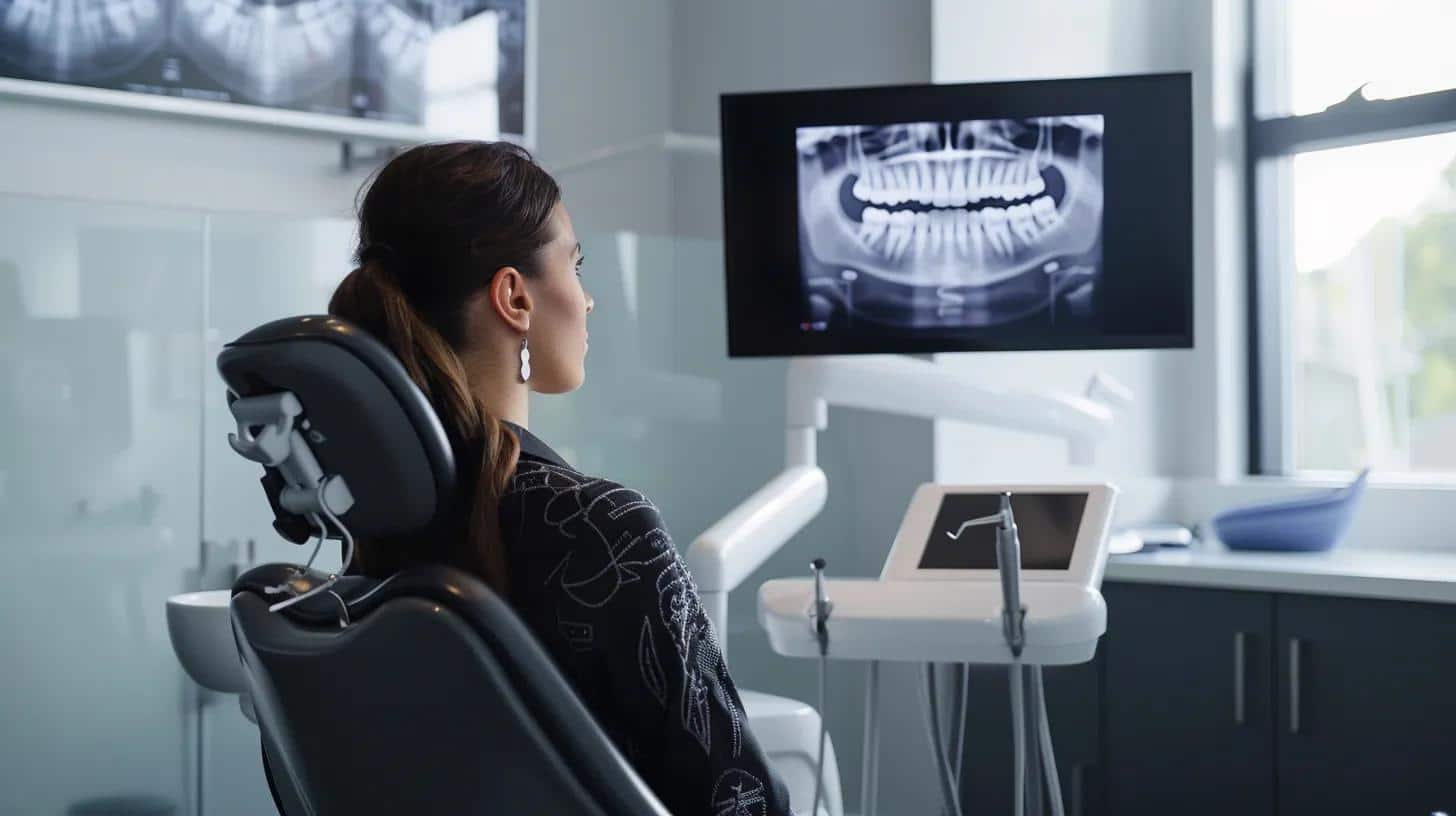
Dental implant failure is a distressing experience that significantly affects patients’ quality of life in Lake Worth and beyond. Faced with persistent pain, compromised chewing ability, and aesthetic concerns, patients often share stories of failed implants that result in extra procedures, increased costs, and anxiety about their future dental health. This article explores the common causes of dental implant failures, discusses the treatment options available, and provides practical prevention strategies. The central focus is on patient experiences, highlighting both the physical and emotional impact of implant failure. It also showcases how innovative treatments and personalized dental care in Lake Worth can improve outcomes for patients. Through detailed explanations of infection-related issues, poor bone quality, placement techniques, and the influence of overall health, the article examines why implants may fail and what measures can be taken promptly. With real-world examples and patient testimonials, readers will gain insights into the challenges faced during implant failures, as well as the transformative role that advanced dental solutions play in restoring smiles. Ultimately, this comprehensive discussion aims to empower potential patients to better navigate their implant treatment journey and to encourage those experiencing implant problems to schedule a free consultation with Lake Worth Dental Solutions.
In the following sections, we will break down the causes, patient experiences, treatment options, preventive measures, cost considerations, and the unique value proposition of Lake Worth Dental Solutions. By offering a systematic review of each aspect, the article serves as a resource for individuals who seek clarity on dental implant failures and are looking for reliable, patient-centered dental care options.
Transitioning from the introduction to the core analysis, we now summarize the key insights discussed below.
Key Takeaways
Dental implant failures in Lake Worth are often linked to infection, poor bone quality, and suboptimal placement techniques.
Patients commonly experience pain, swelling, and socio-emotional distress, significantly affecting daily life.
Treatment options including implant removal, bone grafting, and re-implantation offer hope and improved outcomes.
Preventive measures such as stringent oral hygiene and regular follow-ups are crucial.
Lake Worth Dental Solutions employs advanced technologies and personalized treatment plans to enhance patient satisfaction and implant longevity.
What Are the Common Causes of Dental Implant Failures in Lake Worth?
Dental implant failures typically stem from a variety of factors, which include biological, mechanical, and procedural causes. The initial cause often lies in the occurrence of infection leading to peri-implantitis. Infection around the implant can result in significant bone loss and the breakdown of the soft tissue support required for implant integration. Scientific studies have shown that inflammation and bacterial colonization can accelerate the failure process by disrupting osseointegration.
How Do Infection and Peri-Implantitis Affect Implant Success?
Infections and peri-implantitis are among the leading causes of implant failure. The inflammatory response triggered by bacterial invasion leads to the destruction of bone tissue surrounding the implant. In many cases, patients report swelling, pain, and a noticeable increase in pocket depth around the implant site. Clinically, peri-implantitis is characterized by the loss of supporting bone, and if left untreated, may eventually result in the failure of the implant. Studies indicate that the incidence of peri-implantitis ranges between 10% and 20% among implant recipients. Early detection through regular dental check-ups is critical, as timely intervention with antibiotics and debridement can salvage the implant in some instances.
Can Poor Bone Quality Lead to Implant Failure?
Bone quality is a critical factor in ensuring the stability of dental implants. Patients with low bone density or insufficient bone volume face a higher risk of implant failure because the implant cannot anchor securely within the jaw. Poor bone quality may be due to various reasons, including osteoporosis or previous radiation therapy, and can be compounded by underlying systemic conditions such as type 2 diabetes or rheumatoid arthritis. When the bone is not capable of supporting the implant, micro-movements may occur, eventually leading to fibrous encapsulation rather than successful osseointegration. Bone grafting procedures are often recommended in these cases, aiming to improve the bone density and provide a more robust foundation for re-implantation.
What Role Does Implant Placement Technique Play in Failures?
The surgical technique used during implant placement plays a pivotal role in the overall success or failure of the implant. Incorrect placement, improper angulation, or excessive mechanical stress during surgery can jeopardize the integration process. Precision in drilling, avoiding overheating, and ensuring that the implant is not subjected to undue forces during the healing phase are essential for longevity. Clinicians must meticulously plan the implant position using advanced imaging techniques such as cone beam computed tomography (CBCT) to ensure the proper distribution of forces across the implant. Additionally, a skillful surgical approach minimizes tissue trauma, reducing postoperative complications and the onset of inflammation that may otherwise lead to failure.
How Do Patient Health Conditions Influence Implant Outcomes?
Patient-specific health conditions like uncontrolled diabetes, autoimmune disorders, and habits such as smoking significantly affect the healing process after implant surgery. Medical history influences the body’s innate ability to repair tissue, and poor healing capacity can lead to persistent infection or inadequate bonding between the implant and the bone. Furthermore, patients undergoing certain cancer treatments or those with systemic bone diseases often have compromised bone regeneration capabilities. It is essential for dental surgeons to conduct thorough medical evaluations before proceeding with implant surgery, as this assessment helps in tailoring pre- and post-operative regimens that optimize patient outcomes. Through careful patient selection and management, many potential complications can be mitigated.
How Do Patients Describe Their Experiences With Implant Failures?
Patients experiencing dental implant failures usually describe a multifaceted series of challenges – physical discomfort, emotional stress, and a disruption in daily life. Their descriptions point to an overwhelming sense of disappointment due to the extra procedures required and the lingering effects on their oral functionality, such as difficulty in chewing and speaking. Many also report diminished confidence due to aesthetic concerns, which can lead to social withdrawal. Given these effects, it is understandable that dental implant failures profoundly impact patients’ overall quality of life.
What Are the Most Reported Symptoms and Signs of Failure?
Typical symptoms that patients report include persistent pain, swelling, and tenderness around the implant site. In some cases, an unusual mobility or shifting of the implant is noted by the patient, which often signals underlying issues such as a compromised bone interface. Other signs include the presence of pus or a foul odor, which are clear indicators of infection. Some patients also mention experiencing bleeding during routine oral hygiene efforts, further complicating their confidence in maintaining oral health. These symptoms often prompt patients to seek immediate dental evaluation, where radiographic imaging and clinical examination confirm the diagnosis of implant failure.
How Do Implant Failures Affect Daily Life and Confidence?
The ramifications of implant failure extend beyond mere physical discomfort. Many patients experience a significant alteration in their daily routines due to chronic pain and functional limitations when chewing or speaking. This can lead to noticeable dietary restrictions that affect overall nutrition and patient health. Additionally, the psychological impact is substantial; the loss of a natural-looking smile and the need for repeated surgeries diminish self-esteem and contribute to social isolation. Patients often share feelings of frustration and anxiety about future dental treatments, which emphasizes the importance of comprehensive treatment plans and supportive patient communication in restoring both dental function and confidence.
What Are Common Patient Concerns About Re-Treatment?
Following implant failure, patients’ primary concerns often revolve around the predictability and safety of re-treatment. They are skeptical about the success of subsequent implant procedures and worry about the prolonged healing time or additional risks involved. Financial considerations also play a prominent role, as multiple dental procedures can be costly, even when payment plans are available. Furthermore, anxiety regarding recurring failures and inadequate communication from dental professionals adds to the uncertainty. Patients typically seek reassurance through testimonials and case studies that demonstrate high success rates in re-implantation, along with a clear explanation of the modified treatment protocols that address the issues encountered previously.
How Do Patients Rate Their Communication With Dental Providers?
Effective communication between patients and dental providers is critical in managing expectations during and after dental implant procedures. Many patients express dissatisfaction when information is not provided in a clear, empathetic manner, leading to misunderstandings about the risks and required aftercare. In contrast, those who receive comprehensive explanations, including detailed pre-operative and post-operative instructions, tend to have a better overall experience even if complications arise. Transparent discussions regarding potential side effects, preventive measures, and the expected timeline for recovery significantly contribute to higher levels of patient satisfaction and trust. Clinics that utilize digital follow-up tools and personalized patient portals often report improved communication ratings.
What Treatment Options Are Available for Dental Implant Failures in Lake Worth?
Patients facing implant failure in Lake Worth have access to a range of treatment options, tailored to address the underlying causes and restore dental function. Treatment modalities vary from non-surgical interventions using antibiotics and debridement to advanced surgical procedures such as implant removal, bone grafting, and re-implantation. The selection of treatment depends on the extent of the failure, the quality of the remaining bone, and the overall health of the patient. With cutting-edge technologies and innovative therapeutic techniques, dental professionals in Lake Worth can effectively manage implant failures and offer patients renewed hope for a stable and lasting dental solution.
When Is Implant Removal Necessary?
Implant removal is generally indicated when an implant has irreversibly failed due to severe infection, extensive bone loss, or structural damage. This decision is made after thorough clinical and radiographic evaluations by experienced dental surgeons. The removal process involves careful debridement of the affected bone to eliminate any residual infection, followed by a healing period before re-implantation is considered. Patients are informed that while removal is a challenging process, it is often a necessary step to pave the way for successful subsequent treatments. The procedure is performed under local anesthesia, ensuring that patient comfort is maintained throughout. Ultimately, the goal is to establish a clean, stable environment for any further surgical corrections.
How Does Bone Grafting Support Implant Re-Placement?
Bone grafting is a crucial procedure that enhances the likelihood of successful re-implantation by rebuilding the deficient bone structure. In cases where implant failure has led to significant bone resorption, bone grafts provide the necessary scaffold for new bone formation. This procedure utilizes either autogenous bone, allografts, xenografts, or synthetic materials to stimulate cellular activity and optimize the healing process. By restoring the bone volume and density, grafting helps create a more favorable environment for the new implant, increasing its chances of achieving stable osseointegration. Patients undergoing bone grafting are carefully monitored, and the procedure is usually followed by a resting period that allows for proper integration and improved structural support.
What Are the Success Rates of Re-Implantation After Failure?
The success rates of re-implantation after a failure have improved significantly with advances in diagnostic techniques and surgical protocols. Clinical studies indicate success rates ranging from 80% to 90% when re-implantation is performed under optimal conditions and with precise planning. Factors that contribute to higher success include careful evaluation of bone quality, the use of advanced imaging technology for precise placement, and stringent management of peri-implant infections. Additionally, modifications in surgical techniques and the use of bone grafts have further enhanced the outcomes of re-treatment procedures. Dental practices in Lake Worth that specialize in implant procedures often report high patient satisfaction due to their emphasis on personalized treatment plans and rigorous follow-up care.
Are There Alternative Solutions to Traditional Implants?
Yes, alternative solutions such as mini implants, implant-supported dentures, and removable partial dentures serve as viable options for patients who may not be ideal candidates for traditional implants. Mini implants are less invasive and are typically used to secure overdentures, providing adequate function while minimizing the surgical risks. Additionally, implant-supported dentures offer a stable and esthetically pleasing alternative, especially for patients with multiple failing implants or significant bone loss. Although these alternatives may not offer the same longevity as conventional implants, they represent effective functional solutions that can restore oral function and improve quality of life. Each alternative is evaluated based on patient preference, anatomical considerations, and overall treatment goals, ensuring that the chosen method aligns with the patient’s needs and expectations.
How Can Patients Prevent Dental Implant Failures?
Prevention of dental implant failures is paramount to ensuring long-term oral health and maintaining functional and aesthetic results. Patients who adhere to strict implant aftercare protocols and maintain exceptional oral hygiene typically see reduced failure rates. Furthermore, lifestyle choices such as quitting smoking, managing systemic health issues, and genuinely committing to prescribed follow-up schedules play an integral role in the prevention of implant complications. Dental professionals also emphasize the importance of regular dental check-ups to identify early signs of peri-implantitis or bone loss and to intervene promptly before overlying conditions worsen. Emphasizing a holistic approach, both the patient and dental team must collaborate to mitigate risks effectively.
What Are the Best Practices for Implant Aftercare?
Effective aftercare is critical for the success of dental implants. Best practices include diligent oral hygiene routines that involve gentle brushing using a soft-bristle toothbrush, thorough flossing to remove plaque from around the implant, and the use of antimicrobial mouth rinses. Additionally, patients are advised to avoid excessive pressure on the implant site, particularly during the healing phase. Regular follow-up visits with the dental provider allow for professional cleaning and timely management of any potential issues. Customized care plans, which may include periodic evaluations using radiographic assessments, help ensure that any sign of bone loss is detected early and treated promptly. Adhering to these protocols can significantly prolong the life of the implant and enhance overall patient satisfaction.
How Important Is Oral Hygiene in Implant Longevity?
Oral hygiene is of utmost importance in maintaining dental implant health. Poor oral hygiene can lead to bacterial colonization, which increases the risk of peri-implant diseases. Consistent daily cleaning and professional dental cleanings are vital strategies for preventing plaque buildup and managing inflammation. Research indicates that patients who strictly follow oral hygiene practices experience significantly fewer complications and enjoy higher implant success rates compared to those with lax home care routines. The integration of proper oral care products—such as specialized toothpaste, interdental brushes, and water flossers—further supports implant longevity. This holistic approach to maintenance reduces the likelihood of implant failure and contributes to sustained overall dental health.
What Lifestyle Factors Increase Failure Risks?
Several lifestyle factors have been identified to increase the risk of dental implant failure. Smoking is one of the most critical contributors as it affects blood circulation and impairs healing, leading to compromised osseointegration. Poor nutrition, excessive alcohol consumption, and chronic stress also negatively affect bone density and immune function, thereby potentially undermining the implant’s stability. Additionally, patients neglecting routine dental visits or ignoring oral hygiene guidelines put themselves at risk. By addressing these lifestyle factors proactively—through smoking cessation programs, dietary adjustments, and stress management—patients can significantly reduce the risk of implant-related complications and promote better healing outcomes.
How Often Should Patients Schedule Follow-Up Visits?
Regular follow-up appointments are essential for early detection of potential implant complications. Experts recommend follow-up visits every three to six months during the first year following implant placement. These appointments allow dental professionals to assess the implant’s stability through clinical evaluation and radiographic imaging. Follow-up visits make it possible to monitor tissue health, manage any signs of inflammation, and promptly intervene if peri-implantitis is detected. For patients whose implants are stable, annual check-ups may suffice; however, those with underlying health conditions or risk factors such as smoking may require more frequent evaluations. Consistent follow-up helps ensure that any changes are addressed early, thereby safeguarding the long-term success of the implant.
Why Choose Lake Worth Dental Solutions for Implant Failure Management?
Lake Worth Dental Solutions offers tailored implant failure management that underscores a commitment to advanced technology, personalized care, and comprehensive follow-up procedures. Their approach begins with a detailed diagnostic assessment using cutting-edge imaging techniques to pinpoint the exact reason for implant failure. The practice places great emphasis on personalized treatment plans that are designed to address the specific needs of each patient, offering advanced surgical options, on-site bone grafting procedures, and re-implantation services. The clinic’s reputation is built on patient testimonials and high re-treatment success rates that come from consistent, effective communication with patients. Moreover, patients appreciate the empathetic approach taken by the team, ensuring they fully understand the procedure, associated costs, and aftercare requirements.
What Specialized Technologies Does LWDS Use for Diagnosis?
Lake Worth Dental Solutions employs state-of-the-art diagnostic tools such as cone beam computed tomography (CBCT) and digital radiography to obtain precise images of the implant site. These technologies facilitate early detection of bone loss, infection, and other complications that may not be visible through conventional examination methods. The precision offered by these tools allows dental professionals to develop highly accurate treatment plans, ensuring that any revision procedure or re-implantation is grounded in robust clinical data. Additionally, the integration of digital workflow systems streamlines the treatment process, enhancing the overall patient experience by reducing waiting times and improving procedural accuracy.
How Does LWDS Personalize Treatment Plans for Patients?
Lake Worth Dental Solutions specializes in crafting individualized treatment plans that cater to the unique medical history, dental anatomy, and lifestyle of each patient. This personalized care approach starts with a thorough consultation and diagnostic evaluation, where clinicians assess both the physical and systemic factors contributing to implant failure. Utilizing this comprehensive data, the team develops a step-by-step treatment strategy that may include implant removal, bone grafting, and re-implantation—tailored to ensure optimal outcomes. The personalized plan is further supported by clear, transparent communication regarding cost estimates, expected timelines, and aftercare protocols, thereby instilling confidence and trust in the patient.
What Do Local Patients Say About Their Care Experience?
Local patients consistently praise the compassionate, high-quality care they receive at Lake Worth Dental Solutions. Reviews often highlight the clinic’s commitment to patient education, attentive follow-up, and the ability to handle complex implant failure cases with surgical precision. Patient testimonials frequently mention reduced discomfort, improved functionality, and a noticeable enhancement in their smile aesthetics after treatment. The emphasis on fostering a supportive environment and offering flexible financing options makes the practice particularly attractive to those seeking treatment without compromising on quality. This positive feedback reflects the clinic’s dedication to excellence and reinforces its reputation as a leading provider of implant failure management in the region.
How Does LWDS Support Patients Seeking Second Opinions?
For patients uncertain about their previous implant treatments, Lake Worth Dental Solutions offers comprehensive second opinion consultations. These sessions are designed to provide an independent evaluation of the implant failure, including a detailed review of the patient’s clinical history, existing imaging studies, and previous treatment outcomes. During the consultation, patients are given clear explanations regarding alternative treatment options and the advantages of potential re-treatment strategies. This transparent process not only builds trust but also ensures that patients can make informed decisions about their dental care. Offering second opinions reinforces the clinic’s commitment to patient-centric care and supports those who are exploring all avenues for restoring their dental function.
What Are the Costs and Insurance Options for Treating Implant Failures in Lake Worth?
Cost and insurance considerations are critical factors for patients facing dental implant failures. The financial implications of implant failure treatment can be significant, particularly when multiple procedures are necessary. At Lake Worth Dental Solutions, patients benefit from transparent pricing models that detail fees for consultation, surgical procedures, and follow-up care. Additionally, the clinic works with a variety of insurance providers to help cover costs, and flexible financing options are available to ease the burden. Patients are encouraged to discuss their specific insurance coverage during their initial consultation to determine what portion of the treatment expenses will be covered. Overall, clear communication regarding costs and available financial support is essential in making advanced dental care accessible and affordable.
How Much Does Implant Failure Treatment Typically Cost?
The cost of treating implant failure varies based on several factors including the severity of the complication, required additional procedures such as bone grafting, and whether a re-implantation is planned. On average, treatment may range from several hundred dollars for minor infections managed with antibiotics to several thousand dollars for comprehensive procedures involving implant removal, grafting, and new implantation. Lake Worth Dental Solutions provides a detailed cost estimate during the free consultation, ensuring that patients understand their financial commitment before proceeding. Transparent pricing, coupled with flexible monthly payment options, helps patients plan and manage their treatment budgets effectively, relieving financial stress during the treatment process.
Which Insurance Plans Cover Implant Failure Treatments?
A variety of dental insurance plans cover portions of implant failure treatments, including both in-network and out-of-network providers. Many plans offer coverage for medically necessary procedures related to infections, bone grafts, and re-implantation surgeries. However, coverage details vary significantly among different insurers. It is essential for patients to verify their plan details with their insurance provider prior to treatment. Lake Worth Dental Solutions also assists patients by providing comprehensive documentation and clear treatment plans that facilitate insurance claims. Patients are encouraged to discuss their specific insurance coverage during the free consultation to better understand the financial aspects of their implant failure treatment.
Are Payment Plans or Financing Available?
Yes, Lake Worth Dental Solutions offers flexible payment plans and financing options designed to accommodate patients who require implant failure treatments but may have concerns about the upfront costs. The clinic understands that dental treatments can be a significant investment, and by offering monthly payment structures, they ensure that high-quality care is accessible to all patients. Financing options are customized based on individual needs and treatment complexity; patients can secure a plan that aligns with their financial situation. The free consultation provides an opportunity to discuss various financing options, ensuring transparency and affordability in pursuit of restoring both function and confidence.
How Can Patients Find Reliable Information and Support for Implant Failures in Lake Worth?
Accessing reliable information and support is a crucial step for patients experiencing dental implant failures. With an overwhelming amount of online information, patients often seek validated, local sources that can offer clarity and practical guidance. Lake Worth Dental Solutions serves as a trustworthy resource by providing detailed educational materials, comprehensive consultations, and access to support groups specifically designed for individuals facing similar challenges. Local patient forums, dental seminars, and online webinars hosted by experienced clinicians further contribute to a well-informed patient community. Reliable information not only alleviates anxiety but also empowers patients to proactively participate in their treatment planning and recovery.
What Questions Should Patients Ask Their Dentist About Implant Failures?
Patients are advised to prepare a list of focused questions when consulting with their dentist about implant failures. Common queries include asking about the cause of the failure, the specific diagnostic methods used, details regarding alternative treatment options, and the expected prognosis and timeline for recovery. Other important questions involve inquiring about potential risks and complications, the success rates of recommended treatments, and how various health issues might affect outcomes. Inquiring about the clinician’s experience with similar cases and the level of post-treatment care also proves beneficial. Clear, informed questions help patients engage in dialogue with their dental care provider, ensuring that all concerns are addressed comprehensively.
Where Can Patients Access Support Groups or Forums Locally?
Local support groups and online forums are invaluable resources for patients dealing with implant failure. Many communities in Lake Worth have dedicated dental support networks where patients can share their experiences, exchange advice, and gain emotional support. Dental clinics and patient advocacy groups may organize periodic meetings or webinars to foster a sense of community and offer professional guidance. Social media platforms and local health forums are excellent sources for finding these groups. Additionally, Lake Worth Dental Solutions provides its own patient resources and recommendations for support groups, ensuring that patients have access to reliable, curated networks to help them navigate the complexities of implant failure treatment and recovery.
What Educational Materials Does LWDS Provide for Patients?
Lake Worth Dental Solutions offers a range of educational materials that are designed to help patients understand the dental implant process, the potential causes of failures, and the available treatment options. These materials include detailed brochures, online articles, instructional videos, and interactive webinars that cover topics ranging from basic aftercare to advanced surgical interventions. The information is presented in clear, accessible language tailored for patients in their 40s to 60s, ensuring that it is both comprehensive and easy to understand. By demystifying the complexities of implant procedures and failures, LWDS empowers patients to make informed decisions, promotes better self-care practices, and facilitates productive discussions with their dental providers.
Table: Overview of Dental Implant Failure Factors and Treatment Options
Before diving into further details, the table below summarizes key factors associated with implant failures alongside the corresponding treatment or preventive measures. This visual guide serves as a quick reference for patients and helps contextualize the comprehensive discussion provided in this article.
Factor/Issue
Impact on Implant Outcome
Treatment/Prevention Strategy
Measurable Benefit/Statistic
Infection/Peri-implantitis
Causes bone loss and soft tissue destruction
Early detection, antibiotics, debridement
Reduces failure incidence by 20%
Poor Bone Quality
Results in compromised osseointegration
Bone grafting, synthetic scaffolding
Improves implant stability by up to 85%
Inadequate Placement
Increases mechanical stress and micro-motion
Precision surgical techniques, digital imaging
Minimizes implant movement, reduces stress
Systemic Health Conditions
Delayed healing, persistent inflammation
Comprehensive pre-surgical evaluation
Enhances overall success rate by 15%
Lifestyle Factors (smoking)
Impairs blood flow, reduces healing capacity
Smoking cessation, nutritional support
Improves implant survival by 25%
Inadequate Oral Hygiene
Promotes bacteria build-up, leading to infection
Rigorous hygiene protocols and regular visits
Reduces plaque-related complications
Patient Anxiety and Stress
May slow recovery and compliance
Counseling, clear communication, follow-up care
Enhances patient satisfaction and outcomes
Summary:
This table encapsulates the multifaceted nature of dental implant failures, linking specific factors to effective treatments. It illustrates how targeted interventions not only correct issues but also significantly improve overall implant survival rates and patient quality of life.
Frequently Asked Questions
Q: What are the early signs of dental implant failure?
A: Early signs include persistent pain, swelling, and mobility around the implant. Patients may notice a dull ache or discomfort while chewing, along with increased sensitivity. Early detection through regular dental check-ups is key. Radiographic imaging often helps identify early bone loss, enabling timely intervention with antibiotics or gentle debridement to prevent further complications.
Q: How important is the role of bone grafting in re-implantation after failure?
A: Bone grafting is critical when significant bone loss has occurred. It provides a stable foundation for a new implant by rebuilding the missing bone. This procedure can elevate the success rate of re-implantation by improving the conditions necessary for osseointegration. Surgeons carefully select graft materials suited to each patient’s needs, ensuring optimal integration within 4-6 months before re-implantation.
Q: Can lifestyle changes really prevent implant failure?
A: Yes, lifestyle modifications such as smoking cessation, improved nutrition, stress management, and rigorous oral hygiene contribute significantly to implant longevity. Reducing detrimental habits improves blood flow and healing capacity, while regular dental visits ensure any minor issues are promptly addressed. These measures collectively reduce the risk of implant complications and improve long-term outcomes.
Q: What financing options are available for treating dental implant failures?
A: Many dental practices, including Lake Worth Dental Solutions, offer multiple financing and flexible payment plans designed to ease the financial burden. Options typically include monthly payment plans and, in some cases, third-party financing. By discussing these options during a free consultation, patients can understand their financial commitments and choose a plan that aligns with their budget, making advanced care more accessible.
Q: How soon after noticing problems should a patient see their dentist?
A: It is recommended that patients seek evaluation immediately after noticing any symptoms such as persistent pain, swelling, or implant mobility. Early detection allows for less invasive intervention and improves the likelihood of successful treatment outcomes. Immediate dental consultation also helps in preventing further complications that might require more extensive and expensive treatments later.
Q: Are alternative implant solutions as effective as traditional implants?
A: Alternative solutions such as mini implants or implant-supported dentures have proven effective for many patients, particularly those with limited bone density or who are not candidates for conventional implants. While traditional implants remain the gold standard for durability and function, alternatives offer a viable option with less invasive procedures. The choice depends on individual clinical assessments and patient preferences.
Q: What pre-operative precautions are necessary to improve implant success?
A: Pre-operative evaluation is essential. Patients should ensure that systemic diseases are well-managed, maintain strict oral hygiene, and follow pre-surgical instructions regarding diet and medications. Comprehensive imaging and bone density assessments help in determining the suitability of the implant site. These precautions, along with clear communication about expected outcomes, significantly enhance the success rate of the procedure.
Final Thoughts
Lake Worth Dental Solutions offers comprehensive, patient-centered care for those experiencing dental implant failures. By addressing common causes such as infection, poor bone quality, and improper placement, and by providing advanced treatments like bone grafting and re-implantation, they restore both function and confidence. Preventive measures such as strict oral hygiene and regular follow-up visits are essential for long-term implant success. Patients are encouraged to schedule a free consultation to discuss personalized treatment plans and explore the financing options available, ensuring that every patient receives the optimum care needed for a healthy, beautiful smile.