Understanding Dental Implant Recovery: Timeline, Healing Stages, and What to Expect After Surgery
Dental implant recovery is the process by which soft tissues and jawbone heal and integrate with a dental implant, restoring function and esthetics after oral surgery. This recovery depends on biological mechanisms—initial clot formation, soft tissue proliferation, and osseointegration of the implant fixture with the alveolar bone—that together determine when you can chew comfortably and receive the final crown. Understanding the typical timeline reduces anxiety, helps you follow evidence-based aftercare, and improves long-term implant success. This guide explains the stages from the immediate 24–48 hour period through months of bone remodeling, practical aftercare steps, pain and swelling management, factors that influence healing, and what to expect at final restoration. If you’d like personalized guidance on your recovery timeline, you can schedule a Free Dental Consult with Affordable Dentist Near Me of Dallas through their online appointment page to discuss individualized risks and next steps. The sections below map the full recovery timeline, detailed stage-by-stage care, practical dos and don’ts, pain-management strategies, risk factors, local resources in Dallas, and common patient questions to help you plan a safe, predictable recovery.
What Is the Typical Dental Implant Recovery Timeline?
Dental implant recovery timeline refers to the sequence of biological and clinical stages after implant placement, starting with immediate post-op responses and progressing through soft tissue healing to bone integration and final prosthetic restoration. The mechanism behind these stages is the body’s normal wound-healing cascade—hemostasis and inflammation followed by proliferation and maturation—plus the specialized process of osseointegration, where bone forms a stable interface with the titanium implant. The benefit of a clear timeline is that patients can anticipate symptom peaks, schedule follow-ups appropriately, and apply stage-specific aftercare to protect the implant and support long-term success. Below is a concise timeline for quick reference, followed by a comparison table that summarizes each stage and what patients should expect.
Key phases include immediate post-op reactions in the first 24–48 hours, early soft tissue healing over days 3–7, mid-term stabilization from weeks 2–6, a months-long osseointegration window (commonly 3–6 months), and final restoration once clinical stability is confirmed. Each phase has predictable symptoms and actions—knowing these lets you focus on safe behaviors like diet modifications and hygiene that directly support healing. The following subsections define the phases and outline typical durations so you can set realistic expectations and plan follow-up care.
What Are the Key Phases of Dental Implant Healing?
The key phases of dental implant healing start with immediate hemostasis and clot formation, proceed through an inflammatory phase that clears debris, then shift to a proliferative phase where soft tissue and early bone repair occur, and culminate in maturation during osseointegration when bone remodels and secures the implant. This sequence matters because each phase requires different behaviors—rest and bleeding control right away, careful hygiene during soft tissue repair, and load management during osseointegration to avoid micromotion. Patients typically notice swelling and discomfort early, then progressive reduction in symptoms as tissues stabilize, which is an indication that the biological mechanisms are proceeding normally. Understanding these phases helps patients recognize normal healing versus signs that merit prompt contact with their dental team.
How Long Does Each Recovery Stage Usually Take?
Typical durations vary by individual and procedure complexity, but general ranges provide a useful framework: immediate responses are 24–48 hours; early soft tissue healing extends through days 3–7; mid-term tissue stabilization occurs during weeks 2–6; osseointegration and bone remodeling usually take 3–6 months; and final restoration timing depends on clinical checks but frequently falls after the osseointegration window. Factors such as smoking, uncontrolled systemic conditions, poor bone quality, or the need for bone grafting can extend each stage by weeks to months. Knowing these typical ranges allows clinicians and patients to plan follow-ups, timing for abutment and crown placement, and when to progressively resume normal chewing forces without jeopardizing implant stability.
Bone remodels and integrates with implant; limited loading until stable
Final restoration
Variable after osseointegration
Abutment and crown placement; testing of implant stability and functional restoration
This table provides a quick comparison you can reference during recovery to gauge whether your healing falls within expected parameters and to prepare for clinical milestones such as suture removal and prosthetic work.
What Are the Detailed Dental Implant Healing Stages?
The detailed healing stages expand the timeline into actionable descriptions of what the body does and what patients should do during each window. Clinically, the initial 24–48 hours focus on clot formation and preventing hematoma or excessive bleeding, the first week focuses on controlling inflammation and protecting soft tissues, weeks 2–6 concentrate on mucosal maturation and early bone response, months 3–6 center on osseointegration where bone remodels and secures the implant, and final restoration occurs once mechanical stability and tissue health are confirmed. Explaining each stage in patient-friendly language clarifies why certain restrictions—dietary limits, activity modification, and staged hygiene—are recommended. The next subsections break down immediate care, week-one expectations, mid-term recovery, osseointegration basics, and what to expect at final restoration.
What Happens in the First 24 to 48 Hours After Surgery?
The first 24–48 hours are defined by hemostasis and acute inflammation: you should expect a forming blood clot at the surgical site, moderate swelling that often peaks around 48 hours, and controllable pain that responds to prescribed or over-the-counter analgesics. Mechanically, gentle pressure with gauze, head elevation, and ice applied intermittently reduce bleeding and swelling, while avoiding rinsing, spitting, or using straws helps protect the clot. Rest and limiting physical exertion minimize blood pressure spikes that could prolong bleeding; prescribed antibiotics or analgesics are taken as directed. If bleeding becomes heavy, swelling worsens rapidly, or there are systemic signs like fever, contacting your dental team is essential because these can indicate complications that require prompt attention.
What Should You Expect During Days 3 to 7 of Recovery?
During days 3–7, the inflammatory response typically subsides and soft tissue repair accelerates, producing less bleeding and gradually decreasing pain and swelling; many patients notice the worst symptoms peaking around day two and improving by the end of the week. Gentle oral hygiene modified to avoid direct trauma to the site—such as soft brushing away from the wound and saline rinses starting after 24 hours—reduces bacterial load while supporting mucosal healing. Suture monitoring or removal may occur during this window depending on the technique used, and activity can slowly resume with avoidance of heavy lifting or vigorous exercise. If localized redness, increased tenderness, pus, or persistent fever appear during this time, those are warning signs that necessitate earlier clinical review.
How Does Healing Progress Between Weeks 2 and 6?
Between weeks 2 and 6, soft tissues mature further into a stable mucosal seal and early bone remodeling begins around the implant surface, which enhances primary stability and reduces sensitivity. Clinical appointments during this window often confirm tissue health and may include evaluation of implant mobility; any bone graft sites are assessed for consolidation and absence of infection. Diet can broaden progressively from pureed and soft foods to firmer textures as comfort allows, but patients are still advised to avoid hard or sticky foods directly on the implant site. This period sets the stage for osseointegration: consistent good hygiene and avoidance of trauma during these weeks directly influence the long-term integration of the implant fixture.
What Is Osseointegration and How Long Does It Last?
Osseointegration is the biological process in which new bone cells form a direct, structural, and functional connection with the implant surface, typically occurring over a 3–6 month window and forming the foundation for long-term implant stability. Mechanistically, osteoblast activity lays down woven bone that later matures into lamellar bone tightly apposed to the implant surface; this process is critical because mechanical loading before adequate osseointegration can cause micromotion and fibrous encapsulation, jeopardizing success. Clinical success rates for modern implants often exceed 95% when osseointegration proceeds normally, and adherence to stage-appropriate aftercare—such as limiting biting forces and avoiding smoking—supports predictable bone healing. Understanding osseointegration clarifies why clinicians schedule timing for abutment and crown placement rather than immediate full loading in many cases.
When Does Final Restoration Occur and What to Expect?
Final restoration typically occurs after the clinician confirms stable osseointegration through clinical testing and radiographic assessment; once confirmed, the abutment and crown (or prosthetic components for multi-unit cases) are fitted to restore function and esthetics. During the restoration appointment you can expect impressions or digital scans, trial fittings to verify occlusion and esthetic parameters, and minor adjustments for comfort—these steps ensure the prosthesis distributes biting forces appropriately over the implant-supported restoration. After the final crown is placed, patients are advised about normal post-restoration sensitivity, oral hygiene maintenance for long-term implant health, and scheduling routine follow-ups to monitor peri-implant tissues. Successful final restoration restores chewing function and appearance while initiating the long-term maintenance phase that preserves implant longevity.
What Are the Essential Dental Implant Aftercare Instructions?
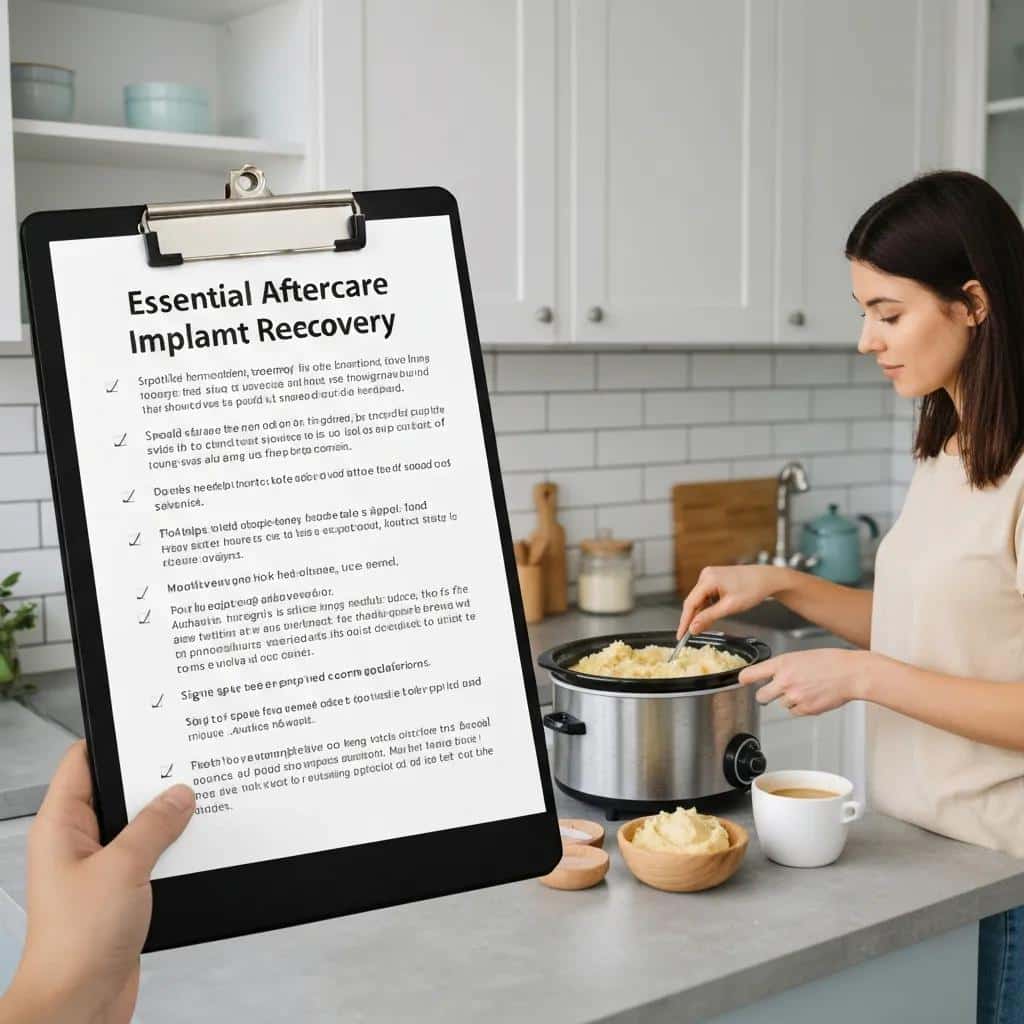
Essential aftercare instructions map to the recovery stages and emphasize behaviors that protect the surgical site, minimize infection risk, and support osseointegration. Key components include stage-specific dos and don’ts, hygiene adaptations that clean without traumatizing the wound, and a dietary progression that supplies nutrition without stressing tissues. Clear, numbered do-and don’t lists and a dietary EAV table below make these instructions actionable for older adults and busy patients who prefer quick reference. Following these instructions directly reduces complications such as clot dislodgement, wound dehiscence, or peri-implantitis and shortens the path to safe final restoration.
Patients should adhere to the medication schedule provided by their clinician, practice careful oral care beginning with saline rinses, avoid behaviors like smoking and vigorous rinsing that impede healing, and follow dietary restrictions that protect the implant while meeting nutritional needs. Regular follow-ups allow the dental team to confirm tissue health, remove sutures if needed, and adjust recommendations based on observed healing. The next subsections present clear dos and don’ts, stepwise hygiene guidance, and a stage-based dietary table to guide safe progression back to normal eating.
What Are the Dos and Don’ts After Dental Implant Surgery?
Do follow prescribed medications and dosing schedules to control pain and prevent infection.
Do use intermittent ice and keep the head elevated to control swelling during the first 48 hours.
Do begin gentle saline rinses after 24 hours to reduce bacterial load while avoiding spitting.
Don’t smoke or use tobacco because it impairs blood flow and delays osseointegration.
Don’t use straws, spit forcefully, or perform vigorous rinsing that can dislodge the clot.
Don’t engage in heavy lifting or vigorous exercise during the initial week to prevent increased bleeding.
These dos and don’ts reduce common postoperative risks such as bleeding, infection, and clot dislodgement; following them closely increases the likelihood of uncomplicated healing. The next section explains how to implement oral hygiene safely across stages so you can protect the implant site while maintaining overall oral cleanliness.
How Should You Manage Oral Hygiene During Recovery?
Managing oral hygiene involves a staged approach: gentle at first, then progressively normalizing as tissues heal and tolerate more direct cleaning. In the first 24–48 hours avoid brushing the surgical site and use saline rinses starting after the first day; after 48–72 hours you can begin very gentle brushing around but not directly on the incision using a soft brush. Antimicrobial rinses may be prescribed for short-term use to reduce bacterial load—follow the clinician’s instructions carefully—while professional cleanings are deferred until tissues are stable. As soft tissues mature in weeks 2–6, return to more thorough brushing and flossing with care around the implant, and continue regular dental hygiene visits to monitor peri-implant health. Gentle progression through these steps helps prevent plaque accumulation and peri-implantitis while protecting the surgical site from mechanical trauma.
What Dietary Guidelines Support Optimal Healing?
Food Type
When to Introduce
Advice / Precautions
Clear liquids and smoothies
First 24–48 hours
Avoid hot beverages; sip gently and avoid straws
Soft/pureed foods (yogurt, mashed potatoes)
Days 3–7
Consume lukewarm or cool; avoid spicy or crunchy additives
Soft solids (scrambled eggs, soft pasta)
Weeks 2–6
Chew away from surgical side; introduce firmer textures gradually
Firmer foods (lean meats, raw vegetables)
After clinical confirmation (often >6–8 weeks)
Reintroduce slowly with clinician approval; avoid biting directly on implant initially
Starting with non-irritating, nutrient-dense options supports systemic healing and maintains energy while the implant integrates. Gradual reintroduction of textures reduces the risk of mechanical disruption to the healing tissues and creates a predictable path toward normal diet once clinical stability is confirmed.
How Can You Effectively Manage Pain and Swelling After Dental Implant Surgery?
Pain and swelling management aims to provide safe symptom relief, reduce inflammation, and prevent complications while avoiding practices that may hinder healing. The typical trajectory is a peak in pain and swelling during the first 48–72 hours followed by steady improvement; planning analgesic use and adjunctive measures for this window improves comfort and function. Evidence-based approaches favor first-line use of NSAIDs for inflammation control and non-pharmacologic measures like intermittent ice and elevation to limit swelling. The section below explains common pain symptoms and provides a comparative EAV table of pain management options so patients can discuss choices with their clinician.
Combining appropriate medication with lifestyle measures—rest, cold therapy, and limited oral activity—reduces reliance on stronger prescription analgesics and supports a smoother recovery. If pain escalates after initial improvement or if swelling becomes progressive and tender, those are signs to contact your dental clinic. The next subsections clarify normal symptom patterns and compare safe pain-relief options with key notes on duration and precautions.
What Are Common Pain Symptoms and Their Duration?
Common pain after implant surgery is moderate and typically peaks within 48–72 hours, then decreases steadily over the next week as inflammation resolves and soft tissues heal. Patients commonly describe a dull ache around the site with sharp discomfort on provocation during the first few days; referred soreness in adjacent teeth and jaw muscles is also common. Warning signs that differ from normal pain include escalating severe throbbing after initial improvement, fever, spreading facial swelling, or persistent discomfort beyond the expected timeframe—these suggest possible infection or implant complications. Knowing the usual pattern helps patients distinguish between expected postoperative discomfort and symptoms that require prompt clinical reassessment.
What Pain Relief Options Are Safe and Effective?
Pain Management Option
Mechanism / Use
Typical Duration / Notes
OTC NSAIDs (ibuprofen)
Reduces inflammation and pain by inhibiting prostaglandin synthesis
Effective in first 48–72 hours; follow dosing guidance
Acetaminophen
Analgesic and antipyretic for pain relief without anti-inflammatory effect
Useful alone or combined with NSAID if appropriate; observe max daily dose
Prescription analgesics
Stronger pain control for severe cases, often opioid-based for short term
Used sparingly and only as directed; monitor side effects
Cold therapy (ice)
Local vasoconstriction to reduce swelling and numb tissues
Most effective in first 48 hours; apply intermittently
Topical agents / local anesthetic gels
Short-term local relief for mucosal sensitivity
Adjunctive use; follow instructions to avoid excessive use
What Factors Can Affect Your Dental Implant Recovery?
Several host, procedural, and lifestyle factors influence how rapidly and predictably an implant heals; identifying and addressing these factors improves outcomes. Host factors include systemic diseases (for example, uncontrolled diabetes) and habits like smoking that impair blood flow and bone remodeling. Procedural factors—such as bone quality, need for bone grafting, and surgical technique including the use of 3D-guided approaches—change healing timelines and complication risk. Lifestyle elements and medications that affect bone metabolism or immune response can alter the osseointegration window and require clinician-tailored planning. The next subsections examine how health and lifestyle impact healing and provide clear red flags for when to contact your dental team about complications.
Understanding modifiable and non-modifiable risk elements allows patients to optimize their recovery through preoperative preparation, smoking cessation, and adherence to medical advice. Coordination between medical and dental providers for patients with systemic conditions is often necessary to reduce perioperative risk and expedite safe healing.
How Do Patient Health and Lifestyle Impact Healing?
Patient health and lifestyle shape healing by influencing blood flow, immune competence, and bone metabolism—key contributors to tissue repair and osseointegration. Conditions like uncontrolled diabetes, certain bone disorders, or medications that affect bone turnover can slow remodeling and increase infection risk; similarly, smoking reduces perfusion and oxygenation at the surgical site, significantly extending healing timelines. Optimizing nutrition, controlling systemic disease, and stopping tobacco use before surgery measurably improve outcomes by enhancing the body’s reparative capacity. Preoperative counseling and coordination with a primary care provider can help patients implement these changes and reduce the probability of complications that could delay final restoration.
When Should You Contact Your Dentist About Complications?
Contact your dental team promptly if you notice any of the following red flags that suggest infection or implant failure: escalating severe pain after initial improvement, fever or chills, persistent or worsening swelling that spreads beyond the immediate site, continuous heavy bleeding that does not respond to pressure, visible pus or foul drainage, or a sensation of implant mobility. These signs can indicate peri-implant infection, wound dehiscence, or early mechanical failure and typically require urgent evaluation and intervention. Prompt reporting ensures that clinicians can address issues before they compromise osseointegration, protecting long-term outcomes.
Why Choose Affordable Dentist Near Me of Dallas for Your Dental Implant Recovery?
Affordable Dentist Near Me of Dallas specializes in dental implants and dentures and emphasizes accessible, affordable care for Dallas patients seeking tooth replacement and predictable recovery support. The practice frames its value around affordable treatment options, local presence in Dallas for easy follow-up care, and a low-barrier Free Dental Consult designed to answer patient-specific recovery questions and map a personalized timeline. For patients concerned about recovery logistics, the clinic’s approach combines patient education, staged follow-ups, and practical aftercare guidance to improve comfort and reduce the chance of complications. If you want a personalized recovery plan and to discuss affordability or grafting needs, scheduling a Free Dental Implant Consultation with Affordable Dentist Near Me of Dallas is an appropriate next step to receive tailored advice.
What Makes Our Dallas Clinic Affordable and Accessible?
Affordable Dentist Near Me of Dallas conveys an affordability focus through its name and service emphasis on dental implants and dentures, making implant care approachable for many patients in the Dallas area. Local accessibility means patients can attend scheduled follow-ups and urgent visits without long travel, which matters during early recovery when timely evaluation can prevent complications. The value for patients lies in a combination of cost-conscious care and localized follow-up pathways that prioritize clear recovery instructions and practical support for staged healing. For Dallas residents, an accessible clinic reduces logistical barriers to attending the crucial appointments that support osseointegration and final restoration.
How Can You Schedule a Free Dental Implant Consultation?
To get personalized answers about your recovery timeline and treatment options, request a Free Dental Consult with Affordable Dentist Near Me of Dallas through their online appointment system or by contacting the practice via their Google Business Profile listing for scheduling details. The Free Dental Implant Consultation typically covers a review of your medical and dental history, a focused oral exam to assess bone and soft-tissue needs, and a discussion of proposed timelines for healing and restoration to minimize surprises during recovery. This low-barrier consult is intended to give you a clear, individualized plan for safe recovery and to outline any additional steps—such as bone grafting or smoking-cessation support—that may influence your timeline.
What Are the Most Frequently Asked Questions About Dental Implant Recovery?
This FAQ-style section answers common patient questions with concise, actionable responses designed for quick comprehension and featured-snippet potential. Each answer addresses timelines, pain expectations, dietary progression, and strategies that speed healing so you can make informed decisions and prepare for each stage of recovery. After these common questions, remember that you can get personalized answers and a recovery timeline through a Free Dental Implant Consultation with Affordable Dentist Near Me of Dallas to address your specific medical history and local care needs.
How Long Does It Take for a Dental Implant to Fully Heal?
A dental implant commonly reaches initial soft-tissue healing within a few weeks and completes osseointegration between about 3 to 6 months, after which final restoration is typically placed if clinical stability is confirmed. Individual factors such as smoking, systemic disease, poor bone quality, or the need for bone grafts can extend the timeline by weeks to months; conversely, favorable bone conditions and minimally invasive techniques may allow for faster progression. This range reflects the biological variability of bone remodeling and underscores why clinician assessment guides the timing of abutment and crown placement.
Is Dental Implant Recovery Painful and How Can It Be Managed?
Recovery usually involves moderate discomfort that peaks within the first 48–72 hours and then gradually improves; pain is commonly controlled with over-the-counter NSAIDs, acetaminophen, and, if necessary, short-term prescription analgesics. Non-drug measures—ice during the first 48 hours, head elevation, and rest—complement medications and reduce inflammation; following aftercare instructions like avoiding trauma and smoking further minimizes pain. If pain increases instead of resolving or becomes severe and throbbing with systemic symptoms, contact your dental team promptly, as this pattern may indicate infection or another complication.
When Can I Eat Normally After Dental Implant Surgery?
Normal eating resumes in stages: liquids and very soft foods in the first 24–48 hours, soft solids during days 3–7, increasingly firmer textures through weeks 2–6, and a return to a typical diet after clinical confirmation of healing—often beyond six weeks depending on case complexity. The progression depends on comfort, avoidance of direct masticatory forces on the implant site, and clinician guidance; chewing away from the surgical side and selecting nutrient-rich soft options helps maintain nutrition without stressing the wound. If you experience pain or swelling when trying firmer foods, revert to softer options and consult your dentist before advancing textures.
What Helps Speed Up Dental Implant Healing?
Several evidence-based practices support faster, safer healing: maintain excellent oral hygiene adapted for the surgical site, stop smoking before and after surgery, optimize control of systemic conditions such as diabetes, follow prescribed medication and aftercare protocols, and attend scheduled follow-ups for timely intervention if problems arise. Good nutrition, adequate sleep, and avoiding unnecessary mechanical stress on the implant also promote bone formation and mucosal repair. Adherence to these behaviors reduces complications and makes it more likely that osseointegration proceeds on schedule toward reliable final restoration.
If you want tailored answers about how these factors apply to your situation, Schedule a Free Dental Implant Consultation to review your specific recovery timeline and mitigation strategies with Affordable Dentist Near Me of Dallas.
How Does Dental Implant Recovery in Dallas Differ and What Local Resources Are Available?
Dental implant recovery in Dallas follows the same biological stages as elsewhere, but local factors like clinic accessibility, availability of timely follow-up appointments, and proximity to emergency dental services influence patient logistics and convenience. For Dallas patients, choosing a local provider can reduce travel-related barriers to early check-ups and urgent visits during the critical first days and weeks, which supports better outcomes. The practice’s local Google Business Profile and online appointment tools make it easier for patients to find scheduling information and request the Free Dental Consult that clarifies recovery expectations for their specific case. The next subsections outline practical local considerations and how to learn more about patient experiences in Dallas.
Are There Dallas-Specific Considerations for Implant Recovery?
Dallas-specific considerations are primarily logistical: travel time to appointments, local clinic accessibility for urgent reviews during early healing, and knowing where to obtain same-day care if complications arise. While the biological process of osseointegration is universal, having a nearby dental team for prompt evaluation of bleeding, swelling, or pain reduces risk and gives patients reassurance during early recovery stages. Using local resources such as the clinic’s online scheduling or Google Business Profile helps patients arrange timely follow-up care, which is particularly valuable when early intervention can prevent more serious complications.
What Patient Success Stories Highlight Our Expertise in Dallas?
Patient success is typically measured by restored chewing function, esthetic satisfaction, and long-term stability of the implant-supported restoration; while specific cases vary, many patients experience predictable recovery when they follow stage-appropriate aftercare and attend follow-ups. Prospective patients are encouraged to request anonymized examples or discuss typical case outcomes during the Free Dental Consult to understand how treatment plans are tailored to individual needs and how recovery timelines are managed locally. Hearing generalized success outcomes and seeing before-and-after patterns during a consult helps set realistic expectations and increases confidence in the planned rehabilitation pathway.
If you want to explore recovery timelines in the context of your health and local logistics, consider scheduling a Free Dental Implant Consultation with Affordable Dentist Near Me of Dallas to receive personalized guidance and a clear plan for predictable healing.