Warning Signs Your Dental Implant May Be Failing: Clear Symptoms and Practical Guidance
Dental implants are a common, long-lasting way to replace missing teeth and restore your smile. That said, implants aren’t immune to problems. When complications occur, spotting the signs early makes treatment easier and improves outcomes. This page explains what dental implantfailure looks like, the most common symptoms to watch for, likely causes, and the practical steps you should take if something feels off.
What Is Dental ImplantFailure and Why Early Detection Matters?
Dental implantfailure happens when an implant doesn’t integrate with the jawbone or loses stability over time. Finding problems early is important — it can reduce the need for more invasive care and help protect the surrounding teeth and bone.
What Defines Dental ImplantFailure and Its Types?
Implant failures usually fall into two groups: early failure, which appears in the first few months after placement, and late failure, which can show up years later. Early issues often relate to surgery, infection, or poor osseointegration (the bond between implant and bone). Late failures commonly stem from bone loss, gum disease around the implant (peri-implantitis), or long-term wear. Knowing which type you’re dealing with helps your dentist plan the right treatment.
Studies have looked closely at how risk factors and timing differ between early and late implant failures.
Risk Factors for Early & Late Dental Implant Failure
In a large clinical review, early implant failures were more common than late ones. Early problems were linked to implant placement in certain areas of the lower jaw and younger patient age. Late failures tended to occur in older patients and were associated with lower-quality bone and longer implants.
Potential risk factors for early and late dental implant failure: a retrospective clinical study on 9080 implants, B Al-Nawas, 2020
Why Is Early Detection Crucial for Implant Success?
Catching issues early can prevent bone loss, reduce infection risk, and often allow simpler fixes. Whether it’s adjusting a restoration, treating an infection, or planning a revision, prompt care saves time, cost, and discomfort compared with waiting until the problem gets worse.
What Are the Key Warning Signs of Dental ImplantFailure?
Knowing the common warning signs helps you act quickly. If you notice any of the symptoms below, contact your dental provider for an evaluation.
Persistent Pain : Ongoing or worsening pain around the implant site can signal infection, inflammation, or poor integration.
Loose or Mobile Dental Implant : Any movement of the implant or crown when you bite or touch it suggests the implant may not be securely anchored in the bone.
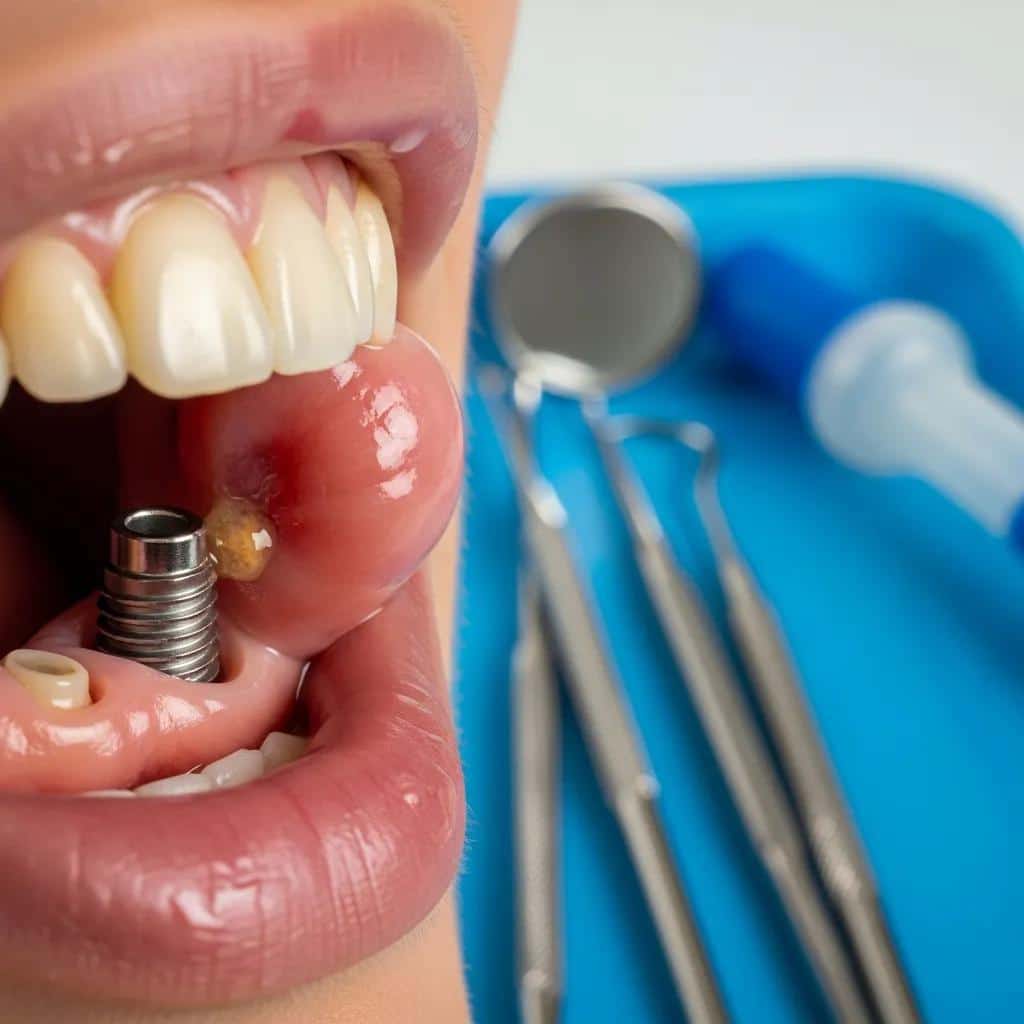
Swelling and Redness : Red, swollen gums or discharge near the implant could mean peri-implantitis or another infection needing prompt care.
How Does Persistent Pain Indicate Implant Problems?
Pain after implant surgery is normal at first, but pain that continues or gets worse after the typical healing window (often 3–6 months) should be checked. Pain that intensifies with pressure, eating, or when the area is touched can point to infection, inflammation, or failing osseointegration. If you have ongoing pain, consult a dentist for an exam.
What Does a Loose or Mobile Dental Implant Signify?
A stable implant should feel solid. If the implant or the crown wiggles or shifts, it could mean the implant never fully bonded with the bone, there’s bone loss, or there’s mechanical damage. Don’t delay — make an appointment so your dentist can assess stability and recommend next steps.
How Do Swelling, Redness, and Infection Signal Implant Issues?
Swelling, redness, bleeding, or pus around an implant almost always points to inflammation or infection. Left untreated, these problems can damage bone and soft tissue and increase the chance the implant will fail.
What Are the Symptoms of Peri-implantitis and Infection?
Peri-implantitis is a gum and bone infection around an implant. Common signs include red, swollen gums, bleeding, bad taste or breath, and sometimes pus. Radiographs (X-rays) may show bone loss around the implant. If you see these symptoms, seek dental care quickly to limit damage.
Clinical guidelines emphasize careful diagnostic checks to confirm peri-implantitis and guide treatment.
Guidelines for Peri-Implantitis Diagnosis
A systematic review summarized diagnostic measures dentists use to identify peri-implantitis and proposed clearer guidelines to improve accuracy and treatment planning.
Diagnostic principles of peri-implantitis: a systematic review and guidelines for peri-implantitis diagnosis proposal, A Ramanauskaite, 2016
How to Recognize Gum Recession and Bone Loss Around Implants?
You may notice gums pulling back from the implant, exposing more of the post or crown margin. Dentists confirm bone loss with X-rays. Early detection gives the best chance to treat the area and stabilize the implant.
What Functional Problems Indicate Dental ImplantFailure?
Problems with chewing, speaking, or general comfort can also signal implant trouble and should prompt an exam.
Difficulty Chewing : Pain or instability while chewing may mean the implant isn’t supporting forces correctly.
Bad Taste or Numbness : A persistent bad taste, smell, or numbness near the implant can indicate infection or nerve irritation.
How Does Difficulty Chewing Reflect Implant Complications?
If eating becomes uncomfortable or you notice a change in how the implant meets opposing teeth, the restoration or implant position may be off, or there may be underlying infection or bone changes. Your dentist can check the bite, the implant fit, and surrounding tissue to find the cause.
What Other Symptoms Like Bad Taste or Numbness Should You Watch For?
A persistent bad taste, bad breath, or ongoing numbness could signal infection or nerve involvement. These signs deserve prompt evaluation so any infection can be treated and nerve issues assessed.
What Are the Common Causes Behind Dental Implant Failures?
Knowing what raises the risk of implant problems helps you prevent them and supports long-term success.
Poor Oral Hygiene : Not cleaning around implants lets bacteria build up and can lead to infection.
Smoking : Tobacco use hinders blood flow and healing, increasing failurerisk.
Medical Conditions : Conditions like uncontrolled diabetes or immune issues can interfere with healing and integration.
How Do Poor Oral Hygiene and Smoking Increase FailureRisk?
Regular brushing and cleaning around implants prevent plaque buildup and infection. Smoking slows healing and reduces the bone’s ability to integrate with the implant. If you smoke, talk with your dentist about quitting before and after implant treatment.
What Medical Conditions and Surgical Factors Contribute to Failure?
Health issues such as uncontrolled diabetes, low bone density, or autoimmune disorders can make healing slower or less predictable. Surgical factors — for example, poor implant positioning or inadequate bone — also matter. A full medical history and proper planning help lower these risks.
What Steps Should You Take If You Suspect Implant Failure?
If something about your implant doesn’t feel right, act quickly. Early evaluation gives the best chance for a conservative fix.
Follow Recommended Care : Follow any treatment plan, medications, or home-care steps your dentist prescribes.
Consider a Free Dental Implant Consultation : Many practices, including Affordable Dentist Near Me , offer free consultations to review implant health and options.
When Should You Contact a Dentist for Implant Concerns?
Contact your dentist as soon as you notice warning signs like persistent pain, looseness, swelling, or unexpected numbness. Early checks often mean simpler treatment and a better outcome.
How Does a Free Dental Implant Consultation Help Diagnose Issues?
A free consultation typically includes a clinical exam, a discussion of your symptoms and history, and any recommended X-rays or imaging. From there, your dentist will explain treatment choices and next steps so you can make an informed decision.
How Can You Prevent Dental ImplantFailure and Maintain Implant Health?
Most implant problems are preventable with good home care and regular dental visits. Below are practical steps to protect your investment and your oral health.
Maintain Good Oral Hygiene : Brush and floss carefully around implants and restorations to prevent plaque and infection.
Schedule Regular Check-ups : Routine dental visits let your provider catch issues early and monitor bone and gum health.
Make Lifestyle Changes : Avoid smoking and eat a balanced diet to support healing and long-term oral health.
What Are Best Practices for Oral Hygiene and Regular Check-ups?
Good home care includes brushing twice daily with fluoride toothpaste, daily interdental cleaning (floss or interdental brushes) around the implant, and using an antimicrobial rinse if recommended. See your dentist at least twice a year, or more often if advised.
How Do Lifestyle Changes Support Long-Term Implant Success?
Quitting smoking, managing chronic conditions, and eating nutrient-rich foods help your body heal and maintain bonehealth. These choices improve the odds that your implant will last for many years.
Cause of Failure
Description
Impact Level
Poor Oral Hygiene
Inadequate care leading to infection
High
Smoking
Impedes healing and integration
High
Medical Conditions
Affects healing and increases risk
Medium
In short, recognizing the warning signs of implant trouble and taking quick action makes a big difference. Watch for persistent pain, looseness, swelling, changes in chewing, or unusual taste or numbness — and contact your dentist promptly if any of these occur. With timely care and good home habits, many implant problems can be treated successfully.
Frequently Asked Questions
What should I do if I notice warning signs of dental implantfailure?
If you notice persistent pain, looseness, swelling, or any unusual feeling around your implant, contact your dentist right away. Early evaluation may include a clinical exam and X-rays, and quick treatment can prevent more serious damage. Book an appointment to go over your symptoms and next steps.
How long do dental implants typically last?
With proper care, dental implants can last many years — often 10 to 30 years or longer. Longevity depends on hygiene, overall health, lifestyle, and the quality of the implant and restoration. Regular dental visits and good home care improve long-term results.
Are there any specific foods to avoid after getting dental implants?
After implant surgery, avoid very hard, crunchy, or sticky foods that could stress the implant or surgical site. Stick to softer foods while healing, and follow your dentist’s personalized dietary advice during recovery.
Can dental implants fail years after placement?
Yes. Implants can fail years later due to bone loss, peri-implantitis, changes in health, or poor maintenance. Regular check-ups help catch late problems early so they can be managed before the implant is lost.
What is the role of bone density in dental implant success?
Good bone density is essential for implants to bond securely. If bone is insufficient, your dentist may recommend grafting or other measures before placing an implant. Discuss bonehealth with your provider to plan the best approach.
How can I tell if my dental implant is infected?
Signs of infection include persistent pain, red or swollen gums, bleeding, pus, bad taste or breath, and sometimes fever. If you suspect an infection, see your dentist quickly for diagnosis and treatment — early care limits damage and improves outcomes.
What are the financial implications of dental implantfailure?
Implant failure can be costly, since treatments may include removal, grafting, or replacement implants. Coverage varies by insurance. Preventive care and timely treatment help reduce the chance of expensive, extensive procedures later on.
Conclusion
Knowing the signs of dental implantfailure and acting quickly preserves your oral health and the life of your implant. Watch for persistent pain, mobility, swelling, or changes in chewing or sensation. If you suspect a problem, contact a dental professional for evaluation and personalized care.