How to Know If You Need a Root Canal: Signs, Symptoms, and Treatment Guidance
Understanding whether you need a root canal can be a daunting task, especially when faced with dental discomfort. This article aims to clarify the signs and symptoms that indicate a potential need for this common dental procedure. A root canal is essential for preserving your tooth’s health and preventing further complications. Many individuals experience confusion regarding the symptoms that necessitate this treatment, leading to delays in seeking care. By the end of this guide, you will be equipped with the knowledge to identify the signs of a root canal requirement, understand the procedure, and learn about the associated costs and care options. We will explore common signs, symptoms of infection, causes, the procedure itself, and post-treatment care.
What Are the Common Signs You Need a Root Canal?
Identifying the signs that indicate a need for a root canal is crucial for timely intervention. Common symptoms include persistent tooth pain, sensitivity to temperature changes, swollen gums, and sometimes tooth discoloration. Recognizing these signs early can help prevent further damage to your tooth and surrounding tissues.
How Does Persistent Tooth Pain Indicate Root Canal Need?
Persistent tooth pain is often a primary indicator that a root canal may be necessary. This pain can manifest in various forms, such as sharp, throbbing, or constant discomfort. It typically arises from inflammation or infection in the dental pulp, which houses nerves and blood vessels. If you experience pain that worsens when chewing or applying pressure, it is essential to seek dental advice promptly. Ignoring this symptom can lead to more severe complications, including abscess formation.
Understanding the intricate nature of dental pulp and its response to various insults is key to recognizing the underlying causes of persistent pain.
Dental Pulp Pathology: Clinical Signs & Etiology
Dental pulp is a specialized connective tissue located within the rigid confines of the dentin–enamel complex, responsible for vascular, neural, immune, and formative functions essential to tooth vitality. Pathological alterations in the pulp arise from a combination of microbial, mechanical, chemical, and thermal insults that induce a cascade of inflammatory, vascular, and neurogenic responses. This article provides a comprehensive overview of the clinical presentation, etiological determinants, and underlying pathophysiological mechanisms associated with pulp disease.
PATHOPHYSIOLOGY OF DENTAL PULP: CLINICAL FEATURES, ETIOLOGY AND PATHOGENESIS, 2025
What Does Sensitivity to Hot and Cold Reveal About Tooth Health?
Sensitivity to hot and cold temperatures can also signal underlying dental issues that may require a root canal. This sensitivity occurs when the dental pulp is inflamed or damaged, causing discomfort when exposed to temperature extremes. If you notice that your tooth reacts painfully to hot beverages or cold foods, it may indicate that the pulp is compromised. This symptom should not be overlooked, as it often precedes more severe pain and infection.
Which Symptoms Signal a Root Canal Infection?
In addition to pain and sensitivity, several other symptoms can indicate a root canal infection. These include swollen gums, dental abscesses, and tooth discoloration. Recognizing these signs can help you take action before the situation worsens.
How Do Swollen Gums and Dental Abscesses Relate to Root Canal Issues?
Swollen gums and the presence of dental abscesses are significant indicators of infection that may necessitate a root canal. An abscess forms when bacteria invade the pulp, leading to pus accumulation and inflammation. This condition can cause swelling, tenderness, and sometimes fever. If you notice swelling around your tooth or a pimple-like bump on your gums, it is crucial to seek dental care immediately to prevent further complications.
What Does Tooth Discoloration Tell You About Pulp Damage?
Tooth discoloration can also be a sign of pulp damage, often indicating that a root canal may be needed. When the pulp becomes infected or dies, it can cause the tooth to darken or change color. This discoloration is often a result of blood flow disruption within the tooth. If you observe any changes in your tooth’s color, it is essential to consult a dentist for evaluation and potential treatment.
What Are the Main Causes Leading to Root Canal Treatment?
Several factors can lead to the necessity of a root canal. The most common causes include deep cavities, dental trauma, and repeated dental procedures. Understanding these causes can help you take preventive measures to maintain your dental health.
How Do Deep Cavities and Tooth Decay Cause Root Canal Necessity?
Deep cavities and untreated tooth decay are primary contributors to the need for root canal treatment. When decay penetrates the enamel and reaches the pulp, it can cause inflammation and infection. Regular dental check-ups and prompt treatment of cavities can help prevent this progression. If you have a history of cavities, it is essential to maintain good oral hygiene and visit your dentist regularly.
Can Dental Trauma or Repeated Procedures Trigger Root Canal Needs?
Dental trauma, such as a fracture or severe impact, can also necessitate a root canal. Additionally, repeated dental procedures on the same tooth can weaken the pulp and increase the risk of infection. If you have experienced trauma to your teeth or have undergone multiple treatments, it is vital to monitor your dental health closely and consult your dentist if any concerning symptoms arise.
How Is a Root Canal Procedure Performed?
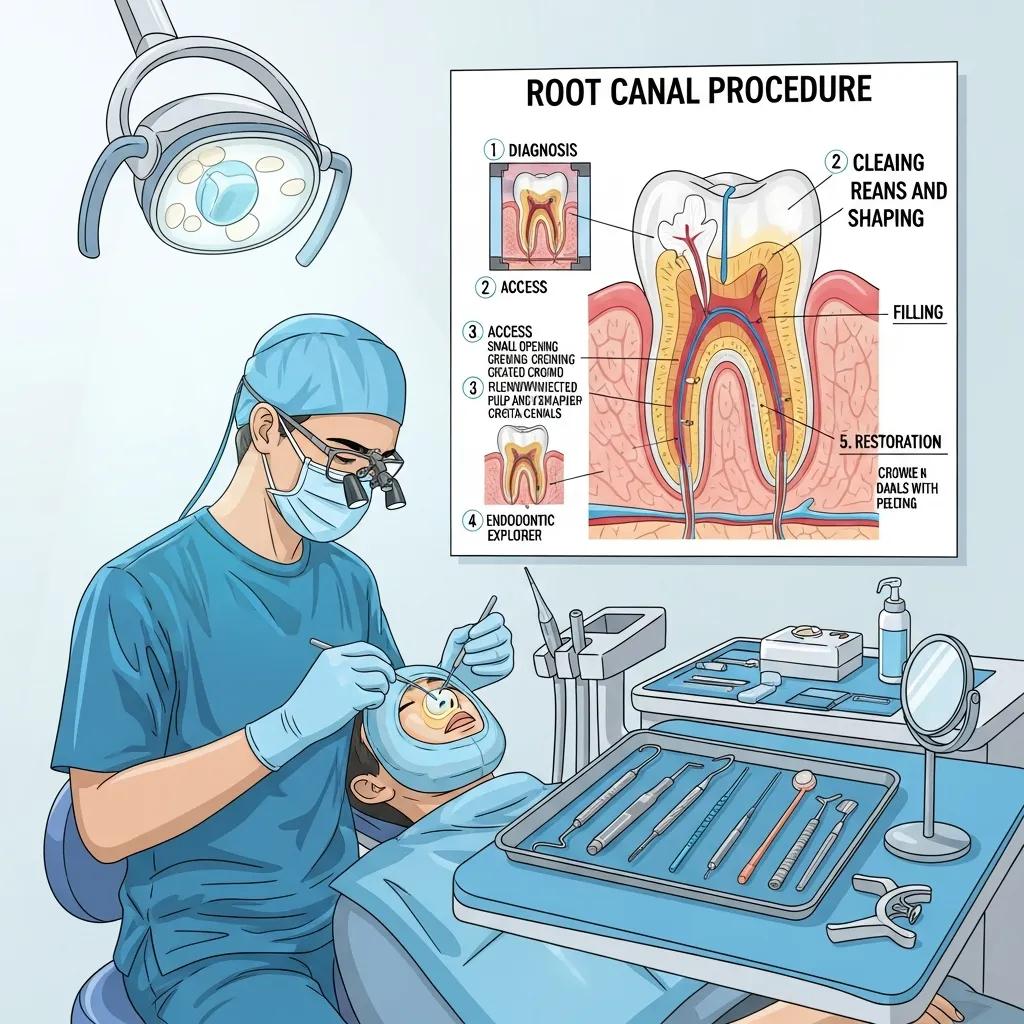
Understanding the root canal procedure can alleviate anxiety associated with the treatment. The process typically involves several stages, including diagnosis, cleaning, and sealing the tooth.
What Are the Step-by-Step Stages of Root Canal Therapy?
Diagnosis: The dentist will take X-rays to assess the extent of the infection and determine the best course of action.
Anesthesia: Local anesthesia is administered to ensure comfort during the procedure.
Access Opening: The dentist creates an opening in the crown of the tooth to access the pulp chamber.
Cleaning and Shaping: The infected pulp is removed, and the root canals are cleaned and shaped for filling.
Filling: The canals are filled with a biocompatible material, usually gutta-percha, to seal them and prevent future infection.
Restoration: A crown or filling is placed on the tooth to restore its function and appearance.
Which Comfort and Sedation Options Are Available During Treatment?
During a root canal, various comfort and sedation options are available to ensure a pain-free experience. Dentists may offer local anesthesia, nitrous oxide (laughing gas), or oral sedation, depending on the patient’s needs and anxiety levels. Discussing these options with your dentist can help you choose the best approach for your comfort during the procedure.
What Are the Benefits of Undergoing Root Canal Therapy?
Root canal therapy offers several benefits, including the preservation of your natural tooth, pain relief, and the prevention of further infection. Understanding these advantages can help you appreciate the importance of timely treatment.
How Does Root Canal Treatment Preserve Your Natural Tooth?
One of the primary benefits of root canal treatment is the preservation of your natural tooth. By removing the infected pulp and sealing the tooth, you can maintain its structure and function. This preservation is crucial for your overall dental health, as it prevents the need for extraction and the subsequent complications that can arise from tooth loss.
In What Ways Does It Eliminate Pain and Prevent Further Infection?
Root canal therapy effectively eliminates pain by removing the source of infection and inflammation within the tooth. This treatment not only alleviates discomfort but also prevents the spread of infection to surrounding teeth and tissues. By addressing the issue promptly, you can avoid more extensive dental procedures in the future.
While root canal therapy is highly effective in alleviating discomfort, it’s important to understand the nuances of pain management before and after the procedure.
Preoperative Pain & Root Canal Treatment Efficacy
Patients typically associate dental care with pain. Pain has both physiological and psychological components. Endodontic post-treatment pain continues to be a significant problem facing the dental profession. For those patients presenting with preoperative pain, it has been reported that up to 80% of this population will continue to report pain after endodontic treatment. Many studies have demonstrated that endodontic treatment is efficacious in reducing post-treatment pain. Despite the fact that the pain relief afforded by endodontic treatment is effective, it is rarely immediate and complete. Therefore, it is evident that post-treatment analgesic intervention is required in a variable percentage of endodontic cases.
Pharmacological strategies to control post-operative endodontic pain, A Farhad, 2008
How Much Does a Root Canal Cost in Dallas and What Financing Options Exist?
Understanding the cost of a root canal and available financing options is essential for planning your dental care. The average cost can vary based on several factors, including the tooth’s location and the complexity of the procedure.
What Is the Average Price Range for Root Canal Treatment in Dallas?
In Dallas, the average price range for root canal treatment typically falls between $700 and $1,500, depending on the tooth type and the extent of the infection. Anterior teeth generally cost less than molars due to their complexity. It is advisable to consult with your dentist for a precise estimate based on your specific situation.
Which Insurance and Payment Plans Can Help Afford Root Canal Care?
Many dental insurance plans cover a portion of root canal treatment, making it more affordable for patients. Additionally, various payment plans and financing options are available to help manage out-of-pocket costs. Discussing these options with your dental office can provide clarity on how to best afford your treatment.
How Should You Care for Your Tooth After a Root Canal?
Post-procedure care is crucial for ensuring a successful recovery after a root canal. Proper care can help minimize discomfort and promote healing.
What Are the Key Post-Procedure Recovery Steps and Pain Management Tips?
Rest: Allow your body to heal by taking it easy for the first day or two.
Pain Management: Over-the-counter pain relievers such as ibuprofen or acetaminophen can help manage discomfort.
Diet: Stick to soft foods for the first few days to avoid putting pressure on the treated tooth.
Why Are Follow-Up Appointments and Oral Hygiene Important After Treatment?
Follow-up appointments are vital for monitoring the healing process and ensuring that the infection has been fully resolved. Maintaining good oral hygiene is equally important, as it helps prevent future dental issues. Regular brushing, flossing, and dental check-ups can contribute to long-term dental health.
What Are Frequently Asked Questions About Root Canal Treatment?
Many patients have questions regarding root canal treatment, including its necessity and potential alternatives. Addressing these concerns can help alleviate anxiety and promote informed decision-making.
Can a Root Canal Be Avoided and How to Recognize Early Warning Signs?
While some cases may be preventable through good oral hygiene and regular dental visits, others may require a root canal due to unavoidable factors like trauma or decay. Recognizing early warning signs, such as persistent pain or sensitivity, can help you seek timely treatment and potentially avoid more extensive procedures.
How to Distinguish Root Canal Pain from Other Dental Issues?
Differentiating root canal pain from other dental issues can be challenging. Root canal pain is often characterized by a deep, throbbing sensation that worsens with pressure or chewing. In contrast, pain from other dental issues, such as gum disease or cavities, may present differently. If you are unsure about your symptoms, it is best to consult a dentist for an accurate diagnosis.