Understanding the Basics of Dental Implants
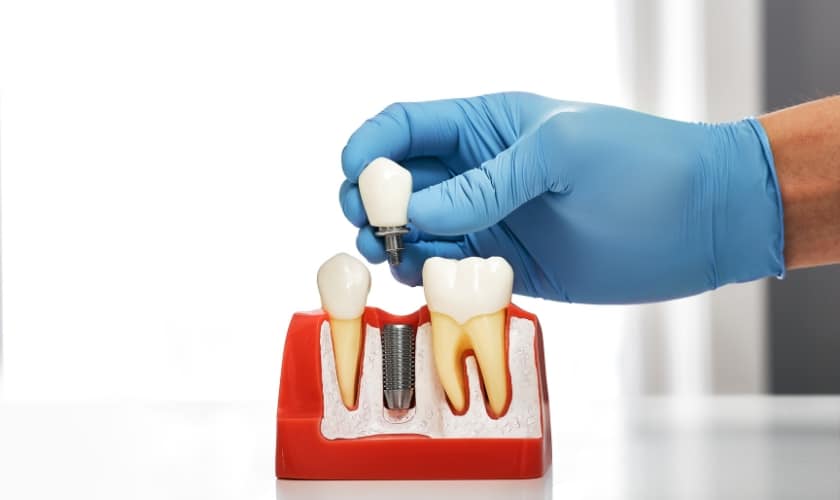
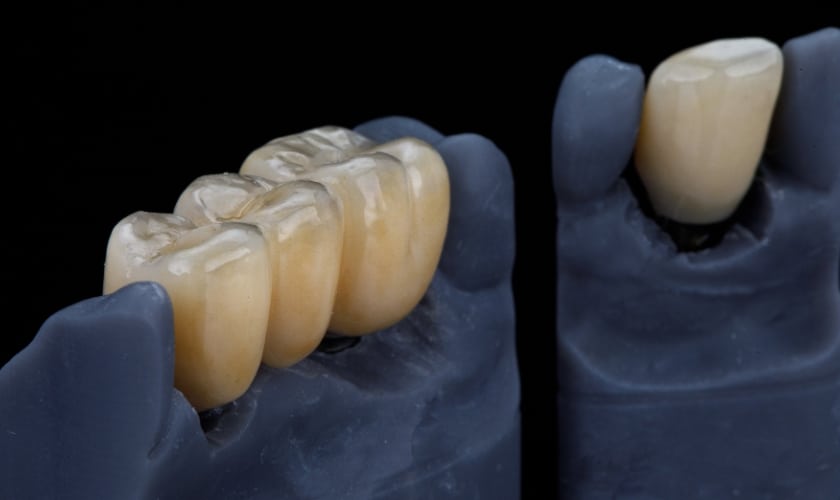
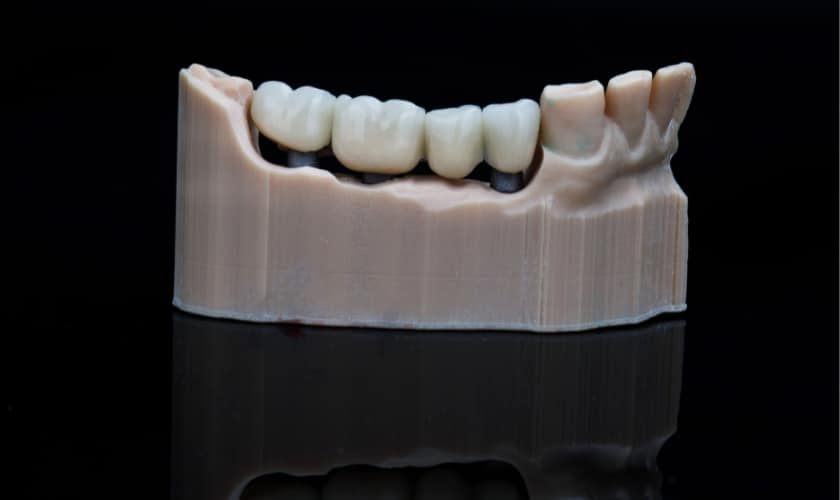
Dental implants represent a modern solution in restorative dentistry, designed to replace missing teeth. Unlike traditional dentures or bridges, implants are anchored directly into the jawbone, offering a stable base that mimics natural tooth roots. This integration not only enhances the strength and durability of the restoration but also contributes to the preservation of bone structure, preventing the deterioration that often accompanies tooth loss.
The process of obtaining dental implants involves multiple steps, beginning with a thorough evaluation by a dental professional. This assessment is crucial for determining a patient's suitability for implants, as certain medical conditions or lifestyle factors can impact the success of the procedure. By understanding the fundamentals of dental implants, individuals can make informed decisions about their oral health and explore their options for achieving a functional and aesthetic smile.
Preparing for Your Dental Appointment
Preparation for a dental appointment goes beyond simply arriving on time; it involves being mentally and physically ready for various procedures. Patients should compile a list of any medications they are currently taking, as well as any allergies they might have. This information is essential for the dental team to ensure safe and effective care tailored to the individual's needs.
Additionally, understanding what to expect during the appointment can alleviate anxiety. Whether attending for a routine checkup or a more complex procedure, patients should feel comfortable asking questions. Clear communication with the dental provider not only fosters trust but also helps set and manage expectations for treatment outcomes.
Importance of Regular Dental Check-ups
Regular dental check-ups are paramount in maintaining optimal oral health and identifying potential problems before they escalate. These visits provide an opportunity for professional cleanings, which remove plaque and tartar that at-home care may miss. Moreover, during these examinations, dentists can spot early signs of cavities, gum disease, or oral cancer, allowing for timely intervention.
Post-Treatment Care for Dental Procedures
Post-treatment care is essential for successful recovery after any dental procedure. Following a dental appointment, especially after surgeries like extractions or root canals, patients should adhere to specific aftercare instructions provided by their dentist to minimize discomfort and promote healing. This may include recommendations for pain management, diet modifications, and oral hygiene practices that need to be adjusted temporarily.
Moreover, being attentive to your body’s signals during the recovery phase is critical. Any unusual swelling, persistent pain, or bleeding warrants immediate contact with the dental office, as these could be signs of complications. By prioritizing post-treatment care, patients can ensure a smoother recovery and enhance the effectiveness of their dental procedures.
Understanding the Role of Oral Health in Overall Well-being
Oral health plays a crucial role in overall well-being, highlighting the interconnection between dental hygiene and systemic health. Poor oral health has been linked to various medical conditions, including cardiovascular disease, diabetes, and respiratory issues. By maintaining good oral hygiene practices and seeking regular dental care, individuals can not only protect their teeth and gums but also contribute positively to their overall health picture.
Investing time in oral health not only prevents issues such as cavities and gum disease but also enhances quality of life through improved digestion and nutrient absorption. Additional benefits include better self-esteem and increased social interactions, as a healthy smile is often associated with confidence. Understanding this relationship can motivate individuals to prioritize dental care as an integral part of their holistic health strategy.