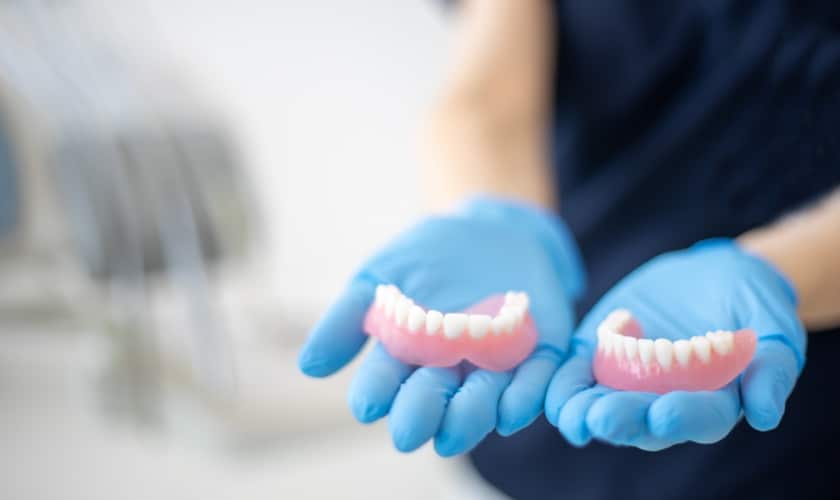
Understanding Dental Crowns: Types and Benefits
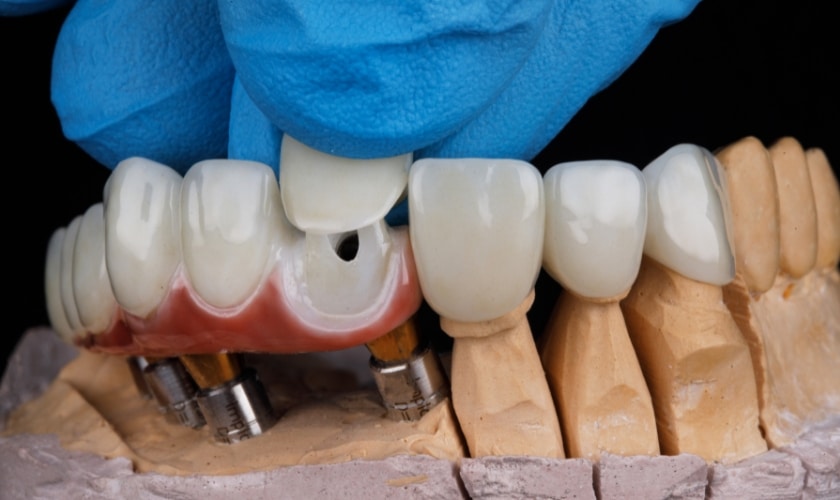
Dental crowns serve as an essential solution for various dental issues, ranging from restoring damaged teeth to providing support for bridges. They can be made from different materials, including porcelain, metal, or a combination, allowing for customization based on patient needs and preferences. Beyond aesthetic appeal, dental crowns help protect the natural tooth structure, making them an excellent option for those facing significant tooth decay or fractures.
Additionally, crowns can enhance the strength and durability of a tooth that has undergone root canal therapy. Their long-lasting nature makes them a preferred choice among dental professionals and patients alike. By understanding the different types of crowns and their respective benefits, patients can make informed decisions about their dental health and treatment options.
What to Expect During Your First Visit to the Dentist
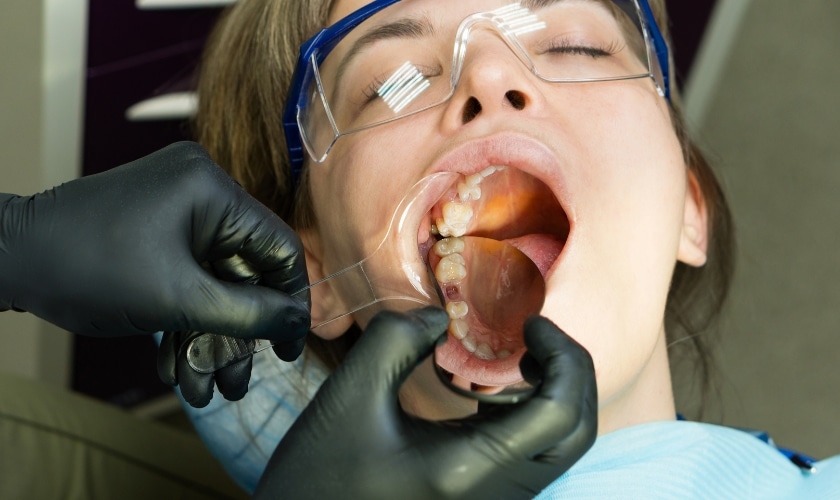
Visiting the dentist for the first time can be both exciting and nerve-wracking. Patients can expect a comprehensive examination which typically includes an oral check-up, X-rays if necessary, and discussions about dental history and health concerns. This initial visit is fundamental in establishing a baseline for future dental care and in identifying any potential issues that may need attention.
Furthermore, the first visit is an opportunity for patients to discuss preventive measures, treatment options, and create a personalized plan that fits their dental goals. Dentists often take this time to educate patients on proper oral hygiene techniques and the importance of regular check-ups, helping to foster a positive relationship between patients and their dental care.
The Importance of Regular Dental Check-ups
Regular dental check-ups are crucial for maintaining oral health and preventing potential issues from escalating. These visits allow dental professionals to monitor the condition of teeth and gums, facilitating early detection of conditions such as cavities, gum disease, or other abnormalities. Consistent care not only ensures that any problems are addressed promptly but also promotes overall health by mitigating risks associated with poor oral hygiene.
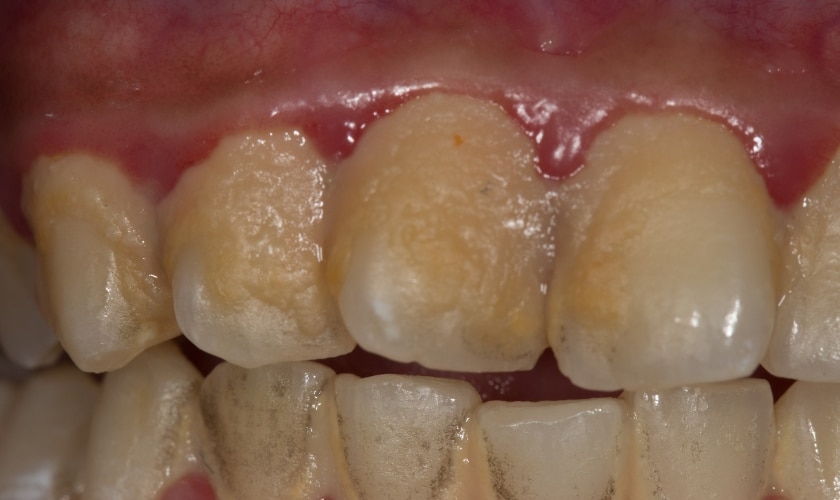
During these appointments, dentists can also provide professional cleanings, expertly removing plaque and tartar buildup that regular brushing and flossing might miss. These cleanings are vital in preventing cavities and gum disease, ultimately leading to healthier teeth and a more confident smile. By prioritizing regular check-ups, patients empower themselves with the knowledge and tools necessary for maintaining optimal oral hygiene throughout their lives.
Exploring Cosmetic Dentistry: Enhancements for a Brighter Smile
Cosmetic dentistry offers a range of procedures aimed at improving the appearance of teeth, gums, and smiles. From teeth whitening to veneers and bonding, these treatments can effectively address imperfections such as discoloration, gaps, or irregular shapes. Many individuals pursue cosmetic dentistry not only for aesthetic reasons but also to enhance their self-esteem and overall quality of life.
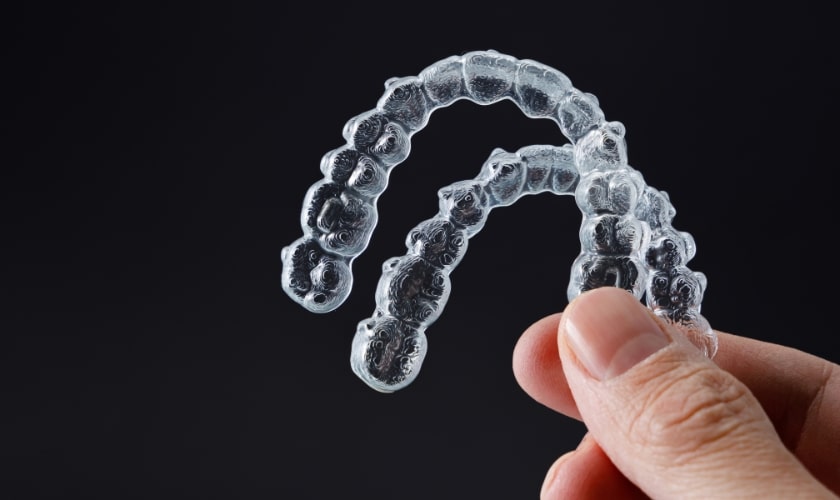
Aside from the visual enhancements, cosmetic dentistry can also contribute to better oral health. For instance, aligning teeth through orthodontic treatment can lead to easier cleaning routines, lowering the risk of cavities and gum disease. By exploring the options available in cosmetic dentistry, patients can achieve not just a beautiful smile, but also a healthy and confident one.