The Importance of Preventive Dental Care
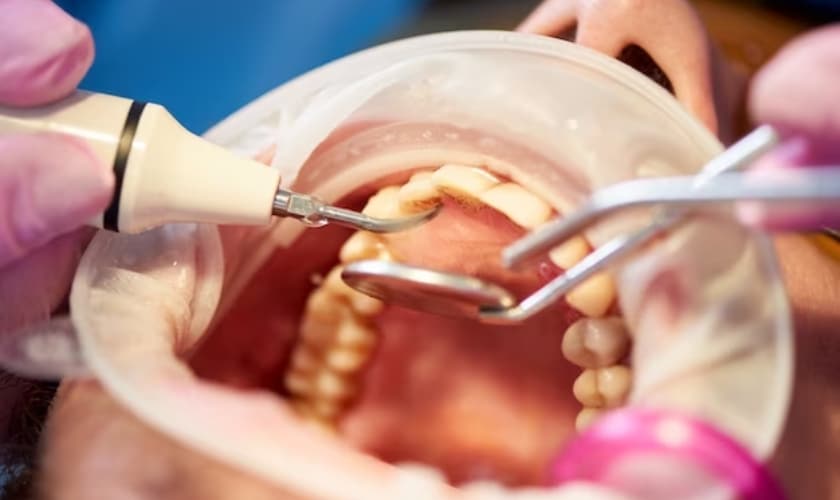
Preventive dental care is essential for maintaining a healthy smile and minimizing the need for invasive procedures. Regular check-ups and cleanings allow dentists to identify potential issues early, such as cavities and gum disease, which can lead to more serious health concerns if left untreated. Additionally, preventive care equips patients with the knowledge and tools needed to adopt effective oral hygiene practices at home, ultimately leading to better long-term outcomes.
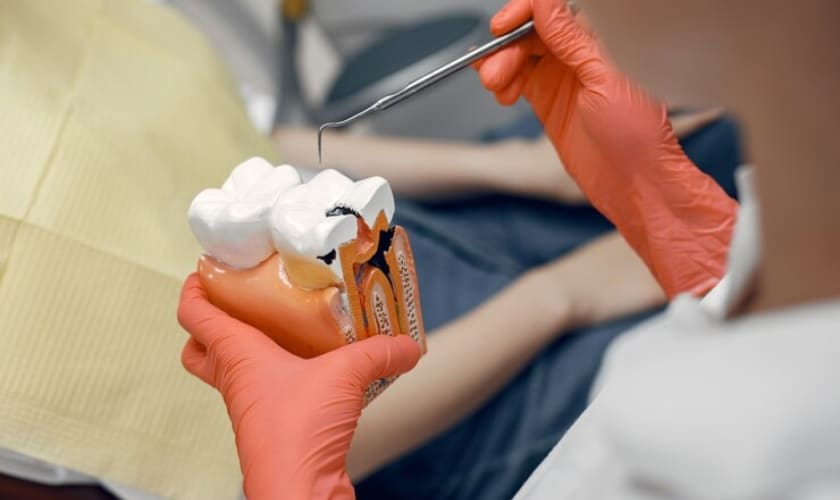
Investing in preventive dental care can save patients time and money in the long run. By addressing dental problems before they escalate, individuals can avoid costly treatments like root canals or tooth extractions. Moreover, a proactive approach to dental health can significantly enhance one's overall quality of life by boosting self-esteem and comfort while smiling, eating, and speaking.
Understanding Tooth Sensitivity
Tooth sensitivity is a common condition that many individuals experience, often manifesting as sharp pain or discomfort when consuming hot, cold, or sweet foods and beverages. This sensitivity can result from various factors, including enamel erosion, gum recession, and even teeth grinding. Awareness of the underlying causes of tooth sensitivity is crucial for individuals seeking relief and proper management strategies.
Addressing tooth sensitivity often involves a multifaceted approach. Dentists may recommend desensitizing toothpaste, fluoride treatments, or dental sealants to help reduce discomfort. For those with more severe sensitivity, additional interventions, such as gum grafts or restorative treatments, may be necessary to protect the exposed areas of the teeth and restore comfort.
The Role of Nutrition in Oral Health
Nutrition plays a pivotal role in maintaining optimal oral health and preventing dental issues. Foods rich in vitamins and minerals, such as calcium and vitamin D, are essential for strengthening teeth and bones. Additionally, a diet high in antioxidants from fruits and vegetables can help fight inflammation and reduce the risk of gum disease, emphasizing the integral connection between nutrition and oral health.
Conversely, a diet high in sugar and acid can significantly harm teeth, leading to cavities and enamel erosion. It is vital for individuals to be mindful of their food choices, opting for healthier snacks and meals that support dental wellness. Incorporating foods that promote saliva production, like crunchy vegetables, can also buffer acids in the mouth, further protecting against oral health problems.
Common Misconceptions About Oral Health
Many people hold misconceptions about oral health that can lead to poor hygiene practices and greater dental issues. A prevalent myth is that brushing harder will result in cleaner teeth; however, this can actually damage gums and enamel, exacerbating the problem. Additionally, some individuals mistakenly believe that if their teeth do not hurt, they do not need to see a dentist, which can overlook silent issues such as cavities or gum disease.
Education plays a crucial role in dispelling these myths. By raising awareness of proper oral hygiene techniques and the importance of regular dental visits, individuals can take proactive steps toward maintaining their oral health. Understanding the truth behind these misconceptions can empower patients to make informed decisions and adopt better habits that promote long-lasting dental wellness.
Exploring Alternatives to Traditional Braces
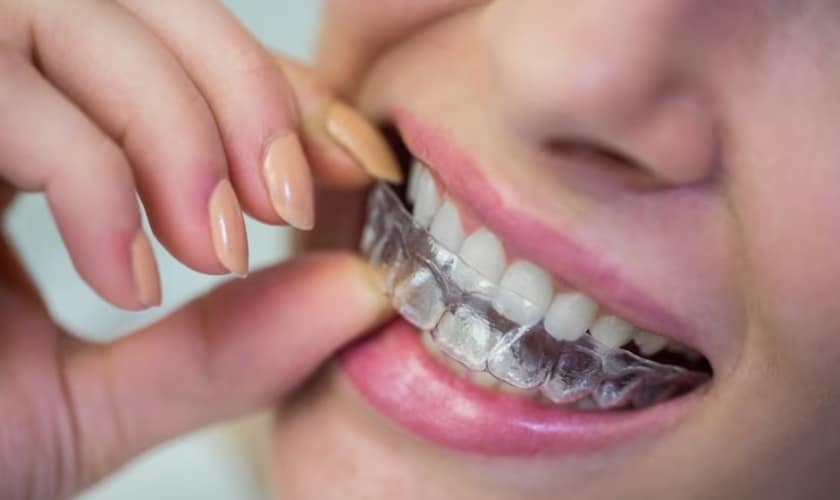
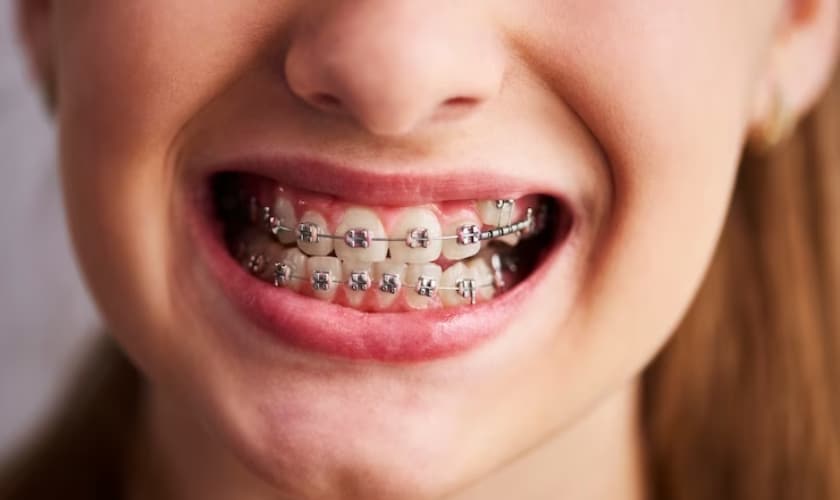
Although traditional braces have been the go-to solution for achieving a straighter smile for decades, advancements in dental technology have introduced a variety of alternatives. Clear aligners, such as Invisalign, provide a discreet and comfortable option for orthodontic treatment. They are removable, allowing individuals to maintain better oral hygiene and enjoy their favorite foods without restriction.
In addition to clear aligners, there are also options like lingual braces that are placed behind the teeth, making them invisible from the front. Each alternative comes with its benefits and considerations, making it essential for patients to consult with their orthodontist to determine the most suitable option based on their unique needs. Understanding these alternatives can help individuals make informed decisions about their orthodontic care, leading to improved satisfaction with their treatment outcomes.