Dental Implants vs. Bridges: A Detailed Cost Comparison for Your Smile to Help You Choose the Best Tooth Replacement
Missing teeth raise urgent practical and emotional questions: which replacement option gives you the most durable, comfortable, and cost-effective result for your smile? This article explains the differences between dental implants and dental bridges, focusing on the financial comparison and long-term value specifically for patients in Tyler, TX. You will learn what each restoration is, how each works biologically and mechanically, the primary cost drivers, and how to evaluate insurance and financing so you can make a decision that fits your health and budget. The guide also models maintenance and replacement expectations over multi-decade timeframes and offers a practical decision checklist that ties clinical factors to personal priorities. Finally, local considerations for Tyler — including typical procedural complexity, financing acceptance, and where to get a free implant consult — are covered so you can act on next steps with confidence.
What Are Dental Implants and How Do They Restore Your Smile?
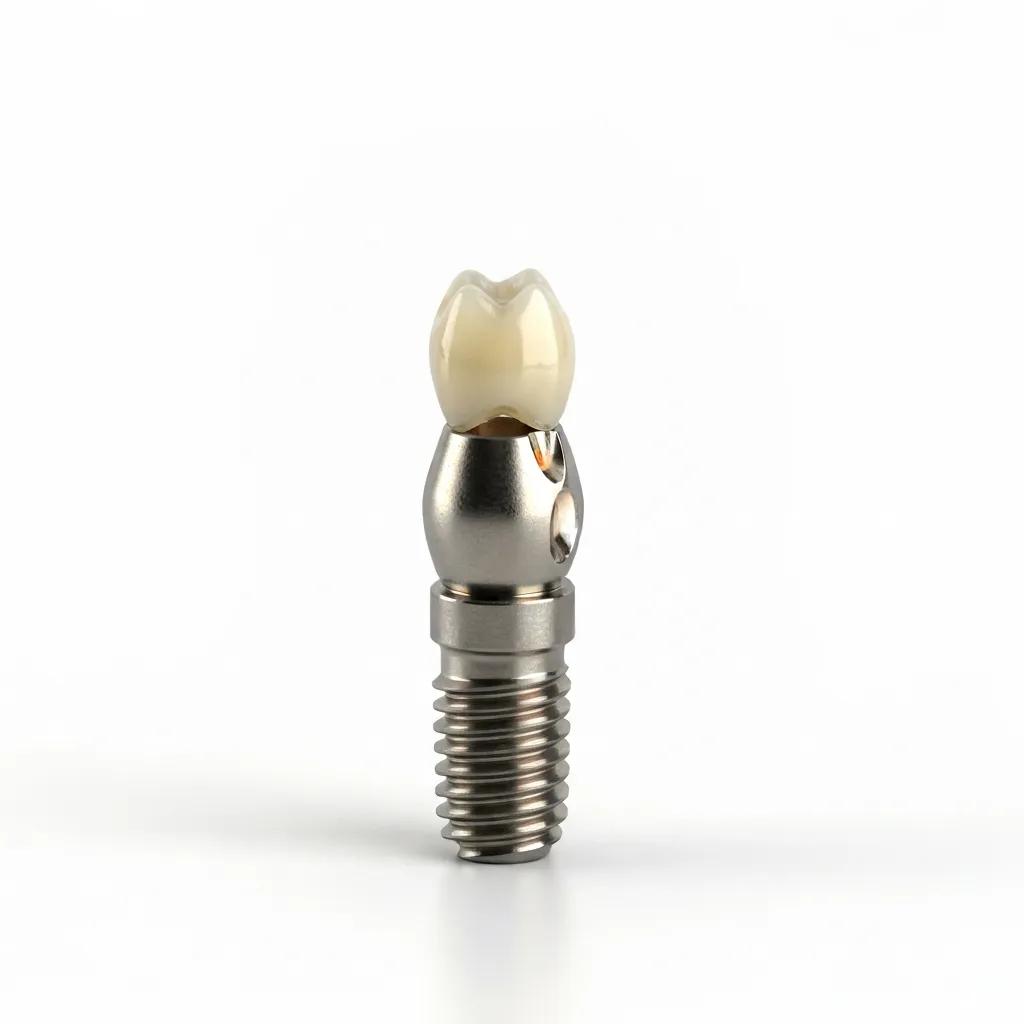
A dental implant is a prosthetic system that replaces a missing tooth by anchoring a titanium or zirconia post in the jawbone, then attaching an abutment and a custom crown to restore chewing function and appearance. This approach works by osseointegration, where the implant fixture forms a stable, long-term bond with bone and transmits chewing forces in a way that preserves jaw structure. Implant treatment benefits include superior stability, preservation of adjacent teeth, and long-term durability compared with many fixed prosthetics. Understanding the implant components and the clinical timeline clarifies why implants generally require a larger upfront investment but often reduce replacement cycles and downstream costs. The next sections describe the implant parts and the surgical-to-restorative timeline so you can see how each phase contributes to cost and outcomes.
What Components Make Up a Dental Implant?
A typical dental implant restoration includes three core components: the fixture (implant post), the abutment that connects the post to the visible restoration, and the crown that recreates the tooth’s chewing surface and shape. The fixture is commonly titanium or, in select cases, zirconia; titanium is biocompatible and widely used for osseointegration, while zirconia is an alternative when metal avoidance is desired. The abutment can be prefabricated or custom-milled; custom abutments improve gingival contour at additional lab cost. The crown material (porcelain-fused-to-metal, full ceramic, or zirconia) affects aesthetics and long-term wear, influencing lab fees and replacement considerations. Knowing these parts explains why implant pricing bundles surgical, prosthetic, and lab costs into a single treatment pathway.
How Do Dental Implants Work as a Permanent Tooth Replacement?
Implant treatment follows a sequential pathway: clinical evaluation and imaging, surgical placement of the implant fixture, a healing period for osseointegration, abutment placement, and final crown restoration. Osseointegration typically takes 3 to 6 months depending on bone quality and whether grafting was required, and successful integration creates a stable foundation that mimics natural tooth roots. Because the implant transfers occlusal forces through bone, dental implants help maintain jaw density and facial support over time, reducing long-term structural deterioration. Post-restorative care includes routine dental visits and standard hygiene; implants rarely require frequent prosthetic adjustments when properly placed. Understanding this timeline clarifies why implants can cost more up front yet offer extended functional life.
What Are Dental Bridges and How Do They Replace Missing Teeth?
A dental bridge replaces one or more missing teeth by creating a fixed prosthesis that spans the gap and anchors to adjacent natural teeth or implants, restoring chewing ability and tooth alignment without surgically placing a root-like fixture. Bridges function as fixed prosthetics: the pontic fills the empty space while abutment crowns on neighboring teeth provide support, and the restoration is cemented into place. The main advantages are shorter treatment timelines and potentially lower initial cost compared with implant placement, while the primary tradeoffs include preparation of adjacent teeth and the possibility of future replacement. To evaluate a bridge properly you need to consider types of bridges available, the condition of neighboring teeth, and maintenance needs; the next two subsections unpack common bridge types and their component parts.
What Types of Dental Bridges Are Available in Tyler, TX?
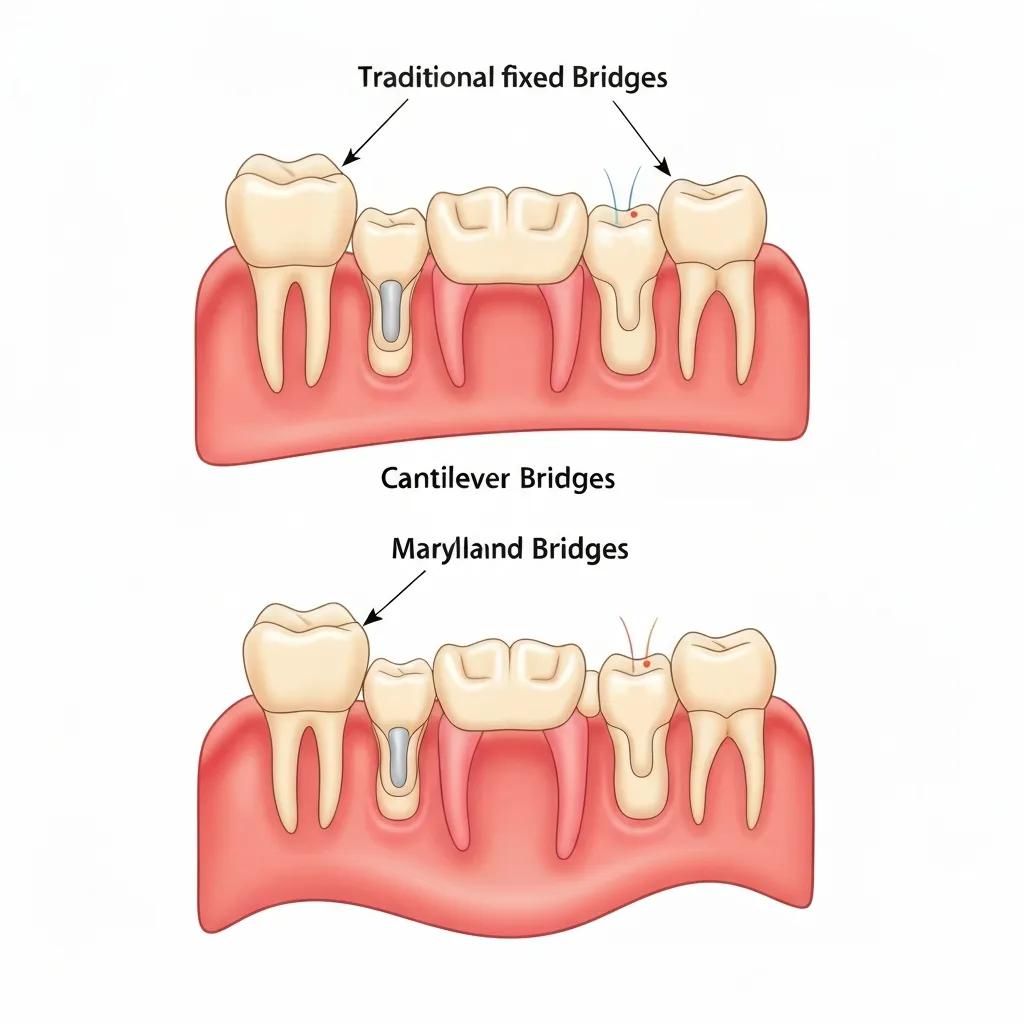
Several bridge designs are commonly used depending on clinical needs: traditional fixed bridges (crowns on both adjacent teeth), cantilever bridges (anchored to one adjacent tooth), Maryland or resin-bonded bridges (conservative metal or ceramic wings bonded to enamel), and implant-supported bridges when implants are available as anchors. Each type serves different indications: traditional bridges suit strong adjacent teeth, cantilevers may be used in limited spaces, Maryland bridges preserve more tooth structure but have retention limitations, and implant-supported bridges combine implant longevity with multi-unit replacement. Material options range from metal-ceramic to full-ceramic solutions; aesthetic zones often prioritize ceramic for natural appearance. Choosing a bridge type involves balancing conservation of tooth structure, expected longevity, and aesthetic expectations.
How Do Dental Bridges Function and What Are Their Key Components?
A bridge is composed of abutment crowns on adjacent teeth and one or more pontics that replace the missing tooth surfaces; preparation involves reducing tooth structure of abutment teeth to accept crowns. The pontic restores contact, contour, and chewing surface, but because the support depends on natural teeth, bridges transfer occlusal forces through those abutments which can accelerate wear or decay at those sites over time. Maintenance centers on proper hygiene around the pontic and abutments, including flossing under the pontic and monitoring margins for decay. Bridges typically require replacement or major restorative attention within a measurable lifespan, influenced by hygiene, occlusion, and material. Understanding these mechanics clarifies how bridge choice impacts both immediate cost and future dental health.
How Do the Costs of Dental Implants Compare to Dental Bridges in Tyler, TX?
In brief: dental implants typically carry a higher initial procedural cost but deliver a longer functional lifespan and lower long-term replacement frequency, while bridges generally require less upfront investment but more maintenance and periodic replacement. When comparing total cost of ownership over 10–30 years, implants often become more cost-effective because they avoid repeated bridge replacement and preserve adjacent tooth structure. Non-monetary costs such as surgical recovery time and additional procedures (bone grafting, extractions) also influence patient decisions. The table below summarizes key financial and maintenance contrasts in an easily scannable format to help capture the immediate cost comparison and long-term value.
This table compares upfront investment, expected lifespan, maintenance needs, and likely replacement cadence for implants versus bridges in a Tyler context.
Restoration Option
Initial Cost Profile
Expected Lifespan
Maintenance Frequency
Single-tooth implant
Higher initial investment (surgery + prosthetic)
20+ years with proper care
Routine dental visits; low prosthetic maintenance
Traditional bridge
Lower initial investment (tooth prep + crowns)
5–15 years depending on hygiene and occlusion
More frequent prosthetic checks; possible re-cementing or replacement
Implant-supported bridge
High initial investment (multiple implants + bridge)
20+ years for implants; prosthetic may need maintenance
This comparison demonstrates why implants often represent a longer-term value despite higher upfront cost: they deliver durable function and reduce replacement cycles, which affects cumulative spend.
What Is the Initial Cost Difference Between Implants and Bridges?
Initial cost differences stem from the scope of clinical work required: implants combine surgical placement of a biocompatible fixture, imaging, potential grafting, and a custom crown, while bridges focus on restorative preparation of existing teeth and laboratory-fabricated crowns. The implant pathway includes surgical facility and specialist time when needed, which elevates early fees even when implant parts themselves are efficient. Bridges avoid surgery but require altering healthy teeth, which can create downstream restorative needs that factor into lifetime cost. For many patients in Tyler, the decision revolves around whether they can prioritize a one-time surgical investment for long-term stability or prefer a lower-cost restorative option that may need future replacement.
What Are the Long-Term Costs and Maintenance Expenses for Each Option?
Long-term costs aggregate routine maintenance, repair risk, and eventual replacement cycles: implants generally require routine hygiene and occasional crown replacement but rarely necessitate structural redo if osseointegration succeeds; bridges are prone to abutment decay, margin failure, and wear that commonly lead to replacement within one to two decades. Modeling multi-decade scenarios (10/20/30 years) reveals that repeated bridge replacements or extensive abutment treatments can outpace the cumulative cost of an implant that functions over the same period. Non-monetary long-term costs include potential bone resorption with bridges and the need for additional reconstructive work if adjacent teeth fail. Considering both dollar and clinical maintenance pathways illuminates why long-term planning often favors implants for patients prioritizing permanence.
What Factors Influence the Cost of Dental Implants and Bridges?
Several variables determine final pricing and expected outcomes: material selections, number of teeth treated, procedure complexity, provider expertise, facility fees, and pre-operative needs such as bone grafting or extractions. Material choices (implant fixture alloy, abutment type, crown material) change laboratory and prosthetic expenses, while complexity scales with multiple-unit or full-arch treatment. Provider experience or prosthodontic specialization raises fees but often reduces complication risks and downstream repair costs. Geographic factors in Tyler influence market pricing relative to national averages, and add-on procedures for bone or sinus augmentation add to total cost and treatment timeline. These drivers interact to produce individualized price estimates that are best clarified during a clinical evaluation.
This list highlights the primary cost drivers that clinicians assess when preparing treatment plans.
Material selection and prosthetic choices that affect lab and component fees.
Surgical complexity and the number of implants or bridge units required.
Pre-operative procedures such as bone grafts, extractions, or sinus lifts.
Provider expertise, facility fees, and local market factors in Tyler.
Reviewing these drivers helps patients anticipate which aspects of their case most strongly affect cost; the following table breaks these factors into a structured EAV format for clarity.
Cost Factor
How It Affects Price
Typical Impact / Example
Materials (crown, abutment, fixture)
Higher-grade ceramics and custom abutments raise lab fees
Upgraded crown materials increase prosthetic cost
Procedure complexity
Multi-unit or full-arch procedures require more surgical time and lab work
More units scale surgical and lab charges
Additional surgeries (grafting, sinus lift)
Add separate surgical and material costs and extend timeline
Grafting adds both material and clinical fees
Provider & facility
Specialist involvement and facility-level fees increase total cost
Specialist surgery may be billed separately
How Do Materials and Procedure Complexity Affect Pricing?
Material choice affects durability and aesthetics: full-ceramic crowns provide superior aesthetics for front teeth at higher lab cost, while certain metal-ceramic combinations may be more economical for posterior load-bearing restorations. Procedure complexity—single-tooth implant versus full-arch reconstruction—scales surgical time, prosthetic laboratory work, and the need for specialist involvement, all of which increase fees proportionally. Complex cases requiring bone augmentation or staged surgeries involve additional visits and materials that are billed separately. Understanding these tiers helps patients prioritize where to allocate budget for aesthetic demands versus functional durability.
How Do Additional Procedures and Geographic Location Impact Cost?
Pre-operative procedures such as bone grafting, tooth extractions, or sinus lifts introduce separate surgical charges, graft material costs, and extended healing timelines that can increase the total treatment investment. Geographic location and local market demand influence provider fees; in Tyler, TX, patients typically see pricing influenced by local overhead and competitive clinic offerings, which can make financing options and insurance acceptance especially valuable. Specialist referrals for oral surgery or prosthodontics may add facility or consultant fees. Recognizing these add-ons clarifies why a full treatment estimate requires clinical imaging and consultation.
How Does Insurance Coverage and Financing Affect Your Choice Between Implants and Bridges?
Insurance behavior commonly influences the practical affordability of implants versus bridges: many dental policies are more likely to cover bridges as a reachable restorative option, while coverage for implants can be limited or classified as elective. Financing options and the clinic’s willingness to accept PPO plans and flexible payment arrangements directly affect out-of-pocket burden and the feasibility of choosing implants. Evaluating insurance benefits, understanding typical exclusions, and comparing financing terms are essential steps before committing to a treatment pathway. The following table summarizes payment options and what patients in Tyler can expect in terms of coverage likelihood and typical terms.
Payment Option
Typical Coverage / Terms
What Tyler Patients Can Expect
PPO dental insurance
Bridges more commonly covered; implants often limited or excluded
Expect partial coverage for crowns/bridge components; confirm implant benefits
Clinic financing plans
Deferred payments or monthly plans with varied terms
Many clinics accept flexible financing to spread cost
Out-of-pocket payment
Full control over materials and scheduling
Immediate payment may secure pricing and scheduling
CareCredit-type programs
Structured monthly payments, sometimes with promotional interest
Useful for spreading implant costs when accepted by provider
This table clarifies common payment pathways and how they affect the out-of-pocket reality for patients selecting between implants and bridges.
What Insurance Plans Typically Cover Dental Implants and Bridges?
Insurance policies vary, but historically insurers have been more willing to cover traditional restorative work like crowns and bridges while placing limitations on implant coverage, often citing implants as an optional or higher-tier benefit. Patients should request a benefits summary and ask specific questions about lifetime maximums, waiting periods, and any exclusions for implants. Bringing insurance information and questions to a clinical consultation helps the provider generate an accurate estimate of covered versus non-covered items. Verifying benefits in advance reduces surprises and positions patients to compare net costs across options.
After reviewing insurance options and typical financing avenues, many patients are ready to take a next step. Get Dental Patients to schedule a free consult. For local support in Tyler, Affordable Dentist Near Me of Tyler accepts most PPO insurance plans and offers flexible financing options to help patients evaluate both implants and bridges in a clear financial context.
What Affordable Payment Plans and Financing Options Are Available in Tyler?
Local clinics commonly present a mix of payment approaches: self-pay discounts for full upfront payment, monthly financing plans that spread cost over time, and acceptance of most PPO insurance plans which cover portions of restorative work. Clinic financing programs often include promotional interest-free periods or low-rate monthly plans depending on credit approval; patients should compare total interest and fees when selecting a plan. In Tyler, having financing and PPO acceptance increases access to implants for patients who otherwise would choose a bridge strictly for cost reasons. Scheduling a clinical consult allows a financial coordinator to build a patient-specific payment scenario and compare out-of-pocket amounts across treatment options.
What Are the Long-Term Benefits and Drawbacks of Dental Implants vs. Bridges?
Clinically and functionally, implants and bridges present distinct long-term profiles: implants preserve bone and protect adjacent teeth, while bridges may accelerate wear or decay on abutment teeth and do not prevent underlying bone resorption at the extraction site. Implants’ load transmission to bone promotes preservation of jaw structure, supporting facial aesthetics and dentition stability. Bridges provide quicker restoration of function but often require replacement cycles and ongoing vigilance for abutment decay. Assessing long-term benefits and drawbacks requires integrating oral health goals, restoration longevity, and willingness to accept surgical treatment.
How Do Implants Prevent Bone Loss and Support Oral Health?
Dental implants act like natural tooth roots by transmitting occlusal forces to the jawbone, which stimulates bone maintenance through normal functional loading; this process reduces resorption commonly seen after tooth loss. Osseointegration creates a stable interface that preserves alveolar ridge height and supports adjacent soft tissues, which is important for long-term restorative success and facial support. By avoiding the need to alter adjacent teeth, implants preserve natural tooth structure and reduce the risk of cascade restorative treatments on neighboring teeth. These oral-health mechanisms explain why implants are often recommended when long-term structural preservation is a priority.
What Are the Lifespan and Maintenance Considerations for Bridges?
Bridges generally last between approximately 5 and 15 years, with longevity dependent on oral hygiene, material choice, and occlusal forces; failure commonly arises from decay at abutments, cement failure, or wear. Maintenance includes meticulous hygiene around abutment margins and professional monitoring for early signs of decay or margin breakdown. When bridge failure occurs, replacement typically requires retreatment of abutment teeth and fabrication of a new prosthesis, which raises cumulative cost and risks. Patients who prefer to avoid surgical procedures must weigh the tradeoff of periodic replacement and potential damage to healthy teeth.
How Can You Decide Which Tooth Replacement Option Is Right for You?
Deciding between implants and bridges requires balancing medical, functional, aesthetic, and financial factors: bone quality and systemic health affect implant candidacy, while the condition of adjacent teeth influences bridge suitability. Timeline preferences, tolerance for surgery, and long-term budget planning also shape the optimal choice. A structured decision checklist helps align patient priorities with clinical realities and prepares patients for productive consultations. Below is a concise checklist that captures the core decision variables to help you evaluate your personal case.
This checklist summarizes the most important considerations to guide decision-making.
Evaluate bone quality and whether grafting is needed to support implants.
Assess adjacent teeth health — bridges require strong abutments.
Compare long-term budget projections versus up-front affordability.
Consider aesthetic goals and functional expectations for chewing and speech.
What Patient Factors Influence the Choice Between Implants and Bridges?
Critical patient-level variables include alveolar bone density, systemic health and healing capacity, smoking status, oral hygiene habits, and the presence of adjacent restorations. Patients with insufficient bone may require grafting, which adds procedures and cost but can enable implant therapy; conversely, patients with healthy adjacent teeth and limited finances may favor a bridge. Medical conditions that impair healing can shift the risk-benefit balance away from surgery, making bridges a more predictable option. Lifestyle considerations — such as desire for permanence versus a quicker, less invasive timeline — strongly influence which pathway suits a patient’s priorities.
Why Is a Professional Consultation Essential Before Making a Decision?
A professional consultation provides the individualized assessment needed to compare implants and bridges accurately: it includes clinical exam, imaging (radiographs or CBCT when needed), evaluation of bone and soft tissue, and a discussion of financial options and timing. The consult yields a personalized treatment plan that itemizes procedures, potential add-ons (grafting, extractions), and realistic timelines that inform total cost estimates. Bringing insurance details to the consult allows the team to produce a patient-specific coverage and out-of-pocket calculation. Get Dental Patients to schedule a free consult.
Why Choose Affordable Dentist Near Me of Tyler for Your Dental Implants and Bridges?
Affordable Dentist Near Me of Tyler provides dental implants and dentures with an emphasis on affordability, patient comfort, and clear financial pathways for Tyler residents seeking tooth replacement solutions. The clinic explicitly promotes a Free Dental Implant Consult and communicates acceptance of most PPO insurance plans along with flexible financing options, which helps patients compare implants and bridges on equal footing. Patient-centric features such as an education-focused approach and a relaxing environment are part of the practice’s stated UVPs, supporting informed decisions and a comfortable treatment experience. Below we outline how the clinic’s capabilities align with the decision-making needs described earlier.
How Does Our Clinic Ensure Affordable, Comfortable, and Comprehensive Care?
The clinic combines several elements to make restorative dentistry accessible: acceptance of most PPO insurance plans to reduce patient out-of-pocket exposure, availability of flexible financing options to spread cost over time, and an explicit Free Dental Implant Consult that clarifies clinical and financial questions before treatment begins. The practice emphasizes a friendly, educational patient experience and offers comprehensive services that range from implant placement to prosthetic restoration, enabling coordinated care under one roof. These features aim to minimize administrative friction and help patients compare implants versus bridges with transparent estimates.
The clinic’s local contact and presence support easy scheduling and in-person evaluations for Tyler-area patients. Get Dental Patients to schedule a free consult.
What Do Tyler Patients Say About Their Implant and Bridge Experiences?
Local patient feedback and practice reputation factor into trust and decision-making; reported positive ratings reflect consistent patient satisfaction in areas such as cost communication, comfort, and outcomes. Short case summaries from typical patients highlight clear consultative guidance, financing clarity, and outcomes that restored function and confidence after tooth replacement. These patient experiences often emphasize the value of an in-person consult to align clinical options with individual budgets and timelines. For Tyler residents evaluating their options, scheduling the Free Dental Implant Consult provides a practical next step to get customized answers and clear pricing.