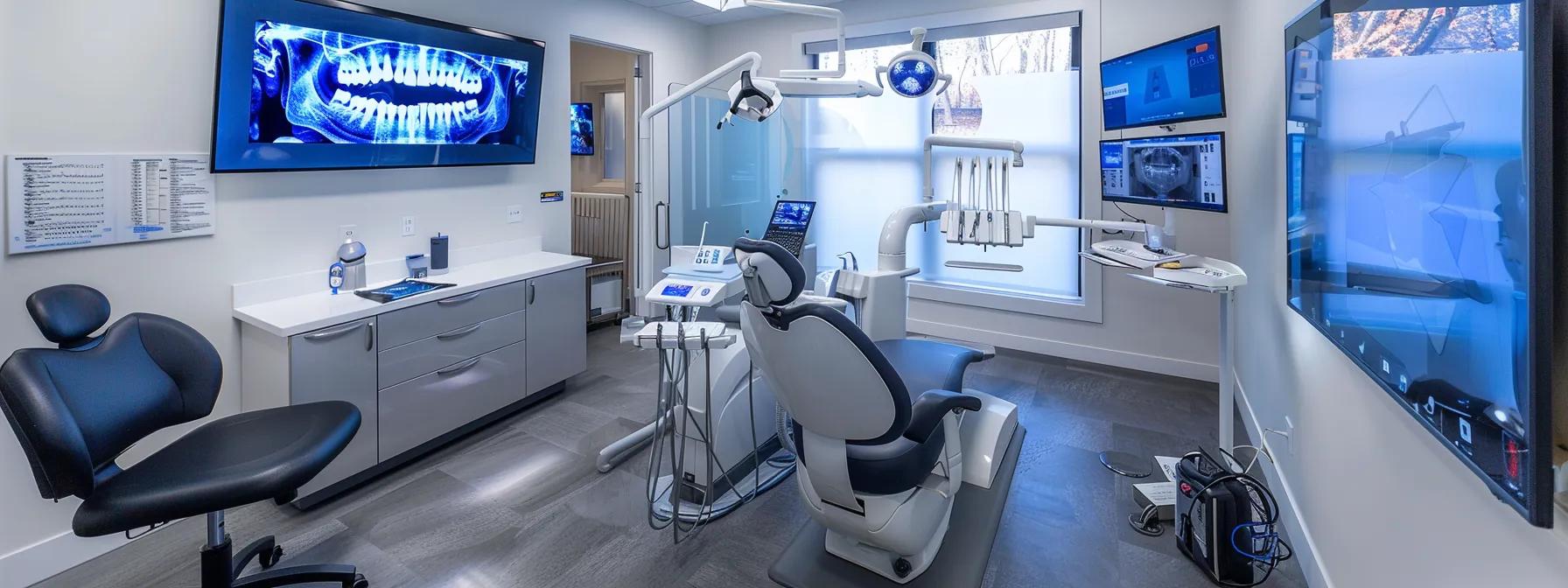
Dental implants offer a permanent solution for replacing missing teeth with remarkable durability and a natural look.
They improve chewing efficiency, speech clarity, and help preserve jawbone health, making them a top choice in Lake Worth.
Our Lake Worth practice delivers a comprehensive implant process—from consultation to custom crown placement—ensuring excellent success rates and long-term value.
Ideal candidates are evaluated based on general health, jawbone density, and gum condition, with alternative options available when needed.
Regular maintenance and proper care secure the longevity and functionality of your dental implants, empowering patients with renewed confidence and a complete smile.
Understanding Dental Implants and Their Effectiveness
Dental implants are a reliable and innovative solution for replacing missing teeth, blending technology with tissue therapy to restore both function and aesthetics. They consist of three main components: a titanium implant that is surgically placed into the jawbone, an abutment that connects the implant to the prosthetic crown, and the crown itself, which mimics a natural tooth. These implants are highly regarded for their effectiveness due to their integration with the jawbone through a process called osseointegration. This process ensures that the implant fuses seamlessly with the bone, offering stability and durability similar to natural teeth.
What are dental implants? They are artificial tooth roots that provide a strong foundation for fixed or removable replacement teeth designed to match your natural tooth color. Assessing how effective a tooth implant can be for you involves reviewing variables such as bone density, gum health, and overall medical history. Success rates of dental implant procedures are remarkably high, often reported to be over 95% in healthy patients. These rates are based on factors like the implant material—such as titanium or ceramics—the surgical technique used, and post-operative care.
Comparing dental implants to other tooth replacement options, such as dentures or bridges, reveals clear advantages. Implants do not require adjacent teeth to be altered and help maintain facial structure by stimulating the bone. They prevent issues such as bone resorption and tissue loss which are common with conventional dentures. The long-term value of choosing dental implants lies in their durability and low maintenance needs; once integrated, they can last for decades with proper care. Real-world examples of dental implant success illustrate reduced risks of implant failure and improved quality of life, including better chewing efficiency and enhanced speech clarity.
Modern dental technology now incorporates advanced imaging like the Elos scanbody and smartpeg Osstell devices to precisely determine bone density and implant stability. This integration of technological tools with periodontal expertise helps ensure that each procedure not only meets but exceeds industry standards. Additionally, the concept of grafting is integrated when necessary to rebuild bone density in the maxilla or mandible, further enhancing implant survivability. The effectiveness of dental implants, therefore, is not just measured by immediate post-surgical appearance but by long-term improvements in patients’ oral and overall health.
Ultimately, dental implants carry transformative potential for those seeking both functional and aesthetic restoration in Lake Worth. For many, this means regaining the ability to chew correctly, speak without impediment, and smile with confidence. By addressing both cosmetic and clinical needs, dental implants are an innovative treatment solution that truly elevates oral health care. Regular examinations and professional cleanings further safeguard these implants against potential complications like peri-implantitis, ensuring that your new smile remains as healthy as it is beautiful.
Key Advantages of Selecting Dental Implants in Lake Worth
Restoring your smile with permanent tooth replacements is one of the primary advantages of dental implants in Lake Worth. These restorations are designed to mimic the natural tooth in both appearance and function, offering an aesthetic appeal that outperforms traditional dentures. The implants are constructed using materials such as titanium and ceramic, which not only provide strength but also have excellent compatibility with soft tissue. By directly integrating with the bone, implants help maintain the integrity of the jaw structure. This is vital since the absence of a tooth normally leads to bone resorption, which can eventually cause facial sagging and a poor aesthetic outcome.
Improving chewing ability and speech clarity are also key advantages provided by dental implants. Patients who suffer from missing teeth can face difficulties with batting food properly and even experience slurred speech. With dental implants, the stability of the implant and the accuracy of the prosthetic crown create a secure and natural-feeling bite, facilitating smoother and more efficient mastication. Speech difficulties caused by gaps and poorly fitting dentures are less frequent with implants, as the restoration is custom-designed to align perfectly with the surrounding dentition. The precise fit of the implant components ensures that you regain not only function but also the assuredness of a confident smile.
Maintaining jawbone health and facial structure is another essential benefit. Implants act similarly to natural tooth roots by transmitting mechanical forces to the jawbone, which stimulates bone growth and prevents bone loss. This stimulation is crucial for long-term oral stability, meaning that implants help preserve not only the structures beneath the gum line but also your overall facial aesthetics. Over time, dental implants contribute to preventing the common sequelae of tooth loss, including the downward collapse of the bite and facial wrinkles, thus ensuring that you keep a youthful appearance.
Experiencing a natural look and feel with dental implants is integral to their success. These prostheses are sculpted to match the color, shape, and translucency of adjacent teeth. This attention to detail significantly enhances patient satisfaction since no one will suspect that you are wearing an artificial tooth. Advances in cosmetic dentistry now enable dentists to customize crowns to meet specific aesthetic demands, ensuring that your dental implant is virtually indistinguishable from your natural teeth. Furthermore, the use of smart procedures to minimize bleeding and reduce soft tissue trauma during surgery contributes to a smooth healing process and a positive patient experience.
Boosting your confidence with a complete smile in Lake Worth is perhaps the most transformative impact dental implants provide. Many patients experience a renewed sense of self-esteem and social engagement after receiving implants. They no longer face the embarrassment of missing teeth or the discomfort of ill-fitting dentures. This enhanced quality of life is accompanied by improved oral hygiene, as dental implants facilitate better cleaning regimes compared to removable appliances. The permanence and reliability of implants also imply that you can enjoy your favorite foods without worry, making every meal a source of pleasure rather than a challenge.
Through these various advantages, dental implants in Lake Worth stand out as a valuable treatment option for people seeking a long-term, effective solution for missing teeth. The integration of state-of-the-art technology, minimized surgical complications, and rapid aftercare protocols further ensure that every patient receives tailor-made treatment. The result is a durable, highly effective implant that improves oral functionality and renews personal confidence, making dental implants a wise investment in your overall health.
The Dental Implant Process at Our Lake Worth Practice
Your initial consultation for dental implants is the first step to a complete smile restoration. During this consultation, a comprehensive evaluation of your oral health is performed. This evaluation includes an in-depth examination of your dental history, imaging tests such as cone beam computed tomography (CBCT) scans, and a thorough assessment of your jawbone density. This detailed evaluation allows the dental surgeon to tailor a treatment plan that best suits your specific needs, ensuring that every aspect of the procedure—from surgery to healing—aligns perfectly with your medical history and facial structure. In Lake Worth, our practice takes pride in using advanced technology that enhances diagnostic accuracy and minimizes risks.
Tailored treatment planning for your specific needs is crucial. Each patient is unique, and the implant procedure is customized to accommodate individual differences in anatomy and bone quality. Factors such as the location of the missing tooth, gum health, and even lifestyle requirements are considered during this stage. With the help of computer-guided surgery and digital treatment planning software, our team is able to determine the exact positioning of each implant. This advanced planning minimizes potential complications, reduces surgical time, and promotes better healing outcomes. The tailored approach ensures that you receive an implant that not only restores the function and aesthetics of a missing tooth but also integrates flawlessly with your natural dental contour.
The tooth implant placement procedure explained involves a series of refined surgical steps. Initially, the implant site is prepared under local anesthesia—often accompanied by sedation in cases where patients experience significant dental anxiety. During the surgery, a precise incision is made along the gum line, and a small hole is drilled into the jawbone. The titanium implant is then delicately inserted. Following this, the abutment is connected, serving as the link between the implant and the crown that will later be placed. This process is performed using state-of-the-art surgical tools that limit bleeding and ensure soft tissue integrity. The emphasis on minimally invasive techniques helps reduce post-operative discomfort and speeds up the healing process.
Healing and osseointegration after implant surgery are critical phases in the dental implant process. After the implant is placed, the patient enters a healing phase where the implant fuses with the jawbone, a process known as osseointegration. Typically lasting several months, this phase is essential for creating a stable foundation for the artificial tooth. During this period, patients are advised to adhere strictly to post-operative care guidelines, including a soft diet, diligent oral hygiene, and regular dental check-ups. Our Lake Worth practice provides detailed aftercare instructions and follow-up appointments to monitor healing progress and address any complications that may arise, such as infection or delayed integration.
Attaching your custom dental crown in Lake Worth is the final step of the implant process. Once sufficient healing has occurred, impressions of the newly healed implant are taken. These impressions are sent to a dental laboratory where a custom dental crown is fabricated to mirror your natural teeth precisely. This crown is then bonded to the abutment, completing your new smile. The custom crown not only restores your appearance but also ensures optimal functionality, allowing you to chew and speak with natural ease. Innovations in dental materials, such as high-strength ceramics, are now used to enhance both aesthetic appeal and durability, ensuring that your new tooth will last for many years.
Throughout every step of the implant process at our Lake Worth practice, expert dental professionals and advanced technology work in unison to minimize risks and maximize outcomes. By selecting a treatment plan that is as individualized as each patient, the process ensures that every implant is both effective and long-lasting. Whether you are seeking a single tooth implant or a full-arch restoration, our practice is dedicated to providing personalized care and state-of-the-art treatment options that deliver unmatched results with minimal discomfort and a high rate of success.
Are You a Suitable Candidate for Dental Implants in Lake Worth?
General health requirements for implant success are a significant factor in determining whether a patient is an ideal candidate for dental implants. A good general state of health is vital because chronic conditions such as diabetes or uncontrolled hypertension can affect the healing process and the success of osseointegration. Patients are required to undergo a rigorous medical screening that includes a review of their medical history, medications, and any previous issues with oral surgery. This comprehensive evaluation not only ensures that your body is capable of supporting the implant but also minimizes the risk of complications during and after surgery.
Assessing jawbone density for dental implants is another fundamental consideration. The implant must be securely anchored within the jawbone; therefore, sufficient bone volume and density are essential. Advanced imaging techniques such as digital radiography and CBCT scans are used during the evaluation process to provide a precise measurement of bone quality. In cases where the jawbone is too thin or has deteriorated due to prolonged tooth loss, a bone graft may be recommended. Bone grafting, whether using autografts, allografts, or bone substitutes, is a common procedure that reinforces the implant site. This step is particularly relevant for individuals who have experienced trauma or periodontal disease, ensuring that the implant has a strong foundation for long-term stability.
Lifestyle factors that influence implant outcomes are integral to the overall treatment plan. Habits such as smoking, poor oral hygiene, and high sugar diets can impede the healing process and increase the likelihood of implant failure. Patients are advised to make necessary lifestyle modifications prior to undergoing implant surgery. For example, quitting smoking and improving daily oral care can significantly enhance the success rate of the implants. Furthermore, considerations such as normal masticatory function and the absence of systemic conditions that impair healing play a crucial role in determining candidacy.
Addressing gum health before implant placement is essential for a successful implant outcome. The condition of the gums directly impacts both the surgical procedure and the post-operative healing process. In cases where patients present with gingivitis or periodontal disease, initial treatments such as scaling and root planing or even periodontal surgery may be required. A healthy gum environment enables the optimal integration of the implant and supports the stability of the prosthetic crown. This pre-surgical phase is crucial in creating a conducive environment for implant placement, thereby reducing the chances of complications such as infection or peri-implantitis later on.
Alternatives if you are not an immediate candidate for dental implants are available and provide a pathway toward eventual implant placement. For patients who do not meet the ideal criteria due to insufficient bone density, ongoing periodontal infection, or other health issues, alternative treatments like removable partial dentures or bridges may be initially recommended. These alternatives allow patients to restore function and aesthetics while potentially undergoing additional treatments to enhance their qualification for future implant surgery. Each alternative is tailored to the specific needs and condition of the patient, ensuring that their oral health is managed comprehensively in alignment with long-term treatment goals.
By rigorously assessing your general health, jawbone density, lifestyle habits, and gum condition, our practice in Lake Worth ensures that only suitable candidates proceed with the implant procedure. This comprehensive evaluation minimizes risks and promotes a high success rate for dental implants. The individualized approach not only addresses immediate dental concerns but also lays the foundation for a healthier, more confident smile in the long term.
Exploring Different Types of Dental Implants Available
Single tooth implants for individual tooth loss provide a precise solution when only one tooth is missing. These implants are designed to replace a singular tooth without requiring support from neighboring teeth, unlike traditional bridges. The procedure involves inserting a titanium post into the jawbone, followed by the attachment of a custom-fabricated crown. The advantages include conservation of adjacent tooth structure, increased durability, and exceptional aesthetics that match your natural dentition. For patients who have lost just one tooth—whether due to decay, trauma, or periodontal disease—single tooth implants offer a permanent, natural-feeling solution that enhances both function and appearance.
Multiple tooth implants and implant-supported bridges serve as ideal solutions when several adjacent teeth are missing. In such cases, a series of implants can be strategically placed to support a fixed bridge, thereby redistributing the chewing forces evenly across the implant sites. This option avoids the disadvantages of traditional bridges, which often require the preparation of healthy adjacent teeth. With implant-supported bridges, each implant acts as a robust anchor, minimizing bone loss and ensuring stability. Moreover, this approach provides a seamless restoration that replicates a natural smile, significantly improving overall oral function and patient satisfaction. The restoration process is carefully planned using digital imaging techniques to achieve proportional and aesthetically pleasing results.
Full arch restoration with implant-retained dentures is available for patients who have lost most or all of their natural teeth. This treatment involves placing several implants in a strategic configuration across the jaw, upon which a full set of prosthetic teeth is attached. Often referred to as “All-on-4” or “All-on-6,” these techniques provide a stable and secure option for complete oral rehabilitation. This method not only restores chewing efficiency and speech clarity but also supports the facial structure, preventing the deterioration that typically accompanies extensive tooth loss. In many cases, patients report dramatic improvements in self-esteem and overall quality of life as they regain the ability to eat a varied diet and smile without hesitation.
Understanding mini dental implants and their uses is another important aspect of implant type exploration. Mini implants are smaller in diameter than conventional implants and are primarily utilized in areas with limited bone volume or to stabilize removable dentures. Despite their reduced size, mini dental implants provide a cost-effective and minimally invasive option for patients who may not be candidates for traditional implants. They can be placed quickly and often with less post-operative discomfort, making them an attractive option for certain groups of patients. However, like all implant types, proper case selection and adherence to post-operative care protocols are essential for success.
How material choices impact tooth implant effectiveness is also critical to consider. Implants are typically made from titanium due to its high biocompatibility, strength, and proven track record for osseointegration. However, ceramic implants are becoming increasingly popular as an aesthetic alternative, especially for patients concerned about metal allergies or the visible color contrast in the anterior region of the mouth. Each material offers distinct merits: titanium for its durability and extensive research backing, and ceramics for their excellent appearance and hypoallergenic properties. The decision on implant material is made by weighing each option’s benefits against the patient’s specific needs and medical history.
Overall, exploring the different types of dental implants available allows potential patients in Lake Worth to select the option that best fits their clinical situation, aesthetic preferences, and financial considerations. The comprehensive range of implants—from single tooth solutions to full arch restorations—ensures that every patient can find a suitable method for restoring their smile. Personalized treatment planning further ensures that implant types are matched correctly with each patient’s unique circumstances, thereby maximizing effectiveness and long-term satisfaction.
Caring for Your Dental Implants in Lake Worth for Lasting Results
Proper oral hygiene practices for implant maintenance are paramount to ensuring the longevity of your dental implants. Routine care involves brushing twice daily using non-abrasive toothpaste, supplemented by gentle flossing and rinsing with an antimicrobial mouthwash to minimize bacterial plaque and potential gum inflammation. Unlike natural teeth, dental implants do not have living tissue attached to them, so maintaining a clean environment around the implant is essential to prevent peri-implantitis—a condition that can lead to implant failure. Patients are encouraged to use soft-bristled toothbrushes and specialized cleaning aids designed specifically for implant care. Consistent and thorough cleaning not only supports implant health but also preserves the natural appearance of the crown attached to the implant.
Regular dental check-ups and cleanings in Lake Worth play a critical role in sustaining the effectiveness of dental implants. Even with diligent home care, professional evaluations are indispensable for detecting early signs of complications. Routine visits to our dental office include periodic examinations, radiographic assessments, and professional cleanings that help remove calculus build-up which cannot be addressed by everyday brushing alone. These examinations also allow the dentist to monitor bone levels around the implant, ensuring that osseointegration remains intact and that there is no unexpected resorption. Early detection and management of any minor issues contribute significantly to the long-term success of your implant.
Foods to favor and avoid after getting dental implants is another essential element of post-operative care. In the initial stages after implant surgery, a soft diet is recommended to prevent undue pressure on the implant sites and to facilitate smooth healing. As healing progresses, nutritious foods that promote tissue repair, such as those rich in vitamins and proteins, should be integrated into your diet. Conversely, hard, sticky, or overly crunchy foods should be avoided during the early healing phase because they may disrupt the stability of the implant or irritate the surrounding tissues. Maintaining a balanced diet not only supports oral health but also contributes to overall physical recovery.
Recognizing signs of potential implant complications is crucial for ongoing maintenance. Common early warning signs include persistent pain, swelling, and redness around the implant site, or any unusual movement of the implant. Gingival inflammation, prolonged bleeding, or a foul odor may indicate infection and must be addressed promptly by a dental professional. Early intervention mitigates potential complications and helps ensure the implant remains stable and integrated with the bone. Our Lake Worth practice provides patients with detailed post-operative instructions and encourages immediate communication if any concerning symptoms arise, thereby safeguarding the investment in your permanent smile.
Ensuring the longevity and effectiveness of your tooth implant hinges on adopting proactive and comprehensive care practices. In addition to daily oral hygiene and periodic professional cleanings, limitations on habits such as smoking and excessive alcohol consumption are advised, as these can alter the healing process and compromise implant stability. Furthermore, patients with dental implants should schedule regular follow-up appointments to monitor changes over time and to receive personalized care recommendations. The diligent adherence to these practices ensures that the implant remains functional, aesthetically pleasing, and resistant to common oral diseases.
Overall, caring for your dental implants in Lake Worth is a multifaceted endeavor that spans daily routines, dietary choices, and regular professional assessments. By addressing each aspect of maintenance with diligence and precision, patients can enjoy the benefits of a restored smile, enhanced chewing function, and improved self-confidence for many years to come.
Frequently Asked Questions
Q: How do dental implants work to restore function? A: Dental implants work by anchoring a titanium post into the jawbone, mimicking the natural root of a tooth. Once osseointegration occurs, the implant becomes a stable foundation for an abutment and a custom dental crown, restoring both the aesthetics and functionality of your smile. This process helps maintain bone health and improves chewing ability.
Q: Are dental implants painful during and after the procedure? A: The implant procedure is performed under local anesthesia, which minimizes pain during surgery. Patients may experience mild discomfort and swelling afterward, which can be managed with over-the-counter pain relievers. Most patients report that the pain is minimal compared to their initial tooth loss or denture discomfort, and healing typically progresses smoothly.
Q: How long do dental implants last? A: With proper care and regular dental check-ups, dental implants can last 20 years or even a lifetime. The success and longevity depend on maintaining excellent oral hygiene, regular follow-up visits, and avoiding habits that may damage the implant, such as smoking. The integration with the jawbone provides a durable solution that significantly outperforms traditional dentures.
Q: What factors make someone a good candidate for dental implants? A: Ideal candidates for dental implants have overall good health, sufficient jawbone density, and healthy gum tissues. Even individuals with partial bone loss may be considered if a bone graft is performed. Lifestyle habits, such as non-smoking and proper oral hygiene, also play a crucial role in ensuring success. A comprehensive dental evaluation will determine if implants are the most suitable option for you.
Q: How soon after the implant procedure can I resume normal activities? A: Most patients can resume normal activities within a few days to a week after the procedure. During the initial healing phase, it is important to stick to a soft diet and avoid strenuous physical activities. Your dentist will provide detailed post-operative guidelines to ensure that the implant has sufficient time to integrate while you gradually return to regular activities.
Q: Are there any risks associated with dental implants? A: While dental implants are highly successful, potential risks include infection, implant failure, and nerve injury. However, such complications are rare, occurring in less than 5% of cases. Regular follow-up visits and proper oral care help mitigate these risks. Your dental practitioner will assess your overall oral health to ensure that implants are the best option for you.
Q: Can dental implants improve my overall appearance and confidence? A: Yes, dental implants significantly improve your appearance by restoring a natural-looking smile. They also help maintain bone structure and support facial aesthetics, which can enhance your overall confidence. With a complete smile restoration, many patients experience a renewed sense of self-esteem and comfort in social situations.
Final Thoughts
Dental implants in Lake Worth provide an effective and lasting solution to missing teeth, combining advanced technology with personalized treatment plans. Each stage—from initial consultation to custom crown placement—is meticulously planned to ensure both functional restoration and aesthetic appeal. By adhering to strict hygiene practices and regular dental visits, patients can enjoy improved chewing, speech, and overall oral health. With dental implants, individuals reclaim not only their smile and confidence but also a higher quality of life, making it a wise investment for long-term dental wellness.