Are dental implants permanent? What to expect for longevity and benefits
Dental implants have changed how we replace missing teeth — they give a reliable, natural-feeling option that many people prefer over removable dentures. This page explains whether implants are truly permanent, how they last, and what helps them succeed. If you’re asking, “Are dental implants permanent?” we’ll walk you through the science, the materials, and the everyday steps that keep implants working well for years. We’ll also compare implants to other options and answer common questions patients bring to our office.
If you’re thinking about implants, choosing a trusted dental practice in Grand Prairie is an important first step. A brief consultation lets us tailor a treatment plan to your needs.
During a consultation we typically review your medical history, examine the site, and take X-rays or 3D scans. We discuss the phases of treatment — diagnosis and planning, surgical placement of the implant, a healing period while osseointegration occurs, and finally placement of the restorative crown or prosthesis. Understanding the stages helps set realistic expectations for timelines, temporary restorations, and follow-up visits for maintenance.
Why are dental implants considered a long-term tooth replacement?
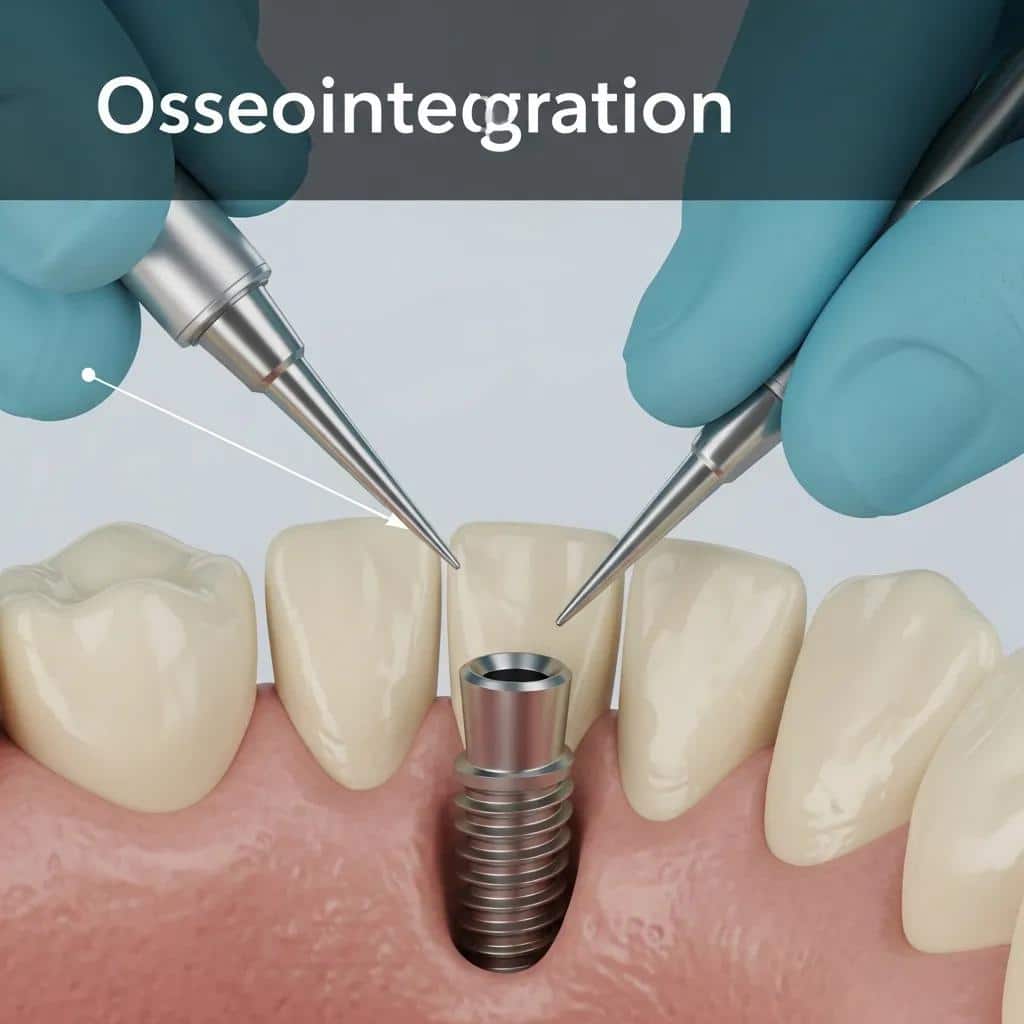
Implants act like an artificial tooth root and integrate with your jawbone through a natural healing process called osseointegration. Because the implant becomes firmly anchored in bone and is made from biocompatible materials like titanium (and sometimes zirconia), it provides a stable base for a crown or bridge. That combination of biological bonding and durable materials is why implants can last many years — often decades — with proper care.
How does osseointegration make implants last?
Osseointegration is when bone tissue grows directly against the surface of the implant, locking it into place. After placement, your body heals around the implant and creates a stable connection that can handle normal chewing forces. The success of this process depends on things like bone quality, surgical technique, and your overall health — but when osseointegration works well, the implant stays secure for the long term.
Research underscores how crucial direct bone-to-implant contact is for reliable anchorage in craniofacial implants.
Osseointegration: a key to long-term implant stability
Osseointegration refers to direct bone-to-implant contact that creates stable anchorage for implants. In craniofacial implantology this form of anchorage has shown the highest success rates, though its role in other major prostheses is more debated.
Osteoinduction, osteoconduction and osseointegration, 2001
Healing times vary by patient and by the location of the implant. In many cases, initial integration takes several weeks to a few months. During that period your dentist may fit a temporary crown or denture to maintain appearance and chewing function while protecting the surgical site. Proper healing and load management during this phase are important to reduce the risk of early complications and ensure long-term stability.
Which materials help implants stand the test of time?
Titanium is the most widely used implant material because it’s strong, resists corrosion, and the body tolerates it well. Zirconia is another option — it’s tooth-colored, which can be helpful for people with thin gum tissue or who want a metal-free choice. Both materials can be durable; your dentist will recommend the best option based on your mouth and cosmetic goals.
Beyond the implant body, the final restoration includes an abutment and a crown or bridge. Abutments may be titanium, zirconia, or a hybrid, and crowns are commonly made from porcelain fused to metal, all-ceramic, or zirconia. Over time the crown or prosthetic teeth may require repair or replacement due to wear, fracture, or changes in surrounding gum tissue even when the implant fixture itself remains sound.
How long do dental implants last? Typical lifespan and success rates
Implant longevity varies by patient and care, but overall success rates are high. Studies commonly report about a 90–95% success rate at 10 years. Many patients have implants that last 20 years or more, and some enjoy them for life when they follow good oral care and routine dental visits.
What’s a realistic average lifespan for implants?
On average, implants often last 10–15 years, and many last much longer — 20 years or more — depending on factors like age, health, and how well you care for your mouth. Regular cleanings and check-ups help protect the implant and the surrounding gums and bone.
It helps to distinguish between the implant fixture (the part placed in bone) and the prosthetic tooth. The fixture can remain stable for decades, while crowns, screws, or removable prostheses attached to implants may need periodic maintenance or replacement. Planning for long-term maintenance is part of realistic expectations and cost discussions at the outset of treatment.
What affects long-term implant success?
Several things influence how long an implant will last. Key factors include:
Daily oral care: Brushing and cleaning around the implant prevents infection and inflammation. Proper technique around the gumline and contacts is important to remove biofilm without damaging soft tissue.
Medical conditions: Diabetes, osteoporosis, and other health issues can affect healing and bone strength. Controlled medical conditions generally pose less risk than uncontrolled disease, so coordination with your physician is valuable.
Routine dental check-ups: Regular visits let your dentist spot issues early and keep the implant area healthy. Professional cleanings remove hard deposits around implants and allow early treatment of peri-implant inflammation.
Other important considerations include the quality and quantity of the jawbone, precise surgical placement, the design of the restoration, and the balance of forces from opposing teeth. When multiple implants support a bridge or overdenture, planning bite forces and distribution becomes even more critical to longevity.
How to get the most life out of your dental implants
Keeping implants functional and attractive comes down to consistent oral care and a few smart lifestyle choices. Be proactive — your habits make a big difference.
Which oral hygiene habits help implants last?
Simple, daily steps protect your implant:
Brush twice a day: Use a soft toothbrush and non-abrasive toothpaste to clean around the implant. Electric toothbrushes can be effective for plaque removal while being gentle on restorations.
Floss daily: Floss or use interdental brushes to remove food and plaque between teeth and around the implant. Special implant floss or floss threaders may help clean under bridges or around fixed prostheses.
Use an antimicrobial rinse: An antiseptic mouthwash can help control bacteria and support gum health. Your dental team can recommend a rinse appropriate for your situation and for short-term postsurgical use.
In addition to daily home care, discuss professional maintenance intervals with your dentist. Some patients benefit from more frequent cleanings, topical treatments, or targeted hygiene instruction to address individual risk factors.
How do lifestyle choices influence implant permanence?
Your habits matter. Consider these points:
Smoking: Tobacco slows healing and raises the chance of implant problems. Quitting before surgery and remaining smoke-free afterward improves outcomes.
Nutrition: A balanced diet with vitamins and minerals supports bone and gum health. Adequate protein and nutrients aid healing after surgery.
Stress and grinding: High stress can lead to clenching or grinding, which may stress implants — night guards can help. Addressing bruxism early reduces the risk of loosening screws, crown fractures, or excessive load on the bone-implant interface.
Other practical tips include avoiding very hard foods on new restorations, protecting implants in sports with mouthguards, and communicating any changes in comfort, mobility, or gum health to your dentist promptly.
Which permanent implant options can you choose from?
There are several implant styles to fit different situations — from replacing one tooth to restoring a full arch. Knowing the options helps you and your dentist pick the right plan for comfort and long-term function.
Single vs. multiple implants: how do they compare?
A single implant replaces one tooth. Multiple implants can support bridges or implant-retained dentures for several missing teeth. Both rely on osseointegration, so their permanence is similar; multiple implants may require more planning depending on how much bone and support you have.
When multiple teeth are missing, implants can often avoid altering adjacent healthy teeth, which is a common drawback of traditional bridges. Implant-supported restorations can also improve chewing efficiency and comfort compared with removable appliances.
How long do All-on-4 and full-mouth solutions last?
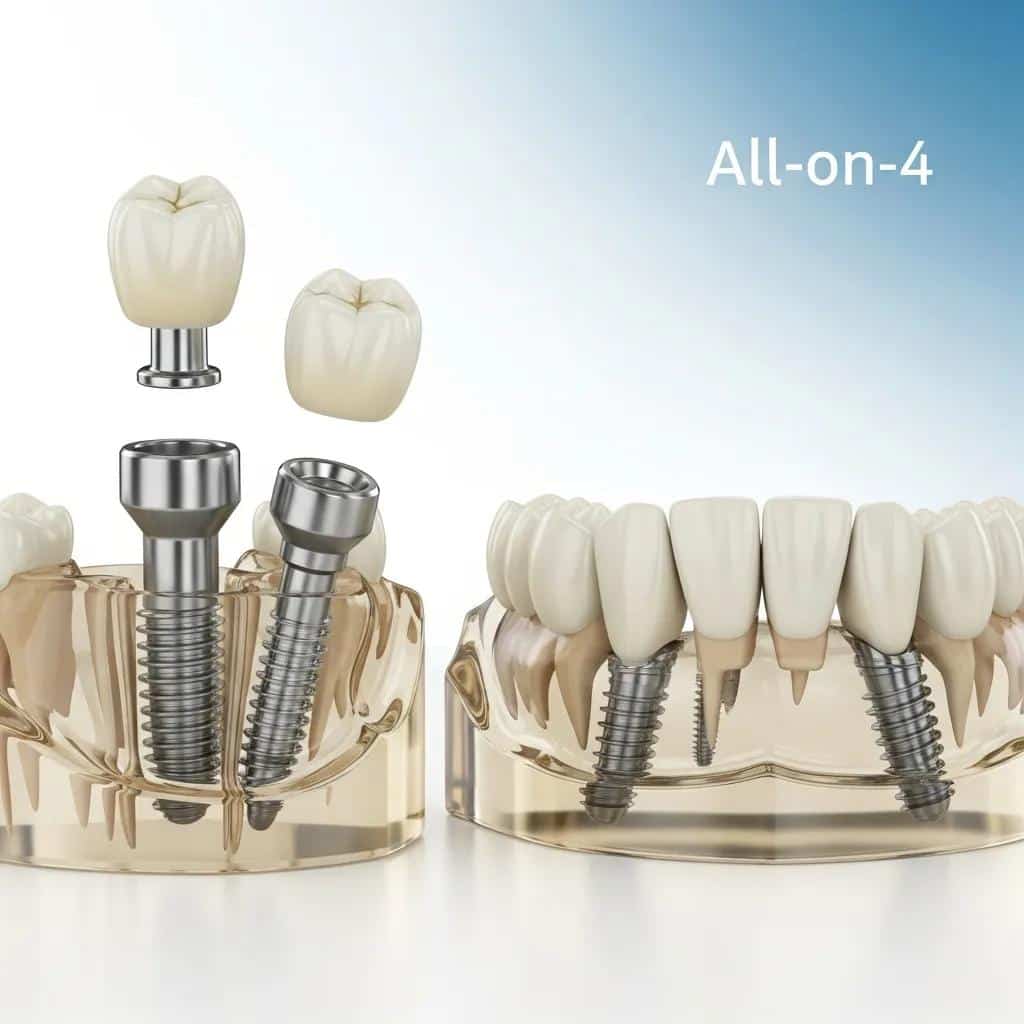
All-on-4 (four implants supporting a full arch) and full-mouth implant restorations are designed for long-term use. With proper care, these solutions commonly last 10–15 years or longer, and many patients keep them for 20 years or more. Regular maintenance and follow-up care are key to long-term success.
Full-arch solutions often involve an initial provisional prosthesis followed by a definitive restoration once healing and bone adaptation are complete. Patients should expect ongoing maintenance visits to check screws, prosthetic wear, and the health of remaining tissues. In some cases, individual teeth on a prosthesis may be replaced or repaired without removing the entire appliance.
Are dental implants a good long-term investment?
Implants are often a higher upfront cost than dentures or bridges, but they can be more cost-effective over time. They don’t need frequent replacements and they preserve bone, which helps maintain your bite and facial structure — benefits that many patients find worthwhile.
How do implant costs compare to other replacements?
Upfront, implants usually cost more than removable dentures or a fixed bridge. Over time, though, implants often need less replacement and fewer adjustments, which can save money and reduce hassle. They also restore chewing function and comfort more reliably for many patients.
When evaluating cost, consider the likely lifetime of the solution, potential maintenance needs, and quality-of-life improvements such as eating comfort and confidence. Discuss realistic long-term expectations and maintenance costs with your dental team before proceeding.
What payment and financing options are available?
Many practices offer payment plans, financing, or can help you check insurance coverage to make implants more manageable. Talk to your dental team about options so you can find a plan that fits your budget.
In some cases, practices provide phased billing to align payments with treatment stages, or they can refer you to third-party lenders that specialize in dental financing. Asking about warranties on parts of the prosthesis and what is included in follow-up care can also clarify long-term value.
How do implants compare to dentures when it comes to permanence?
When you’re deciding between implants and dentures, think about stability, comfort, and long-term bone health to choose what works best for your lifestyle.
Which is more stable and comfortable: implants or dentures?
Implants are anchored in the jawbone, so they stay in place for eating and speaking and often feel more like natural teeth. Dentures can be comfortable and affordable, but they may move, need relines, or require adhesive. Many patients prefer the confidence and function implants provide.
Dentures do offer a non-surgical, lower-cost route for many people and can be a good temporary or long-term solution when implants are not practical. For people who cannot undergo implant surgery, modern denture design and careful fitting still provide functional and esthetic improvements.
Do implants protect bone better than dentures?
Yes. Implants stimulate the jawbone just like natural tooth roots, which helps prevent bone loss over time. Dentures don’t provide that stimulation, and long-term denture wear can be associated with gradual bone changes.
Preserving bone volume helps maintain facial contours and reduces the need for future bone grafting to support restorations. That structural benefit is one reason many patients choose implants, especially in the long term.
Common questions patients ask about implant permanence
Below are answers to the questions we hear most often. If you have other concerns, bring them up at your consultation — we’re here to help.
Can dental implants last a lifetime?
Many implants do last a lifetime when patients maintain good oral hygiene, avoid harmful habits, and attend regular dental visits. While no treatment is guaranteed forever, implants offer one of the most durable tooth-replacement options available.
Long-term success depends on both biologic health and the condition of the prosthetic components. Staying engaged with routine check-ups and addressing minor issues early greatly improves the odds of a long-lasting outcome.
What can cause implant failure and how can I avoid it?
Implant problems can come from infection, poor bone support, or incorrect placement. Preventive steps include a thorough pre-treatment evaluation, good daily oral care, quitting smoking, and following your dentist’s aftercare instructions. Keep your dental team informed about any health changes so they can support long-term success.
Peri-implantitis — inflammation and bone loss around an implant — is one of the common biological complications and is often related to plaque accumulation and insufficient maintenance. Early detection and treatment of peri-implant inflammation can prevent progression and help preserve the implant.
Implant Type
Average Lifespan
Success Rate
Factors Influencing Longevity
Single Implants
10-15 years or more
Around 90-95% over 10 years
Oral hygiene, health conditions
Multiple Implants
10-15 years or more
Around 90-95% over 10 years
Bone density, surgical technique
All-on-4 Implants
10-15 years or more
Around 90-95% over 10 years
Patient compliance, maintenance
This table summarizes typical lifespans and success rates for common implant options and highlights the main factors that affect how long they last.
Dental implants are a major advancement in tooth replacement — combining strong materials, natural bone integration, and proven clinical results. By taking care of your oral health and visiting your dentist regularly, you can get the most from your implant investment. If you’d like to learn how implants might work for you, schedule a consultation with a trusted dental professional.
Frequently Asked Questions
What are the potential risks associated with dental implants?
Dental implants are generally safe, but they do carry some risks — for example, infection at the site, nerve irritation, or sinus issues when upper implants are placed too close to the sinus. Careful planning, skilled placement, and following aftercare instructions reduce these risks. Regular follow-ups help catch and treat any problems early.
Other less common risks include delayed healing, allergic response to a component (rare), or mechanical issues such as screw loosening or fracture of the restoration. Choosing an experienced team and adhering to follow-up schedules helps minimize these concerns.
How do I know if I am a good candidate for dental implants?
Good candidates usually have enough healthy jawbone to support an implant and are in reasonable overall health. Age alone isn’t a barrier, but conditions like uncontrolled diabetes or heavy smoking can affect candidacy. A thorough exam, including X-rays or 3D imaging, helps your dentist determine the best option for you.
When bone volume is insufficient, procedures such as bone grafting or sinus lifts may be recommended to create a stable foundation. Your dentist will explain risks, timelines, and alternatives so you can make an informed decision.
What is the recovery process like after dental implant surgery?
Recovery varies, but most people have a few days of soreness and swelling. Pain medication and a soft-food diet are common early on. Complete healing — where the implant fuses with bone — can take several months. Your dentist will schedule follow-ups to monitor healing and guide you through each step.
During recovery, follow instructions on oral hygiene, avoid smoking, and eat soft nutritious foods. Report any unusual pain, persistent bleeding, or fever to your dental team promptly so problems can be assessed and treated.
Can dental implants be placed immediately after tooth extraction?
Sometimes implants can be placed the same day a tooth is removed, which can reduce overall treatment time. Whether immediate placement is right for you depends on bone condition, infection, and other factors. Your dentist will evaluate your situation and recommend the safest, most predictable plan.
Immediate placement can be convenient but requires careful case selection. If the extraction site is infected or lacks adequate bone, delaying placement or performing grafting procedures first may lead to more predictable long-term results.
What should I expect during the dental implant consultation?
At the consultation, we’ll review your medical history, examine your mouth, and take imaging (X-rays or 3D scans) to check bone and tooth structure. We’ll explain your options, expected outcomes, timeline, and costs, and answer your questions so you can make an informed decision.
Bring a list of medications and any relevant medical records to the appointment. If you have preferences about materials or esthetic outcomes, discuss them so the treatment plan aligns with your goals.
How do I maintain my dental implants over time?
Maintain implants much like natural teeth: brush twice a day, clean between teeth daily, and use a recommended mouthwash if advised. Keep regular dental visits for professional cleanings and exams. Avoid smoking, and tell your dentist about any changes in your health so they can help protect your implant.
Professional maintenance may include specialized instrument cleaning around implants, radiographic checks to monitor bone levels, and adjustment of occlusion if wear patterns develop. If you grind your teeth, using a night guard can protect your implants and restorations from excessive forces.
Conclusion
Dental implants offer a durable, natural-feeling solution for tooth loss and help preserve jawbone health. Their long-term success relies on the osseointegration process, strong materials, and consistent care. By practicing good oral hygiene and keeping up with dental visits, you can maximize the life of your implants. Talk with a trusted dental professional to see if implants are the right choice for restoring your smile.