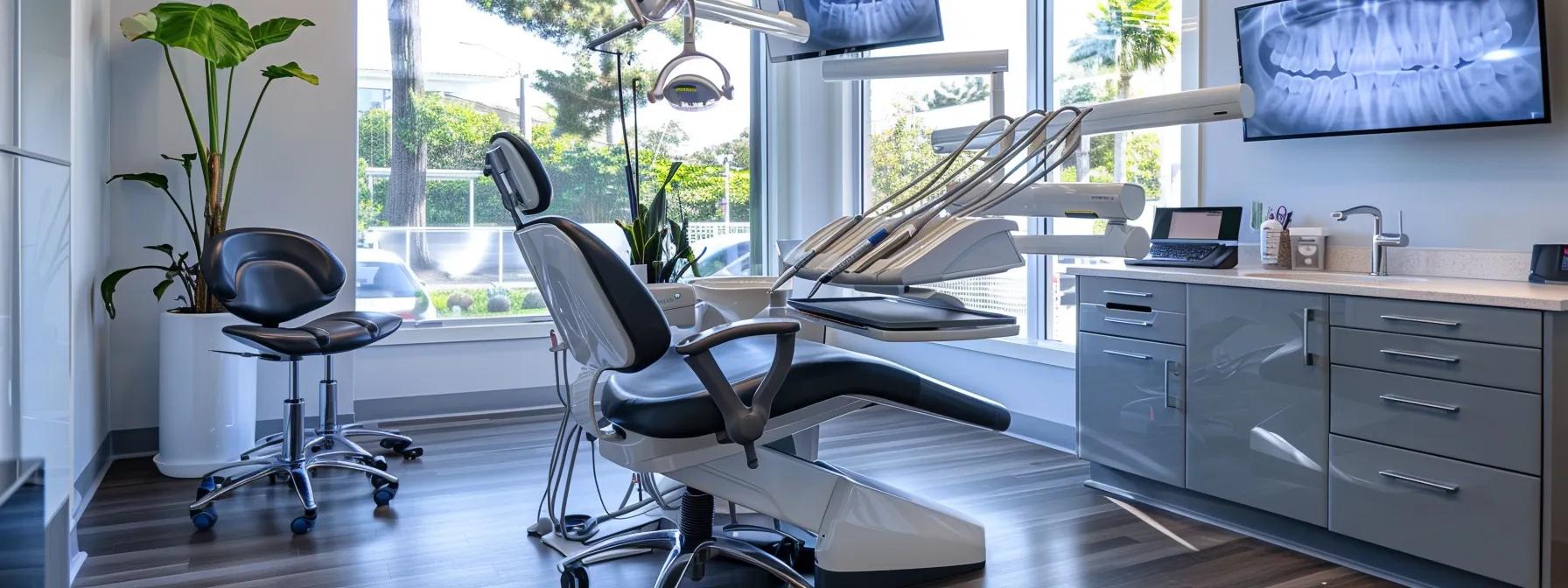
Welcome to a comprehensive guide on dental implant solutions in Lake Worth, TX. Dental implants continue to revolutionize how patients restore their smiles by replacing missing teeth with a stable, natural-looking, long-lasting alternative. They offer renewed confidence and improved oral health, even for patients with challenging medical histories or conditions such as osteonecrosis of the jaw or periodontal disease. This article walks you through every aspect of dental implants—from what they are and their benefits, to how the procedure is carried out in Lake Worth and why selecting the right specialist matters.
Dental implant failures can occur due to poor oral hygiene, improper evaluation of bone density, or underlying systemic conditions. Understanding the factors behind failure and what ensures success helps patients make informed decisions. We also explore modern techniques—including titanium screws, smartpeg osstell evaluations, and advanced imaging such as the elos scanbody—that have reduced complications. With the rise of accessible, affordable, and high-tech dental care, Lake Worth dental offices now offer implant solutions that meet both aesthetic and functional needs.
In addition, we discuss the cost and value perspective, including monthly payment plans and financing solutions that make treatment more accessible. The article also highlights how factors like bad breath, tissue inflammation, and bacteria can affect an implant’s longevity and why maintaining proper postoperative hygiene is essential. With insights guided by research and data from the American Academy of Periodontology, our goal is to provide you a reliable resource for making the best decision about your dental implants. Let’s dive deeper into each aspect of the dental implant journey.
Key Takeaways
Dental implants restore function and aesthetics with long-term benefits.
The implant procedure in Lake Worth requires careful planning, advanced technology, and experienced specialists.
Proper evaluation, aftercare, and financing ensure the benefits outweigh the risks.
Choosing the right specialist is critical and should be based on qualifications, advanced training, and patient testimonials.
Understanding Dental Implants and Your Suitability
Understanding dental implants begins with knowing what they are and if they suit your needs. They are small titanium posts inserted into the jawbone to form a stable foundation for crowns, bridges, or dentures. Designed to mimic a natural tooth root, they restore chewing and speaking functions while providing durability and a natural appearance.
What Are Dental Implants?
Dental implants are surgically placed devices made primarily from titanium. Thanks to a process called osseointegration, the implant fuses with the jawbone, providing long-term stability and preventing further bone loss. Studies show a success rate of over 95% in properly selected patients. Unlike bridges or dentures, implants preserve adjacent healthy teeth and prevent issues such as mis-dent problems or discomfort from dental cement.
Determining if Dental Implants Are Your Best Option
A qualified dentist evaluates factors like overall oral health, bone density, and medical history (including diabetes or osteonecrosis risk) through imaging studies such as digital x-rays or CT scans. Dental implants are an ideal permanent solution for patients missing one or more teeth without compromising adjacent teeth. Patients with a history of root canal infections, chronic conditions, bad breath, or inflammation might require additional treatments before implant placement. This thorough evaluation minimizes risks during and after the procedure.
Advantages of Choosing Dental Implants
Dental implants do more than replace teeth; they restore natural appearance, strength, and function while protecting the jawbone. They improve chewing, speech, and overall confidence without the common drawbacks of dentures (slipping or sore spots). Modern techniques—like computer-guided placement and digital impressions—make the procedure safer and more predictable, leading to faster recovery and improved satisfaction.
Comparing Implants With Other Tooth Replacement Methods
Implants offer superior stability, durability, and natural chewing function compared to bridges and dentures. Bridges often require reshaping adjacent teeth, while dentures can slip and lead to bone deterioration. Although implants may have a higher upfront cost, their long-term benefits and lower risk of failure make them more cost-effective than alternatives that may need frequent replacement.
Health Conditions Affecting Dental Implant Candidacy
Certain conditions, such as uncontrolled diabetes, severe periodontal disease, or insufficient bone volume, can compromise implant success. Lifestyle factors like heavy smoking or excessive alcohol consumption may also affect healing. Dentists use blood tests and bone density scans to assess suitability. For patients with compromised health, temporary alternatives (like bridges or dentures) might be recommended until overall health is improved.
The Dental Implant Procedure in Lake Worth
The implant procedure in Lake Worth is designed with precision and patient comfort in mind. Every step—from the initial consultation to the final crown placement—is planned to minimize discomfort and maximize long-term success using advanced technology and individualized treatment plans.
Your Initial Consultation for Dental Implants in Lake Worth
During the consultation, your dentist will perform a comprehensive oral evaluation, including digital x-rays or CT scans and a bone density assessment, to determine the best treatment approach. Advanced technology, such as intraoral scanners and digital planning software, is used to create a 3D model of your jaw, allowing for precise planning of implant placement. This session also covers timelines, potential costs, and answers to your questions about medical history and any previous dental procedures.
The Stages of Dental Implant Treatment
The treatment is divided into several stages: 1. Surgical Placement: The implant is inserted into the jawbone under local anesthesia using a minimally invasive technique. 2. Healing Phase: Osseointegration takes place over three to six months, during which temporary restorations may be used to maintain appearance. 3. Restoration: Once osseointegration is complete, a custom abutment and final crown are attached. Regular follow-ups ensure healing and proper functioning.
Technology Used for Precise Implant Placement
Advanced imaging systems, computer-guided surgery, and digital planning software are key to accurate implant placement. CT scans and 3D models help simulate the procedure, allowing dentists to determine the ideal position, angle, and depth for each implant. Surgical guides and devices like the smartpeg osstell further ensure precision and successful osseointegration, reducing postoperative complications.
What to Anticipate During Recovery
After surgery, expect mild discomfort and swelling that usually subsides within a few days. Pain management includes prescribed medications, cold compresses, and a soft diet. Follow-up appointments monitor healing and integration. Strict oral hygiene routines and possibly antimicrobial rinses are recommended to prevent infection, ensuring a smooth transition into the final prosthetic phase.
Aftercare for Long-Lasting Dental Implants
Proper aftercare is essential for longevity. Daily oral hygiene—including brushing, flossing, and specialized interdental brushes—is crucial, along with regular professional cleanings. Avoid habits such as smoking that can impair healing. Personalized care plans and periodic maintenance sessions help monitor implant health and address minor issues before they become major problems.
Benefits of Selecting Dental Implants in Lake Worth
Choosing dental implants in Lake Worth offers immediate aesthetic and functional benefits as well as long-term oral health improvements. Implants restore your natural smile and reinforce jawbone integrity while enhancing chewing ability and speech for an improved quality of life.
Restoring Your Smile’s Natural Appearance
Implants mimic natural teeth in color, shape, and size, providing a seamless restoration that remains fixed over time. Advanced cosmetic techniques ensure the final crown blends perfectly with your existing teeth, boosting self-confidence and preventing facial sagging associated with missing teeth.
Improving Chewing Ability and Speech
Implants are securely anchored into the jawbone like natural tooth roots, ensuring a stable bite and effective chewing. This results in better digestion and clearer speech, allowing patients to enjoy meals and social interactions without the worries of denture slippage or discomfort.
Long-Term Oral Health Improvements With Implants
By transferring functional forces during chewing, implants help preserve jawbone density and prevent bone loss. This stimulation promotes healthier tissues around the implant and reduces the risk of complications such as periodontal disease. Consistent care and routine check-ups further ensure long-term oral health.
The Durability and Longevity of Dental Implants
When maintained properly, dental implants can last over 20 years, making them a lifetime investment. Although the initial cost is higher, their durability and reduced need for future interventions make implants more cost-effective than bridges or dentures that often require adjustments or replacements.
Boosting Self-Confidence With a Complete Smile
A complete, natural-looking smile significantly boosts self-esteem. Patients report dramatic improvements in confidence and overall well-being. With restored facial aesthetics and improved oral function, implants help enhance personal and professional interactions.
Considering the Cost and Value of Dental Implants
Dental implants may have a higher initial cost, but their long-term benefits in functionality and aesthetics offer excellent value. Understanding the factors that drive costs—such as implant type, number of implants, and additional procedures like bone grafting—helps patients evaluate the overall investment.
Factors Influencing Dental Implant Expenses
Costs are determined by the type of implant, its complexity, the number required, and additional procedures (e.g., bone grafting or sinus lifts). Detailed treatment plans provide a clear cost breakdown, ensuring transparency and helping patients understand the value behind each expense.
Insurance Coverage for Dental Implants in Lake Worth
Insurance coverage for implants varies; some plans offer partial coverage while many do not cover the full cost. Dental offices assist with insurance claims and offer financing options that reduce the financial burden, making it easier to achieve a complete smile without excessive out-of-pocket expenses.
Available Financing Options for Your Treatment
Many Lake Worth dental offices offer flexible financing plans, including low-interest monthly payments and in-house programs. These options spread the cost over time and make high-quality implant treatments more accessible without compromising care.
The Long-Term Value Versus Upfront Cost of Implants
While implants come with a higher upfront investment, their longevity and multifunctional benefits reduce overall long-term costs. A stable implant minimizes the need for future adjustments or replacements, making them a smart, lasting investment in your oral health.
Understanding Different Types of Dental Implants and Their Prices
Common implant types include endosteal (inserted into the bone) and subperiosteal (placed on or above the jawbone). The choice depends on bone quality, number of missing teeth, and anatomical considerations. Detailed treatment plans outline the pros, cons, and associated costs, helping patients select the most suitable option for their needs.
Finding Your Dental Implant Specialist in Lake Worth
Selecting the right specialist is crucial for a successful, stress-free treatment. Look for a provider with advanced training, strong patient testimonials, and a commitment to using state-of-the-art technology.
Qualities of a Skilled Implant Dentist
A skilled implant dentist is board-certified, has a proven track record of successful placements, and stays current with evolving techniques. They use advanced technology like computer-guided surgery and digital planning while emphasizing clear communication. Patient testimonials and before-and-after galleries are key in confirming their expertise.
Questions to Ask Your Lake Worth Implant Provider
When choosing a provider, ask about their experience, success rates, and the technology they use for planning and placement. Inquire about healing times, management of complications, and available financing options. Request testimonials and before-and-after examples to build confidence in their ability to deliver personalized care.
Reviewing Patient Testimonials and Before-and-After Galleries
Patient reviews and visual success stories provide essential insights into a provider’s performance. Reviewing online testimonials and photo galleries can help you gauge what to expect and reinforce the value of choosing an experienced specialist.
The Significance of Advanced Training in Implant Dentistry
Choose a provider who continually updates their skills through specialized courses and certifications, such as those offered by the American Academy of Periodontology. Advanced training ensures they are knowledgeable about the latest surgical techniques, treatment planning software, and implant materials, which contributes to higher success rates and reduced complications.
Scheduling Your Assessment for Dental Implants in Lake Worth
A free initial consultation is a critical first step. During this appointment, your dentist will review your health, discuss treatment options, explain potential costs, and answer your questions. Scheduling your consultation promptly can help prevent further dental deterioration and set you on the path to a confident, healthy smile.
Making an Informed Decision About Dental Implants
Making an informed decision requires weighing the benefits and potential risks of dental implants. With comprehensive evaluation and personalized treatment planning, you can choose the solution that best fits your needs and lifestyle.
Weighing the Positives and Negatives of Dental Implants
The benefits of implants—including improved chewing, preservation of jawbone structure, better aesthetics, and enhanced self-esteem—generally outweigh the drawbacks. These may include a longer healing period and higher initial costs. Discussing your medical history and previous treatments with your dentist ensures you receive a tailored plan that manages any risk factors.
Addressing Common Concerns About Implant Surgery
Many patients worry about pain, implant failure, and complications. Modern implant surgery is performed under local anesthesia and uses digital imaging and guided techniques to minimize risks and discomfort. Your dentist will address concerns such as postoperative pain and implant stability with standardized protocols and clear recovery timelines.
Real Patient Experiences With Dental Implants in Lake Worth
Many patients report dramatic improvements in oral function and self-confidence after implant procedures. Testimonials and before-and-after photos illustrate the positive impact implants have on health, chewing ability, and overall quality of life, reinforcing that the long-term benefits far outweigh any temporary discomfort.
Alternatives if Dental Implants Are Not for You
For patients who are not ideal candidates due to insufficient bone density, financial constraints, or other health issues, alternatives such as bridges, dentures, or removable partial dentures are available. Each option has its own advantages and limitations; your dentist will help you choose the best solution for your situation.
Taking the Next Step Towards Your New Smile
Deciding to move forward with dental implants is transformative. Scheduling a free consultation is the best way to begin your journey toward restoring function and confidence with your new smile.
Table: Comparison of Dental Implant Benefits
Benefit Category
Implant Advantage
Traditional Bridge/Denture Limitation
Clinical Insight
Aesthetic Appearance
Natural look that mimics real teeth
May not match neighboring teeth
Over 90% patient satisfaction
Functionality
Supports full chewing power and clear speech
Can cause slippage and impaired chewing
Restores optimal masticatory efficiency
Bone Preservation
Prevents jawbone deterioration through osseointegration
Does not stimulate bone, leading to loss
Long-term studies confirm preservation benefits
Durability and Longevity
Lasts 20+ years with proper care
May require frequent replacements
Considered a lifetime solution by experts
Impact on Adjacent Teeth
Does not alter neighboring healthy teeth
Requires alteration of adjacent teeth
Preserves overall dental structure
Patient Comfort
Fixed restoration—no need for adhesives
Removable options can cause discomfort
Reports show improved comfort levels
Long-Term Oral Health
Enhances oral hygiene with a stable foundation
Often associated with compromised oral health
Prevents gum disease and inflammation
Before proceeding, this table helps quickly visualize why dental implants are a smart long-term solution compared to traditional options.
Finding Your Dental Implant Specialist in Lake Worth (Revisited)
Selecting the right specialist is key to successful outcomes. Look for advanced training, transparent communication, and strong patient testimonials as evidence of their expertise and commitment to quality care.
Patients should speak with previous patients, review before-and-after portfolios, and ask detailed questions about healing times, implant protocols, and emergency care. This diligence builds the confidence needed to proceed with a life-enhancing treatment.
Frequently Asked Questions
Q: What makes dental implants a better option than bridges or dentures? A: Dental implants are anchored into the jawbone through osseointegration, preserving bone density and providing a stable, natural-looking solution without altering adjacent teeth. This results in superior function and long-term oral health.
Q: How long does the process take from consultation to final restoration? A: The process begins with a consultation and assessment, followed by surgical placement and a healing period of three to six months for osseointegration. A custom abutment and crown are then placed, making the entire process last from six months to over a year, depending on individual healing.
Q: Are dental implants painful and what is the recovery like? A: Modern implant procedures are performed under local anesthesia, minimizing discomfort. Patients typically experience mild soreness and swelling, which are managed with pain medications and cold compresses. A strict oral hygiene routine and follow-up visits ensure a smooth recovery.
Q: How do financing options work for dental implants in Lake Worth? A: Many offices offer flexible financing plans—including low-interest monthly payments and in-house programs—that reduce the upfront financial burden. Dental offices also help with insurance claims to maximize benefits and affordability.
Q: What should I expect during my first consultation? A: Your dentist will conduct a comprehensive evaluation, including digital x-rays or CT scans, assessing bone density and overall suitability for implants. This session covers treatment stages, cost, financing options, and allows you to review patient testimonials to build confidence in the proposed plan.
Final Thoughts
Dental implants in Lake Worth, TX, offer a life-changing solution for restoring function and aesthetics. Through advanced technology and personalized treatment plans, implants replace missing teeth while preserving bone health and enhancing overall oral function. With clear advantages over bridges and dentures, they are a smart long-term investment that boosts self-confidence and overall quality of life. Scheduling a free consultation is the first step toward your new, radiant smile.