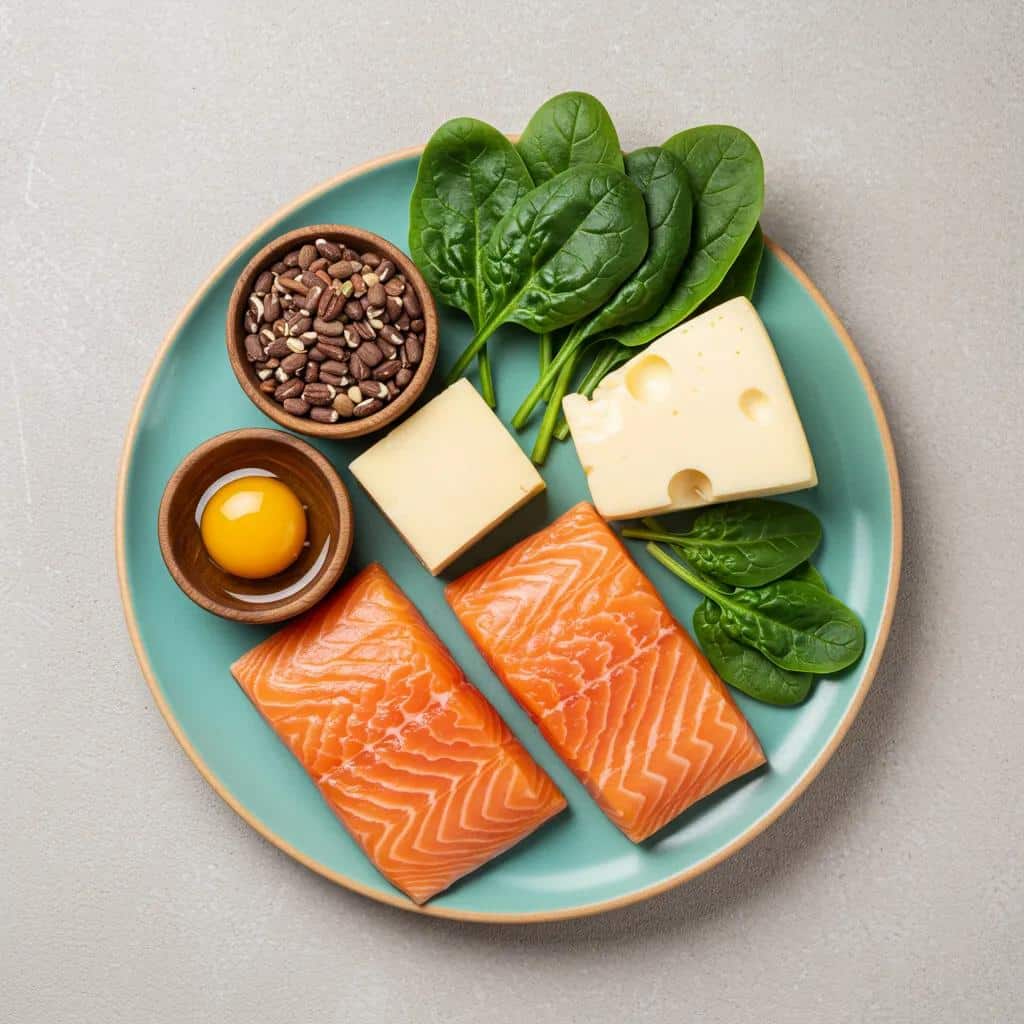
Top Nutritional Tips for Implant Patients: Essential Diet and Recovery Guidance for Dental Implant Success
Nutrition for implant patients—sometimes called implant nutrition—means choosing foods and nutrients that support soft-tissue healing, reduce inflammation, and promote osseointegration of the implant into the jawbone. Proper nutrition accelerates tissue repair, supports immune function, and provides the building blocks (protein, calcium, vitamins) the body needs to integrate dental implants reliably. This article explains why a staged diet is critical after dental implant surgery, details which foods and nutrients have the strongest evidence for healing, provides stage-by-stage meal ideas and easy recipes, and outlines the timeline for safely returning to normal eating. Readers will learn immediate post-op liquid and puree choices, soft-food options for weeks 1–4, nutrient targets (including protein and vitamin D), foods to avoid to prevent complications, and practical meal-prep strategies tailored for older adults. The guidance integrates current research perspectives on inflammation and bone health and points Dallas patients to a local resource for a free implant consultation when they need personalized dietary advice. Together these sections form a comprehensive, practical recovery nutrition plan to support implant success.
What Are the Best Foods to Eat After Dental Implant Surgery?
Immediately after implant surgery, prioritize soft, nutrient-dense foods that minimize chewing forces while delivering protein, vitamins, and anti-inflammatory nutrients to support healing. Foods that are easy to swallow and low in particulate matter reduce the risk of mechanical irritation at the surgical site while providing essential macro- and micronutrients that speed tissue repair. Choosing lukewarm or cool options also avoids thermal irritation and helps control postoperative pain, which in turn supports better oral hygiene and nutrient intake. Below is a concise list of top foods to eat post-surgery and why they help recovery, followed by practical alternatives and serving notes to simplify meal selection.
The best foods to eat after dental implant surgery include:
Greek yogurt, soft and high-protein, supporting tissue repair without chewing strain.
Mashed potatoes or sweet potatoes, offering calories and easy-to-eat carbohydrates for energy.
Pureed soups and bone broth, providing hydration, electrolytes, and easily absorbed nutrients.
Scrambled eggs, a soft complete-protein source that supports collagen and cell repair.
Soft, flaked fish (well-cooked), offering protein and omega-3 fats to reduce inflammation.
Smoothies made with protein powder and fruit, delivering concentrated nutrients in a swallowable form.
These options combine protein, anti-inflammatory fats, and micronutrients to aid healing while keeping textures safe; the next subsection explains which soft-food categories suit the first weeks after surgery.
Which Soft Foods Support Healing in the First Weeks After Implant Surgery?
Soft foods to favor in the first one to two weeks are dairy-based items, cooked and mashed vegetables, soft cereals, and tender proteins that require minimal chewing and no biting through with front teeth. Examples include plain Greek yogurt, ricotta cheese, mashed root vegetables, well-cooked oatmeal, smooth applesauce, and slow-cooked pureed legumes strained to remove skins and seeds. Temperature matters: foods should be lukewarm or cool to avoid increasing blood flow to the surgical site and irritating sutures, and patients should avoid crunchy breads, seeds, and skins that could lodge near the implant. Preparing foods by mashing, pureeing, or sieving improves safety and nutrient absorption; using bone broth or milk to thin purees adds protein and minerals. These soft-food strategies protect early healing while enabling adequate caloric and nutrient intake, which leads into a focused look at protein-rich soft foods for tissue repair.
What Protein-Rich Foods Aid Tissue Repair After Dental Implants?
Protein supports new tissue formation and collagen synthesis, making it a cornerstone of post-implant nutrition and repair mechanisms that stabilize the implant in bone and gum tissues. Soft, high-quality protein choices include scrambled eggs, Greek yogurt, cottage cheese, silken tofu, flaked cooked fish, and blended protein shakes using neutral protein powder and fortified milk alternatives. Aim to distribute protein across meals to reach a target that supports healing—current guidance for recovery-focused patients often recommends at least 1.0–1.2 grams per kilogram body weight per day depending on age and health status—so breaking intake into several soft-protein servings helps meet this goal. Preparation tips include gently poaching fish, blending tofu into smoothies, and fortifying pureed soups with powdered milk or collagen peptides to boost protein without adding chewing difficulty. Meeting protein targets reduces muscle loss, supports immune response, and improves wound closure, which naturally transitions into how to structure the recovery diet across time.
Protein Undernutrition and Dental Implant Osseointegration
Protein deficiency is associated with impaired titanium osseointegration. We studied whether systemic treatment with PTH or pamidronate could influence the resistance to pull‐out of titanium rods implanted into rats proximal tibia under normal and isocaloric low protein intake. PTH or pamidronate prevented the deleterious effects of protein undernutrition on bone microarchitecture close to the implant and on mechanical fixation. PTH even significantly improved implant osseointegration.
Defective implant osseointegration under protein undernutrition: prevention by PTH or pamidronate, R Dayer, 2007
How Should You Structure Your Dental Implant Recovery Diet?
A staged recovery diet begins with liquids and purees in the first 24–72 hours, progresses to soft mashed and tender foods during weeks 1–4, and gradually reintroduces firmer textures as clinical healing allows. Structuring the diet by phase helps patients meet protein and micronutrient targets while minimizing mechanical stress on the implant site and reducing complication risk. This timeline-based approach gives clear dietary goals for each period, practical signs to advance textures, and safety cues to pause progression if pain, swelling, or bleeding increase. Below is a short timeline and then details about immediate liquid/puree choices and criteria for moving to soft solids.
Follow this stepwise recovery timeline:
Immediate (0–72 hours): Prioritize liquids and smooth purees to avoid suction and protect the surgical site.
Early soft-food phase (days 4–14): Introduce mashed vegetables, soft proteins, and thicker purees while avoiding crunchy or sticky items.
Transitional soft-food phase (weeks 2–4): Progress to soft, bite-sized foods using the opposite chewing side and small bites.
Long-term maintenance (8–12+ weeks): Resume most textures as healing is confirmed by your dentist, while keeping nutrient-dense habits.
This structured progression balances tissue protection with gradual functional loading, and the following subsections outline specific recommended liquids/purees and safe transition strategies.
What Liquids and Purees Are Recommended Immediately Post-Surgery?
Immediately after surgery, prioritize hydration and easily swallowed nutrient delivery using plain water, electrolyte solutions, bone broth, lukewarm herbal tea, protein shakes, and smooth pureed soups. Bone broth provides collagen precursors and minerals in a comfortable temperature, while protein shakes and fortified smoothies can deliver concentrated protein and vitamins when chewing is impossible. Avoid straws if your provider advises against suction because negative pressure can disrupt blood clots; sip gently from a cup instead to protect early hemostasis. Also avoid alcoholic or highly caffeinated beverages during the immediate phase because they can impair healing and dehydrate the patient; opt for balanced hydration with electrolyte-containing beverages if needed. These liquid and puree choices sustain caloric needs and micro-nourishment, preparing patients for a safe transition to soft solids during the following weeks.
When and How to Transition to Soft Foods During Weeks 1-4?
Transition to soft foods once pain and bleeding have decreased, swelling is controlled, and you can open and close your mouth without significant discomfort—typically beginning around day 4 to week 1 for many patients but individualized by clinical signs. Start with mashed potatoes, well-cooked pasta, tender flaked fish, soft scrambled eggs, and well-blended legumes; take small bites, chew on the non-surgical side when possible, and avoid vigorous rinsing that can disturb healing tissue. Progress textures gradually: increase firmness over two- to four-week windows, testing small, controlled snacks before full meals, and look for warning signs (new bleeding, persistent sharp pain, or increased swelling) that indicate you should slow the pace. Good transitional techniques—like cutting food into small pieces, using soft spreads, and taking extra time to eat—help rebuild oral function without jeopardizing osseointegration, and the next section reviews the nutrients that specifically support bone integration and soft-tissue repair.
Which Essential Nutrients Promote Healing and Bone Integration for Dental Implants?
Essential nutrients play distinct and complementary roles in implant healing: protein for tissue repair, calcium and vitamin D for bone remodeling, vitamin C for collagen synthesis, omega-3 fatty acids to temper inflammation, and zinc for immune function and wound healing. Each nutrient affects a different part of the biological cascade that secures implants: protein supplies amino acids, calcium and vitamin D support mineralization of bone around the implant, vitamin C aids collagen matrix formation, omega-3s reduce excessive inflammation that can impair osseointegration, and zinc supports enzyme systems involved in tissue repair. Understanding these mechanisms helps patients prioritize foods and, when appropriate, discuss targeted supplementation with their dental or medical team. The table below summarizes nutrient roles, recommended sources, and practical clinical notes to guide day-to-day food choices and conversations with your provider.
Key nutrient roles for implant healing are below:
Nutrient
Healing Mechanism
Food Sources & Clinical Notes
Protein
Supplies amino acids for tissue repair and collagen synthesis
Greek yogurt, eggs, tofu, fish, protein shakes; target distributed servings across day
Calcium
Provides mineral substrate for bone remodeling and stability
Soft, flaked cooked salmon, blended chia/flax seeds in smoothies
Zinc
Supports immune function and cell proliferation during wound healing
Pureed legumes, yogurt with zinc-rich toppings, blended seed-butters if tolerated
This comparison clarifies how multiple nutrients work together to support osseointegration, and the next two subsections explore calcium/vitamin D and vitamin C/omega-3/zinc in more detail and how patients can include them safely.
(Clinical note: For personalized testing and dosing recommendations, speak with your dental or medical provider before starting supplements; deficiencies may require targeted therapy.)
How Do Calcium and Vitamin D Support Jawbone Strength?
Calcium provides the mineral building blocks necessary for bone deposition around a dental implant, while vitamin D facilitates the intestinal absorption of calcium and modulates bone remodeling cells that respond to mechanical and biological cues. Adequate calcium and vitamin D status supports osteoblast activity during osseointegration and helps maintain bone density near the implant over time. Food-based calcium can come from dairy or fortified alternatives, and vitamin D is available from fatty fish and fortified foods, though many adults have suboptimal vitamin D levels and may need testing and targeted supplementation under clinical supervision. Clinically, vitamin D deficiency has been associated with higher risks of poor bone healing; therefore, discussing testing and correction of deficiencies with your health team can improve implant outcomes. This understanding of calcium and vitamin D leads naturally into the roles of vitamin C, omega-3s, and zinc for soft-tissue and inflammatory control.
What Role Do Vitamin C, Omega-3 Fatty Acids, and Zinc Play in Implant Recovery?
Vitamin C is essential for collagen synthesis and gum tissue repair, omega-3 fatty acids reduce inflammatory signaling that can impede healing, and zinc supports immune responses and enzyme systems involved in cell proliferation; together these nutrients support both the soft-tissue seal and the bone environment around implants. Practically, patients can increase vitamin C intake with berry and citrus purees or smoothies, include omega-3s through soft, cooked fish or blended ground flax/chia seeds, and obtain zinc from pureed legumes and dairy. These nutrients also interact: vitamin C supports collagen formation that benefits from a low-inflammatory environment promoted by omega-3s, while zinc accelerates wound closure and resistance to infection. Integrating these foods into soft-food plans—such as adding blended flax to smoothies or choosing soft-cooked salmon—helps manage inflammation and support tissue integrity during the critical weeks after surgery. Understanding these nutrient synergies informs meal planning and the next section on foods to avoid that could undermine these mechanisms.
Dietary Strategies for Wound Healing After Dental Implant Surgery
Methods to optimize healing through dietary strategies present an attractive option for patients, such that healing from delicate oral surgeries occurs as optimally as possible with minimal patient-meditated complications through improper food choices. This review discusses findings from studies that have investigated the role of diet, either whole foods or individual dietary components, on periodontal health and their potential role in wound healing after periodontal surgery. To date, research in this area has largely focused on foods or individual dietary components that may attenuate inflammation or oxidant stress, or foster de novo bone formation. These studies suggest that a wide variety of dietary components, including macronutrients and micronutrients, are integral for optimal periodontal health and have the potential to accelerate oral wound healing after periodontal procedures. Moreover, this review provides guidance regarding dietary considerations that may help a pat
Dietary strategies to optimize wound healing after periodontal and dental implant surgery: an evidence-based review, PC Fritz, 2013
What Foods Should Implant Patients Avoid to Prevent Complications?
Certain foods and beverages increase risk to the healing implant by causing mechanical disruption, promoting irritation, or impairing immune response, so avoidance during early and transitional phases is essential. Hard, crunchy, and sharp foods can physically dislodge sutures or damage the soft tissue around the implant, sticky foods can adhere to sites and introduce bacteria, and extremely hot or acidic items can increase local inflammation and bleeding. Alcohol impairs immune function and should be avoided during the healing window, while excessive caffeine and very spicy foods can exacerbate discomfort and delay recovery. The table below maps common problematic foods to specific risks and suggested avoidance windows to help patients make safe choices in each recovery phase.
Below is a quick-reference table of foods to avoid and why:
Food Type
Risk
Avoidance Recommendation
Nuts & hard seeds
Mechanical disruption and potential for fragment lodgment
Avoid until full tissue healing (typically beyond 6–8 weeks)
Chips, hard crusts, raw carrots
Crushing forces can damage sutures or early bone healing
Avoid for initial 4–8 weeks; reintroduce slowly under guidance
Sticky candies, caramels
Adhere to implants and exert tensile forces
Avoid until mucosal seal is established (weeks to months)
Alcohol
Impairs immune response and healing
Avoid during initial healing; discuss with provider before resuming
Very hot beverages & acidic drinks
Increase bleeding risk and irritate tissues
Consume lukewarm or cool; delay acidic juices during first 1–2 weeks
This table clarifies which textures and substances pose the largest risks, and the next two subsections explain the mechanical and physiological reasons behind these restrictions and provide safe alternatives.
Why Are Hard, Crunchy, and Sticky Foods Harmful After Implant Surgery?
Hard and crunchy foods create concentrated mechanical forces that can strain sutures, disrupt the clot or early soft-tissue seal, and transmit stress to the implant site during the period when bone has not fully integrated with the implant surface. Sticky foods adhere to teeth and surgical sites, increasing the likelihood of bacterial accumulation and mechanical tugging that may displace healing tissue or widen incisions. These mechanical risks extend beyond immediate days to weeks because osseointegration is a multi-week process, so conservative texture progression reduces the chance of early movement that could impair bone-implant contact. Soft alternatives—such as mashed vegetables, tender flaked fish, and soft cheeses—provide nutrition without mechanical risk and assist steady progression toward stronger textures. Understanding mechanical injury risks supports cautious reintroduction of firmer foods in the weeks following surgery.
How Do Acidic, Spicy, Hot Beverages, and Alcohol Affect Implant Healing?
Acidic foods and beverages can chemically irritate healing mucosa and may increase discomfort and inflammation at the surgical site, which can slow epithelialization and amplify sensitivity. Spicy or very hot foods increase blood flow and can provoke bleeding or heightened pain responses; thermal and chemical irritation can compromise the stability of early tissue attachments. Alcohol has systemic effects: it can impair immune cell function, reduce wound tensile strength, and interfere with medication metabolism, all of which slow recovery. For these reasons, patients are advised to consume lukewarm, neutral beverages, avoid highly acidic juices and spicy meals during early healing, and refrain from alcohol until their clinician confirms adequate healing. These physiological cautions help frame long-term nutritional habits that support implant longevity, discussed next.
How Can Implant Patients Maintain Long-Term Nutrition for Implant Longevity?
Long-term implant success depends on chronic support for bone and gum health through a balanced diet, consistent oral hygiene, and routine professional follow-up; nutrition is a modifiable factor that reduces implant failure risk when applied consistently. Long-term principles include meeting protein needs, ensuring adequate calcium and vitamin D, consuming antioxidant-rich fruits and vegetables, limiting sugary and highly acidic foods that can damage peri-implant soft tissues, and maintaining a healthy systemic environment by managing metabolic conditions. Nutrition also interacts with other care aspects—good oral hygiene and smoking cessation (if applicable) amplify the protective effects of a nutrient-dense diet—so patients should treat diet and dental care as complementary. The next subsections outline practical balanced-diet principles for ongoing oral health and how nutrition reduces long-term implant failure risk.
What Balanced Diet Principles Support Ongoing Oral Health?
A balanced long-term diet for implant longevity emphasizes whole foods, lean proteins, dairy or fortified alternatives for calcium, fruits and vegetables prepared to avoid hard textures, healthy fats including omega-3s, and limited added sugars and acid exposure from frequent snacking on sodas or fruit juices. Daily habits like distributing protein across meals, choosing calcium-fortified beverages or soft dairy, and including antioxidant-rich purees or cooked vegetables support both bone maintenance and mucosal health. For older adults in the 40–60s demographic, attention to calorie adequacy while preserving lean mass through protein is especially important, and coordinating dietary plans with primary care—particularly for patients with diabetes or other systemic conditions—optimizes outcomes. These balanced-diet principles form the foundation for reducing long-term risk, which is explored next in terms of specific failure-risk pathways and mitigation.
How Does Proper Nutrition Reduce the Risk of Implant Failure Over Time?
Proper nutrition reduces long-term implant failure by supporting bone remodeling, limiting chronic inflammation that damages peri-implant tissues, and maintaining systemic health factors (e.g., glycemic control) that influence healing capacity and infection risk. Chronic deficiencies—such as untreated vitamin D insufficiency, low protein intake, or persistent poor-quality diet with high sugar and acid—can compromise bone density and soft-tissue resilience, increasing the chance of peri-implantitis and mechanical failure. Regular monitoring, correction of identified deficiencies, and sustained adherence to nutrient-rich dietary patterns decrease inflammatory burden and support ongoing tissue integrity around implants. Combining dietary strategies with routine dental check-ups ensures early detection of issues and continued reinforcement of behaviors that promote implant longevity, leading into the next section with concrete meal ideas and recipes to make following these principles easier.
What Are Easy and Nutritious Meal Ideas for Dental Implant Patients?
Practical meal ideas make it easy to meet recovery nutrient targets without taxing the surgical site, using smoothies, pureed soups, soft casseroles, and tender proteins that can be batch-prepared and reheated gently. Recipes that prioritize protein, calcium, vitamin C, and healthy fats—such as a protein-rich berry smoothie, silken tofu purées, creamy mashed legumes, and slow-cooked fish stews—deliver healing nutrients in safe textures. Meal-prep strategies like batch-cooking, freezing single-serve portions, and using a blender or slow cooker reduce daily effort while preserving nutrients and variety. Below is a table of sample meals with their nutrient focus and preparation tips to help patients and caregivers plan safe, nourishing menus during recovery and beyond.
The following table maps meal ideas to nutrient focus and preparation suggestions:
Meal
Nutrient Focus
Serving Suggestions / Preparation Tips
Protein Berry Smoothie
Protein, Vitamin C, Calcium
Blend Greek yogurt or protein powder, berries, mashed banana, and fortified milk; serve lukewarm or chilled
Silken Tofu & Avocado Puree
Protein, Healthy Fats
Smooth silken tofu with ripe avocado, lemon (small amount), and salt; serve at room temp
Pureed Lentil Soup
Protein, Zinc, Iron
Cook lentils until very soft and blend with broth; season gently and strain for smooth texture
Slow-Cooked Salmon Stew
Omega-3s, Protein
Slow-cook skinless salmon until flaked, combine with pureed cooked veggies and broth for a soft stew
Mashed Sweet Potatoes with Yogurt
Carbs, Vitamin A, Calcium
Mash fully cooked sweet potatoes with yogurt or milk for added protein and calcium
This table offers practical, soft-texture meals that satisfy recovery nutrient goals; the next subsections provide smoothie recipes and soft meal-prep tips to operationalize these ideas.
Which Smoothie Recipes Are Ideal for Post-Implant Recovery?
Smoothies optimized for implant recovery combine a protein base, vitamin C–rich fruit, calcium-fortified liquid, and a small amount of healthy fat to support absorption and satiety; these can be consumed immediately post-op when chewing is limited. Recipe examples include a Greek yogurt berry smoothie with protein powder and a tablespoon of ground flaxseed, a silken tofu green smoothie blended with banana and fortified plant milk for calcium, and a tropical smoothie using mashed avocado, mango, and protein supplement for healthy fat and nutrients. Blend ingredients until completely smooth and serve lukewarm or chilled depending on tolerance, avoiding extreme temperatures. Substitutions for dairy allergies include pea or soy protein and fortified almond or oat milks; adding collagen peptides or powdered milk can boost protein discreetly. These smoothie formulas provide high-nutrient, easy-to-consume options that assist in meeting daily targets and lead naturally to tips for soft meal prep and storage.
What Soft Meal Prep Tips Help Patients Meet Nutritional Needs?
Batch cooking and single-serve freezing simplify recovery meal logistics while ensuring consistent nutrient intake during the healing period, using appliances like blenders, slow cookers, and immersion blenders to achieve safe textures without daily effort. Strategies include preparing large batches of pureed soups and freezing in portion-safe containers, labeling meals with date and nutrient focus, pre-mashing proteins like flaked fish into small portions, and using broth or fortified liquids to thin purees as needed for swallowing safety. Use gentle reheating methods—steam or low-power microwave with stirring—to avoid overheating and preserve nutrients, and rotate flavors weekly to prevent taste fatigue and ensure a balance of vitamins and minerals. These meal-prep approaches reduce stress for patients and caregivers, maintain nutrient density across recovery, and encourage sustained healthy eating patterns as the patient progresses to firmer textures.
(Practical note: For personalized meal plans that account for allergies, dietary preferences, or caloric goals, consider consulting a nutrition professional.)
How Long After Dental Implant Surgery Can You Return to Normal Eating?
Returning to normal eating depends on the pace of soft-tissue healing and the progress of osseointegration, but many patients move from liquids to soft foods within the first two weeks and gradually resume regular textures between 8 and 12 weeks pending clinical confirmation. The initial 24–72 hours require strict liquid and puree intake, days 4–14 allow soft mashed foods and tender proteins, and weeks 4–8 enable firmer soft textures; full return to unrestricted chewing typically follows professional assessment confirming adequate integration and mucosal healing. Individual factors—such as overall health, smoking status, and compliance with postoperative instructions—affect timing, so using defined clinical milestones rather than calendar dates ensures safer progression. The following subsections outline typical timelines and when to contact your dentist if concerns arise.
What Is the Typical Recovery Timeline for Resuming Regular Foods?
Typical recovery timelines for resuming regular foods progress in stages: immediate liquids and purees (0–72 hours), soft mashed and easy chewables (days 4–14), firmer soft foods and testing chewing function (weeks 2–4), and cautious reintroduction of normal textures around 8–12 weeks pending clinical checks. Many patients can eat soft variants of favorite foods within two weeks, but full return to crunchy or hard items should be delayed until the dental team confirms that osseointegration is progressing well. Using small bites, chewing away from the surgical side, and avoiding high-force biting during transitional weeks helps protect the implant and encourages steady functional recovery. If the patient adheres to this staged approach, nutritional needs are met while minimizing mechanical risks during the most vulnerable phases of healing.
When Should Patients Consult Their Dentist About Diet Progression?
Patients should consult their dentist promptly if they experience new or worsening pain, increased swelling beyond the expected timeframe, persistent bleeding, fever, or any signs of drainage from the surgical site, as these symptoms may indicate infection or other complications needing clinical evaluation. Routine post-op visits—typically scheduled within the first one to two weeks—are opportunities to assess tissue healing and receive tailored advice about advancing textures, and additional follow-ups help confirm osseointegration before resuming hard foods. If patients are unsure about progression—such as whether to try a firmer texture or how to manage a dietary intolerance—scheduling a consult provides individualized guidance aligned with the clinical healing status. When in doubt, delay aggressive texture advancement and contact your dental team for assessment and tailored dietary recommendations.
(Brief reminder: If you need personalized dietary guidance tied to your implant plan, a clinic consult can provide tailored timelines and meal plans.)
Where Can Dallas Patients Find Affordable Nutritional Support and Free Implant Consultations?
Affordable Dentist Near Me of Dallas provides local support for patients considering or recovering from dental implants and offers a Free implants consultation to discuss individualized treatment and recovery plans. The Dallas clinic provides dental implants as a service and lists a free implants consultation among its patient offerings; during that consultation patients can ask about personalized dietary guidance, recovery timelines, and implant planning. Affordable Dentist Near Me of Dallas emphasizes patient comfort and comprehensive services—including general, cosmetic, emergency, pediatric, endodontic, periodontic, prosthodontic, orthodontic, and sedation dentistry—so implant nutrition and post-op care are discussed as part of an integrated treatment plan. Local patients who want a tailored conversation about how nutrition fits into their implant timeline can schedule the free implant consult via the Dallas location page or contact the clinic through its Google Business Profile to arrange an appointment.
How Does Affordable Dentist Near Me of Dallas Support Implant Nutrition and Recovery?
Affordable Dentist Near Me of Dallas supports implant patients by offering implant services and a Free implants consultation where clinicians can review individualized recovery plans and provide dietary recommendations specific to a patient’s health and treatment plan. The clinic highlights experienced professionals focused on patient comfort and positive outcomes, and the consultation gives patients an opportunity to discuss protein targets, stage-based diets, and meal ideas that align with their implant timeline. Affordable Dentist Near Me of Dallas lists comprehensive services covering specialties that relate to implant placement and aftercare, which allows coordination of surgical, restorative, and supportive nutrition advice within one care team. Patients seeking localized, budget-aware implant care and nutrition support can use that free consult as a practical step toward tailored recovery planning.
How to Schedule a Free Dental Implant Consultation for Personalized Dietary Advice?
To schedule a Free implants consultation with Affordable Dentist Near Me of Dallas, patients should visit the Dallas location page listed by the clinic or check its Google Business Profile to find scheduling options and location details; these resources provide the official pathway to arrange a consult that can include dietary counseling tied to an implant plan. The Dallas clinic’s address is 6301 Abrams Rd Ste 125, Dallas, Texas 75231, and the consultation is presented as a complimentary service for prospective implant patients to review treatment options and recovery guidance. During the free consult, ask about personalized meal plans, nutrient testing recommendations, and follow-up timing to ensure your diet supports successful osseointegration. Scheduling a consult connects you directly with the dental team to translate the general nutrition guidance in this article into a plan that fits your health status and implant timeline.
(Administrative note: Bring current medication and medical history to the consultation so clinicians can tailor dietary and recovery advice safely.)
Top practical tips and quick lists for recovery
The lists below summarize key actions, timeline checkpoints, and red-flag signs to support patient comprehension and quick reference during recovery.
Immediate recovery actions: Rest and hydrate using lukewarm fluids and bone broth to maintain electrolytes and support early healing.Use protein-rich smoothies or shakes to meet daily protein targets without chewing strain.Avoid straws, smoking, and alcohol to protect early clot formation and immune response.
Nutrient priorities during healing: Prioritize distributed protein intake across meals for tissue repair.Ensure calcium and vitamin D adequacy to support bone remodeling around the implant.Add vitamin C and omega-3 foods to promote collagen formation and reduce inflammation.
Red-flag symptoms requiring dentist contact: New or worsening severe pain beyond normal postoperative expectation.Persistent or increasing swelling, bleeding, or any purulent drainage from the surgical site.Fever or systemic signs of infection or an inability to stay hydrated and nourished.
Tables summary and key takeaways
The tables in this article clarified which nutrients matter most for osseointegration, mapped risky foods to avoidance windows, and provided meal examples with preparation notes to make recovery eating practical and safe. Core takeaways include prioritizing protein distribution, maintaining calcium and vitamin D status, including vitamin C and omega-3s to support soft-tissue and inflammatory control, and avoiding hard, sticky, acidic, or alcoholic items during the initial healing window. Combining stage-appropriate foods with careful texture progression and routine dental follow-up gives the best chance for predictable implant integration and long-term function.
(If you want personalized guidance, schedule a Free implants consultation to discuss how these nutrition strategies apply to your specific treatment and recovery plan with the dental team at Affordable Dentist Near Me of Dallas — they can provide tailored timelines and meal planning during your consult.)