Why Dental Implants Fail: Common Causes, Warning Signs, and How Local Clinics Prevent Them
Dental implant failure happens when an implant never bonds securely with the jawbone or later loses support because of infection or mechanical problems. Modern implant care has excellent long-term results, but knowing why failures occur helps patients and dental teams avoid complications and plan repairs when needed. This guide walks through the main causes of implant failure, the signs to watch for, prevention steps clinics use, and the diagnostic and repair options available. You’ll learn the difference between early and late failures, how health and lifestyle affect outcomes, and what Fort Worth clinics usually do during an evaluation or revision.
What Are the Primary Causes of Dental Implant Failure?
Implant failure can come from biological, mechanical, surgical, or patient-related issues that stop osseointegration or trigger progressive bone loss. When an implant doesn’t fuse or later becomes loose, common culprits include infection (peri-implantitis), poor bone quality, surgical mistakes, systemic disease, or excessive bite forces. Understanding these categories helps patients spot risks and lets clinicians choose focused prevention or repair steps. Below is a short list of the most frequent causes, followed by a table that links cause, mechanism, and typical clinical signs.
Common causes include infection, failed integration, surgical placement problems, health conditions, lifestyle habits, and occlusal overload.
Each factor interacts with tissue biology and prosthetic design to determine how quickly and severely problems develop.
Spotting risks early helps guide pre-op optimization and targeted follow-up, improving outcomes.
Cause
Mechanism
Typical Clinical Sign / Impact
Peri-implantitis
Bacterial biofilm causes inflammation of the tissues around the implant
Bleeding on probing, pus, progressive bone loss
Osseointegration failure
Bone does not form a stable interface with the implant due to biological or mechanical issues
Persistent mobility, lack of radiographic bone apposition
Surgical errors
Incorrect angulation, depth, or soft-tissue damage during placement
Malpositioned restoration, nerve symptoms, early pain
Systemic health issues
Conditions that impair healing or immunity (for example, uncontrolled diabetes)
Delayed healing, higher infection risk
Lifestyle factors
Smoking, poor oral hygiene, bruxism
Greater infection rates, mechanical overload
Occlusal overload
Excessive bite forces or poor prosthetic design concentrating stress
Microfractures, bone resorption, component failure
This comparison shows how each cause links to observable signs and points the clinician toward specific diagnostic steps and treatments. Identifying the main mechanism early streamlines planning and referrals.
How Does Peri-Implantitis Lead to Implant Failure?
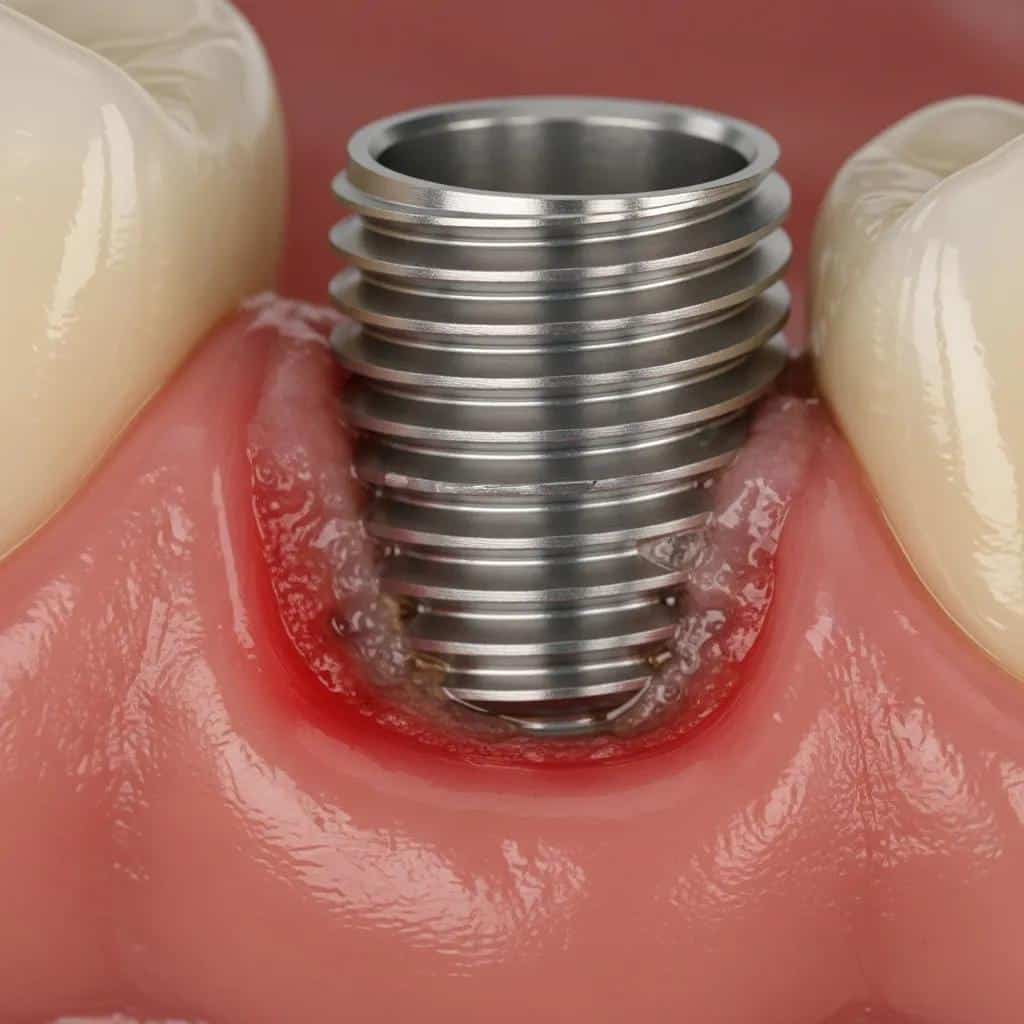
Peri-implantitis is an infection-driven inflammation of the soft tissue and bone around an implant caused by a pathogenic biofilm. Left unchecked, it drives progressive bone loss and soft-tissue breakdown.
It usually starts with plaque accumulation and bacteria that trigger a destructive inflammatory response, weakening the bone and surrounding tissue.
Clinically, you may see redness, bleeding on probing, deeper pockets, pus, and—over time—implant mobility as bone support decreases.
Treatment typically includes mechanical cleaning, local or systemic antibiotics, antiseptic rinses, and, for advanced bone loss, surgical access and regenerative grafting.
Routine maintenance visits and strict plaque control are the most reliable ways to catch peri-implantitis early and protect implant stability.
Why Does Osseointegration Failure Occur in Dental Implants?
Osseointegration failure happens when bone fails to form a stable bond with the implant surface. Causes include insufficient bone volume or quality, active infection, micromovement from premature loading, or systemic conditions that impair bone metabolism.
Early failure typically shows up as pain, lack of radiographic bone apposition, and mobility within weeks to months. Late failure appears as gradual bone loss after an initial period of function.
Prevention focuses on careful pre-surgical evaluation of bone quality, staged loading when needed, bone grafting when volume is inadequate, and strict contamination control during surgery.
If integration fails, clinicians consider explantation with grafting and delayed re-implantation or alternative restorations depending on bone and health factors.
How Do Surgical Errors Contribute to Implant Complications?
Surgical errors that can cause implant problems include wrong angulation, incorrect depth, poor primary stability, thermal damage to bone, or damaging nearby anatomy like nerves or the sinus. These mistakes change the biomechanical and vascular environment, raising the risk of poor healing, chronic pain, or loss of the implant.
For example, low insertion torque can allow micromotion and failed osseointegration; over-preparing the site reduces bone contact and stability.
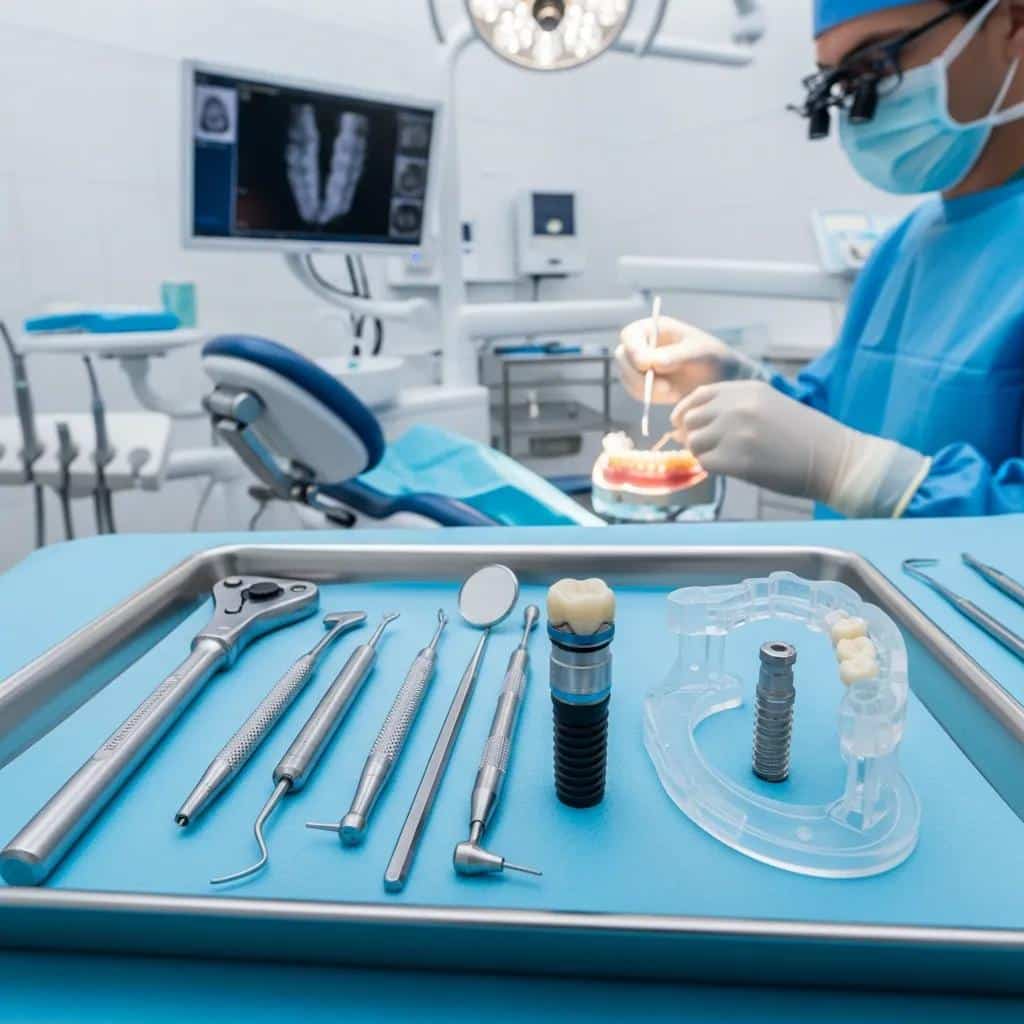
Prevention relies on careful planning: 3D imaging, surgical guides, correct implant selection, and strict sterile technique cut down procedural risk.
If a placement problem occurs, solutions range from adjusting the prosthetic and occlusion to guided removal and specialist re-operation when needed.
What PatientHealth Factors Increase the Risk of Implant Failure?
A patient’s overall health strongly affects healing and infection resistance. Conditions such as uncontrolled diabetes, immune suppression, osteoporosis, and some autoimmune diseases can slow bone formation, weaken immune response, and raise wound-healing risks.
Certain medications—like bisphosphonates or long-term steroids—also affect bone turnover and surgical risk.
Best practice is a thorough medical history, targeted labs or clearance when indicated, and coordination with the patient’s physician to optimize health before surgery.
Often, stabilizing medical issues or adjusting the treatment plan (staged grafting, antibiotics, conservative loading) lowers risk and improves chances for long-term success.
How Do Lifestyle Habits Like Smoking and Bruxism Affect Implant Success?
Everyday habits create biological and mechanical challenges for implants. Smoking reduces blood flow and oxygenation, slowing healing and raising infection and peri-implantitis risk. Bruxism produces high bite forces and micromovement that can disturb bone-to-implant contact and wear prosthetic parts.
Clinicians address these risks by advising smoking cessation, recommending timelines before surgery, and offering occlusal guards, robust prosthetic designs, and force-distributing restorations for bruxers.
Combining behavior changes with sound prosthetic planning greatly reduces the chance these habits will compromise integration and long-term function.
What Role Does Occlusal Overload Play in Implant Failure?
Occlusal overload means excessive bite force concentrated on the implant restoration, stressing the surrounding bone and prosthetic elements. Unlike natural teeth, implants lack a periodontal ligament to absorb force, so overload transmits directly to bone and can cause micro-damage at the interface.
Signs include screw loosening, prosthetic fracture, marginal bone loss, or gradual implant mobility.
Prevention requires occlusal analysis during restorative planning, balanced contacts, correct implant number and placement to spread forces, use of night guards for bruxers, and, when needed, altering restorative design to reduce cantilevers.
When overload is found, occlusal adjustments and prosthetic redesign usually stop further bone loss and restore function.
What Are the Common Signs and Symptoms of Dental Implant Failure?
Spotting early warning signs helps patients get timely care and lets clinicians choose conservative or surgical responses. Symptoms range from mild, treatable inflammation to clear mobility and pus. Distinguishing normal post-op discomfort from pathology is important.
Watch for these main symptoms:
Persistent or worsening pain: Pain that doesn’t ease within the expected healing window.
Implant mobility: Any looseness of the implant or attached crown.
Soft-tissue changes: Swelling, redness, bleeding on probing, or pus discharge.
Gum recession or exposed implant parts: Tissue loss exposing the implant surface.
Functional changes: A changed bite, trouble chewing, or an unstable prosthesis.
This table ties specific signs to likely causes and urgency levels so patients know when to seek care and clinicians can prioritize treatment.
How Can Pain and Discomfort Indicate Implant Problems?
Some pain after implant placement is normal and typically eases in days to a few weeks. Pain that persists, worsens, or becomes throbbing points to problems—commonly infection (peri-implantitis), nerve trauma, or mechanical instability with micromotion.
Clinicians assess pain type, timing, and related signs (swelling, fever, discharge) to separate normal recovery from pathology. Early steps include infection control, pain relief, and imaging to find the source; severe or neuropathic pain may need urgent referral. Quick evaluation can prevent reversible inflammation from becoming irreversible bone loss.
What Does Implant Mobility or Looseness Reveal?
Mobility is one of the clearest signs of failed osseointegration or advanced bone loss and needs prompt assessment. Causes include poor initial stability, ongoing infection that undermines bone, or mechanical overload causing microfractures.
Clinicians test mobility carefully, take radiographs, and check prosthetic components to decide if the implant can be saved. Treatments range from tightening or infection control to removal and staged reconstruction with grafting. If you notice movement of your implant-supported crown, seek care quickly to protect remaining bone and future options.
How Do Swelling, Gum Recession, and Bleeding Signal Failure?
Soft-tissue inflammation—swelling, redness, bleeding on probing, or pus—is an early warning sign that may precede significant bone loss. Bleeding on probing shows active inflammation; recession exposes the implant-abutment junction and makes the site more vulnerable to bacteria.
Progressive tissue breakdown usually means plaque control or maintenance has lapsed and can develop into peri-implantitis with measurable bone loss. Clinicians respond with non-surgical cleaning, hygiene reinforcement, antimicrobials, and, if needed, surgical decontamination and regenerative work. Early soft-tissue changes are often reversible with prompt professional and home care.
How Can Dental Implant Failures Be Prevented in Local Clinics?
Preventing implant failures is a layered process that combines pre-op risk assessment, precise surgery, evidence-based restorative design, and long-term maintenance. Clinics that follow standardized pathways—complete medical reviews, CBCT planning, staged protocols for compromised sites, and structured recalls—see lower complication rates. Prevention is a team effort: clinicians manage technical risk while patients commit to hygiene and lifestyle changes. Below is a practical checklist of clinic and patient prevention measures and a simple table linking actions to outcomes.
Key strategies include thorough candidate selection, advanced imaging and planning, smoking-cessation support, medical optimization, and scheduled professional maintenance.
Clinics should prioritize staff training, strict aseptic technique, and guided surgery when appropriate to reduce placement errors.
Patient education and a formal recall program are vital for spotting early tissue changes before bone loss becomes irreversible.
Preventative Focus
Preventative Action
Expected Outcome
Candidate selection
Medical history, HgbA1c check when indicated
Reduced systemic risk
Imaging and planning
CBCT and surgical guides
More accurate placement, fewer surgical errors
Tobacco and lifestyle
Smoking cessation counseling
Better healing and lower infection risk
Surgical protocol
Aseptic technique, correct implant choice
Improved primary stability, fewer infections
Maintenance
Scheduled hygiene visits and radiographic checks
Early detection of peri-implant disease
These actions link clinic processes and patient behaviors to measurable benefits—layered prevention lowers both early and late failures and supports predictable outcomes.
What Pre-Surgical Assessments Reduce Failure Risks?
Good pre-surgical assessment begins with a full medical and dental history to uncover health or medication factors that could affect healing. Three-dimensional CBCT imaging, when available, evaluates bone volume, quality, and anatomy to guide implant selection and placement. A clinical check of soft tissues, occlusion, and opposing dentition informs restorative planning so forces are distributed correctly. If bone is lacking, staged grafting or sinus-lift planning may be needed to build a stable foundation. Finally, optimizing health—such as smoking cessation or coordinating diabetes care with a physician—improves the odds of successful osseointegration.
How Does Maintaining Optimal Oral Hygiene Prevent Complications?
Daily plaque control and regular professional maintenance are the front line against peri-implant mucositis and progression to peri-implantitis. Patients should use interdental brushes or floss designed for implants, brush effectively, and avoid habits that trap plaque. Clinics support this with personalized maintenance schedules—often more frequent than for natural teeth—and professional debridement using instruments safe for implant surfaces. Teaching patients how to spot early soft-tissue changes helps ensure timely review. When patients and clinics work together, inflammation declines and bone levels remain healthier long term.
How Are Systemic Health Conditions managed to Support Implant Success?
Managing systemic risks means dental teams collaborate with medical providers to optimize measurable markers and perioperative readiness. For example, getting diabetes under reasonable control lowers infection risk, and reviewing bone-affecting medications helps set timing and consent. In cases of immune suppression or complex comorbidities, clinicians may modify techniques, use prophylactic antibiotics, or stage treatment to reduce risk. Clinics document medical clearance and tailor postoperative monitoring to each patient’s profile so systemic factors are actively managed throughout the implant pathway.
What Post-Surgical Care Practices Ensure Long-Term Implant Health?
Post-op instructions should be clear about wound care, activity limits, and follow-up timing to check healing and osseointegration. Early visits focus on soft-tissue healing and managing pain or swelling; radiographs at set intervals monitor bone stability. Long-term care emphasizes professional cleanings, ongoing hygiene coaching, and occlusal checks to catch overload. If inflammation appears, prompt non-surgical therapy or surgical intervention can stop progression and save the implant. A structured recall program plus patient adherence to home care and lifestyle advice gives the best chance for lasting implant health.
Schedule a Free Dental Implant Consult
This short local-services note explains how Fort Worth clinics turn prevention into accessible care. Affordable Dentist Near Me Fort Worth follows structured pre-op assessments, imaging, and patient education to reduce risks. The office offers a Free Dental Implant Consult (valued at $79) with no exam or X-ray required for an initial screening and to discuss personalized prevention strategies. The consult identifies modifiable risks and builds a safe, realistic plan for implant therapy while lowering financial barriers to first-step evaluation.
What Are the Treatment and Repair Options for Failed Dental Implants?
When implants fail, clinicians use a diagnostic workflow to classify the cause and then choose targeted treatments from conservative care to surgical reconstruction. Diagnosis includes history, clinical exam, mobility testing, radiographs or CBCT to measure bone loss, and microbiology when infection is suspected. Treatment options range from non-surgical cleaning and antibiotics for early disease to surgical decontamination with regenerative grafting for limited defects, or explantation and staged reconstruction when bone loss is extensive. The best choice depends on cause, tissue loss, overall health, and restoration goals.
Diagnosis is stepwise—history, exam, imaging, and targeted tests guide the treatment plan.
Options range from conservative infection control to explantation, grafting, and delayed re-implantation.
Clear patient counseling on timelines, success chances, and costs is essential for informed decisions.
Procedure
Typical Use Case
Typical Recovery Time
Mechanical debridement + antibiotics
Early peri-implant mucositis or mild peri-implantitis
1–4 weeks for symptom control
Surgical debridement + regenerative grafting
Contained bone defects with a salvageable implant
3–6 months for graft integration
Explantation + socket grafting
Severe bone loss or a non-salvageable implant
3–6 months before re-implantation
Re-implantation after grafting
When bone has regenerated sufficiently
Additional 3–6 months to osseointegrate
This table helps set realistic expectations about staged treatments and the recovery timelines patients can expect.
How Is Dental Implant Failure Diagnosed Accurately?
Accurate diagnosis combines the patient’s history with clinical signs, mobility tests, and imaging to tell infection-driven failure apart from mechanical or integration problems. Dentists ask about symptom timing, prior treatments, and medical factors that affect healing. A clinical exam checks soft tissues, pocket depths, mobility, and any discharge; radiographs or CBCT quantify bone loss and show peri-implant radiolucencies. When infection is likely, cultures or biopsy can help choose targeted antibiotics. A clear diagnostic plan makes sure treatment addresses the root cause, not just symptoms.
What Are Common Revision Procedures Like Bone Grafting and Re-Implantation?
Revision work aims to remove infection, rebuild bone and soft tissue, and create a stable platform for a new prosthesis when possible. Grafting options—autograft, allograft, xenograft, or synthetic substitutes—are chosen based on defect size and patient factors; membranes and biologics may support regeneration. After grafting, clinicians allow several months for new bone to form before placing a new implant; timelines often range from three to six months depending on graft type and site. When infection is resolved and adequate bone is present, re-implantation can have good success rates, but patients should expect longer, staged treatment compared with initial placement.
When Should Patients Seek Expert Help for Implant Issues?
Seek urgent evaluation for severe or worsening pain, clearly noticeable implant mobility, swelling with pus, uncontrolled bleeding, or systemic symptoms like fever. Prompt but not urgent review is needed for ongoing mild pain, progressive gum recession, or bite changes that suggest prosthetic or occlusal problems. Clinics usually triage suspected failures quickly with clinical checks and imaging to decide whether immediate steps (drainage, antibiotics, temporary prosthetic removal) are needed. If you’re in Fort Worth and unsure about symptoms, Affordable Dentist Near Me Fort Worth offers focused evaluations that can point to the right next steps or referrals.
Schedule a Free Dental Implant Consult
Affordable Dentist Near Me in Fort Worth provides consultation and revision planning and can explain whether non-surgical therapy, surgical salvage, or staged reconstruction is best. Patients with suspected implant problems can book a Free Dental Implant Consult (valued at $79) with no exam or X-ray required to review options and plan next steps.
Why Choose Affordable Dentist Near Me Fort Worth for Dental Implant Care?
Affordable Dentist Near Me Fort Worth is a local, approachable option focused on clear pricing, patient comfort, and access to implant and denture services. The practice keeps costs manageable through everyday low fees and offers financing and a Dental Discount Plan to reduce out-of-pocket barriers. The Fort Worth team emphasizes comfort—with sedation options when appropriate—and is led by Dr. Mike Tri Pham, DDS. Strong patient feedback and solid ratings give new patients extra confidence when choosing care locally. Below are the main reasons patients pick this clinic and the offers that make evaluation and treatment easier.
The practice offers a Free Dental Implant Consult (valued at $79) with no exam or X-ray required as an easy first step for patients worried about implant risks or complications.
Affordability options include a Dental Discount Plan and flexible financing to help patients plan restorative work without large upfront costs.
Sedation dentistry and patient-focused protocols make complex procedures easier to tolerate and reduce anxiety.
Offer
What It Means
Benefit to Patients
Free Dental Implant Consult (valued at $79)
No-cost screening visit for implant evaluation
Makes specialist assessment easy and low-risk
Dental Discount Plan / Financing
Payment alternatives to manage treatment cost
Makes care more affordable and accessible
Sedation Dentistry
Comfort options during procedures
Reduces anxiety and improves patient tolerance
How Does Our Experienced Team Prevent and Manage Implant Failures?
Our team approach centers on thorough pre-assessment, evidence-based surgical technique, and structured post-op follow-up to lower complication rates. Protocols include complete medical history review, imaging-based planning, and tailored prosthetic design to spread forces correctly. During treatment, we emphasize sterile technique, careful implant selection, and patient education about hygiene and lifestyle changes. For complications, we coordinate diagnostics and offer conservative care or specialist referral for complex reconstruction. Highlighting Dr. Mike Tri Pham and our staff’s focus on comfort and clear communication helps build trust while you make decisions.
What Affordable Solutions and Financing Options Are Available?
Affordability is managed through everyday low fees and the Dental Discount Plan that can reduce procedure costs for eligible patients. Flexible financing lets patients spread payments over time, which is useful for staged care like grafting followed by re-implantation. The Free Dental Implant Consult removes the initial exam or X-ray cost so patients can get a risk assessment and estimate before committing to treatment. For many people, these options make implant care or corrective procedures realistic and manageable.
What Do Patient Testimonials Say About Our Implant Success?
Reviews commonly mention affordability, compassionate care, and good outcomes after restorative and implant-related treatments. The Fort Worth location’s patient feedback and strong average rating point to consistent satisfaction in comfort, communication, and perceived value. Patients often note that sedation options, clear treatment explanations, and transparent financing influenced their choice. Reading reviews and discussing realistic expectations during the Free Dental Implant Consult gives new patients a clearer idea of likely outcomes and recovery.
When Should You Schedule a Free Dental Implant Consultation?
Book a consult promptly if you have symptoms that suggest implant complications, or before you start implant treatment to assess risk. Seek immediate consultation for persistent pain, swelling, bleeding, pus, or implant mobility. Pre-emptive consults are useful if you have risk factors like smoking, uncontrolled medical conditions, or significant bone loss. A focused evaluation helps clinicians triage urgency, order targeted imaging if needed, and outline evidence-based next steps. Below are scenarios that warrant urgent versus routine consults and what to expect at the visit.
Immediate consult recommended for: severe persistent pain, visible implant mobility, swelling with discharge, or systemic symptoms.
Routine but prompt consult advised for: ongoing mild discomfort, gum recession around implants, bite changes, or for risk stratification before treatment.
Preventive consult useful when: considering implants with risk factors (smoking, diabetes) or before extractions that could affect future implant planning.
Scenario
When to Schedule
What to Expect
Severe pain or mobility
Same-day/urgent
Clinical exam, likely imaging, immediate management plan
Mild persistent symptoms
Within days
Targeted exam, hygiene review, possible short-term monitoring
Pre-treatment risk assessment
As part of planning
Medical review, imaging plan, cost discussion
How Can a Free Consult Help Identify Implant Risks Early?
A no-cost consult gives a focused risk review that includes a medical-dental history, a visual and tactile check of soft tissues and restorations, and a discussion of prior treatments and symptoms. The visit identifies modifiable risks—like smoking or poor hygiene—and outlines diagnostic steps such as imaging if needed. Early detection allows conservative therapy or monitoring before irreversible bone loss occurs, and it clarifies timing, likely outcomes, and costs. For anxious or budget-conscious patients, the free consult removes a barrier to getting timely professional advice and a personalized plan.
How to Book Your Appointment with Affordable Dentist Near Me Fort Worth?
To book a Free Dental Implant Consult or follow-up at the Fort Worth location, contact the clinic’s scheduling team by phone or visit the practice’s local listing to request an appointment. When you book, bring a current medication list, any prior dental records or radiographs if available, and a brief summary of symptoms or implant history so the team can prepare. During the consult, staff will outline the exam, likely next steps, and payment or financing options so you can make an informed decision. If symptoms are urgent—such as severe pain or implant mobility—ask for an expedited appointment for prompt care.
Schedule a Free Dental Implant Consult
What Are the Latest Statistics and Trends on Dental Implant Failures?
Research shows dental implants have high long-term success overall, but a small percentage fail for modifiable and non-modifiable reasons. Recent studies (through 2024) commonly report 10-year survival rates in the mid-90s percent range under ideal conditions. Peri-implantitis and patient factors like smoking or medical issues drive many late failures. Advances in imaging, implant surface technology, and guided surgery have improved planning and cut placement errors, while a stronger focus on maintenance and early detection is improving long-term outcomes. Knowing these trends helps patients weigh risk and helps clinicians choose measures to reduce failure.
Long-term success rates typically range from about 90–98%, depending on study methods and patient selection.
Peri-implantitis remains a leading cause of late failure and is closely tied to plaque control and smoking.
Advances like CBCT planning, improved implant surfaces, and guided surgery help lower early technical failure rates.
Statistic / Trend
Typical Finding
Clinical Implication
10-year survival
~95% in selected cohorts
High predictability with proper planning
Peri-implantitis prevalence
Variable; significant contributor to late failure
Highlights the need for maintenance programs
Impact of smoking
Increased relative risk of failure
Counseling and cessation improve outcomes
These numbers show that implants are generally reliable, but prevention, patient selection, and modern planning remain crucial to minimize the small but meaningful risk of failure.
How High Are Dental Implant Success Rates and What Causes Failures?
When patients are well-chosen and clinicians follow evidence-based protocols, modern implant success rates are high. Failures still occur in a minority of cases—most often from infection, biomechanical overload, or systemic health problems. Success is measured by implant survival, absence of pain, minimal bone loss, and restored function. Because many failure drivers are modifiable, pre-op optimization, precise surgery, and ongoing maintenance play central roles in achieving the best long-term results.
How Does Smoking and Medical Conditions Affect Implant Longevity?
Smoking consistently worsens implant outcomes by reducing blood flow and immune response; stopping smoking before and after surgery lowers that risk. Medical conditions such as uncontrolled diabetes, certain bone disorders, and immune suppression also increase failure probability by slowing healing and raising infection risk. Evaluating individual risk helps clinicians plan extra precautions, staged approaches, or postponement until medical issues are controlled. Patient counseling and coordination with medical providers are key to lowering these risks.
What Advances Are Improving Implant Outcomes in Local Clinics?
Technological and procedural advances have made care more predictable in local clinics: 3D imaging provides precise anatomic assessment; guided surgery improves placement accuracy; and modern implant surface treatments encourage faster osseointegration. Better understanding of peri-implant microbiology and maintenance protocols also helps clinicians detect and treat early disease more effectively. These improvements mean more reliable outcomes, clearer risk communication, and often shorter treatment times. Ask clinics about their imaging capabilities, maintenance programs, and team experience to make an informed choice.
Schedule a Free Dental Implant Consult
Frequently Asked Questions
What are the signs that a dental implant may be failing?
Signs include ongoing pain, visible or felt mobility of the implant, swelling or redness at the site, and pus discharge. You might also notice gum recession that exposes implant parts or a changed bite and chewing problems. Spotting these signs early is important—if you notice any, contact a dental professional right away.
How can I maintain my dental implants to prevent failure?
Good implant care combines daily oral hygiene with regular dental visits. Brush and clean between teeth and implant restorations using tools made for implants, and keep scheduled professional cleanings. Avoid tobacco, manage medical conditions like diabetes, and follow your dentist’s maintenance plan. Consistent home care plus professional monitoring is the best defense against complications.
What should I do if I notice pain or discomfort around my implant?
If you have pain or discomfort around an implant, get evaluated as soon as possible. Persistent pain may be a sign of infection, failed integration, or a mechanical issue. Your dentist will examine the site and may take images to find the cause and recommend treatment. Early intervention improves the chance of preserving the implant.
Are there specific lifestyle changes that can improve implant success rates?
Yes. Quitting smoking is one of the most effective steps you can take because smoking impairs healing and raises infection risk. Eating a balanced diet, staying active, and managing stress and chronic health conditions also support healing. Discuss lifestyle changes with your dental team so they can include them in your treatment plan.
What are the potential costs associated with treating a failed dental implant?
Costs vary widely depending on the problem and treatment needed. Evaluation, imaging, and treatments—such as mechanical cleaning, grafting, explantation, or re-implantation—can add up. Ask your provider for an individualized estimate. Many clinics offer financing or payment plans to help manage these expenses.
How often should I have follow-up appointments after getting dental implants?
Follow-ups are typically every three to six months during the first year to monitor healing, stability, and any signs of complications. After that, the schedule may be adjusted based on your oral health and risk factors. Regular maintenance visits are essential for long-term success.
What should I expect during a dental implant consultation?
During a consultation, the dentist will review your medical history, discuss your goals, and do a clinical exam. Imaging like X-rays or 3D scans may be used to assess bone and plan placement. The dentist will explain the treatment process, expected results, and potential risks—this is a good time to ask questions and get a clear plan.
Conclusion
Knowing what causes implant failures helps patients and clinicians take practical steps to reduce risk and protect long-term results. By recognizing red flags, optimizing health, and following solid preventive and maintenance routines, you can improve the chances your implant will last. If you have concerns or want a prevention plan, consider scheduling a free consultation with our Fort Worth team—it’s a simple way to get guidance and next steps. Reach out today to take the first step toward healthier, more reliable implant care.