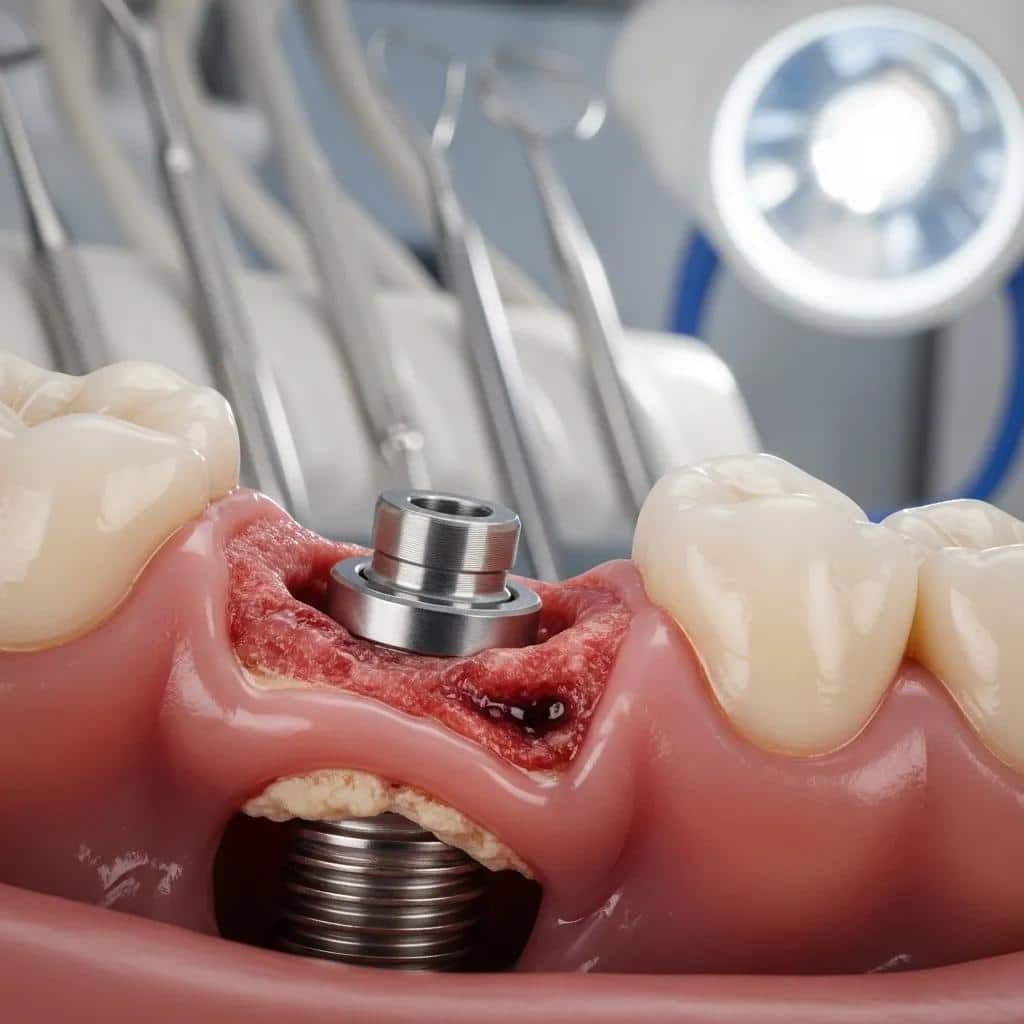
What Causes Dental Implants to Fail? Understanding Risks, Symptoms, and Prevention
Dental implants are a popular solution for replacing missing teeth, offering a durable and aesthetically pleasing option for many individuals. However, understanding the potential causes of dental implant failure is crucial for anyone considering this procedure. This article will explore the various factors that can lead to implant failure, including early complications, the role of peri-implantitis, the importance of oral hygiene, lifestyle factors, and systemic health conditions. By identifying these risks and their symptoms, patients can take proactive steps to ensure the longevity of their dental implants. We will also discuss the signs of a failing implant and when to seek professional help, as well as treatment options available for those facing complications.
What Are the Early Causes of Dental Implant Failure?
Early complications can significantly impact the success of dental implants. Understanding these causes is essential for both patients and dental professionals to mitigate risks effectively.
How Does Failed Osseointegration Lead to Implant Failure?
Failed osseointegration occurs when the dental implant does not properly bond with the jawbone, which is critical for stability. This failure can result from several factors, including insufficient bone density, infection, or improper placement of the implant. When osseointegration fails, the implant may become loose, leading to discomfort and the potential need for removal. Early detection of this issue is vital, as timely intervention can sometimes salvage the implant.
What Surgical Complications Can Cause Early Implant Problems?
Surgical complications can also lead to early implant failure. Issues such as improper placement, excessive force during insertion, or damage to surrounding tissues can compromise the success of the procedure. For instance, if the implant is placed at an incorrect angle, it may not integrate properly with the bone. Preventive measures, such as thorough pre-surgical planning and using advanced imaging techniques, can help minimize these risks.
How Does Peri-Implantitis Affect Dental Implant Longevity?
Peri-implantitis is an inflammatory condition affecting the tissues surrounding a dental implant, which can jeopardize its longevity. Understanding this condition is crucial for maintaining implant health.
What Are the Symptoms and Causes of Peri-Implantitis?
Symptoms of peri-implantitis include redness, swelling, and bleeding of the gums around the implant, as well as potential bone loss. The primary causes of this condition are poor oral hygiene, bacterial infection, and smoking. Regular dental check-ups and maintaining good oral hygiene practices are essential for preventing peri-implantitis and ensuring the long-term success of dental implants.
How Is Peri-Implantitis Treated to Save Implants?
Treatment for peri-implantitis typically involves non-surgical methods, such as mechanical debridement and antimicrobial therapy, to reduce inflammation and infection. In more severe cases, surgical intervention may be necessary to restore the health of the surrounding tissues. Early treatment is crucial to prevent further complications and preserve the implant.
What Role Does Oral Hygiene Play in Preventing Implant Failure?
Oral hygiene is a critical factor in the success of dental implants. Maintaining proper hygiene can significantly reduce the risk of complications.
How Can Poor Oral Hygiene Cause Dental Implant Infection?
Poor oral hygiene can lead to the accumulation of plaque and bacteria around the implant, increasing the risk of infection. This infection can result in peri-implantitis, which, if left untreated, may lead to implant failure. Patients should be educated on effective brushing and flossing techniques to maintain their oral health post-surgery.
What Are Effective Aftercare Practices for Implant Maintenance?
Effective aftercare practices include regular brushing, flossing, and routine dental visits for professional cleanings. Patients should also consider using antimicrobial mouth rinses to help reduce bacterial load around the implant. Following these practices can significantly enhance the longevity of dental implants.
How Do Lifestyle Factors Increase the Risk of Implant Failure?
Lifestyle choices can greatly influence the success of dental implants. Understanding these factors can help patients make informed decisions.
Why Does Smoking Increase Dental Implant Failure Risk?
Smoking is a significant risk factor for dental implant failure. It impairs blood flow to the gums, which can hinder healing and increase the likelihood of infection. Studies have shown that smokers are more likely to experience complications with their implants compared to non-smokers. Quitting smoking can improve overall oral health and enhance the success rate of dental implants.
How Do Teeth Grinding and Occlusal Overload Affect Implants?
Teeth grinding, or bruxism, can exert excessive force on dental implants, leading to mechanical overload. This pressure can cause the implant to loosen or fail over time. Patients who grind their teeth should discuss management strategies with their dentist, which may include the use of night guards to protect their implants.
How Do Systemic Health Conditions Impact Dental Implant Success?
Systemic health conditions can significantly affect the success of dental implants. Understanding these conditions is essential for patients considering implants.
What Chronic Diseases Affect Osseointegration and Healing?
Chronic diseases such as diabetes, autoimmune disorders, and cardiovascular conditions can impair healing and osseointegration. For instance, uncontrolled diabetes can lead to delayed healing and increased infection risk. Patients with these conditions should work closely with their healthcare providers to manage their health before and after implant surgery.
Further emphasizing this point, research highlights the critical role of managing systemic health conditions to ensure successful dental implant outcomes.
Systemic Diseases & Dental Implant Success
Several systemic diseases (and relative medications) have been reported to impair or in some cases complicate dental implant surgery. In broader terms, when dealing with patients suffering from systemic diseases, the monitoring of the medical condition and of the related post-operative complications is of great importance in order to avoid risks which could jeopardise the health of the patient.
Dental implants in patients affected by systemic diseases, N Donos, 2014
How Do Medications Influence Dental Implant Outcomes?
Certain medications can also impact dental implant success. For example, bisphosphonates, commonly prescribed for osteoporosis, may affect bone healing and increase the risk of osteonecrosis of the jaw. Patients should inform their dentist about all medications they are taking to ensure a comprehensive treatment plan that considers potential interactions.
What Are the Signs of a Failing Dental Implant and When to Seek Help?
Recognizing the signs of a failing dental implant is crucial for timely intervention. Early detection can often prevent further complications.
Which Symptoms Indicate Dental Implant Infection or Loosening?
Symptoms of a failing dental implant may include pain, swelling, and mobility of the implant. Additionally, patients may notice gum recession or persistent discomfort. If any of these symptoms occur, it is essential to consult a dental professional promptly to assess the situation.
When Should Patients Schedule a Dental Implant Consultation?
Patients should schedule a consultation if they experience any signs of implant failure or have concerns about their dental health. Early intervention can often save the implant and prevent further complications. Affordable Dentist Near Me – Crowley offers consultations to discuss any concerns regarding dental implants and their maintenance.
What Treatment Options Are Available for Failing Dental Implants?
When dental implants fail, various treatment options are available to address the issue effectively.
How Are Non-Surgical and Surgical Treatments Used for Implant Failure?
Non-surgical treatments may include mechanical cleaning and antibiotics to manage infection, while surgical options can involve bone grafting or implant replacement. The choice of treatment depends on the severity of the failure and the specific circumstances of the patient. A thorough evaluation by a dental professional is necessary to determine the best course of action.
When Is Implant Removal and Replacement Necessary?
In cases where the implant is severely compromised, removal and replacement may be necessary. Factors influencing this decision include the extent of bone loss, infection, and the overall health of the surrounding tissues. Patients should discuss their options with their dentist to make an informed decision.
How Can Bone Loss Around Dental Implants Be Prevented and Managed?
Bone loss around dental implants can jeopardize their stability and longevity. Understanding how to prevent and manage this issue is essential for implant success.
What Causes Bone Loss Around Dental Implants?
Bone loss can occur due to infection, mechanical overload, or inadequate bone density at the time of implant placement. Identifying the underlying cause is crucial for effective management and prevention strategies.
How Do Bone Grafting and Sinus Lifts Support Implant Stability?
Bone grafting and sinus lifts are surgical procedures that can enhance bone density and support implant stability. These procedures involve adding bone material to the jaw to create a solid foundation for the implant. Patients considering implants should discuss these options with their dentist to determine if they are necessary for their situation.