Transforming Smiles: Real Patient Stories of Dental Implants
Real Patient Experiences: How Dental Implants Changed Lives Over Time with Mansfield Testimonials and Free Consultations
Dental implants are a tooth replacement solution that anchor a titanium post into the jawbone to recreate tooth roots and support a crown or prosthesis, restoring chewing, speech, and smile aesthetics.
In Mansfield, real patient experiences show how implants convert chronic dental problems into reliable function and renewed confidence, with narratives that illustrate gradual transformation from initial problem to lasting outcome. This article explains what patients report after implant treatment, why implants preserve jaw structure and long-term oral health, and how middle-aged adults often gain the greatest lifestyle improvements from modern implant options. Readers will also find practical guidance on the free dental implant consultation process in Mansfield, transparent discussion of financing and payment options, and evidence-based long-term expectations drawn from recent research and local patient reviews. Throughout the article we highlight common functional gains, psychosocial outcomes, and step-by-step preparation for treatment, and we close with specific next steps for readers ready to move forward with a free consult at Dentist In Mansfield- Dentures and Dental Implants (part of Affordable Dentist Near Me).
How Have Dental Implant Patient Success Stories Transformed Lives in Mansfield?
Dental implant patient success stories in Mansfield consistently follow a problem→treatment→outcome arc where chronic chewing limitations, denture instability, or self-conscious smiles were replaced by restored function, improved oral health, and greater confidence after implants. Patients report that osseointegrated implants feel more like natural teeth and provide stable support for eating, speaking, and everyday smiling, which is why many narratives emphasize day-to-day quality-of-life changes. The first paragraph below summarizes functional and emotional outcomes reported by local patients, then the H3 subsections explore measurable functional gains and psychosocial transformation in more detail to help readers relate these outcomes to their own situations. These localized stories serve to illustrate common trajectories and practical timelines rather than present clinical guarantees, and they prepare readers for the next step if they are considering implants in Mansfield. If you are trying to evaluate whether implants will change your life, review these patient-centered outcomes and consider booking the free consult referenced after the next section to compare your case to local examples.
What Functional Improvements Do Patients Experience After Dental Implants?
Dental implant recipients in Mansfield routinely describe restored chewing efficiency and the ability to eat a wider variety of foods that had become difficult or impossible with missing teeth or unstable dentures. Clinically, patients often report chewing function restored to roughly 70–100% of natural ability, enabling safer nutrition choices and more confident dining; these functional gains matter for digestion, overall health, and social participation. Patients describe specific examples—returning to foods like apples, steak, and nuts—and note improved speech clarity because fixed implant crowns and implant-supported dentures do not slip the way removable prostheses can. Practical metrics cited in local reviews include reduced reliance on soft diets, fewer episodes of embarrassment from denture movement, and decreased food trapping at implant-supported restorations. Understanding these concrete functional benefits helps prospective patients set realistic expectations ahead of a personalized treatment plan.
How Do Mansfield Patients Describe Their Emotional and Confidence Boosts?
Beyond restored function, many Mansfield patients emphasize the emotional and psychosocial shift that follows implant treatment: they smile more, engage socially without avoidance, and report improved self-image in both casual and professional settings. Testimonials commonly reference feeling years younger, greater willingness to pursue social opportunities, and newfound ease in public speaking or client-facing tasks; these qualitative shifts often accompany the tangible functional improvements described earlier. Patients frequently quantify their satisfaction in simple terms—feeling a sizeable increase in confidence or describing the relief of reclaiming a normal smile—while linking the change back to improved oral comfort and natural-looking results. These emotional outcomes are a significant part of the long-term value of implants, and they often motivate patients in their 40s to 60s to pursue treatment sooner rather than later.
Psychosocial Impacts of Dental Implants on Aesthetics and Confidence
Highlights that anterior implant-supported prostheses significantly improve adverse psychological effects precipitated by missing anterior teeth.
2. Reports that the 'psychosocial impact of dental aesthetics questionnaire' (PIDAQ) could be used as an important tool for assessing the treatment effects of implantation in patients with missing anterior teeth.
3. ObjectiveThe aim of the current study was to investigate the psychosocial impact of dental aesthetics among patients who received anterior implant-supported prostheses.
4. MethodsThe current study is a cross-sectional evaluation involving 115 individuals who had gone through treatment at the dental clinics of general hospitals. Participants completed the Chinese version of the psychosocial impact of dental aesthetics questionnaire (PIDAQ) before implantation and six months after crown restoration. Basic demographic information was recorded. Six months after implant crown restoration, participants were asked to self-assess their own oral aesthetics compared to before implantation.
5. ResultsA total of 106 patients completed the study. PIDAQ scores correlated significantly with the self-assessment of the degree of oral aesthetics. Six months after crown restoration, the two factors (social impact and aesthetic attitude) decreased and the dental self-confidence score increased significantly compared to pre-implantation scores. Gender and education level significantly affected PIDAQ.
The psychosocial impacts of implantation on the dental aesthetics of missing anterior teeth patients, 2012
Research indicates that dental implants can significantly improve psychological well-being, particularly for those missing anterior teeth, by enhancing self-confidence and reducing social anxiety related to dental aesthetics.
If you are Trying to schedule a free consult, mention that phrase when you contact Dentist In Mansfield- Dentures and Dental Implants (part of Affordable Dentist Near Me) to make scheduling straightforward after reviewing local success stories.
What Are the Long-Term Benefits of Dental Implants According to Real Patient Reviews?
Dental implant patients consistently highlight durable outcomes, jawbone preservation, and sustained oral health improvements as primary long-term benefits, with many reporting satisfaction years after treatment when proper maintenance is followed. Mechanistically, implants stimulate the jawbone through functional loading and osseointegration, which counters the bone resorption that follows tooth loss; patients notice that facial contours feel supported and that adjacent teeth remain more stable. Recent practice-level observations and patient reviews reflect high long-term success and functionality, often linked to contemporary planning tools and restorative materials that improve fit and longevity.
Different patient reviews highlight distinct long-term outcomes that matter to quality of life and oral health maintenance.
Entity
Attribute
Value
Chewing Ability
Outcome
Restored to 70–100% reported by many patients
Jawbone Preservation
Outcome
Maintains alveolar bone volume vs. resorption with missing teeth
Aesthetic Stability
Outcome
Natural contour and gum support retained long-term
Satisfaction Over Time
Value
High patient-reported satisfaction sustained with maintenance
This table clarifies how multiple patient-reported outcomes combine to form a durable long-term benefit profile for implants, reinforcing why many patients view implants as an investment in lasting oral health.
How Do Dental Implants Prevent Jawbone Deterioration and Improve Oral Health?
Dental implants prevent jawbone deterioration by replacing the natural tooth root with a titanium post that transmits biting forces into the alveolar bone, stimulating bone remodeling and maintaining bone volume. Osseointegration—the biological fusion of bone to the implant surface—creates a stable interface that preserves surrounding bone and supports the overlying prosthesis, which contrasts with removable dentures that can accelerate bone loss through pressure and lack of root-like stimulation. Patients who experience early implant placement often report better facial support and less change in cheek or jaw contour over time, outcomes that contribute to both function and appearance. Clinically, maintaining bone volume helps protect adjacent teeth and reduces progressive oral health issues that can arise from extensive resorption, and patient narratives often highlight the downstream benefit of avoiding additional complex restorative treatments. Understanding this mechanism helps readers appreciate why implants are often recommended as part of long-term oral health planning.
What Does Research Say About the Durability and Lifespan of Dental Implants?
Current research and longitudinal case series indicate that properly placed dental implants demonstrate high success rates and long-term survival, with many studies reporting implant survival in the mid-90s percent range over 10–15 years and evidence suggesting implants can last 20–30+ years with appropriate maintenance. Advances in planning technology, restorative materials, and surgical protocols contribute to this longevity by improving fit, reducing mechanical complications, and optimizing osseointegration conditions. Patients in Mansfield who follow routine hygiene protocols and regular professional check-ups commonly report lasting function and stable aesthetics decades after their treatment, experiences that are consistent with contemporary clinical literature. While individual outcomes depend on systemic health, occlusion, and adherence to care, the combination of research and patient reviews supports the expectation that implants can provide multi-decade durability when managed properly.
Why Are Dental Implants Worth It for Patients in Their 40s to 60s?
For patients in their 40s to 60s, dental implants often represent a timely intervention that addresses cumulative tooth loss, early bone changes, and lifestyle demands such as professional appearance and nutrition. This age group commonly faces progressive restorative needs where delaying care can compound bone loss and complicate future options; implants offer a solution that simultaneously restores function and helps preserve oral structures. Practical considerations for this demographic include balancing recovery timelines with work and social responsibilities, choosing implant types that match lifestyle needs (single-tooth implants, implant-supported dentures, or full-arch options), and planning finances with flexible payment options. The next paragraphs map common middle-age concerns to implant solutions, present a compact EAV table linking age-group issues to implant benefits, and discuss how a free consult can clarify an individualized plan that fits both clinical and lifestyle priorities. For many in this cohort, acting earlier preserves more bone and simplifies restorative planning, which is why patient stories often encourage timely evaluation.
What Unique Challenges Do Middle-Aged Patients Face with Tooth Loss?
Middle-aged patients typically contend with several converging challenges after tooth loss: cumulative periodontal changes, early bone resorption when missing teeth are not replaced, and lifestyle pressures that make lengthy treatment timelines burdensome. Many individuals in this age bracket report frustration with removable dentures, denture-related soreness, and dietary limitations that affect nutrition and social participation, which can increase motivation to pursue a more durable solution. Clinically, progressive bone loss following tooth extraction can limit later implant placement options or require additional grafting, so addressing missing teeth in a timely manner often simplifies treatment complexity and improves outcomes. Patient narratives frequently describe a tipping point where functional limitations and aesthetic concerns intersect with career and family obligations, prompting evaluation of implants as a long-term solution that restores both function and confidence. Understanding these unique mid-life dynamics helps patients in Mansfield weigh the benefits and timing of implant therapy.
How Do Dental Implants Address Bone Loss and Lifestyle Needs in This Age Group?
Dental implants mitigate bone loss by recreating the root function through osseointegration and transferring chewing forces to the jawbone, preserving alveolar height and facial support—an outcome that directly addresses mid-life concerns about changing appearance and compromised chewing ability. Treatment options for this age group range from single-tooth implants that prevent adjacent tooth drift to implant-supported dentures that provide full-arch stability for patients with multiple missing teeth; each option can be matched to lifestyle needs, dietary goals, and aesthetic priorities. Typical timelines include diagnostic imaging, implant placement, healing/osseointegration phase, and final restoration, with many patients returning to normal routines after an initial adjustment period and gaining lasting improvements in daily life. Real patient examples show how choosing implants earlier preserved options and reduced the need for more invasive corrective procedures later, reinforcing the value of a personalized treatment plan discussed during a free consult.
How Do Patient Reviews and Video Testimonials Demonstrate the Impact of Dental Implants?
Real patient narratives from Mansfield reveal that the impact of dental implants often extends beyond functional recovery into deeper psychosocial and lifestyle changes, altering how people engage with family, work, and social opportunities. These stories commonly describe regained willingness to smile openly, renewed interest in dating or socializing, and greater ease in professional interactions where appearance and clear speech matter; these qualitative outcomes frequently accompany objective gains in chewing and speech. The two H3 subsections below present anonymized mini-cases that highlight social and career-related effects and summarize recurring aesthetic and self-esteem themes from local testimonials. By examining these life-change narratives alongside clinical outcomes, readers can better understand the holistic value patients attribute to implants and why many view the treatment as transformational rather than merely restorative.
In What Ways Have Dental Implants Improved Social Life and Career Confidence?
Mansfield patients have reported tangible social and career benefits after implants, including greater participation in social events, improved comfort in public speaking, and a stronger professional presence in client-facing roles. One commonly shared pattern is that improved smile aesthetics and reliable dental function reduce self-monitoring during conversations and interviews, which lets patients focus on message and connection rather than hiding their teeth. Patients in sales, teaching, or hospitality roles often note that restored confidence contributes to better job performance and greater willingness to pursue promotions or networking opportunities. These narratives show that implant outcomes can intersect directly with social capital and career trajectories, making the treatment relevant not only for oral health but also for broader life goals. Recognizing this connection helps prospective patients weigh the nonclinical implications of restoring a functional, natural-looking smile.
What Are Common Patient Testimonials About Smile Aesthetics and Self-Esteem?
Recurring themes in Mansfield testimonials emphasize natural-looking results, the relief of smiling without hesitation, and a perceived rejuvenation in facial aesthetics that contributes to feeling younger and more self-assured. Patients often describe the surprise that a restored smile had psychological effects—such as reduced social anxiety and more frequent laughter—that persisted well after the functional benefits were realized. Common testimonial phrases include notes about "looking like myself again" and "no more hiding my teeth," reflecting the intersection of aesthetics and emotional well-being. Before-and-after photographic evidence, when available and presented transparently, reinforces these claims by showing consistent improvements in tooth form, gum contours, and smile line balance. These recurring testimonial patterns underline why many patients prioritize implants when the goal extends beyond function to restoring identity and confidence.
What Can You Expect During the Free Dental Implant Consultation in Mansfield?
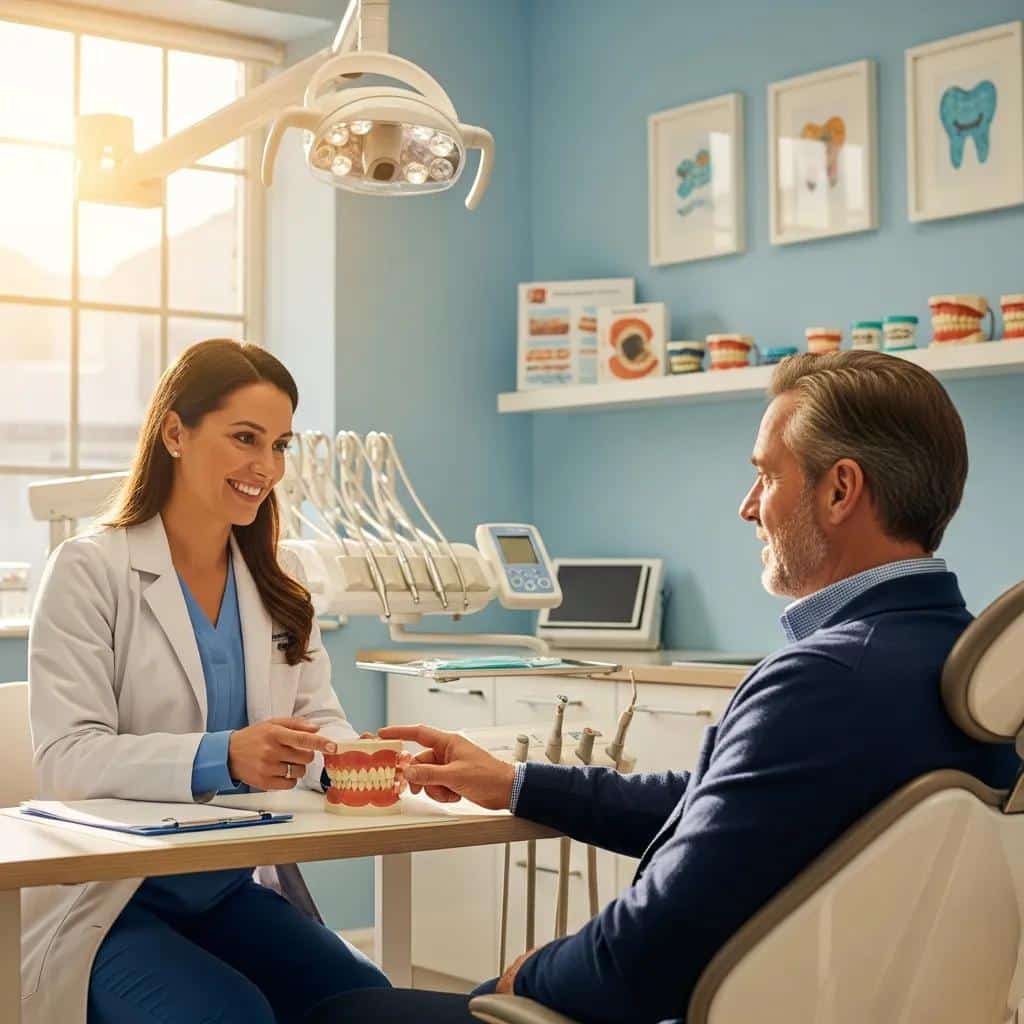
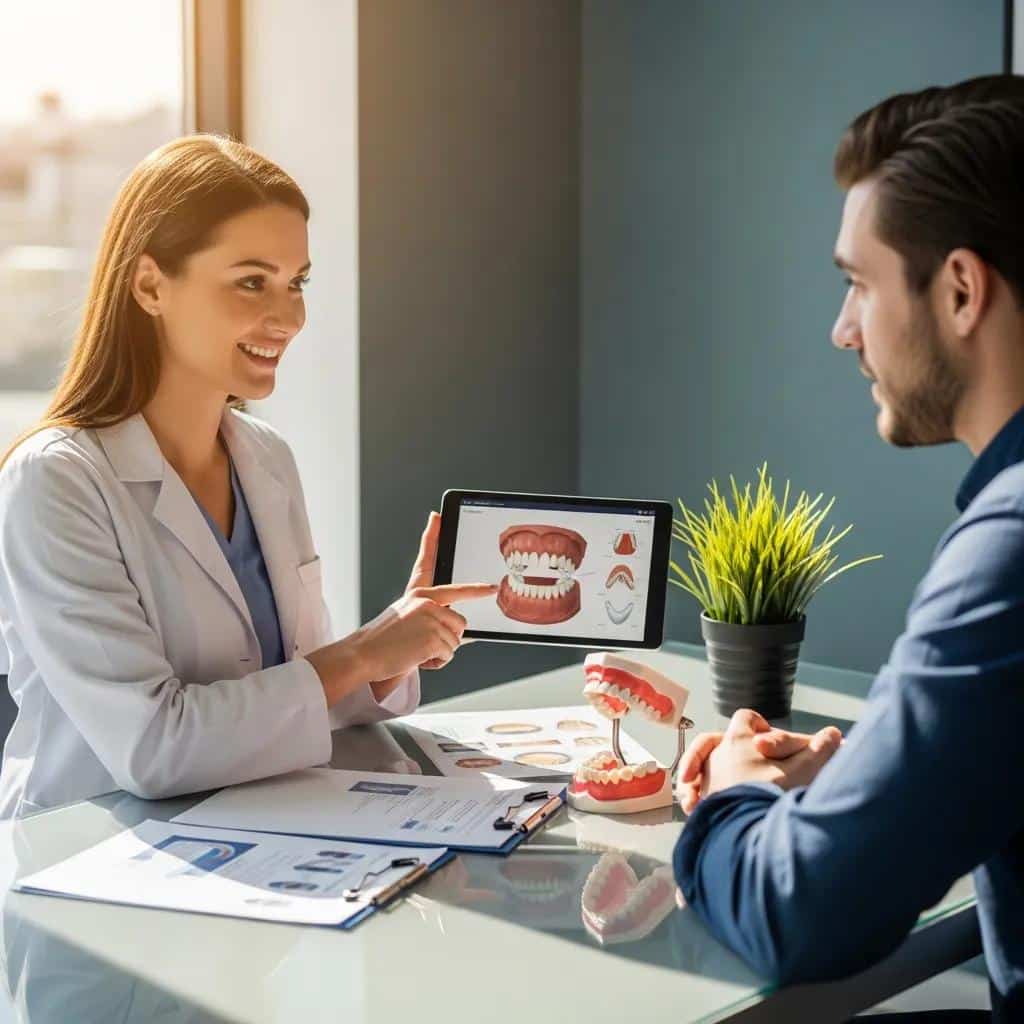
A free dental implant consultation in Mansfield typically includes a medical and dental history review, clinical oral exam, imaging as indicated, discussion of restorative options, and an initial financing conversation—this stepwise approach reduces uncertainty and creates a personalized plan. During the consult, clinicians evaluate bone volume and occlusion, explain potential implant types (single-tooth, implant-supported denture, full-arch options), and outline expected timelines for placement, healing, and final restoration; patients leave with a clear next-step recommendation rather than a one-size-fits-all quote. The table below lists common consultation components in an EAV format so readers know which items are typically covered and what to expect for each. Embedding this level of detail demystifies the process and prepares patients to gather necessary records or questions prior to the visit. For conversion-focused readers: if you are Trying to schedule a free consult, state that phrase when you reach out to make sure the practice recognizes your intent to book the complimentary evaluation.
Entity
Attribute
Value
Medical/Dental History
Included?
Yes; review of systemic health and medications
Imaging
Included?
CBCT 3D imaging available when clinically indicated
Affordable payment plans and flexible financing options are described
How Does the Consultation Process Help Patients Begin Their Dental Implant Journey?
The consultation functions as an intake and planning session that transforms uncertainty into a stepwise pathway, beginning with a detailed medical and dental history and followed by an oral exam and targeted imaging when needed to assess bone and soft tissue conditions. Clinicians then translate clinical findings into personalized treatment options, laying out timelines, likely staging (such as immediate versus delayed placement), and maintenance expectations so patients understand clinical trade-offs and foreseeable milestones. For many patients, the consult also clarifies whether pre-implant procedures—such as extractions or grafting—are likely, and it establishes a tentative calendar so patients can align treatment with work and personal commitments. The consult concludes with a discussion of affordability, where available "affordable payment plans" and "flexible financing options" are explained in general terms to help patients plan; specific program details are provided on request during follow-up. This structured approach reduces ambiguity and empowers patients to make informed choices about the timing and scope of their implant care.
The consultation helps by outlining clinical steps and expected outcomes in a clear, patient-friendly way.
It establishes a realistic timeline for treatment phases and recovery so patients can plan around life responsibilities.
It introduces payment options conversationally so financial concern does not block informed decision-making.
These points show how the consult moves patients from uncertainty to a clear next step, and readers are encouraged to prepare questions and medical history notes before attending.
What Financing and Payment Options Are Available for Dental Implants?
Available financing options are described in general terms during the consultation and typically include practice-based affordable payment plans and third-party lending options that convert larger treatment costs into manageable monthly payments. Because specific plan names and terms were not provided beyond the practice's offering of "affordable payment plans" and "flexible financing options," the common approach explained is to discuss options such as zero- or low-interest short-term plans, extended monthly financing, and splitting the treatment into phases to spread costs—details that are tailored to the patient's case during the consult. Patients frequently comment that financing conversations during the free consult help remove financial uncertainty and allow them to compare staged treatment with full-arch alternatives. Prospective patients should plan to bring insurance information if applicable and be ready to ask about typical down-payment expectations and monthly payment ranges to better evaluate affordability. The consultation is designed to present realistic pathways so cost does not become an unexplained barrier to pursuing a life-changing restoration.
How Do Patient Reviews and Video Testimonials Demonstrate the Impact of Dental Implants?
Patient reviews and video testimonials act as social proof that links the clinical mechanics of implants to lived improvements in function, aesthetics, and daily confidence, and they serve as a powerful complement to clinical evidence. Video testimonials are particularly persuasive because they allow viewers to see speech, smile dynamics, and candid reactions, while written reviews often highlight specific day-to-day benefits such as improved chewing, fewer dental visits, and longer-term satisfaction. The H3 subsections below outline what to look for in before-and-after photos and how short video clips can be structured to maximize credibility and informative value for prospective patients. Embedding multimedia with clear captions, consent notes, and descriptive ALT text helps readers evaluate authenticity and outcome relevance, especially when assessing cases similar in age or oral condition to their own.
What Do Before-and-After Photos Reveal About Dental Implant Transformations?
Before-and-after photos reveal changes in tooth form, gum contour, smile line, and overall facial balance that are not captured by text alone, and they can help prospective patients set realistic aesthetic expectations by showing restorative results across comparable cases. Authentic galleries include consistent angles, neutral lighting, and pre/post images that show both function (bite relationships) and appearance (tooth shape and color), while photo captions that note treatment type and timeframe add context. Patients should look for consent statements and case notes indicating whether images are representative or exceptional, which helps assess reliability; trustworthy galleries also identify whether prosthetic restorations were staged or part of a full-arch plan. When reviewing images, focus on cases that match your own dental condition—such as single-tooth versus full-arch—to better understand likely visual outcomes. Clear photographic evidence paired with narrative captions helps bridge the gap between clinical description and expected results.
Before-and-after images provide visual context that complements clinical descriptions and testimonials.
Consistency in photography (angles and lighting) is key to evaluating authentic results.
Captions describing treatment type and time elapsed since restoration enhance interpretability.
How Do Video Testimonials Enhance Trust and Patient Confidence?
Short video testimonials—ideally 2–3 minutes—enhance trust by showcasing a patient’s voice, expressions, and speech in real-time, which adds emotional authenticity to claims of improved function and self-esteem. Effective testimonial clips typically follow a problem→treatment→outcome narrative: the patient briefly states their pre-treatment challenge, describes the implant journey in plain terms, and ends with concrete examples of life after treatment; captions and transcripts increase accessibility and SEO value. From a credibility perspective, including brief footage of clinicians explaining the plan, or showing pre/post clinical imagery while the patient narrates, strengthens the informational value without overstating results. Videos accompanied by short written excerpts and patient permission statements are particularly useful for readers trying to match outcomes to their own clinical picture. For prospective patients, watching a short dental implant video from someone in a similar age range or dental condition often clarifies both functional expectations and emotional benefits.
What Are the Most Frequently Asked Questions About Dental Implants from Mansfield Patients?
How Do Dental Implants Change Your Life?
Dental implants change your life by restoring stable tooth function and natural appearance, which together improve chewing ability, speech clarity, and self-confidence—outcomes that influence nutrition, social engagement, and professional interactions. Patients often describe a tangible shift from avoidance behaviors (hiding their smile or avoiding certain foods) to active participation in meals, conversations, and social events, which elevates overall quality of life. Supporting points from local reviews emphasize improved dietary variety, reduced denture-related discomfort, and a sustained sense of aesthetic normalcy. These combined changes explain why many patients view implants as life-improving rather than just restorative. If you want to compare your situation to local patient examples, a free consult helps translate these general benefits into a personalized prognosis.
Can You Eat and Speak Normally with Dental Implants?
Yes: after the healing and integration phase, most patients regain near-normal eating and speaking ability because implants provide fixed, stable support for crowns or prostheses, eliminating the movement common with removable dentures. Initially, during the first few weeks after surgical placement, patients follow a progressive diet to protect healing tissues and ensure osseointegration; long-term, however, implant-supported restorations allow biting forces and articulation patterns close to natural teeth. Patients consistently report being able to eat firmer foods and experiencing clearer speech, with anecdotal metrics often noting substantial improvement within months of final restoration. Practical tips include following post-op dietary guidance and attending regular maintenance appointments to preserve function and comfort over time.
Why Choose Dentist In Mansfield for Your Dental Implant Journey?
Dentist In Mansfield- Dentures and Dental Implants (part of Affordable Dentist Near Me) emphasizes a patient-centered implant pathway that combines affordability, patient comfort, and modern technology to support predictable outcomes and accessible care. The practice highlights experienced clinicians and a comprehensive range of services—general, cosmetic, orthodontic, surgical procedures, and implant-focused restorations—positioning itself to coordinate complex care and long-term maintenance. Below we outline the practice’s value propositions, describe the team and technology benefits, and close with specific scheduling guidance; readers who are Trying to schedule a free consult should mention that phrase when they contact the practice to ensure the appointment is recognized as the complimentary implant evaluation. This final section synthesizes local credibility, flexible financing offerings, and straightforward next steps so interested readers can move from consideration to consultation with clarity.
What Makes Our Dental Team and Technology Stand Out?
The practice combines an experienced dental team with modern technology and patient comfort strategies to improve planning accuracy and treatment predictability, which contributes to better clinical outcomes and patient satisfaction. Key advantages include careful diagnostic assessment, use of 3D imaging when indicated for precise implant planning, and restorative expertise that creates natural-looking final prostheses; these elements reduce uncertainty and improve long-term stability. Patients benefit from a coordinated approach where diagnostics, surgical steps, and restorative phases are integrated into a coherent treatment plan, minimizing surprises and optimizing timelines. The result is a smoother patient journey from consult to final restoration, with ongoing maintenance support to preserve implant health. Readers are encouraged to review team bios and treatment explanations during their free consult to align expectations with the clinic’s workflow.
Experienced dental team coordinates surgical and restorative care for predictable outcomes.
Modern technology supports precise planning and reduces intraoperative surprises.
Patient comfort practices and clear timelines improve adherence and satisfaction.
How Do Our Affordable Payment Plans Support Patient Access?
To improve access, the practice offers affordable payment plans and flexible financing options designed to spread costs and make implant treatment more manageable without compromising clinical quality, though specific plans and terms are shared in detail only during the free consult. Typical approaches explained during the consultation include phased treatment plans that split procedures over time, practice-based payment arrangements for staged restorations, and descriptions of third-party financing options that convert larger treatment fees into monthly payments; these options make it feasible for many patients to pursue implants when otherwise cost barriers would delay care. Patients report that understanding financing at the consult stage often clarifies realistic timelines and reduces the tendency to postpone necessary treatment. Prospective patients should raise affordability questions during the free consult to tailor financial planning to their case and schedule.
Prepare a list of questions you want answered at the consult, focusing on function, timeline, and financing.
Bring relevant medical and dental history to accelerate diagnostic accuracy during the complimentary visit.
Ask about imaging and phased treatment so you understand possible staging and associated costs.
This article has presented localized patient narratives, clinical mechanisms like osseointegration and jawbone preservation, long-term durability expectations, age-specific considerations for patients in their 40s to 60s, and practical information about the free consultation process and financing options. For readers in Mansfield considering implants, the next step is a personalized evaluation: if you are Trying to schedule a free consult, mention that phrase when you contact Dentist In Mansfield- Dentures and Dental Implants (part of Affordable Dentist Near Me) to initiate the complimentary implant assessment.