What Patients Should Know About Dental Implants in Mansfield
What Patients Wish They Knew Before Investing in Dental Implants: Complete Guide to Cost, Procedure, Risks, and Recovery in Mansfield
Dental implants replace missing teeth by anchoring a prosthetic tooth to the jawbone using a surgically placed implant post, creating a stable, long-lasting result that restores chewing function and facial structure. This guide explains what dental implants are, how they work through osseointegration, and why understanding costs, candidacy, and recovery is essential before committing to treatment in Mansfield. Many patients seek clarity on price, timelines, and alternatives such as dentures or bridges; this article provides evidence-informed explanations, practical checklists, and clear comparisons to help readers decide. You will learn the components of an implant, the typical procedural steps from consultation to restoration, the key risks with prevention strategies, and realistic recovery expectations. Each section also addresses local cost drivers and financing options relevant to Mansfield residents, plus guidance on preparing for a free consultation. By the end of this guide you’ll have an actionable roadmap for evaluating dental implants and a clear next step to pursue a free consult if you’re ready to move forward.
What Are Dental Implants and How Do They Work?
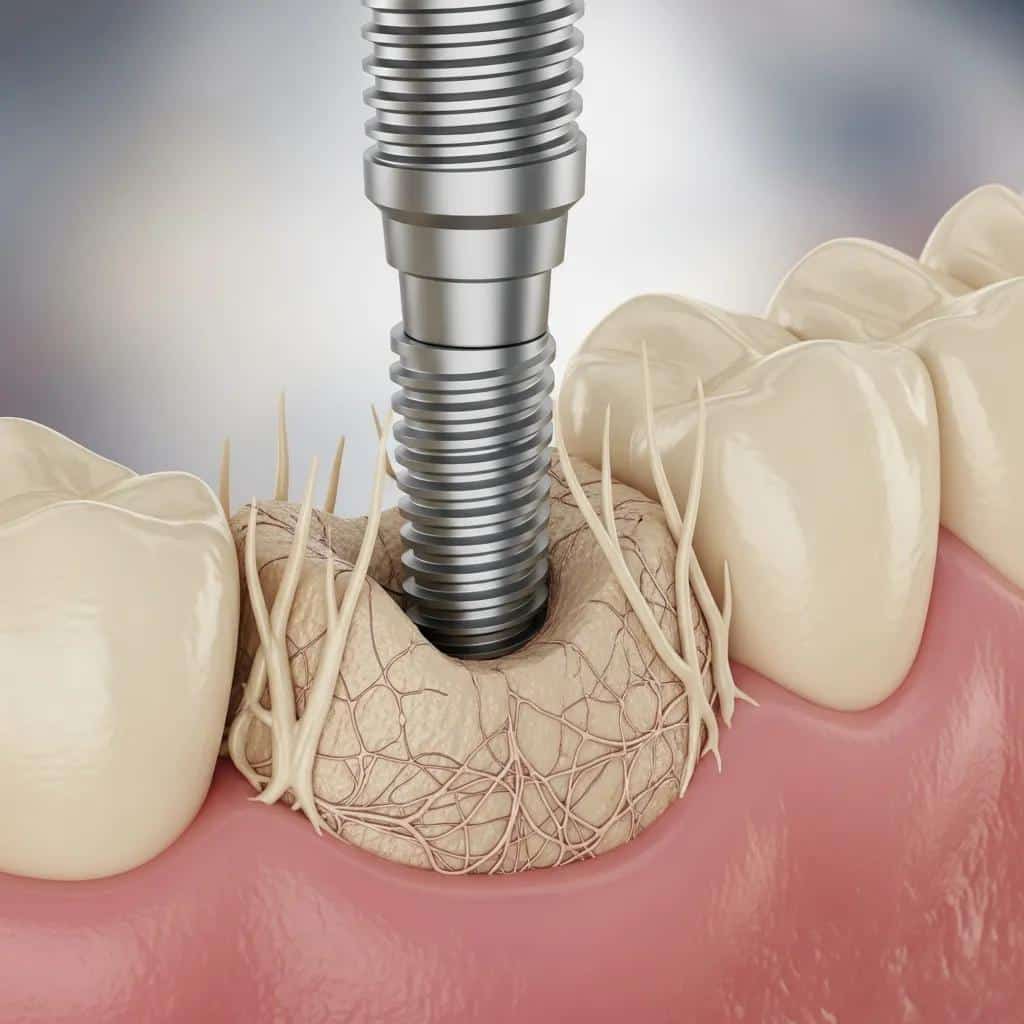
Dental implants are prosthetic tooth roots—usually made of titanium or zirconia—surgically placed into the jawbone to support crowns or dentures, and they function by integrating with bone (osseointegration) to provide stable chewing ability and preserve facial contours. Osseointegration is the biological process whereby living bone cells attach to the implant surface, creating a rigid union that allows the implant to behave like a natural tooth root; this mechanism underpins the implant’s primary benefit: predictable long-term function. Understanding these basics helps patients compare restorative dentistry options and set realistic expectations for healing and maintenance. The next sections examine implant components and the osseointegration timeline so you can visualize what happens from surgery through restoration.
What Are the Main Components of a Dental Implant?
A dental implant system consists of three primary parts: the implant post (fixture) that anchors in bone, the abutment that connects the post to the prosthetic, and the crown or prosthesis that restores appearance and function. The implant post is typically titanium or zirconia; titanium integrates reliably with bone and has extensive clinical history, while zirconia offers a metal-free option with favorable aesthetics in certain cases. The abutment serves as the mechanical link, designed to support the crown and transmit chewing forces safely into the implant and surrounding bone. The crown is the visible tooth replacement made from ceramic or porcelain-fused materials shaped to match neighboring teeth for natural appearance and wear resistance. Knowing these parts clarifies how each contributes to longevity and what replacement or maintenance tasks may arise over time.
How Does Osseointegration Help Dental Implants Succeed?
Osseointegration is the process by which bone remodels around the implant surface, forming a direct structural and functional connection that allows the implant to bear chewing loads without mobility. This biological bonding typically progresses over weeks to months and depends on bone quality, precise surgical technique, and the patient’s systemic health; good bone density and controlled chronic conditions support stronger integration. During healing, clinicians monitor stability through clinical checks and imaging to ensure predictable fusion before attaching final restorations, reducing the risk of implant failure. Patients who understand osseointegration are better prepared for staged treatment timelines and for following post-op care that supports bone healing, such as avoiding smoking and maintaining excellent oral hygiene. The next section explains how local costs and financing options in Mansfield factor into planning for implants.
Osseointegration: Biological Basis of Dental Implant Success
Objective:This article aims to provide an overview of factors affecting dental implant osseointegration.Background:Osseointegration has proven to be a biologically sound foundation for contemporary dental implant therapy. Its success is dependent on principle-driven clinical procedures. Important observations have been made at cellular and macroscopic levels regarding osseointegration at the earliest stages of bone healing to the later stages of bone formation and remodeling. The formation of bone at the titanium dental implant surface is dependent on osteoprogenitor cell recruitment, proliferation and differentiation und
Osseointegration—the biological reality of successful dental implant therapy: a narrative review, LF Cooper, 2022
How Much Do Dental Implants Cost in Mansfield and What Financing Options Are Available?
Dental implant cost in Mansfield varies because pricing reflects several clinical and laboratory factors: the number of implants, implant material, need for adjunctive procedures (bone grafts or sinus lifts), imaging and digital planning, and the complexity of the restoration. Typically, a single-tooth implant requires fees for the implant post, abutment, and crown plus diagnostics—while full-arch restorations and implant-supported dentures multiply those components and may involve custom prosthetic work and additional surgical stages. Local market conditions and clinic pricing models also influence cost, which is why a personalized estimate during a consultation is essential to avoid surprises. Below is a concise breakdown of common cost drivers and their typical impact on price for Mansfield patients, followed by available financing approaches that help make treatment manageable.
What Factors Influence Dental Implant Cost in Mansfield?
Cost Driver
Typical Service or Item
Typical Impact on Price
Number of implants
Single tooth vs full-arch restoration
High — more implants substantially increase surgical and prosthetic fees
Implant material
Titanium post vs zirconia post
Moderate — material choice affects fixture cost and lab charges
Adjunctive procedures
Bone graft, sinus lift, extractions
High — grafting and lifts add surgical time, materials, and healing stages
Imaging & planning
CBCT scans, digital planning
Moderate — advanced imaging improves outcomes but raises upfront cost
Prosthetic complexity
Single crown vs custom bridge or overdenture
High — custom prosthetics and lab work increase restoration fees
This breakdown clarifies why two patients can receive the “same” implant procedure yet see different estimates: individualized anatomy and treatment needs drive cost differences.
After understanding these drivers, it’s helpful to explore financing and discounts that can reduce out-of-pocket burdens and make care accessible.
What Affordable Financing Plans and Discounts Does Dentist In Mansfield Offer?
Dentist In Mansfield — Dentures and Dental Implants (Affordable Dentist Near Me) emphasizes affordability through everyday low fees and multiple payment pathways, making implant care more reachable for local patients. The practice advertises flexible financing options such as low or no-interest installment plans and an Affordable Discount Plan, which can spread cost over time and reduce immediate financial barriers for many treatment plans. A free dental implant consultation at the clinic can generate a personalized cost estimate and an applied financing strategy so patients understand monthly payments and any required deposits before committing. If budget is a primary concern, scheduling a consult clarifies which components contribute most to your estimate and how financing or discounts can be applied to your specific plan. For patients considering next steps, remember: trying to schedule a free consult is a practical way to get a clear, individualized pricing discussion.
What Is the Dental Implant Procedure and What Should Patients Expect?
The dental implant procedure follows a staged sequence beginning with consultation and diagnostics, followed by surgical implant placement, healing to allow osseointegration, and finally prosthetic restoration where the crown or denture is attached; understanding each stage demystifies the timeline and sets expectations for recovery and follow-up. Preoperative planning typically includes a comprehensive exam, medical history review, and imaging to evaluate bone volume and anatomical landmarks that inform placement. Surgery can be performed under local anesthesia with optional sedation dentistry for comfort, and adjunctive procedures such as extractions or grafting may be scheduled concurrently or in advance. The next paragraphs break down what happens at the consult and the key surgical and restorative steps so you can anticipate appointments, timeline, and comfort measures.
What Happens During the Initial Dental Implant Consultation?
The initial dental implant consultation centers on diagnostic imaging, medical and dental history, and a tailored treatment plan based on your goals and anatomy. Clinicians often obtain panoramic X-rays or CBCT imaging to assess bone quantity and critical structures like nerves and sinuses, which determine whether grafting or sinus lift procedures are necessary. The consultation also covers candidacy criteria, expected timeline, restoration options, and an itemized estimate including financing discussions; patients should bring records of medical conditions and medications to support safe planning. The clinician will review sedation options to ensure patient comfort during surgery and answer questions about expected pain control and aftercare. Understanding the consult process helps patients prepare documents and sample questions so the visit yields a clear next-step plan.
What Are the Key Steps in the Dental Implant Surgery and Restoration Process?
Surgical placement begins with precise positioning of the implant post into prepared bone, followed by a healing phase to allow osseointegration and later attachment of an abutment and final crown or denture; adjunctive procedures may be performed as needed.
Pre-surgical preparation with imaging and local anesthesia or sedation.
Surgical placement of implant post and, when indicated, bone grafting or sinus lift.
Healing phase of osseointegration, usually monitored over several weeks to months.
Second-stage exposure or abutment placement once stability is confirmed.
Final prosthetic phase where impressions, lab fabrication, and crown/denture delivery occur.
Pain is managed with prescribed analgesics and optional sedation; clinicians advise a soft diet and limited physical exertion immediately after surgery. Knowing this sequence enables patients to plan time off work, arrange for transportation if sedation is used, and set realistic expectations about staging and final outcomes.
What Are the Risks and Benefits of Dental Implants Patients Should Know?
Dental implants deliver long-term benefits including improved chewing efficiency, bone preservation, and durable aesthetics, but they also carry risks such as infection, implant failure, and surgical complications that are minimized through careful planning and follow-up. We compare benefits versus risks for key implant-related procedures so readers can quickly scan tradeoffs and prevention strategies. Understanding both sides of the balance helps patients weigh the value of implants against alternatives and adopt behaviors—like stopping smoking and controlling diabetes—that materially reduce complications. The table below presents a clear entity-attribute-value format for implant, bone graft, and sinus lift tradeoffs.
Treatment Element
Primary Benefit
Main Risk / Concern
Dental implant (fixture + crown)
Restores function and preserves jaw structure
Infection or failure if osseointegration does not occur
Bone grafting
Increases bone volume for stable implant placement
Graft failure or prolonged healing in compromised patients
Sinus lift
Enables upper jaw implants by elevating sinus floor
Sinus membrane perforation or postoperative sinusitis
This comparison highlights that the benefits often outweigh the risks when procedures are properly planned and performed, but patient factors and adherence to aftercare are decisive for success.
The next subsections outline common risks and prevention measures followed by long-term advantages patients can expect.
What Are the Common Risks and How Are They Prevented?
Common complications include surgical-site infection, peri-implantitis (inflammatory loss of supporting bone), nerve injury with altered sensation, and improper osseointegration leading to mobility; recognizing early signs allows prompt intervention. Prevention strategies comprise sterile surgical technique, careful preoperative imaging and planning to avoid vital structures, prophylactic antibiotics when indicated, and strict postoperative oral hygiene with scheduled professional monitoring. Lifestyle factors such as smoking and poorly controlled systemic conditions increase complication risk, so clinicians may recommend cessation programs or medical stabilization before surgery. Patients should know warning signs—persistent swelling, severe pain, fever, or prolonged numbness—and contact their provider promptly if these occur. These prevention and detection steps dramatically reduce serious adverse outcomes and support long-term implant health.
What Are the Long-Term Benefits of Choosing Dental Implants?
Long-term benefits of dental implants include superior chewing stability compared with removable dentures, preservation of alveolar bone that prevents facial collapse, and durable aesthetics that can last many years with proper maintenance. Implant-supported restorations distribute functional loads to bone, which stimulates bone maintenance and helps preserve adjacent teeth by avoiding the need to modify them for a bridge. For many patients, implants restore confidence in eating and speaking, improving psychosocial well-being and quality of life.
Clinical experience and current research trends indicate high success rates when implants are placed for appropriate candidates and cared for with routine hygiene and follow-up. Understanding these advantages clarifies why implants are considered the gold standard in restorative dentistry for many indications.
Who Is a Good Candidate for Dental Implants and When Are Alternatives Better?
Good candidates for dental implants generally have adequate jawbone, stable systemic health, and realistic expectations about commitment to healing and maintenance; alternatives such as dentures or bridges may be preferable when bone volume is insufficient, medical conditions preclude surgery, or when cost or timeline constraints drive different choices. This section maps common medical and lifestyle factors to their effect on candidacy so patients can identify whether implant treatment is likely feasible or whether preparatory procedures will be necessary. The following table links specific conditions and factors to their practical effects on implant eligibility and treatment planning.
Condition / Factor
Effect on Candidacy
Typical Clinical Response
Smoking
Reduces healing and osseointegration success
Recommend cessation prior to surgery
Diabetes (uncontrolled)
Increases infection risk and delayed healing
Require glucose control before treatment
Low bone density
Insufficient support for implants
Consider bone grafting or alternative prosthetics
Certain medications (e.g., bisphosphonates)
Potential altered bone healing
Coordinate with physician; evaluate risks carefully
Mapping these conditions to treatment responses helps patients and clinicians plan realistic pathways to implants or select alternatives when surgery is contraindicated.
The next subsections explore lifestyle and medical adjustments that improve success and then directly compare implants with dentures and bridges to aid decision-making.
What Medical and Lifestyle Factors Affect Dental Implant Eligibility?
Several systemic and lifestyle factors materially affect implant outcomes: smoking impairs blood flow and bone healing, uncontrolled diabetes increases infection risk, and low bone volume limits initial stability unless grafting is performed. Medications that affect bone turnover may complicate healing and need coordinated evaluation with prescribing physicians, while poor oral hygiene increases the chance of peri-implantitis after restoration. Many factors can be optimized—smoking cessation, improved glycemic control, or preparatory bone grafting—to make implant therapy viable for more patients. Discussing these factors openly at consultation allows clinicians to propose tailored interventions that maximize the chance of a successful implant.
How Do Dental Implants Compare to Dentures and Bridges?
When comparing implants, dentures, and bridges, implants typically offer superior stability, improved chewing efficiency, and better bone preservation, while dentures and bridges can be less expensive upfront and may suit patients who are not candidates for surgery. Dentures are removable and require daily maintenance; they may lead to progressive bone resorption over time, altering fit and function. Bridges avoid surgery but require alteration of adjacent teeth and may compromise those teeth’s longevity. Implant-supported dentures and bridges combine some benefits of both approaches but involve higher initial investment and surgical planning. Choosing among these options depends on priorities—function, aesthetics, cost, and medical candidacy—and a side-by-side comparison clarifies tradeoffs for informed decisions.
What Is the Typical Dental Implant Recovery Timeline and How Can Patients Manage It?
Recovery after dental implant surgery follows predictable phases: immediate postoperative tissue response, progressive bone healing (osseointegration), and final prosthetic rehabilitation; overall timelines vary from a few weeks for soft tissue healing to several months for complete integration and restoration. Early recovery focuses on controlling swelling, pain, and preventing infection through prescribed medications, rest, and a soft diet, while longer-term recovery depends on individual healing and whether grafting was required. The following timeline overview clarifies average milestones so patients can plan downtime, follow-up visits, and expectations for when they’ll receive final restorations. Practical aftercare measures reduce complications and support predictable outcomes.
How Long Does Healing Take After Dental Implant Surgery?
Soft tissue typically heals within one to two weeks, during which patients manage swelling and discomfort and follow a soft-food diet; however, osseointegration—the integration of bone with the implant—generally requires three to six months to reach functional stability. Exact timelines depend on bone quality, the presence of grafts, and individual biological variability, with clinicians scheduling periodic exams or imaging to confirm progress before proceeding to the abutment and crown stages. In some protocols a temporary prosthesis can be used for aesthetics and function during healing, while in others clinicians stage restoration only after confirmed stability. Patients should plan for intermittent follow-up visits across the healing period and expect final restoration to occur after clinical and radiographic confirmation of successful integration.
What Are the Best Practices for Dental Implant Aftercare and Maintenance?
Aftercare begins immediately and continues long-term to protect implant health: follow prescribed analgesics and antibiotics if provided, maintain a soft diet until initial healing, and practice gentle oral hygiene with recommended tools to keep the surgical site clean. Long-term maintenance includes regular professional hygiene appointments, daily mechanical cleaning around implant restorations, and monitoring for signs of peri-implant issues such as bleeding or persistent inflammation. Smoking cessation and optimized systemic health greatly improve implant longevity, and patients should report any unusual symptoms—persistent pain, mobility, or drainage—to their clinician promptly. These practices sustain osseointegration and the functional lifespan of implant-supported restorations.
Why Choose Dentist In Mansfield for Your Dental Implants?
Dentist In Mansfield — Dentures and Dental Implants (Affordable Dentist Near Me) emphasizes patient-centered implant care by combining focused expertise in implants and dentures with affordability measures and comfort-focused options to reduce barriers to treatment. The clinic highlights everyday low fees, flexible financing like low-interest installment plans and an Affordable Discount Plan, and offers a free dental implant consultation to help patients understand personalized estimates and timelines before committing. Sedation dentistry is available to ensure a comfortable, less-anxious experience during surgical appointments, which can be especially valuable for patients with dental fear or complex surgical needs. Below we outline aspects of team experience and comfort protocols that support patient confidence and predictable implant outcomes.
What Makes the Dental Team at Dentist In Mansfield Experienced and Trustworthy?
The practice positions an experienced dental team led by Dr. Mike Tri Pham, DDS, and emphasizes a team-based approach to implant planning, surgical execution, and restorative care designed to meet the needs of Mansfield patients. Experienced teams coordinate imaging, surgical placement, and prosthetic fabrication to reduce complications and streamline the patient journey, using established protocols for case selection and follow-up. While specific credentials beyond the provided contact are not listed here, patients can expect discussions during a free consultation about clinical approach, sedation options, and individualized treatment planning. Knowing the team structure and the role of the lead clinician helps patients assess whether the practice’s approach aligns with their comfort and outcome expectations. This trust-building step naturally leads into how the clinic addresses affordability and patient comfort.
How Does Dentist In Mansfield Ensure a Comfortable and Affordable Implant Experience?
Affordability at Dentist In Mansfield is communicated through everyday low fees and flexible financing options, which aim to reduce the financial barrier to implant care for local patients and make treatment planning predictable. Patient comfort is prioritized through sedation dentistry and pain management protocols that minimize discomfort during and after surgery, enabling patients who might avoid care to proceed with necessary restorative treatment. The clinic’s free dental implant consultation is presented as a first, no-cost step to review candidacy, costs, and financing so patients can make informed choices without pressure. These offerings together—affordable pricing, financing flexibility, sedation options, and a supportive team—are designed to make implant therapy both accessible and reassuring for Mansfield residents.
How Can Patients Schedule a Free Dental Implant Consultation in Mansfield?
Trying to schedule a free consult is the primary action the practice invites for patients ready to explore dental implants, and the consult provides a cost estimate, candidacy assessment, and discussion of financing and comfort options to create a personalized plan. To prepare for the free consultation, gather medical and dental histories, a list of current medications, and any dental X-rays or records you may have; bringing photos of your smile and noting functional or aesthetic concerns helps the clinician tailor recommendations. Booking typically involves contacting the clinic’s appointment channels, requesting the free dental implant consult, and confirming any pre-visit forms or imaging needs; after scheduling, expect a confirmation and instructions about pre-consult preparation such as fasting for sedation if required. The following checklist and booking guidance explain exactly what to bring and how to make the most of your free visit.
What Should Patients Prepare for Their Free Consultation?
Prepare medical and dental history documents, a list of medications and allergies, and recent dental imaging if available, because these items enable a safe and efficient assessment of implant candidacy and treatment options. Photographing your smile and noting specific functional problems—difficulty chewing certain foods, slipping dentures, or cosmetic concerns—helps the clinician address priorities during the consult. Prepare a list of questions about costs, financing, healing time, and sedation options so the visit yields clear next steps and an itemized estimate tailored to your anatomy and goals. Being ready with this information shortens the diagnostic process and allows the consultation to focus on realistic restoration timelines and financial planning. This preparation ensures that the free consult is productive and that you leave with a clear understanding of options and scheduling expectations.
How to Contact and Book an Appointment with Dentist In Mansfield?
When you are ready to proceed, request the free dental implant consultation and mention that you are trying to schedule a free consult so the appointment team can allocate adequate time for imaging and treatment planning. Use the clinic’s standard booking channels noted on their public listings to arrange a consult and indicate any preferences for sedation or specific scheduling needs; the practice will provide confirmation and any necessary pre-visit instructions. After booking, expect to complete pre-consult forms and be advised on whether you should bring existing X-rays or if new imaging will be performed at the visit; this helps streamline the diagnostic process. Arriving prepared and stating your primary concerns ensures the consultation results in a clear, personalized estimate and an actionable plan for implant care.
Consultation Checklist: Bring medical/dental history, medication list, and photos or X-rays if available.
Questions to Ask: Ask about candidacy, expected timeline, detailed cost breakdown, and sedation or financing options.
After Booking: Expect confirmation, pre-visit forms, and instructions about imaging or fasting if sedation is planned.
These steps help patients maximize the value of the free consult and move toward a confident, informed decision about dental implants.
What to expect after the consult: A detailed treatment plan or recommended next steps, scheduling of any preparatory procedures, and discussion of financing tailored to your estimate.
How to prepare if sedation is planned: Arrange transportation and follow any fasting guidelines provided by the clinic.
Follow-up planning: Understand the timeline for imaging, surgery, and restoration so you can coordinate work or caregiving responsibilities.