What to Expect: Comprehensive Costs of Dental Implant Surgery and Follow-Up Treatments in Waco, TX
Dental implants replace missing teeth by combining a titanium implant post, an abutment, and a custom dental crown to restore function and aesthetics. This guide explains what drives dental implant cost in Waco, TX, how procedural phases affect pricing and timeline, and what follow-up or maintenance expenses you should anticipate. Patients often seek clear, itemized information about implant components, bone grafting, imaging, and restorative fees before committing to treatment; this article delivers those explanations, practical comparisons with dentures and bridges, and actionable next steps. By following a structured breakdown—cost components, procedural timeline, financing options, implant types, maintenance, and benefits—you will leave with a realistic picture of total cost of ownership and ways to manage expenses locally.
Affordable Dentist Near Me of Waco offers a free implants consultation to help patients get a personalized estimate, review financing options, and discuss candidacy; scheduling that consult is the recommended next step for a tailored plan. The clinic emphasizes everyday low fees and a comprehensive approach to implants and dentures, delivering options under one roof and transparent answers about imaging, sedation, and prosthetic choices. Read on to learn typical cost drivers, how clinical decisions change price and healing times, and how to compare single-tooth implants, implant-supported bridges, and full-arch solutions before you book a consult.
What Are the Key Cost Components of Dental Implant Surgery in Waco?
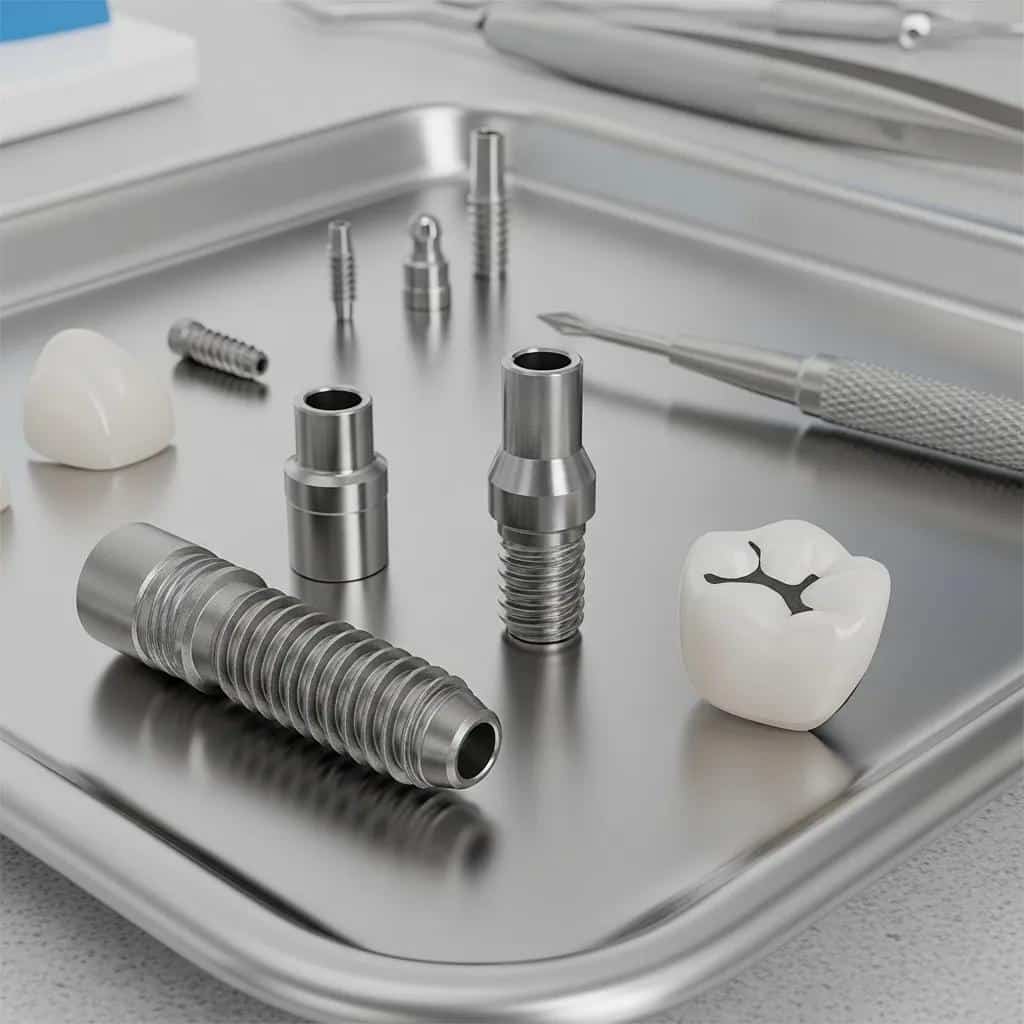
The cost of dental implant surgery is driven by distinct components that together form the total treatment price: the implant post, abutment, crown, laboratory fees, surgical placement, imaging, grafting, extractions, sedation, and follow-up care. Each component reflects a different part of care—materials, clinical time, laboratory craftsmanship, and diagnostic work—so understanding each piece clarifies why estimates vary between patients. Titanium implant posts act as the foundation, the abutment connects the post to the prosthetic, and the crown provides the visible tooth; dental lab fees and restorative complexity influence the cosmetic and functional result. Recognizing which costs are one-time surgical fees versus potential additional procedures (for example, bone grafting or sinus lifts) helps patients plan both immediate and long-term budgets.
Below is an itemized summary to help you scan the main cost drivers and what each covers before discussing personalized estimates at a consult.
Major cost drivers explained: Implant post and surgical placement: foundation and clinical time.Abutment and crown: connection and visible restoration requiring lab work.Preparatory procedures: grafts, extractions, and advanced imaging.Ancillary costs: sedation, follow-up visits, and emergency care.
Component
What It Includes
Cost Note
Implant post (fixture)
Titanium or titanium-alloy implant surgically placed into bone
Varies by clinical complexity; personalized estimate at consult
Abutment
Connector between implant and crown, may be prefabricated or custom
Material and design affect lab fees; estimate provided after planning
Crown (prosthesis)
Final tooth restoration crafted by dental lab
Material and customization influence price; discuss options during consult
Surgical fee
Clinician time, facility use, anesthesia/sedation
Complexity and surgical technique drive variation
Imaging & guides
X-rays, CBCT/3D imaging, surgical guides
Diagnostic imaging impacts planning accuracy and cost
Bone grafting / extractions
Pre-implant preparatory surgeries when needed
Required when bone volume or tooth presence complicates placement
This table summarizes the entities and helps orient the discussion that follows about single-tooth cost ranges, grafting, and sedation choices that can increase total treatment fees. Understanding these pieces allows you to ask targeted questions at your free implants consultation.
How Much Does a Single Dental Implant Cost in Waco, TX?
A single dental implant cost typically bundles the implant post, abutment, and crown along with surgical and imaging fees; the final price depends on clinical complexity and prosthetic choices. The implant post provides a durable foundation, the abutment creates the transitional connection, and the crown requires laboratory work to match shape and shade—each stage adds to the overall cost. Patients with adequate bone and straightforward extraction history will generally require fewer preparatory procedures, which simplifies pricing and shortens the timeline. For precise figures and a tailored written estimate, schedule the free implants consultation at Affordable Dentist Near Me of Waco, where diagnostic imaging and candidacy assessment form the basis of a customized cost projection.
Preparing for the consult by listing systemic health factors and prior dental work helps the clinician create a realistic treatment plan and cost estimate, and that plan will explain whether immediate restoration or delayed loading is recommended based on your clinical needs.
What Additional Costs Should You Expect for Bone Grafting, Extractions, and Sedation?
Preparatory procedures such as bone grafting or extractions add to the implant journey because they require extra surgeries, materials, and healing time before the implant can be placed. Bone grafting restores lost bone volume and may use autograft, allograft, or synthetic graft materials; the choice of graft material and the need for sinus lifts or membranes influences both time and cost. Extractions that are complicated by infection or impacted roots often require additional surgical skill and follow-up, which increases procedural fees. Sedation dentistry—ranging from oral sedation to monitored sedation—adds comfort and safety for anxious or medically complex patients but represents another budget item that should be discussed during planning.
Discussing these potential additions during your free implants consultation ensures you receive a transparent breakdown of any anticipated preparatory care, and that transparency reduces surprises later in your treatment timeline.
Bone Grafting Frequency and Necessity in Dental Implant Surgery
Bone graft in implant surgery was necessary to augment defects. More than half of the sextants needed bone graft for implant installation.
Dental implant restoration has been considered to be one of the most reliable methods for treating partial or full edentulism [1–3]. Implant surgeries were performed in specialized clinics in the past. Today, however, it is quite popular in general dentistry. Health insurance coverage for dental implant treatment varies from country to country [4–7].
Frequency of bone graft in implant surgery, 2016
Bone grafting is a common necessity in implant surgery to augment bone defects, with over half of sextants requiring it for implant installation.
How Does the Dental Implant Procedure Affect Overall Costs and Timeline?
The dental implant treatment pathway follows a sequence—consultation, planning and imaging, surgical placement, osseointegration, abutment connection, and final restoration—and each phase influences both cost and total duration. Detailed diagnostic planning, including three-dimensional imaging and surgical guides, improves predictability and may reduce the risk of costly complications, while also adding upfront planning fees. Osseointegration — the biological process where bone bonds to the implant — typically requires a healing window that dictates when the restorative phase can proceed and therefore affects when costs for final prosthetics are incurred. Clinical decisions such as immediate loading (placing a provisional restoration the same day as surgery) versus delayed restoration have trade-offs in terms of complexity, risk, and cost, and those trade-offs are best weighed with your clinician.
A clear timeline helps patients budget for staged payments and understand when to expect additional charges; the next paragraphs describe what happens at the consult and how each phase maps to expense.
Key procedural phases and cost impact: Consultation & diagnostic imaging: informs candidacy and quote.Surgical placement: clinician time and facility fees.Healing (osseointegration): monitoring visits; restorative delay affects scheduling.Final restoration: lab fees and prosthetic options complete cost.
Phase
Typical Timeline
Cost Implication
Consultation & planning
Single visit with imaging and exam
Generates personalized estimate and financing options
Surgical implant placement
Single procedure day
Major portion of clinical fees and any sedation costs
Osseointegration (healing)
Several weeks to months
Monitoring visits; delays push restoration costs later
Restoration (abutment & crown)
After healing
Final lab and prosthetic fees; esthetic customization raises cost
This timeline table links each phase to practical cost ideas, so patients can visualize when payments occur and how clinical choices influence the budget.
What Happens During the Initial Consultation and Planning?
The initial consultation establishes candidacy for implants through an oral exam, medical history review, and diagnostic imaging; clinicians use this appointment to explain treatment alternatives and generate a written estimate. Three-dimensional imaging, when indicated, provides measurements of bone volume and critical anatomic structures; that data informs whether grafting or sinus augmentation is necessary and therefore whether additional procedures will alter cost and timeline. The consult typically discusses restorative goals, material options for crowns, and sedation preferences—all of which factor into a tailored financial plan. For patients in Waco seeking a clear next step, the free implants consultation at Affordable Dentist Near Me of Waco includes an exam and candidacy discussion to help patients make an informed decision.
This consult is the foundation for transparent pricing: once imaging and exam data are collected, your clinician can present financing options and a detailed treatment calendar.
How Do Surgery, Osseointegration, and Restoration Impact Cost and Duration?
Surgical complexity—such as multiple implants, need for bone augmentation, or proximity to anatomical structures—extends operative time and raises surgical fees, and such complexity also lengthens healing windows. Osseointegration is the essential biological step where bone bonds to the implant surface; a predictable osseointegration phase reduces the risk of failure-related costs, whereas compromised healing may require additional interventions that increase total expense. The restoration choice—porcelain-fused-to-metal, full-ceramic, screw-retained versus cemented—affects lab fees, aesthetic outcomes, and long-term maintenance schedules. Patients should weigh the upfront investment in higher-quality prosthetics against potential long-term savings from durability and lower replacement rates.
Understanding how each phase relates to both cost and timeline empowers patients to choose clinically appropriate options and staging that align with their budget and lifestyle goals.
Bone Grafting Techniques and Materials for Dental Implant Success
Bone quality, volume, height and width all play a pivotal role in dental implant stability, success and survival. A lack of adequate bone can be overcome with various bone grafting procedures. Dependent on many factors, including the amount of bone required, the site of implant placement, patient preferences and clinician factors; the type of bone grafting material and procedure undertaken can vary. Supplemental bone can be sourced from a variety of sources, including autogenous, allogenous and xenograft bone. Dependent on the source of the bone, it will have different properties in aiding bone formation, as well as being presented in different formulations, such as bone particles or bone blocks.The aim of this paper is to provide an overview of bone grafting indications, materials and types of bone grafting techniques that can be utilised to aid dental implant provision. It also discusses the properties needed to ensure optimal success of guided bone regeneration techniques.
Bone grafting techniques and materials for implant dentistry, S Khalid, 2023
Achieving successful dental implant stability relies heavily on bone quality, volume, height, and width, with various bone grafting procedures available to address deficiencies.
What Financing and Insurance Options Are Available for Dental Implants in Waco?
Dental insurance frequently covers preparatory procedures such as extractions or limited restorative work but commonly excludes implant posts and final prosthetics or reimburses only a portion; coverage patterns vary widely between plans. Because of insurance limitations, many patients combine partial insurance benefits with third-party financing and in-house payment arrangements to make implants accessible. Common financing routes include third-party medical/dental credit programs, in-house payment plans with staged treatment phases, and flexible scheduling to spread costs over months. Affordable Dentist Near Me of Waco presents financing conversations during the free implants consultation so patients receive a written estimate and tailored payment options based on their individual treatment plan.
Typical financing options: Verify dental insurance for preparatory coverage and submit claims for eligible services.Third-party financing (medical/dental credit) to spread costs over time.In-house payment plans or staged treatment scheduling to reduce immediate outlay.
Option
What It Covers
Next Step
Dental insurance
Sometimes covers extractions, imaging, limited restorative work
Check plan benefits and bring info to consult
Third-party financing
Spreads implant costs into monthly payments
Apply during planning to secure terms
In-house payment plan
Clinic-managed staged payments
Discuss at free implants consultation for approval
This table clarifies common options and points patients to concrete next steps: bring insurance details to the consult, explore credit programs, or ask about in-house plans during your appointment.
How Can Dental Insurance Help Cover Implant Surgery and Follow-Up Treatments?
Insurance often distinguishes between medically necessary procedures and elective restorative items; many plans will cover extractions, periodontal therapy, or diagnostic imaging, but reimbursements for implant posts and custom crowns are frequently limited or excluded. Patients should request an itemized treatment plan and pre-estimate from their provider to check which CPT or CDT codes will be considered for benefits. Submitting claims with thorough documentation—operative notes, imaging, and clinical justification—improves the chance of partial reimbursement for related procedures. At the free implants consultation, bring your insurance card and policy details so the clinic can help identify likely covered components and provide documentation useful for benefit verification.
Understanding typical exclusions and partial coverage patterns during the consult reduces surprises and clarifies which parts of treatment patients will need to finance directly.
What Flexible Financing Plans Does Affordable Dentist Near Me of Waco Offer?
Affordable Dentist Near Me of Waco discusses financing and staged payment options during the free implants consultation so patients can receive a personalized payment plan tied to their treatment schedule. The clinic emphasizes transparency in estimates and offers everyday low fees as part of its value proposition, helping patients compare options for in-house scheduling and third-party credit programs. During the consult, staff review possible sequencing of care to spread costs over phases—planning, surgery, and final restoration—so patients can balance budget and clinical needs. Patients interested in implants are encouraged to schedule the free implants consultation to review candidacy, imaging, and specific financing steps before committing to treatment.
By positioning financing conversations early, the clinic reduces financial uncertainty and supports informed decision-making about implant care.
What Are the Different Types of Dental Implants and Their Cost Variations?
Dental implants vary by scope and design: single-tooth implants replace one tooth, implant-supported bridges restore multiple adjacent missing teeth, mini dental implants offer a lower-cost option for select cases, and full-arch solutions like All-on-4 replace an entire arch using strategic implant placement. Each hyponym—single tooth, mini implant, implant-supported bridge, full-arch—serves specific clinical indications and carries a different cost profile driven by implant count, prosthetic complexity, and surgical time. Implant-supported bridges and full-arch prostheses can be more cost-efficient per restored tooth than placing individual implants for every missing tooth, but they require careful planning for load distribution and long-term maintenance. Patients should consider bone volume, aesthetic goals, and budget constraints when evaluating these options.
Key decision factors for implant type selection: Number of missing teeth and distribution.Bone quantity and need for augmentation.Desired longevity and maintenance profile.
Implant Type
Typical Use Case
Cost Considerations
Single tooth implant
Replace one missing tooth
Cost reflects implant+abutment+crown; minimal structural changes if bone adequate
Implant-supported bridge
Replace several adjacent teeth
Economies of scale per tooth; lab and prosthetic complexity increase
Mini dental implant
Stabilize dentures or replace narrow sites
Lower surgical fee in select indications; limited prosthetic options
Full-arch (All-on-4 style)
Replace entire arch with fixed prosthesis
Higher upfront cost but lower cost-per-tooth; may reduce long-term denture maintenance
This comparative table clarifies how each entity relates to typical clinical scenarios and highlights why the number of implants and prosthetic choices drive cost differences.
How Do Single Tooth, Full-Arch, and Mini Dental Implants Compare in Cost?
Single-tooth implants are often straightforward when bone and soft tissue are favorable; they involve one implant, one abutment, and one crown and therefore present a relatively contained set of fees. Full-arch solutions consolidate multiple missing teeth restoration into a single prosthetic supported by a limited number of implants, offering a different cost calculus: higher initial investment but potentially lower lifetime costs compared with repeatedly replacing removable dentures. Mini implants reduce surgical complexity and may lower immediate fees for denture stabilization or narrow ridge sites, but they are not suitable for all restorative needs and can limit prosthetic durability over time. Each option must be weighed against expected longevity, maintenance needs, and your functional goals.
Selecting between these approaches depends on clinical candidacy and financial priorities; a free implants consultation at Affordable Dentist Near Me of Waco will review which option aligns with your needs.
When Are Implant-Supported Bridges or All-on-4 Implants Recommended?
Implant-supported bridges are recommended when multiple adjacent teeth are missing but adjacent tooth support is inadequate for a conventional bridge, or when preserving neighboring teeth is desirable; they balance prosthetic coverage and implant count. Full-arch strategies such as All-on-4-style approaches are recommended for edentulous arches or patients seeking fixed restorations who want to avoid removable dentures; they use angled implants and strategic planning to maximize bone use and reduce the number of implants required. These full-arch solutions often require comprehensive planning, provisional prostheses during healing, and precise lab work—factors that influence upfront cost but may lower maintenance and replacement frequency compared with removable alternatives. When candidacy is appropriate, full-arch prostheses can offer superior function, reduced chair time, and predictable outcomes over conventional dentures.
Clinical indications, bone availability, and patient expectations shape whether multi-tooth or full-arch approaches provide the best balance of cost and function.
What Follow-Up Treatments and Maintenance Costs Should Patients Expect After Implant Surgery?
After implant placement, ongoing maintenance includes scheduled clinical checks, hygiene visits, occasional adjustments, and eventual prosthetic replacement cycles; these follow-up elements comprise the long-term cost of ownership. Routine hygiene visits help prevent peri-implant disease, and maintenance protocols often include specialized cleaning tools and more frequent professional visits in the first year. Over time, crowns and prosthetic components may show wear and require repair or replacement; the frequency depends on material choices, occlusal forces, and oral hygiene. Monitoring for complications such as peri-implantitis or mechanical loosening ensures early intervention, which can reduce more significant repair costs later.
Occlusal adjustments or screw tightening may be required
Prosthetic replacement
Years to decades depending on material
Crowns and prostheses have finite lifespans; discuss timelines at consult
This table clarifies recurring responsibilities and helps patients anticipate when maintenance-related expenses may arise, enabling better long-term financial planning.
How Often Are Follow-Up Visits and Adjustments Needed?
Immediate post-op follow-up typically occurs within the first week to assess wound healing and again at one month to confirm initial osseointegration progress; additional visits for suture removal and short-term checks are standard. During the osseointegration period, clinicians schedule monitoring visits to confirm stability and to time abutment placement; these visits typically occur at defined milestones and are included in the treatment timeline. Once the final restoration is placed, routine hygiene appointments—often every three to six months initially—help prevent peri-implant disease and allow for early detection of mechanical problems. Some visits may incur extra charges if repairs, adjustments, or emergency interventions are required; understanding which follow-ups are included in your treatment package helps avoid surprises.
Regular monitoring and preventive maintenance reduce the likelihood of major complications that can lead to expensive corrective care.
What Are the Long-Term Maintenance Requirements and Potential Additional Costs?
Long-term maintenance includes professional cleaning with implant-specific instruments, periodic clinical exams, occasional radiographs to monitor bone levels, and potential prosthetic repairs or replacements over time. Crowns and prosthetic components are subject to wear, chipping, or loosening; replacement cycles depend on material quality, bite forces, and oral hygiene practices. Peri-implantitis treatment, if required, can involve non-surgical therapy or surgical intervention, and those treatments add to lifetime costs; early detection and maintenance minimize the risk and expense. Planning for periodic prosthetic refreshes and setting aside a maintenance budget enables patients to preserve implant health and aesthetic outcomes over the long term.
Proactive hygiene and scheduled professional care are investments that protect both health and the financial value of implant treatment over time.
Why Choose Affordable Dentist Near Me of Waco for Dental Implants?
Affordable Dentist Near Me of Waco positions itself as a local option that combines comprehensive dental solutions—general and cosmetic dentistry, implants, and dentures—with transparent pricing practices and a free implants consultation to help patients understand costs. The practice emphasizes everyday low fees and a patient-centered approach, offering in-house support for financing conversations during the consult so patients can evaluate options and receive a written estimate. Clinic capabilities include implant placement, restorative workflows, and sedation dentistry among broader services, enabling coordinated care under a single roof for many patients. For residents of Waco seeking clarity about implant costs and a personalized plan, scheduling the free implants consultation with Dr. Mike Pham at Affordable Dentist Near Me of Waco is the recommended first step.
How Does Our Experienced Team Ensure Quality and Affordability?
The clinical team leverages modern diagnostic imaging and integrated restorative workflows to improve predictability and control lab-related costs, which in turn supports the clinic’s emphasis on affordability. Efficient care coordination—combining surgical placement and prosthetic planning under one provider team—reduces duplicated visits and administrative fees, which helps lower the overall patient expense. Sedation dentistry options enhance patient comfort for anxious or complex cases, and transparent treatment planning during the free implants consultation clarifies when preparatory procedures are necessary. By focusing on clear communication, predictable staging of care, and everyday low fees, the practice aims to deliver value without sacrificing clinical quality.
These process efficiencies and communication standards reduce uncertainty and support patients in making cost-conscious decisions aligned with their clinical needs.
What Patient Testimonials Highlight Value and Cost Transparency?
Patients often report that receiving a detailed, itemized estimate during the free implants consultation made it easier to compare options and select a financing pathway that fit their budget. Many value the clinic’s approach of explaining which portions of care are commonly covered by insurance and which require out-of-pocket payment, allowing for early financial planning. Stories commonly emphasize staff support through financing conversations and stepwise treatment scheduling that reduces immediate financial burden. While individual experiences vary, the recurring theme is clarity: patients appreciate transparent pricing and the ability to review staged treatment plans before committing to surgery.
These anonymized summaries underscore how transparent estimates and supportive financing discussions can remove barriers to care and help patients proceed with confidence.
What Are the Benefits of Dental Implants Compared to Dentures and Bridges?
Dental implants offer superior function, aesthetics, and bone preservation compared with removable dentures and many traditional bridges, making them a durable restorative dentistry option with long-term advantages. Implants stimulate bone through osseointegration, which preserves facial structure and prevents the bone loss commonly seen with long-term denture use. Functionally, implants restore chewing efficiency and speech stability closer to natural teeth, reducing dietary limitations and improving quality of life. Although the upfront cost of implants is typically higher than conventional dentures or bridges, the longer lifespan and lower replacement frequency often mean implants present favorable lifetime value when maintenance and replacement cycles are considered.
Benefits compared to alternatives: Bone preservation through osseointegration.Improved chewing efficiency and confidence.Reduced need for repeated denture relines and bridge replacements.
Benefit Area
Implants
Dentures/Bridges
Bone health
Stimulate and preserve alveolar bone
Do not prevent bone resorption; relines common
Functionality
High chewing efficiency and stability
Reduced bite force and potential slippage
Longevity
Prosthetics with proper care have long lifespans
Frequent adjustments and replacements typical
This comparison highlights the structural and functional advantages that often translate into long-term savings and improved daily life.
How Do Dental Implants Improve Function, Aesthetics, and Bone Health?
Implants integrate with bone through osseointegration, creating a stable interface that transmits chewing forces into the jaw, which maintains bone density and facial support. This biological relationship between implant and bone preserves the alveolar ridge and reduces the progressive bone loss associated with tooth absence. Aesthetically, custom crowns and prosthetic design recreate natural tooth anatomy, shade, and emergence profiles, improving smile appearance and patient confidence. Functionally, implants restore near-normal biting and chewing capacity, allowing patients to maintain a varied diet and support overall nutrition.
Understanding that implants act as both prosthetic replacements and biological stimulators clarifies their unique role compared with removable options and helps explain why implants are an investment in both health and aesthetics.
What Are the Long-Term Cost Savings of Choosing Implants Over Alternatives?
While implants usually require a higher initial outlay, they can reduce cumulative costs over a 10–20 year horizon by avoiding recurrent denture relines, adhesive expenses, and repeated bridge replacements. Durable implant-supported prostheses—when well maintained—minimize the frequency of major restorative replacements, lowering aggregate lifetime expense. Additionally, implants reduce indirect costs associated with dietary limitations and prosthesis failures that can affect nutrition, confidence, and oral health over time. When comparing alternatives, consider both direct maintenance cycles and intangible benefits such as quality of life and reduced functional limitations.
A lifecycle perspective often reveals that the apparent upfront premium for implants can be offset by lower long-term replacement and maintenance needs, especially for patients committed to regular follow-up and hygiene.
What Are the Most Common Patient Questions About Dental Implant Costs and Procedures?
Patients commonly ask concise, practical questions about surgery duration, pain, financing options, insurance coverage, and whether they are good candidates—these top questions guide initial decision-making. Clear, direct answers reduce anxiety and enable informed consent before scheduling complex care. Below are short, schema-friendly answers to common questions and clear next steps for personalized estimates.
Common patient concerns addressed: How long is recovery and how painful is the procedure?What payment options exist and are specials available?How to verify insurance and what the free consult includes?
Question
Short Answer
Next Step
Is implant surgery painful?
Local anesthesia and sedation minimize pain; post-op discomfort is controlled with medication
Discuss sedation preferences at consult
Does insurance cover implants?
Insurance coverage varies; preparatory procedures may be covered but implants often have limited benefits
Bring insurance info to free implants consultation
Are payment plans available?
Yes—third-party financing and in-house plans are common
Review financing during the consult to get a tailored plan
How Long Does Dental Implant Surgery Take and Is It Painful?
Surgical placement of a single implant typically takes around one to two hours depending on complexity, while multi-implant or full-arch procedures require longer operative time and planning. Local anesthesia and, when requested, sedation dentistry provide pain control during the procedure; most patients report minimal intraoperative discomfort. Post-operative soreness and swelling are common for a short period and are usually managed effectively with prescribed or recommended analgesics and cold therapy. Discussing sedation options and realistic recovery timelines during the free implants consultation helps patients choose an approach that matches their comfort level and medical needs.
Understanding typical operative duration and pain management strategies reduces anxiety and enables patients to plan time off work and post-operative support in advance.
Are There Payment Plans or Specials for Dental Implants in Waco?
Payment plans and specials vary by provider, and Affordable Dentist Near Me of Waco emphasizes everyday low fees and offers a free implants consultation where financing options are reviewed and tailored to the patient’s treatment plan. Typical pathways include third-party credit programs, in-house staged payments, and combining partial insurance benefits with financing to make implants affordable. Patients interested in discounts or promotional offers should discuss current specials during the consultation, when a personalized estimate and payment schedule can be provided. Scheduling the free implants consultation is the most efficient way to learn about available plans and to receive a transparent written cost projection.
By reviewing payment options early in the planning process, patients can make informed choices about staging care or applying for financing to match their budget.