The Complete Cost Guide for Dental Implants in Waco: Surgery Fees, Hidden Expenses, and Financing Options Explained
Dental implants replace missing teeth by anchoring a biocompatible post into the jawbone and restoring function and esthetics with a custom crown, abutment, or prosthesis; this guide explains the full spectrum of costs you should expect in Waco in 2025 and how to plan for them. Readers will learn what implants are, the components that drive price, typical surgical fees, the common hidden expenses that create surprise bills, and practical financing strategies to reduce out-of-pocket costs. This article maps the treatment pathway from consultation and imaging through grafting and final restoration, and it emphasizes transparent decision-making so patients can compare quality and long-term value rather than only upfront price. For those who want local, personalized answers, the guide also explains how a free implant consultation can clarify options and provide a tailored estimate. Start here to understand average local price ranges, the trade-offs between materials like zirconia and titanium, and clear steps to make dental implants affordable in Waco.
What Are Dental Implants and What Components Affect Their Cost?
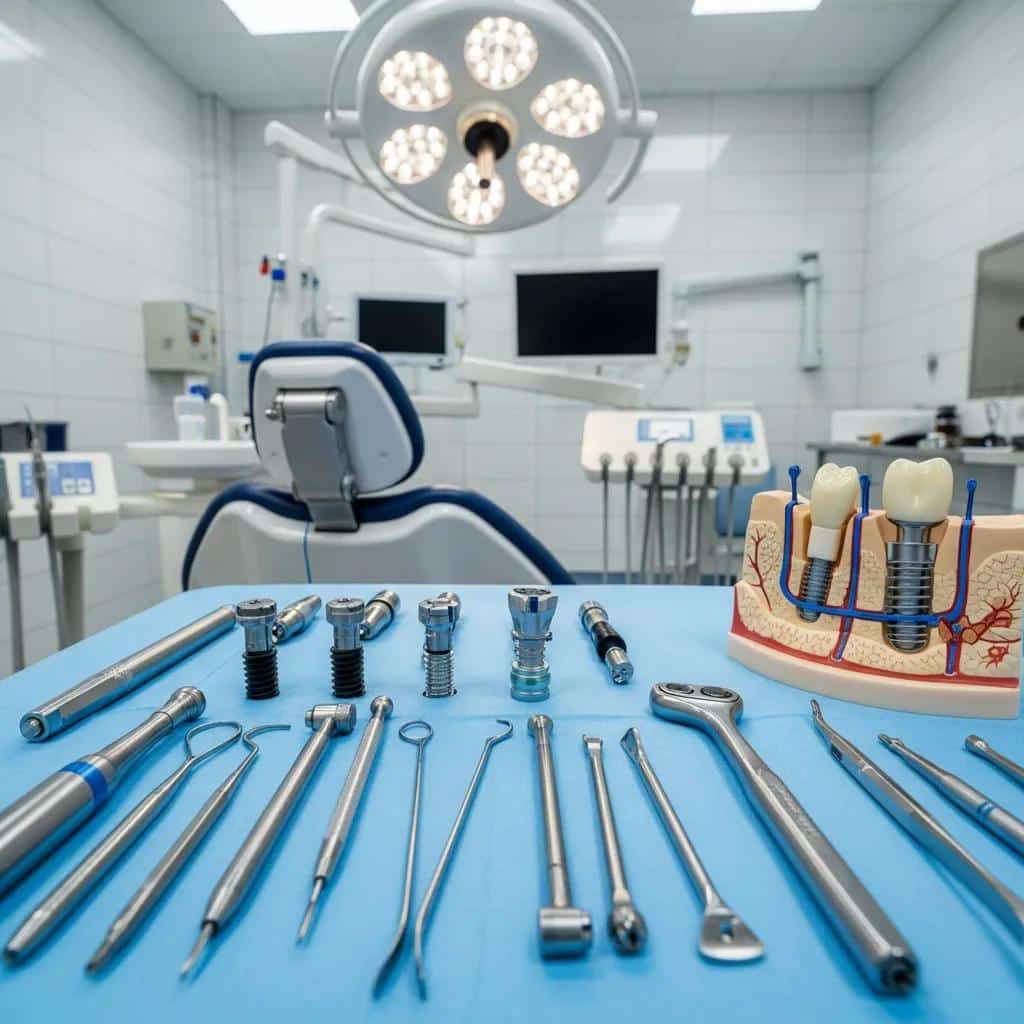
A dental implant is a tooth replacement system composed of a titanium or ceramic fixture surgically placed into the jawbone, an abutment that connects the fixture to the visible restoration, and a crown or prosthesis that restores chewing and appearance; osseointegration—the process by which bone fuses to the implant—underpins long-term stability and is a major reason implants can cost more than removable options. Each component carries a separate cost driver: the implant post (fixture) reflects the surgical complexity and brand, the abutment varies with material and customization, and the crown includes lab work, materials, and esthetic adjustments. Clinic overhead, diagnostic imaging, and surgical guides add to the sticker price because modern workflows (for example, cone beam CT and guided surgery) increase precision and therefore predictable outcomes. Understanding component-level pricing helps patients compare offers on an apples-to-apples basis and prioritize long-term value over low initial cost. The next section breaks down the implant process and why multiple visits are required, which clarifies how time and diagnostics factor into final estimates.
What Is a Dental Implant and How Does It Work?
A dental implant functions as an artificial tooth root that integrates with jawbone to support a restoration, restoring chewing, speech, and facial support while preventing bone loss. The treatment proceeds in phases: consultation and imaging, surgical placement of the implant post, a healing period for osseointegration, placement of an abutment, and fabrication plus delivery of the final crown or prosthesis. This staged sequence explains why implants require multiple visits and why each phase can incur separate fees—diagnostics, surgery, and the lab-based crown are distinct services. Clinically, the predictable biological mechanism of osseointegration is why implants can have superior longevity compared with bridges or dentures. Understanding these steps prepares patients to ask targeted questions about what is included in each fee.
What Are the Main Components of a Dental Implant?
The implant system’s main components are the fixture (implant post), the abutment, and the final crown or prosthesis; each carries its own manufacturing and clinical costs and can be specified in different materials for esthetics and durability. The fixture is typically titanium or zirconia and accounts for a significant part of the hardware cost and surgical planning expense; the abutment may be stock, custom zirconia, or titanium and impacts oral appearance and margin fit. The crown material—porcelain-fused-to-metal, all-ceramic, or full zirconia—affects lab fees, finish time, and long-term staining or wear profiles. Lab work, including shade matching and ceramic layering, often represents 15–30% of the restorative cost. Knowing these parts allows patients to request an itemized estimate rather than a single bundled price so they can make choices aligned with budget and expected longevity.
Different implant components and their typical cost roles are summarized below to make comparisons easier before you receive a personalized estimate.
Component
Role in Treatment
Typical Cost Contribution
Implant post (fixture)
Surgical anchor; determines long-term stability
Substantial (core hardware cost)
Abutment
Connector between post and crown; affects emergence profile
Moderate (material-dependent)
Crown / Prosthesis
Final visible restoration; determines esthetic outcome
15–30% of total restorative cost
Laboratory work
Custom fabrication, shading, and finishing
Variable; adds to restorative cost
This table highlights that the fixture and lab work are major drivers of price, and decisions about materials or customization directly change the quote you receive. The next major section explains typical surgical and diagnostic fees included in implant treatment in Waco.
After reading about components and how they affect price, many patients want a personalized breakdown; Affordable Dentist Near Me of Waco offers a free implant consultation where clinicians explain component choices and provide an itemized estimate tailored to your case, including which materials and procedures will likely be necessary.
How Much Does Dental Implant Surgery Cost in Waco?
In Waco, the cost of implant surgery varies by complexity, number of implants, diagnostic needs, and additional procedures; a local price range should cover consultation, imaging, surgical placement, and anesthesia options to give a realistic estimate. Surgical placement fees reflect clinician time, facility overhead, and any specialized surgical guides or kits used; simple single-tooth placements cost less than multiple implants or full-arch reconstructions. Diagnostic imaging—such as 2D X-rays or 3D cone beam CT—affects the surgical plan and thus pricing because precise planning reduces complications and can lower long-term costs. Patients should expect variability—for example, a straightforward single implant may avoid grafting and thus be less costly, whereas cases requiring bone grafts or sinus lifts add to both time and fees. The next subsections unpack consultation and imaging costs, surgical placement and anesthesia ranges, and typical fees for grafting procedures.
What Are the Costs of Initial Consultation and Diagnostic Imaging?
The initial consultation is an opportunity to review dental and medical history, examine the mouth, and plan diagnostics; some clinics offer this visit free or at low cost to reduce barriers to care and provide a clear estimate. Diagnostic imaging ranges from basic periapical and panoramic X-rays to cone beam CT (CBCT) scans, which provide three-dimensional jawbone assessment and precise implant planning; CBCT improves surgical predictability and often justifies its additional cost by reducing intraoperative surprises. Typical imaging fees vary depending on modality and whether they’re bundled with the consultation or charged separately, but the diagnostic step directly impacts whether grafting or other preparatory work is needed. Bringing previous dental records or X-rays to the consult can sometimes reduce repeat imaging. After evaluating diagnostics, clinicians can present a phased estimate, which helps patients plan financing or insurance coordination.
What Are the Fees for Implant Placement Surgery and Anesthesia?
Dental implant placement fees include the surgeon’s clinical time, use of the operatory and surgical kit, postoperative instructions, and any immediate temporary restoration; anesthesia options—local, oral sedation, IV sedation, or general anesthesia—add to the total depending on patient preference and clinical complexity. Local anesthesia is the most economical choice, while oral or IV sedation provides deeper anxiety control and typically carries moderate additional fees; general anesthesia is less common in office-based implant care and is reserved for complex cases. Surgical complexity—single versus multiple placements, need for simultaneous grafting, or use of guided templates—also changes the price. Patients should request an itemized surgical estimate that lists the surgeon fee, facility/operatory fee, and anesthesia fee separately to compare proposals accurately. The next subsection explains when grafting or sinus lifts become necessary and how they affect timing and cost.
When Are Additional Surgeries Like Bone Grafting or Sinus Lifts Needed and What Do They Cost?
Bone grafting and sinus lift procedures are pre-implant adjuncts performed when natural bone volume or height is insufficient to support an implant; they add both cost and treatment time but are often required to achieve durable outcomes. Grafts vary by source—autograft (patient bone), allograft (donor bone), and xenograft (animal-derived materials)—and by complexity from minor ridge augmentation to major block grafting. Sinus lifts elevate the sinus floor to create sufficient vertical bone in the upper jaw for implant placement; the type of lift (lateral window vs crestal) determines complexity and cost. The table below summarizes common pre-implant procedures, their distinguishing attributes, and estimated cost ranges to help patients anticipate likely additional fees.
Procedure
Type / Complexity
Estimated Cost Range
Simple bone graft
Minor ridge augmentation using particulate graft
Moderate
Block graft / advanced augmentation
Larger structural grafting, may require extra surgery
Higher
Sinus lift (crestal)
Less invasive sinus elevation for small lifts
Moderate
Sinus lift (lateral window)
Larger elevation for significant sinus augmentation
Higher
This comparison emphasizes that grafting choices and surgical approach materially affect cost and timing; patients should factor healing periods into scheduling and financing plans. Understanding these procedural distinctions prepares you to evaluate treatment plans and timelines.
What Are the Hidden Costs and Variable Factors in Dental Implant Pricing?
Beyond the headline implant fee, there are several non-obvious expenses and variable factors that commonly influence final pricing for implants, including temporary restorations, lab fees for specialized esthetics, additional follow-up visits, medications, and maintenance supplies. Material choices—such as zirconia versus titanium fixtures and different crown materials—create durable performance differences and price deltas. Clinic location, clinician experience, and available technology (for example, guided surgery or on-site milling) change overhead and therefore patient fees. Patients should ask for a comprehensive written estimate that lists expected follow-ups, emergency visits, and warranties or maintenance fees. The next subsections compare material choices, list typical post-operative costs, and explain how local market and provider skill level influence pricing.
How Do Material Choices Like Zirconia vs. Titanium Impact Cost?
Choosing between zirconia and titanium components influences both upfront cost and longer-term esthetics or biocompatibility outcomes; titanium implants have an extensive clinical track record, while zirconia offers metal-free esthetics and may command different pricing. Titanium fixtures are widely used and often cost less than ceramic zirconia posts, though premium titanium systems and specific branded implants can be more expensive. Zirconia abutments or zirconia crowns typically cost more due to specialized lab workflows and material handling, but they may provide superior esthetics in highly visible areas. The pros and cons include biocompatibility profiles, risk of staining or metal show-through, and availability of long-term data; these trade-offs should be evaluated relative to your esthetic priorities and budget. The next paragraph outlines temporary restorations and follow-up costs that often catch patients by surprise.
What Are the Costs of Temporary Restorations and Post-Operative Care?
Temporary crowns, provisional dentures, medications (antibiotics, pain control), and additional follow-up visits are routine parts of implant therapy that add modest but significant costs when summed across the treatment sequence. Temporaries protect healing tissues and restore function while the implant integrates; lab-fabricated temporaries cost more than simple chairside provisional restorations. Post-operative care includes scheduled follow-ups to monitor healing, potential adjustments to temporaries, and occasional emergency visits if complications arise—each visit represents a discrete fee unless included in a bundled surgical price. Medication costs depend on local pharmacy pricing and prescriptions, and patients should ask whether prescriptions or over-the-counter recommendations are included in the estimate. Understanding these recurring, small-cost items helps you budget realistically for the entire implant pathway rather than only the surgery.
How Do Geographic Location and Dentist Experience Influence Pricing?
Geographic pricing differences reflect local cost of living, clinic rent, and market competition; in Waco, clinics may position themselves as more affordable while offering modern diagnostics, whereas metropolitan centers often have higher fees. Dentist experience and specialist training also influence price—oral surgeons or prosthodontists may charge more for complex surgical skillsets, but their expertise can reduce complication rates and downstream costs. Clinics investing in state-of-the-art equipment (3D imaging, guided surgery, on-site milling) typically charge higher fees because these tools increase precision and treatment predictability. Patients benefit from balancing the premium for higher skill and technology against the long-term risk of failures or remakes—quality-driven decisions can yield lower total cost per year over an implant’s lifespan. Next, we’ll outline practical strategies to finance and reduce out-of-pocket expenses in Waco.
To make these comparative choices easier, here is a concise table of material trade-offs and their cost/impact relationships.
Material Choice
Cost Impact
Durability / Esthetic Impact
Titanium fixture
Lower to moderate
Long clinical track record, high strength
Zirconia fixture
Higher
Metal-free esthetics, growing evidence base
Porcelain crown
Moderate
Excellent esthetics, possible wear over time
Full-contour zirconia crown
Higher
High strength and stain resistance
This table clarifies that higher upfront material costs often translate to better esthetics or specific clinical advantages, and patients should weigh these trade-offs relative to long-term value.
How Can You Make Dental Implants Affordable in Waco?
Making implants affordable combines insurance understanding, financing strategies, phased treatment planning, and taking advantage of promotional offers like no-cost consultations; this section outlines practical steps to reduce immediate financial barriers and spread costs responsibly. Insurance often does not fully cover implants, but partial benefits may be available for preparatory or restorative components, and savvy coordination of benefits can reduce out-of-pocket expense. Third-party financing (for example, revolving credit plans), in-house payment options, and HSA/FSA tax-advantaged accounts are common routes to manage payments. Clinics may offer everyday low fees, special promotions, or bundled treatment phases to reduce upfront pressure; the next subsections explore insurance realities, financing options with example payment scenarios, and how free consultations can reduce uncertainty before committing.
Does Dental Insurance Cover Implants and How Can You Maximize Benefits?
Most dental insurance plans limit or exclude full implant coverage, but they may reimburse part of the restorative or preparatory work such as crowns, extractions, or grafting; checking plan language and seeking pre-authorization can reveal which parts will be covered. To maximize benefits, obtain a predetermination from your insurer that outlines expected coverage prior to treatment and submit itemized codes for each procedure; coordinated submissions for both surgical and prosthetic components may yield partial reimbursements. Bringing documentation and a written treatment plan to the insurer speeds review, and some patients use employer benefits or secondary plans to offset remaining costs. Ask your clinic to provide treatment codes and a written estimate to facilitate pre-authorization. Next, we’ll examine financing and payment plan scenarios that many Waco patients use to manage implant costs.
What Financing Options and Payment Plans Are Available for Dental Implants?
Financing options include third-party patient credit, in-house payment plans that spread cost across months, and using HSA/FSA funds for eligible dental expenses; each option has different interest, term lengths, and approval criteria. Third-party credit can provide deferred-interest promotions or fixed monthly payments, while in-house plans may offer flexible terms directly managed by the clinic to fit patient cash flow. An example scenario: for a single implant costing several thousand dollars, a 12–24 month in-house plan can reduce monthly payments to an affordable level, whereas a longer third-party loan amortized over 36–60 months lowers monthly cost but increases total interest. Use HSA/FSA accounts when available to pay with pre-tax dollars and reduce net expense. Clinics can often outline typical monthly scenarios during the consult so patients can compare options and choose the least costly over time. The following bulleted list summarizes common options.
Third-party credit offers structured monthly payments for approved applicants.
In-house payment plans provide clinic-managed installment options with variable terms.
HSA and FSA funds can be used to pay for qualifying dental procedures with tax advantages.
Dental Implant Treatment Costs: Patient and Clinician Decision-Making
The aim of this study is to examine how clinicians and patients negotiate clinical need and treatment decisions within a context of finite resources. Dental implant treatment is an effective treatment for missing teeth, but is only available via the NHS in some specific clinical circumstances. The majority of people who receive this treatment therefore pay privately, often at substantial cost to themselves. People are used to paying towards dental treatment costs. However, dental implant treatment is much more expensive than existing treatments – such as removable dentures. We know very little about how dentists make decisions about whether to offer such treatments, or what patients consider when deciding whether or not to pay for them.
Paying for treatments? Influences on negotiating clinical need and decision-making for dental implant treatment, CE Exley, 2009
Are There Special Offers or Free Consultations to Reduce Upfront Costs?
A free implant consultation is a powerful tool to reduce upfront uncertainty because it allows a clinician to evaluate your case, recommend necessary procedures, and provide an itemized cost estimate without initial financial commitment. Many clinics in Waco use complimentary consultations to present phased treatment plans, financing options, and clarify which diagnostic imaging or preparatory work will be needed. Taking advantage of a free consult lets patients compare material choices, timings, and price breakdowns so they can plan HSA/FSA usage, financing, or staged treatment. Affordable Dentist Near Me of Waco specifically offers a free implants consultation and emphasizes everyday low fees and in-house financing to help patients identify affordable options; scheduling a consult gives you a personalized estimate and next-step plan without pressure. Use the consult to request a written, itemized estimate that lists each component and fee so you can compare offers transparently.
What Is the Average Cost of Dental Implants in Waco and How Does It Compare Locally?
Average costs in Waco depend on whether a case is straightforward or requires adjunctive procedures; typical single-tooth implant ranges should include the fixture, abutment, crown, diagnostic imaging, and surgical fees when possible for fair comparison. Multiple implants and full-arch solutions (All-on-4 or implant-supported dentures) scale differently because they may share surgical time and prosthetic design, creating economies of scale per tooth in full-arch reconstructions but a larger total investment. Comparing local averages to regional or national figures can reveal whether a provider is positioned as budget-friendly, mid-market, or premium; remember that lower cost may omit key items like guided surgery, CBCT imaging, or premium materials. The next subsections provide a typical Waco single-implant price range and scenarios for multiple or full-mouth treatments.
What Is the Typical Price Range for a Single Dental Implant in Waco?
A single dental implant estimate in Waco typically ranges across low, average, and higher-end brackets depending on included services and materials; a transparent estimate should indicate whether consultation, imaging, surgical placement, abutment, crown, and lab fees are bundled or listed separately. Low-end options may omit advanced imaging, use stock abutments, or select lower-cost crown materials, while higher-end options include CBCT planning, custom abutments, premium ceramic crowns, and surgeon or specialist fees. Patients should verify which services are included to avoid surprises, and ask for a phase-by-phase estimate showing what is optional. When comparing providers, prioritize detailed, itemized estimates that make clear the expected timeline, included follow-ups, and any warranties or maintenance policies. Next, we look at how costs scale when treating multiple teeth or an entire arch.
Treatment Type
Common Inclusions
Typical Local Considerations
Single implant
Diagnostics, implant post, abutment, crown, follow-up
May vary by materials and imaging choices
Multiple implants
Shared surgical setup, individual prosthetics
May offer per-tooth savings vs single treatments
Full-arch / All-on-4
Multi-implant support for prosthesis
Larger upfront cost but restores full function
How Much Do Multiple or Full-Mouth Dental Implants Cost?
Multiple implants or full-arch reconstructions scale in price because some fixed costs—surgical setup, anesthesia, and certain lab steps—can be spread across several implants, but the number of fixtures and complexity of prosthetics increase materials and lab fees. Partial edentulism treated with two to four implants supporting bridges or dentures often provides a balance between restoring function and controlling cost, while full-mouth solutions like All-on-4 involve a substantial initial investment but can deliver a predictable, fixed-arch outcome with streamlined maintenance. Financing strategies and staged treatment can help patients manage these larger projects; clinics may offer bundled pricing or phased plans to place implants and then restore them over time. When evaluating full-arch options, factor in maintenance costs for prosthetic components and plan for periodic adjustments or replacements over the years.
Economic Evaluation of Dental Implants: Cost-Benefit Analysis
The growing evidence of the efficacy and effectiveness of dental implants calls for economic evaluations to determine the economic efficiency of this technology for different indications. Such studies must be integrated with the clinical evaluations in order to produce the relevant data. In most cases, dental implants will produce a better outcome than the best alternative technology, but this improvement will only come at greater cost. Cost–benefit evaluations of dental implants must therefore address the difficult task of assessing the value of the improvement in oral health.
Cost–Benefit Evaluation of Dental Implants, 1990
Why Choose Affordable Dentist Near Me of Waco for Your Dental Implants?
Affordable Dentist Near Me of Waco provides comprehensive implant services in a state-of-the-art facility and promotes transparency through free consultations and everyday low fees; this local clinic supplements technical capabilities with financing options and a patient-centric approach aimed at minimizing surprises in cost and care. The practice offers implant and denture services and emphasizes clear explanations of treatment options so patients can make informed decisions about materials, surgical needs, and financing. Financing and flexible payment arrangements are available to help patients budget treatments, and the clinic positions its team to explain step-by-step costs during the free consultation so patients leave with an itemized plan. The next subsections expand on how the clinic’s transparency benefits patients, summarize common patient feedback themes, and provide practical steps to schedule a free implant consultation.
How Does Our Commitment to Transparency and Quality Benefit You?
Transparency in pricing and clear explanations of each component reduce unexpected charges and create a predictable treatment pathway, which benefits patients both financially and clinically. Affordable Dentist Near Me of Waco emphasizes everyday low fees paired with comprehensive services, allowing patients to compare itemized estimates and choose materials or staging that align with their budget. A state-of-the-art facility means diagnostic accuracy (for example, modern imaging and planning) that lowers the risk of complications and can reduce long-term costs associated with remakes or corrective procedures. The final benefit is improved confidence: patients who understand what they’re paying for are more likely to adhere to follow-up and maintenance schedules, which preserves the lifespan of implants and optimizes cost-per-year. The next paragraph summarizes the common themes reported by patients about their implant experience.
What Do Patients Say About Their Implant Experience with Us?
Patient feedback themes highlight comfort during treatment, detailed explanations from staff, and flexible payment options that eased financial concerns; these themes reflect a patient-centric approach that focuses on clear communication and supportive care. Reviews often mention that clinicians took time to explain material choices, expected timelines, and post-surgical care, which reduced anxiety and improved satisfaction with outcomes. Flexible payment arrangements and financing conversations provided during the free consultation helped many patients move forward with treatment they might otherwise have postponed. While specific testimonials are not quoted here, these recurring themes demonstrate that procedural transparency and approachable financial options are central to the clinic’s patient experience. The next subsection outlines how to schedule a consult and what to bring.
How Can You Schedule Your Free Dental Implant Consultation Today?
Scheduling a free dental implant consultation with Affordable Dentist Near Me of Waco is a straightforward way to get an individualized estimate and discuss financing, material choices, and next steps; prepare for your visit by bringing any recent dental X-rays, a list of medications, and questions about desired esthetic outcomes. During the free consult, clinicians will review your case, discuss expected diagnostics, outline whether grafting or other preparatory work is needed, and provide an itemized treatment plan with available financing options. To make the most of the consult, request written estimates for phased treatment and ask which items are included versus optional so you can compare options. Use the free consultation to clarify alternative treatment sequences and payment schedules that fit your budget and timing needs.
What Are the Most Common Questions About Dental Implant Costs and Financing?
Patients commonly ask how to spot hidden fees, which financing routes are best, and whether implants are worth the investment long-term; concise answers to these questions equip prospective patients to ask the right questions at consultation. This section provides practical checklists and direct comparisons so readers can quickly identify unexpected items on estimates, evaluate financing mechanics, and assess lifetime value versus alternative tooth-replacement options. The following subsections present a checklist to avoid hidden fees, a financing comparison with example calculations, and an evidence-focused summary of implant longevity and cost-effectiveness.
How Can I Identify and Avoid Hidden Costs in Dental Implant Surgery?
A practical checklist helps patients identify potential hidden costs and ask targeted questions before signing a treatment plan, reducing the likelihood of surprises after surgery. Key items to confirm include which diagnostics are included, whether surgical and prosthetic phases are bundled, explicit lab fees, anesthesia type and associated costs, expected number of follow-up visits and whether emergency visits are covered, and whether temporaries and medications are included. Ask the clinic to provide a written, itemized estimate and confirm cancellation or change policies to understand possible additional charges. Using a free consultation to obtain this written plan gives you a defensible basis to compare proposals and negotiate staging or material choices without pressure.
Confirm whether the initial consultation and diagnostic imaging are included in the quoted price.
Verify whether the surgical placement fee includes anesthesia or if it is billed separately.
Request clarity on lab fees, provisional restorations, and the number of follow-up visits included.
What Are the Best Ways to Finance Dental Implants in Waco?
Compare financing options by total cost, monthly payment, and flexibility: third-party patient credit often offers promotional financing but may incur higher interest if deferred terms are missed, in-house plans can be flexible and convenient, and HSA/FSA funds reduce taxable income and net cost. For example, a multi-thousand-dollar single-implant treatment can be split over 12–24 months in-house to keep monthly payments lower with minimal interest, while a longer-term third-party loan reduces monthly payment further but increases total interest cost. When evaluating, calculate both monthly affordability and total cost over the loan period to determine which route best fits your finances and timeline. Discuss available options openly during a free consultation so you receive tailored monthly payment examples and can select the most cost-effective plan.
How Long Do Dental Implants Last and Are They Worth the Investment?
Dental implants typically last decades with proper care, and many studies show high long-term survival rates when placed and restored with appropriate protocols, making implants cost-effective over a patient’s lifetime compared with repeated bridge or denture replacements. Maintenance consists of routine hygiene, periodic professional check-ups, and occasional prosthetic adjustments or crown replacements; these predictable costs are generally lower than ongoing replacement cycles required by removable prostheses. When calculating cost-per-year, the higher initial expense of implants is often offset by superior function, reduced bone loss, and lower cumulative replacement costs. For many patients, investing in quality materials and experienced clinicians upfront reduces the risk of complications and additional expenses later, improving overall value.
How Does the Long-Term Value of Dental Implants Compare to Other Tooth Replacement Options?
Evaluating long-term value means looking beyond upfront price to factors like function, maintenance frequency, bone preservation, and prosthetic longevity; implants often deliver superior outcomes that reduce lifetime costs associated with remakes, dietary limitations, and bone-related complications. Dentures and bridges may have lower initial cost but often require periodic relining, replacement, or adjacent-tooth preparation that can create cumulative expense and functional limitations. Implants preserve adjacent teeth and jawbone structure, reducing the downstream need for more complex treatments. The next subsections highlight benefits of implants vs dentures/bridges and show how investing in quality implants can save money over time.
What Are the Benefits of Dental Implants Over Dentures and Bridges?
Dental implants offer functional stability that allows patients to chew a wider range of foods, helps preserve jawbone by transmitting functional load, and avoids altering adjacent natural teeth as fixed bridges often require. Improved speech, comfort, and the psychological benefits of fixed restorations contribute to better quality of life and fewer prosthetic adjustments over time. These functional and health advantages result in lower cumulative costs from fewer replacements, less need for corrective procedures, and better oral health maintenance. Patients who value long-term predictability and maintenance savings typically find implants deliver superior overall value despite higher upfront costs.
How Does Investing in Quality Implants Save Money in the Long Run?
Quality implants, appropriate materials, and experienced clinicians reduce the probability of complications, prosthetic remakes, and revision surgeries; these outcomes lower total lifetime expense when compared to choosing the lowest initial bid without clear guarantees or itemized planning. For example, a higher-cost zirconia crown matched with precise implant placement can minimize esthetic remakes and provide stain resistance, translating into fewer replacement cycles. Calculating cost-per-year by dividing total treatment and expected maintenance costs by years of service often shows implants equal or outperform bridges/dentures financially over a 10–20 year horizon. Prioritizing transparent, itemized estimates and evidence-based materials selection helps ensure the investment yields durable clinical and financial returns.
The Complete Cost Guide for Dental Implants in Waco: Surgery Fees, Hidden Expenses, and Financing Options Explained
(Final note: schedule a free implant consultation to get a personalized, itemized estimate, discuss material choices like zirconia versus titanium, and review available financing or in-house payment plans at Affordable Dentist Near Me of Waco. For in-person visits, the clinic is located at 4573 Lake Shore Drive, Waco, TX 76710. Use the free consult to obtain written treatment phases, anticipated timelines, and tailored monthly payment scenarios so you can proceed with confidence.)