Your Pain Blueprint: Managing and Anticipating Discomfort During and After Dental Implants in Crowley, TX
Dental implants are a popular solution for individuals seeking to replace missing teeth, but the journey to a successful implant can involve discomfort. Understanding the pain associated with dental implants is crucial for patients to prepare mentally and physically for the procedure. This article serves as a comprehensive guide to managing and anticipating discomfort during and after dental implants, ensuring that patients are well-informed and equipped to handle their recovery. We will explore the types of pain expected during the procedure, the recovery timeline, effective pain management strategies, and the role of sedation in enhancing the dental implant experience. Additionally, we will discuss when to seek help from Affordable Dentist Near Me – Crowley, a trusted provider of dental implants in the area.
What Pain Should You Expect During the Dental Implant Procedure?
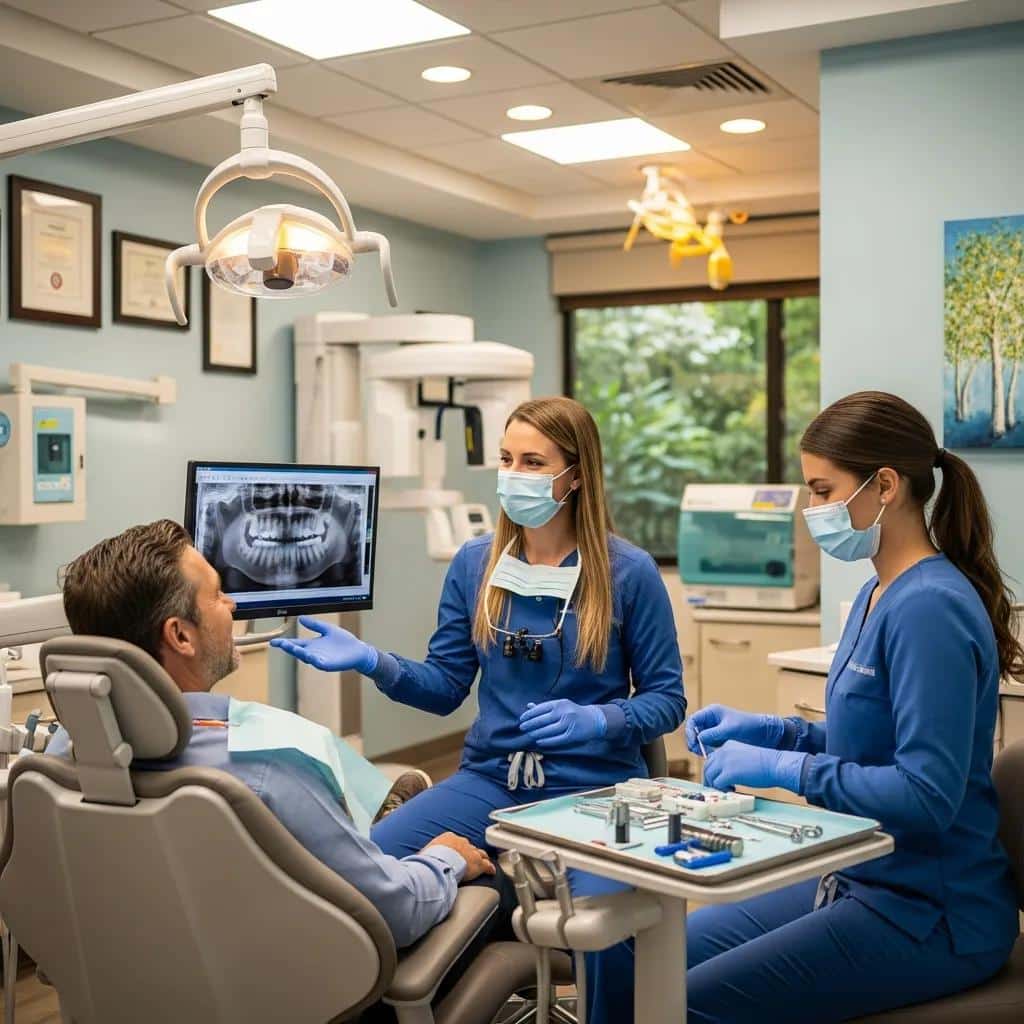
During the dental implant procedure, patients can expect various sensations and levels of discomfort. Understanding these experiences can help alleviate anxiety and set realistic expectations. The primary pain experienced during the procedure is often related to the surgical placement of the implant, which involves drilling into the jawbone.
How Does Local Anesthesia and Sedation Dentistry Reduce Pain?
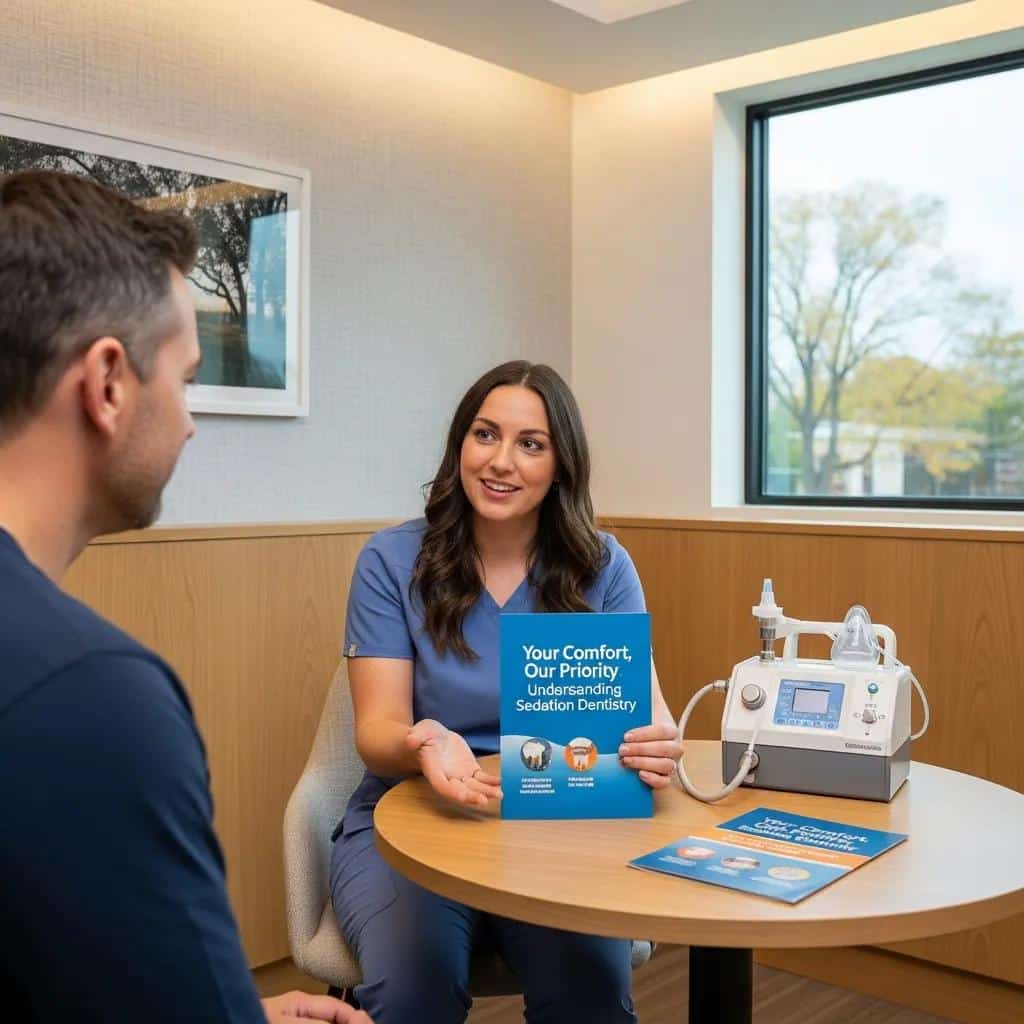
Local anesthesia is a critical component of the dental implant process, as it numbs the area around the implant site, significantly reducing pain during the procedure. Sedation dentistry, which may include options like nitrous oxide or oral sedatives, further enhances patient comfort by alleviating anxiety and promoting relaxation. This combination allows patients to undergo the procedure with minimal discomfort, making the experience more manageable.
What Are the Common Sensations Experienced During Implant Placement?
Patients may experience various sensations during the implant placement, including pressure and vibrations as the implant is inserted into the jawbone. While these sensations can be unsettling, they are typically not painful due to the effects of anesthesia. Understanding these common experiences can help patients feel more at ease during the procedure, knowing that discomfort is often temporary and manageable.
How Long Does Dental Implant Pain Last? Understanding the Recovery Discomfort Timeline
Post-operative pain is a common concern for patients undergoing dental implants. The duration and intensity of pain can vary based on individual factors, including pain tolerance and the complexity of the procedure.
What Is the Typical Pain Level in the First 24-72 Hours After Surgery?
In the first 24 to 72 hours after surgery, patients may experience moderate pain, often rated between 3 to 5 on a pain scale of 1 to 10. This discomfort is typically managed with over-the-counter pain medications such as ibuprofen or acetaminophen and should gradually decrease as the healing process begins.
How Does Discomfort Change During Weeks 1 to 4 of Healing?
As healing progresses, discomfort usually diminishes significantly by the end of the first week. By weeks two to four, most patients report only mild soreness or sensitivity around the implant site. This timeline is crucial for patients to understand, as it sets expectations for their recovery journey and helps them prepare for any necessary adjustments in their pain management strategies.
What Are Effective Pain Management Strategies for Dental Implants?
Managing pain effectively after dental implant surgery is essential for a smooth recovery. Patients can utilize a combination of medications and home remedies to alleviate discomfort.
Prescription Medications: Dentists may prescribe stronger pain relievers if necessary, but often recommend over-the-counter options first.
Over-the-Counter Medications: Non-prescription pain relievers like ibuprofen and acetaminophen are commonly effective for managing post-operative pain.
At-Home Comfort Measures: Applying ice packs to the affected area can help reduce swelling and numb pain. Additionally, maintaining a soft diet can prevent irritation to the implant site during the initial healing phase.
Which Prescription and Over-the-Counter Medications Are Recommended?
For effective pain management, dentists typically recommend over-the-counter medications such as ibuprofen or acetaminophen. Prescription opioids are rarely necessary and are prescribed only in cases of severe pain for a short duration. It is essential for patients to follow their dentist’s instructions regarding dosages and timing to ensure optimal pain relief.
What At-Home Comfort Measures Help Reduce Discomfort?
In addition to medications, several at-home comfort measures can aid in reducing discomfort after dental implant surgery. Patients can benefit from:
Ice Packs: Applying ice packs to the cheek near the implant site can help minimize swelling and numb pain.
Soft Foods: Eating soft foods can prevent irritation to the surgical site, making meals more comfortable during the initial recovery phase.
Rest: Ensuring adequate rest and avoiding strenuous activities can promote healing and reduce discomfort.
How Can Sedation Options Improve Your Dental Implant Experience?
Sedation options play a significant role in enhancing the dental implant experience by reducing anxiety and discomfort during the procedure. Understanding the various sedation methods available can help patients make informed decisions about their care.
What Types of Sedation Dentistry Are Available for Implant Procedures?
Several sedation options are available for dental implant procedures, including:
Nitrous Oxide: Commonly known as laughing gas, nitrous oxide is inhaled through a mask and helps patients relax during the procedure.
Oral Sedatives: These medications are taken before the appointment to help calm nerves and promote relaxation.
IV Sedation: For patients with higher anxiety levels, IV sedation provides deeper relaxation and is administered by a trained professional.
How Does Sedation Dentistry Alleviate Anxiety and Pain?
Sedation dentistry effectively alleviates anxiety and pain by inducing a state of relaxation, allowing patients to undergo dental procedures with minimal discomfort. Many patients report a significantly improved experience when sedation is used, as it helps them feel more at ease and less aware of the procedure itself. This can lead to a more positive overall experience and better outcomes.
What Is the Week-by-Week Dental Implant Recovery Timeline for Discomfort?
Understanding the recovery timeline for dental implants is essential for managing expectations and planning for post-operative care.
Week 1: Managing Initial Healing and Pain Reduction
During the first week, patients should focus on managing pain and promoting healing. This includes following prescribed medication regimens and adhering to dietary recommendations. Most discomfort will peak within the first two to three days and gradually decrease as healing progresses.
Weeks 2-4: Continued Healing and Residual Soreness
By weeks two to four, patients typically experience a significant reduction in discomfort. However, some residual soreness may persist as the implant integrates with the jawbone. Regular follow-up appointments with the dentist are crucial during this period to monitor healing and address any concerns.
When Should You Contact Affordable Dentist Near Me – Crowley About Implant Pain?
Knowing when to seek professional help is vital for ensuring a smooth recovery after dental implants.
What Are the Signs of Abnormal Pain or Complications?
Patients should be vigilant for signs of abnormal pain or complications, such as:
Severe Pain: Pain that worsens instead of improving may indicate an issue.
Swelling: Excessive swelling or bruising around the implant site can be a sign of infection.
Fever: A fever may indicate an underlying infection that requires immediate attention.
Persistent Bleeding: Bleeding that does not stop within 24 hours should be evaluated.
How to Access Emergency Dental Care for Implant Pain in Crowley, TX?
In the event of severe pain or complications, patients should contact Affordable Dentist Near Me – Crowley for guidance. The clinic is equipped to handle emergencies and can provide the necessary care to address any issues that arise during the recovery process.
What Do Patients Say About Their Dental Implant Pain and Comfort Experiences?
Patient experiences can provide valuable insights into the dental implant process, particularly regarding pain management and comfort.
How Have Sedation and Pain Management Improved Patient Satisfaction?
Many patients report high satisfaction levels when sedation and effective pain management strategies are employed. The ability to undergo the procedure with minimal discomfort significantly enhances the overall experience, leading to positive feedback and recommendations.
What Are Common Patient Experiences with Post-Operative Discomfort?
Common themes in patient feedback include the importance of clear communication regarding pain expectations and the effectiveness of prescribed pain management strategies. Patients appreciate the support provided by their dental team throughout the recovery process, which contributes to their overall satisfaction with the dental implant experience.
Pain Management Strategy
Description
Effectiveness
Prescription Medications
Strong pain relievers prescribed by the dentist when necessary
High
Over-the-Counter Medications
Non-prescription options for pain relief
Moderate to High
At-Home Comfort Measures
Ice packs and soft foods to ease discomfort
Variable
Dental implants can significantly improve quality of life, and understanding the pain associated with the procedure is essential for a successful experience. By anticipating discomfort and employing effective pain management strategies, patients can navigate their recovery with confidence. For those considering dental implants, scheduling a free consultation with Affordable Dentist Near Me – Crowley can provide personalized guidance and support throughout the process.