Dental Implant Cost Factors: How Materials, Location, and Procedures Impact Pricing
Dental implants are medical devices that replace missing teeth by anchoring a titanium or ceramic post into the jaw and restoring function with an abutment and crown, offering a durable alternative to dentures and bridges. This article explains how materials, geographic location, and additional surgical procedures drive the average cost of dental implants in 2025 and helps patients forecast total expenses for single, multiple, and full-arch treatments. Many patients face uncertainty about pricing because quotes often exclude imaging, grafts, or temporary prostheses; understanding the components and decision rules reduces surprise costs. Below we define typical price ranges, compare titanium, zirconia, and ceramic options, and show when bone grafts, sinus lifts, or specialist care become necessary. We also examine regional variation with a Fort Worth focus, illustrate how implant scope scales cost, and outline practical financing strategies to maximize insurance benefits and spread payments. Read on for numeric ranges, EAV comparison tables, actionable checklists, and clear transitions that guide decision-making for dental implants in 2025.
What Are the Average Dental Implant Costs in 2025?
Dental implant cost estimates in 2025 reflect the combined price of the implant fixture, abutment, and final crown plus any required preparatory procedures, and these components explain most variability in quotes. The implant fixture (post) provides mechanical stability by osseointegrating with bone; the abutment connects the post to the crown; and the crown restores esthetics and function, so prices track materials and clinical complexity. Understanding what is included in a quote helps patients compare offers and anticipate extra charges for imaging, grafts, or temporary prostheses. The following H3 sections break down single-tooth pricing, full-arch ranges, and how common add-ons change total cost, starting with single implants.
How Much Does a Single Dental Implant Typically Cost?
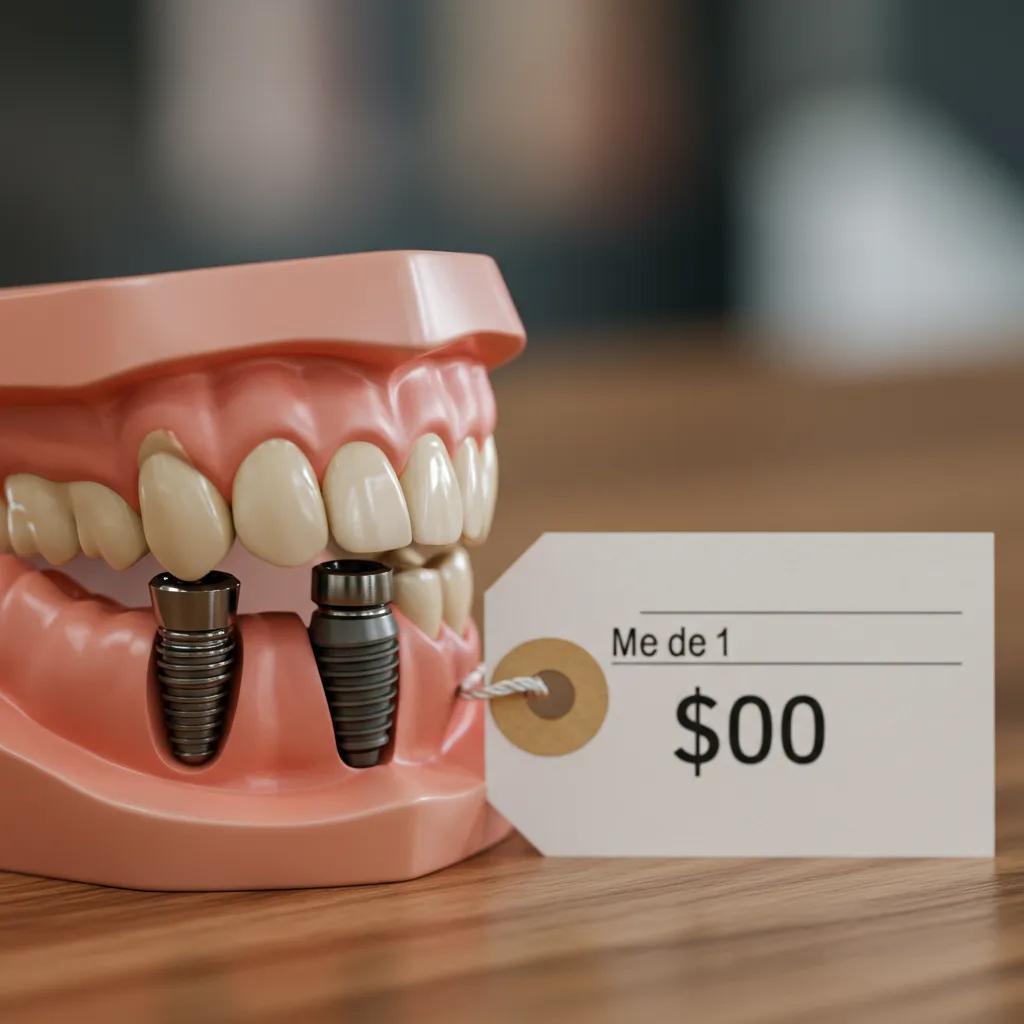
A single dental implant in 2025 typically ranges from $3,500 to $6,700 when quotes include the implant post, standard abutment, and porcelain or zirconia crown, making this the baseline for cost planning. (uncoveringthedentalimplantprocess.com) The fixture accounts for a large fraction of the price because of device manufacturing and surgical placement, while the abutment and crown reflect prosthetic complexity and lab fees. Common add-ons that increase the final bill include CBCT imaging, extraction of a damaged tooth, bone grafting, or a custom abutment, each adding several hundred to several thousand dollars depending on complexity. When comparing estimates, patients should request an itemized quote that lists implant system, abutment type, crown material, and whether imaging or sedation is included to avoid surprises and to prepare for next-level procedures like multi-tooth restorations.
What Is the Cost Range for Full Mouth Dental Implants?
Full-mouth solutions such as fixed full-arch prostheses or All-on-4/All-on-6 systems typically range from $24,000 to $55,000 per arch in 2025, reflecting surgical complexity, number of implants, and prosthesis material selection. (uncoveringthedentalimplantprocess.com) These cases bundle multiple implants into a single restorative plan where economies of scale and lab workflows influence per-unit costs, but surgical time, grafting, and staged workflows can push totals higher. Clinically, a fixed hybrid prosthesis costs more than a removable overdenture because of stronger frameworks, advanced laboratory work, and more complex occlusal design. When extreme atrophy requires zygomatic or staged reconstructions the price can rise substantially, so patients comparing full-arch options should confirm whether quoted ranges cover temporary prostheses, final restorations, and all surgical stages to avoid mid-treatment cost escalation.
How Do Additional Procedures Affect Overall Implant Costs?
Additional procedures such as bone grafts, sinus lifts, extractions, and soft-tissue augmentation materially change total implant cost because they add surgical time, materials, and healing phases to the plan. Imaging (panoramic radiographs, CBCT) and pre-op consultations are often billed separately and can add several hundred dollars, while grafts and lifts may add from a few hundred to several thousand dollars depending on graft type and volume. Providers may stage treatments—placing grafts first and implants later—to optimize outcomes but that sequencing increases appointments and cumulative cost; conversely, combined procedures can be more efficient but carry different clinical trade-offs. Patients should ask for a procedural flow chart and itemized pricing so they can compare scenarios where grafts are immediate, delayed, or avoided through alternative implant types.
How Do Dental Implant Materials Influence Cost and Benefits?
Dental implant materials affect pricing through manufacturing complexity, material cost, and clinical indications; selecting the optimal material balances aesthetics, biocompatibility, and lifecycle costs. Material choice changes the prosthetic interface and lab workflow, which in turn influences abutment selection and crown materials, affecting total price and long-term value. Below is a comparison table that summarizes the typical cost impact and clinical notes for common implant materials to help patients weigh upfront premium versus expected lifetime performance.
Material
Key Characteristic
Typical Cost Impact & Notes
Titanium (commercially pure/CP-Ti)
High strength, proven osseointegration
Baseline cost; widely used and supported by many systems; good long-term data
Zirconia (one-piece or two-piece ceramic)
High esthetics, metal-free
Moderate-to-higher cost due to manufacturing; favored for anterior esthetics or metal-allergy scenarios
Other advanced ceramics
Improved esthetics and corrosion resistance
Typically higher cost and less long-term data; selected when metal-free solution required
What Are the Cost Differences Between Titanium and Zirconia Implants?
Titanium implants are generally the cost baseline because of established manufacturing scale and wide clinical use, while zirconia implants often carry a price premium driven by manufacturing complexity and a smaller supplier base. Clinically, titanium has the longest track record for osseointegration and system compatibility, which can reduce complication-related costs over time; zirconia offers superior white esthetics near the gingival margin and is chosen when metal visibility or allergy concerns exist. When estimating lifecycle cost-of-ownership, patients should weigh initial device cost against potential prosthetic complications, with titanium often delivering lower long-term repair and replacement rates in mainstream studies. These trade-offs guide material selection based on aesthetic priorities, medical history, and long-term budget planning.
Are Ceramic Implants a Cost-Effective Alternative?
Ceramic implants can be cost-effective for patients requiring a metal-free solution or superior anterior esthetics, but their higher initial price and limited long-term comparative data mean they are best considered case-by-case. The cost premium reflects precision sintering and specialist fabrication, and in some cases ceramic systems require specific abutments or customized prosthetic workflows that add lab fees. For patients with metal sensitivities or high esthetic demand, the reduced soft-tissue discoloration and white substructure can justify extra expense; however, clinicians must consider fracture resistance and evidence base when recommending ceramics for load-bearing posterior sites. A practical approach is to review evidence on complication rates and to request modeled lifetime scenarios that include potential repair or replacement costs.
How Do Material Properties Affect Longevity and Price?
Material properties such as osseointegration behavior, fracture toughness, and corrosion resistance directly influence expected lifespan and therefore the long-term cost profile of an implant system. Implants that achieve predictable osseointegration reduce early failure risk and downstream expense, whereas materials prone to surface degradation or microfracture can increase maintenance and replacement costs. Maintenance considerations—such as hygiene demands around ceramic surfaces or potential abutment wear—affect prosthetic longevity and patient out-of-pocket expenses over time. Understanding how material science links to clinical outcomes helps patients prioritize either lower upfront cost or potential savings through reduced complication rates and longer intervals between restorative work.
How Does Location Affect Dental Implant Pricing?
Geographic location influences dental implant pricing through local cost of living, market competition, and specialist availability, which together shape what patients actually pay in different regions. Provider overhead (rent, staff wages), regional supply chains, and average fee schedules for oral surgeons or prosthodontists differ markedly between metropolitan and rural areas, creating measurable price bands. Local demand and the concentration of implant centers also push prices up or down; competitive urban markets may offer promotional pricing while shortage of specialists in remote areas can inflate travel and bundled care costs. The next subsections show Fort Worth averages, urban vs rural contrasts, and the specific regional drivers that explain why two clinics in the same state can quote very different totals.
What Are the Average Dental Implant Costs in Fort Worth, TX?
Reported Fort Worth ranges in 2025 for single implants typically fall between $3,500 and $6,700 per implant when standard abutment and crown are included, reflecting the local market mix of private practices and specialized centers. (uncoveringthedentalimplantprocess.com) Local factors such as clinic type (general dentist vs oral surgeon), use of advanced imaging, and prosthetic laboratory partnerships create variation within that range, and cosmetic or high-end materials push quotes toward the upper bound. Patients in Fort Worth should request itemized estimates and ask whether grafting, CBCT scans, sedation, or temporary prosthetics are included to compare apples-to-apples across providers. Knowing the local average empowers negotiation and helps patients choose financially efficient pathways or plan for travel if specialized care is needed.
How Do Urban and Rural Areas Differ in Implant Pricing?
Urban centers typically show higher sticker prices driven by increased overhead and advanced service offerings, but competition and volume can produce stable or even lower per-unit pricing for bundled full-arch cases, whereas rural areas often face limited specialist supply that can increase travel costs and delay scheduling. Urban clinics may offer cutting-edge diagnostics and guided surgery that raise upfront fees but can reduce complication risk, whereas rural providers may subcontract specialized services, adding logistical costs. Patients balancing cost and convenience should compare total trip-and-care expenses, including follow-up visits, and consider whether a staged plan or short-distance travel yields better value. The discussion of urban versus rural dynamics frames the next topic of specific regional price drivers.
What Factors Cause Regional Price Variations?
Regional price variations stem from a combination of overhead (rent, utilities), clinician wages, regulatory compliance costs, local insurance mix, and the density of specialist providers, each shifting the economics of implant practice. Supply chain factors—such as local lab availability for prosthetics and access to particular implant systems—influence both turnaround time and price, while state-level licensing and malpractice environments can also affect fees. Patient demographics and local demand patterns determine whether clinics specialize in high-volume implant workflows or in boutique service models with premium pricing. Recognizing these drivers helps patients interpret variances in quotes and to prioritize which cost levers—material selection, provider type, or treatment timing—are most realistic to adjust.
What Additional Dental Implant Procedures Impact Costs?
Additional procedures commonly required for implant success include bone grafting, sinus lifting, extractions, and soft-tissue management, and these interventions alter both surgical complexity and total cost. Each procedure has distinct indications and material or graft-type choices that change price brackets, so clinicians create tailored treatment sequences that affect cumulative cost and healing timeline. The table below maps common procedures to when they are needed and provides typical cost ranges to make trade-offs transparent for patients facing deficient bone or anatomic constraints.
Procedure
When It’s Needed
Typical Cost Range
Bone graft (autograft/allograft/xenograft/synthetic)
Insufficient bone volume/quality for implant stability
$500–$3,000 depending on graft type and volume
Sinus lift
Posterior maxilla with low sinus floor height
$1,500–$5,000 depending on approach and materials
Tooth extraction (simple vs surgical)
Non-restorable teeth prior to implant
$150–$800 for simple; $300–$2,000 for surgical/impacted
Abutment placement / provisionalization
Prosthetic phase following osseointegration
$200–$1,200 depending on custom abutment and lab work
When Is Bone Grafting Necessary and How Much Does It Cost?
Bone grafting is necessary when the jaw lacks sufficient height or density to achieve stable osseointegration, and the decision depends on defect size, location, and the chosen implant timeline. Autografts (patient bone) typically require additional surgical sites and higher complexity, while allografts, xenografts, and synthetic materials vary in price and handling characteristics; cost ranges are commonly $500 to $3,000 depending on material and volume. Clinicians may perform minor grafting at the time of implant placement or stage larger grafts to mature before implant insertion; staging influences both cost and total treatment time. Patients should ask providers to explain graft type options, donor sources, and how graft choice affects healing times and overall expense.
How Much Does a Sinus Lift Procedure Add to Implant Costs?
A sinus lift raises the maxillary sinus floor to create vertical bone height for posterior upper implants, and it typically adds $1,500 to $5,000 to treatment cost depending on whether the lift is lateral window or osteotome technique and whether graft materials are required. Sinus lifts can be staged ahead of implant placement or combined in a single surgery when clinically appropriate; staging usually increases total visits and cumulative cost but can improve graft maturation and implant success. Anatomical complexity, use of membranes or growth factors, and whether an ENT or oral surgeon is needed influence pricing. Understanding these variables helps patients anticipate both timeline and financial impact when upper posterior teeth are involved.
What Are the Costs of Tooth Extraction and Abutment Placement?
Tooth extraction costs vary by complexity—simple extractions commonly range from $150 to $800 while surgical or impacted extractions may run $300 to $2,000—and these procedures can precede grafting or immediate implant placement. Abutment placement and provisionalization occur during the restorative phase and may be itemized separately; custom abutments and high-end prosthetic work can add several hundred to over a thousand dollars. Some providers bundle abutment and crown fees into a single implant package, while others itemize; clarity on billing structure avoids mid-treatment confusion. Patients should request a full sequence estimate covering extraction, any interim prosthesis, and final abutment/crown arrangements to compare offers.
How Does the Number and Type of Implants Affect Total Cost?
The total cost scales with implant count, but economies of scale and procedural efficiency often reduce per-unit pricing when multiple implants are placed in a single operative plan, making strategic planning important for multi-tooth restorations. Implant type—single-tooth, multiple adjacent implants, full-arch All-on-4/6, mini implants—determines device cost, surgical time, and prosthetic complexity, all of which combine to set the final invoice. The table below summarizes common implant scopes with example price ranges to guide comparative planning and to show when mini or zygomatic implants become clinically and financially relevant.
Implant Type
Scope / Use Case
Estimated Price Range
Single tooth implant
Replace a single missing tooth
$3,500–$6,700 per tooth
Multiple implants
Replace adjacent teeth or small spans
$2,500–$4,500 per implant (possible per-unit savings)
Full-arch (All-on-4 / All-on-6)
Replace full arch with fixed prosthesis
$24,000–$55,000 per arch
Mini dental implants
Stabilize overdentures or low-load cases
$500–$1,500 per implant (lower device cost)
What Is the Cost of a Single Tooth Implant Compared to Multiple Implants?
Per-tooth costs for single implants are higher on a unit basis than bundled multi-implant plans because single cases absorb fixed setup costs (surgical time, imaging, lab fees) over one tooth; when multiple implants are placed together the per-unit price often decreases slightly. For example, three adjacent implants may cost less per implant than three separate single-tooth cases because the clinician amortizes imaging, guided-surgery guides, and anesthesia across one surgical visit. However, staging implants over time adds cumulative appointments and may increase total cost despite preserving cash flow. Patients should compare bundled-case estimates versus individually staged procedures to determine whether immediate savings or phased affordability best meets their needs.
How Much Do Full Arch Implants Like All-on-4 and All-on-6 Cost?
All-on-4 and All-on-6 full-arch solutions range broadly—commonly $24,000 to $55,000 per arch—because pricing depends on the number of implants, prosthetic material (acrylic vs hybrid metal-ceramic frameworks), and whether final prostheses or temporary solutions are included. Fixed hybrid prostheses with milled frameworks and high-end teeth are at the top of the range, while removable overdentures supported by fewer implants sit at the lower bound. Surgical complexity, need for grafting or sinus augmentation, and laboratory customization drive variation; therefore, patients evaluating full-arch offers should request a stepwise budget that separates surgical, prosthetic, and lab costs. Comparing per-arch totals rather than per-implant line items clarifies true financial commitment.
Are Mini Dental Implants a More Affordable Option?
Mini dental implants provide a lower-cost, less invasive option primarily for denture stabilization or cases with narrow ridges, with typical device costs of $500 to $1,500 per implant, but they are limited in load capacity and long-term load-bearing compared to standard-diameter implants. The affordability of mini implants often results from smaller surgical demands and simpler prosthetic components, yet clinical trade-offs include reduced long-term evidence for heavy biting forces and limited suitability for single-tooth replacement in posterior regions. For patients seeking a lower-cost interim solution or denture stabilization, minis can be appropriate; however, those desiring permanent full-function restorations should evaluate standard implants despite higher initial cost. Deciding between minis and standard implants requires balancing immediate affordability against functional expectations and replacement risk.
How Do Dentist Expertise and Technology Influence Implant Costs?
Provider expertise and the use of advanced technology—such as CBCT imaging, guided implant placement, and digital intraoral scanning—affect implant pricing because they change predictability, efficiency, and complication rates, and these factors influence both short-term cost and long-term value. Specialists (oral surgeons, periodontists, prosthodontists) often command higher fees due to training and case complexity, but their experience can reduce risks that cause expensive revisions. The following H3 sections explain why experience affects pricing and when technology justifies its premium.
Why Does Provider Experience Affect Pricing?
Provider experience affects pricing because clinicians with higher case volumes and specialized training typically achieve lower complication rates and can handle complex reconstructions more predictably, which reduces the likelihood of cost-increasing rework. Experienced teams may also streamline workflows, coordinate multi-disciplinary care, and leverage established lab relationships that improve prosthetic outcomes, and these efficiencies can justify higher upfront fees. Patients should consider credential indicators—such as specialty training and case volume—when evaluating whether a higher fee translates to better long-term value. Understanding how expertise impacts both outcome and cost helps patients decide when paying a premium is financially prudent.
How Does Advanced Technology Impact Cost and Success Rates?
Advanced technologies like CBCT imaging, computer-guided surgery, and digital impression systems raise upfront costs but can improve implant placement accuracy, reduce surgical time, and minimize post-operative complications, potentially lowering total lifetime cost. Guided surgery enables precise angulation and depth control, which can reduce the need for grafting or corrective procedures and may make full-arch workflows more predictable. Intraoral scanners and digital workflows streamline prosthetic design and can shorten lab turnarounds, while 3D printing enables customized provisional prostheses that enhance immediate function. Patients should weigh the marginal cost of technology against expected improvement in predictability and timeline when comparing treatment plans.
What Financing Options Are Available for Dental Implants?
Financing options for dental implants range from dental insurance partial coverage to in-house payment plans and third-party medical/dental lenders, and knowing each option’s characteristics helps patients spread cost while protecting outcomes. Insurance often covers parts of the restorative phase (crowns) but excludes implants or limits lifetime benefits, so pre-authorization and code review are essential. Below we list common financing approaches, provide tips to maximize insurance, and outline practical steps for obtaining pre-authorizations and payment plans.
Insurance partial coverage: Some plans cover crowns or extractions but often exclude implant fixtures.
In-house payment plans: Clinics offer installment arrangements that spread cost without third-party interest.
Third-party lenders: Medical or dental lenders provide fixed-term loans with variable interest and predictable payment schedules.
Membership plans: Dental memberships reduce routine care costs and sometimes offer treatment discounts but rarely cover major implant fees.
These financing choices can be combined to reduce out-of-pocket burden, and the next subsections describe insurance specifics, plan comparisons, and ways to maximize benefits through documentation and coding.
Does Dental Insurance Cover Dental Implant Procedures?
Dental insurance frequently does not fully cover implant fixtures, but it may cover parts of the restorative phase—such as crowns—or related procedures like extractions and radiographs, with coverage subject to plan limitations and annual maximums. Insurers vary in handling implants; some consider implants elective and exclude them, while others offer partial benefits or pre-authorization pathways that can reduce patient liability for specific codes. Patients should request predetermination from insurers and ask providers for CDT procedure codes to confirm coverage before treatment. Accurate coding and pre-authorization minimize denials and form the basis for appeals if insurers initially reject implant-related claims.
What Payment Plans and Dental Memberships Help Afford Implants?
Payment plans and memberships can reduce upfront cost pressure: in-house plans allow interest-free or low-interest installment payments with the clinic, third-party lenders offer longer amortization but with interest, and membership plans provide discounted preventive care and sometimes treatment discounts. In-house plans may be easiest to qualify for and facilitate continuity of care, while third-party lenders broaden access but require careful attention to APR and total repayment. Memberships are best for patients who value ongoing preventive care and modest discounts but should not replace structured loans for large surgical expenses. Comparing the net cost over time and aligning payment terms with expected income or tax strategies helps patients choose the best path.
How Can Patients Maximize Insurance Benefits for Implant Costs?
Patients can maximize insurance benefits by obtaining pre-authorizations, requesting CDT codes from providers, bundling covered procedures within plan years, and documenting medical necessity when implants relate to broader health issues, which can sometimes shift coverage to medical benefits. Asking the dental office for a predetermination submission and reviewing benefit language around major restorative work reduces denials and clarifies patient responsibility. If coverage is partial, patients should explore coordination of benefits, appeals, and alternate billing strategies—such as staging procedures between plan years—to optimize payouts. Proactive documentation and insurer communication frequently recover additional benefits that were not obvious in initial plan summaries.