Factors That Determine the Durability of Dental Implants vs. Bridges: Comprehensive Guide to Longevity and Patient Decisions
Dental health is a critical aspect of overall well-being, and choosing the right tooth replacement option can significantly impact long-term oral health. This comprehensive guide explores the factors that determine the durability of dental implants and bridges, helping patients make informed decisions. Understanding the differences between these two options is essential for anyone considering tooth replacement, as each has unique benefits and challenges. This article will delve into the mechanisms behind dental implants and bridges, their longevity, maintenance requirements, and the various factors influencing their durability. We will also discuss how jawbone health and patient-specific factors play a role in the success of these dental solutions. Finally, we will cover cost considerations and how to choose the best option for your needs.
What Are Dental Implants and How Do They Achieve Longevity?
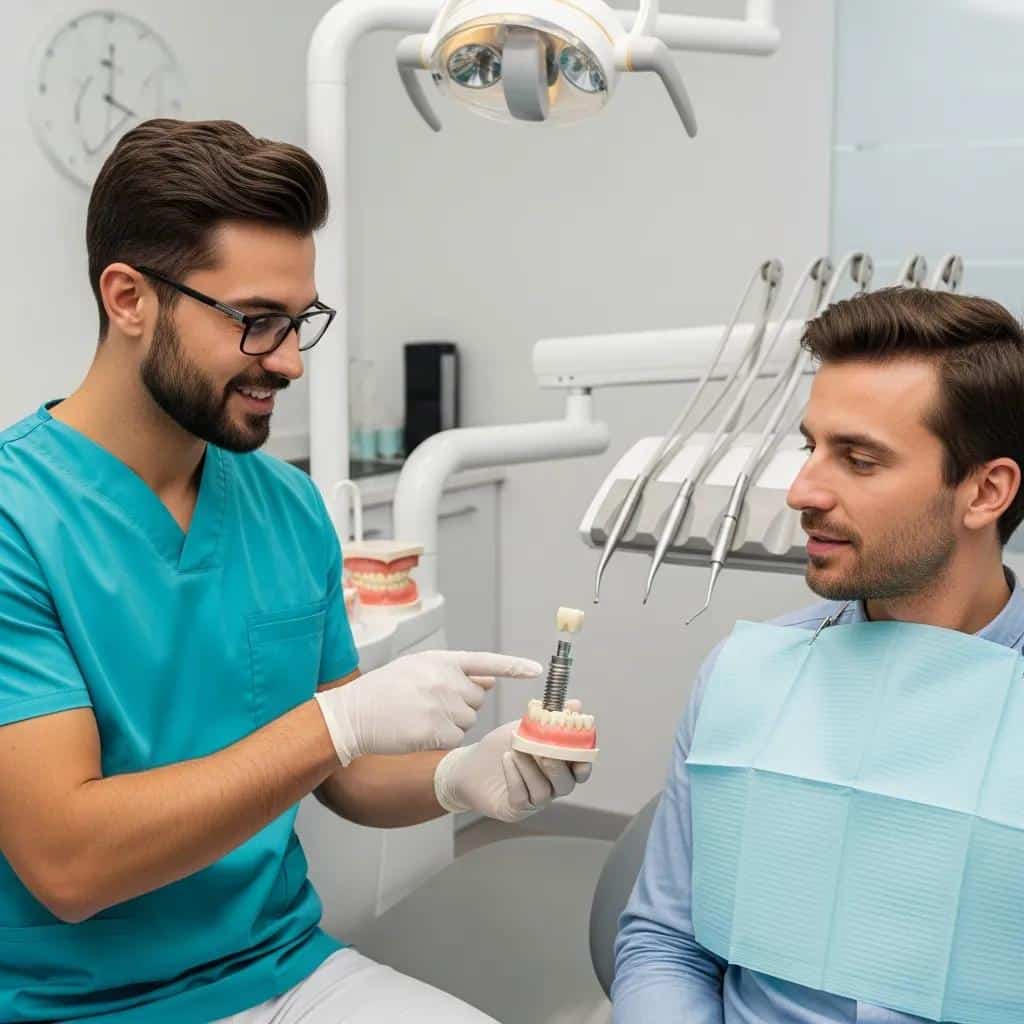
Dental implants are artificial tooth roots, typically made of titanium, that are surgically placed into the jawbone to support replacement teeth. Their longevity is primarily attributed to a process called osseointegration, where the bone fuses with the implant, providing a stable foundation. This integration is crucial for the durability of dental implants, as it ensures that the implant remains securely anchored in the jaw. The materials used in dental implants also play a significant role in their lifespan, with titanium being the most commonly used due to its biocompatibility and strength.
How Does Osseointegration Affect Dental Implant Durability?
Osseointegration is the biological process that allows dental implants to bond with the jawbone. This process is vital for the stability and longevity of the implant. Successful osseointegration depends on several factors, including the quality of the bone, the surgical technique used, and the patient’s overall health. When osseointegration occurs effectively, it can lead to a durable and long-lasting solution for tooth replacement, often lasting 20 years or more with proper care.
Which Materials Influence the Lifespan of Dental Implants?
The materials used in dental implants significantly influence their durability. Titanium implants are favored for their strength and compatibility with human bone, while zirconia implants offer a tooth-colored alternative that is aesthetically pleasing. Each material has its advantages; titanium is known for its long-term success rates, while zirconia is preferred for patients concerned about metal allergies or aesthetics. The choice of material can impact not only the implant’s lifespan but also the overall success of the dental restoration.
Further research highlights the specific longevity and survival rates of zirconia dental implants, providing valuable insights for material selection.
To assess the clinical outcomes of zirconia dental implants based on an updated systematic literature review. The 10-year CSR was 95.1%. Implants with coronal part prepared by drills presented statistically significant lower survival than non-prepared implants (p< 0.001). Two-piece implants presented lower survival than one-piece implants (p= 0.017). Implants discontinued from the market presented lower survival than the commercially available ones (p< 0.001).
Clinical outcomes of zirconia implants: a systematic review and meta-analysis, BR Chrcanovic, 2023
What Factors Influence the Durability of Dental Bridges?
Dental bridges are prosthetic devices used to replace one or more missing teeth by anchoring to adjacent teeth. The durability of dental bridges is influenced by several factors, including the health of the abutment teeth, the materials used, and the maintenance practices followed by the patient. Understanding these factors is essential for ensuring the longevity of a dental bridge.
How Does Abutment Tooth Health Impact Bridge Longevity?
The health of the abutment teeth, which support the bridge, is critical for its durability. If the abutment teeth are compromised due to decay or periodontal disease, the bridge may fail prematurely. Regular dental check-ups and good oral hygiene practices are essential to maintain the health of these supporting teeth, ensuring that the bridge remains stable and functional over time.
What Role Do Bridge Materials and Types Play in Durability?
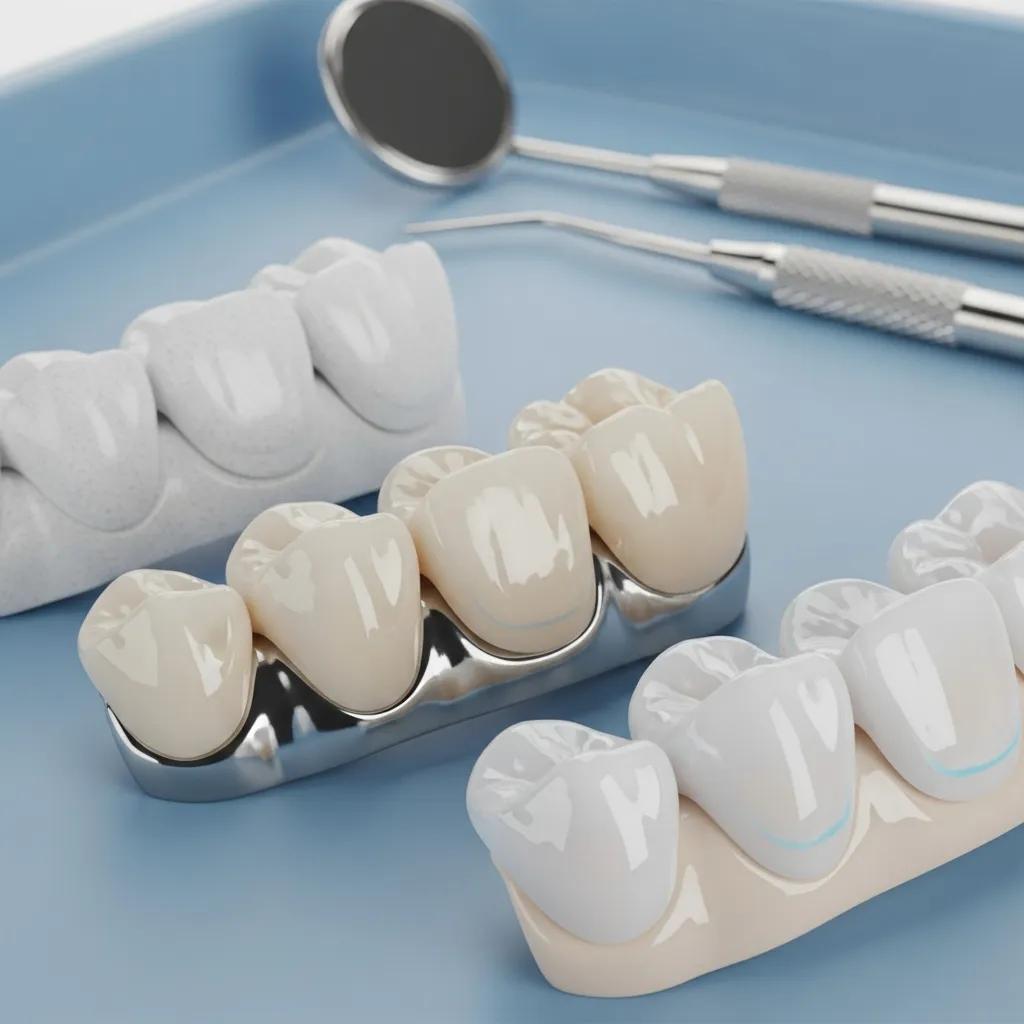
The materials and types of dental bridges can significantly affect their longevity. Common materials include porcelain fused to metal, all-ceramic, and resin. Porcelain fused to metal bridges are both aesthetically pleasing and durable, while all-ceramic bridges offer superior aesthetics but may be less durable in some cases. Additionally, the type of bridge—traditional, cantilever, Maryland (resin-bonded), or implant-supported—can influence its durability. Implant-supported bridges tend to offer greater stability and longevity compared to traditional bridges, as they are anchored directly to the jawbone.
Specific studies have also investigated the longevity of particular bridge types, such as resin-bonded fixed partial dentures.
Longevity of Resin-Bonded Fixed Partial Dentures
PurposeIn this review, we evaluate the survival rate of resin-bonded fixed partial dentures (RBFPDs) made of metal alloys. MethodsAn electronic search of English peer-reviewed dental literature on PubMed was conducted to identify all publications reporting on RBFPDs made of metal alloys until March 2019. The searched keywords were: bridge OR fixed partial denture OR fixed prosthesis OR fixed prostheses AND resin bonded AND metal OR alloy AND survival OR longevity (RBFPD was not included).
Longevity of resin-bonded fixed partial dentures made of metal alloys: A review of the literature, 2021
How Do Dental Implants and Bridges Compare in Lifespan and Maintenance?
What Is the Typical Lifespan of Implants Versus Bridges?
Dental implants typically have a longer lifespan than bridges, often lasting 20 years or more with proper care. In contrast, dental bridges may last 5-15 years, depending on the health of the abutment teeth and the materials used. Regular dental visits and good oral hygiene practices can significantly extend the lifespan of both options.
How Do Maintenance Requirements Differ Between Implants and Bridges?
Maintenance requirements for dental implants and bridges differ significantly. Implants require regular brushing and flossing, similar to natural teeth, but do not require special care beyond standard oral hygiene. Bridges, however, necessitate additional attention to the abutment teeth and may require the use of special cleaning devices such as floss threaders or interdental brushes to prevent decay and gum disease. Understanding these maintenance needs is essential for ensuring the longevity of both dental solutions.
How Does Jawbone Health Affect the Success and Durability of Tooth Replacements?
Why Is Bone Density Critical for Dental Implant Longevity?
Bone density is crucial for the success of dental implants, as a strong jawbone provides the necessary support for the implant. Patients with low bone density may face challenges with osseointegration, leading to potential implant failure. Bone density can be improved through various methods, including bone grafting procedures and, in some cases, lifestyle and dietary changes.
Can Bone Grafting Improve Implant Durability?
Bone grafting is a surgical procedure that can enhance bone density in patients with insufficient jawbone structure for implants. By adding bone material to the jaw, the procedure can create a more stable foundation for dental implants, improving their longevity and success rates. This option is particularly beneficial for patients who have experienced bone loss due to periodontal disease, trauma, or prolonged tooth loss.
What Patient Factors Influence the Long-Term Success of Implants and Bridges?
How Do Oral Hygiene and Lifestyle Affect Durability?
Oral hygiene and lifestyle choices play a significant role in the durability of dental implants and bridges. Patients who maintain good oral hygiene practices, such as regular brushing and flossing, are more likely to experience long-lasting results. Additionally, lifestyle factors such as smoking and diet can impact oral health and the success of dental restorations. Smoking, in particular, is associated with higher rates of implant failure and complications.
What Age-Related Considerations Impact Tooth Replacement Choices?
Age can influence the decision-making process regarding tooth replacement options. Older patients may have different considerations, such as bone density and overall health, which can affect the success of dental implants and bridges. However, age alone is not a contraindication for implants. It is essential for patients to discuss their specific circumstances with their dental provider to determine the best option for their needs.
What Are the Cost and Financing Considerations for Durable Dental Implants vs. Bridges?
How Does Initial Cost Compare to Long-Term Value?
While dental implants often have a higher initial cost compared to bridges, they may offer better long-term value due to their durability and lower maintenance needs. Patients should consider the overall investment in their dental health, including potential future costs associated with bridge replacements or repairs.
A cost-utility analysis further supports the long-term value of implants, emphasizing their cost-effectiveness compared to traditional bridges.
Dental Implants vs. Bridges: Cost-Effectiveness & Patient Decisions
When dealing with the replacement of one missing tooth, the patient has the option of choosing between different types of treatment interventions. Several important factors play a role in his decision-making process, including his limited financial means and his efforts to solve the problem of missing teeth as effectively as possible. The results of the cost-utility analysis suggest that implant treatment with an implant-supported single crown is more cost-effective than treatment with the three-unit fixed dental prosthesis. Other factors that influence their final decisions include aesthetics, durability of the treatment.
Cost-utility analysis of an implant treatment in dentistry, 2021
What Affordable Payment Options Are Available in Tyler, TX?
For patients in Tyler, TX, various financing options are available to help manage the costs of dental implants and bridges. Many dental offices offer payment plans, and some dental insurance providers may cover a portion of the expenses. It is advisable for patients to explore these options to find a solution that fits their budget.
How Can Patients Choose the Best Durable Tooth Replacement Option in Tyler, TX?
Why Is a Free Consultation Important for Personalized Treatment Plans?
A free consultation is an excellent opportunity for patients to discuss their specific needs and preferences with a dental professional. During this consultation, patients can receive personalized treatment recommendations based on their dental health and lifestyle, ensuring they choose the best option for their situation.
What Are the Benefits and Risks of Implants vs. Bridges?
Both dental implants and bridges have their benefits and risks. Implants offer a long-lasting solution with minimal maintenance, while bridges can be a quicker and less invasive option. However, the health of the abutment teeth is crucial for bridge longevity. Patients should weigh these factors carefully when making their decision.
What Common Questions Do Patients Have About Implant and Bridge Durability?
Which Lasts Longer: Dental Implants or Bridges?
Dental implants generally last longer than bridges, with many implants remaining functional for 20 years or more with proper care. In contrast, bridges typically last between 5 to 15 years, depending on the health of the supporting teeth and maintenance practices.
Can Dental Bridges Last 20 Years with Proper Care?
While dental bridges can last up to 20 years with excellent care and maintenance, this is less common. Factors such as the health of the abutment teeth and the materials used play a significant role in determining the longevity of a bridge. Regular dental check-ups and good oral hygiene are essential for maximizing the lifespan of dental bridges.