Anticipating Dental Implant Costs: A Detailed Breakdown of Additional Expenses and What to Expect
Dental implant costs encompass more than the surgical placement of a titanium or zirconia post; they include components, preparatory procedures, material choices, and downstream maintenance that together determine your true out-of-pocket expense. This article explains the base elements of implant pricing, the common additional procedures that increase cost (such as extractions, bone grafts, and sinus lifts), and practical ways to anticipate and manage those expenses so you avoid surprises. Readers will learn how component selection (implant post, abutment, crown), diagnostic imaging, sedation choices, and insurance or financing interact to form a final estimate. The goal is to translate clinical decision points into clear cost drivers and to provide a local frame of reference for Longview, TX, so you can evaluate quotes with confidence. The following sections break costs into core components, pre-procedure needs, material trade-offs, hidden fees, financing and insurance strategies, a short summary of local clinic options, and long-term maintenance expectations.
What Are the Core Components of Dental Implant Costs?
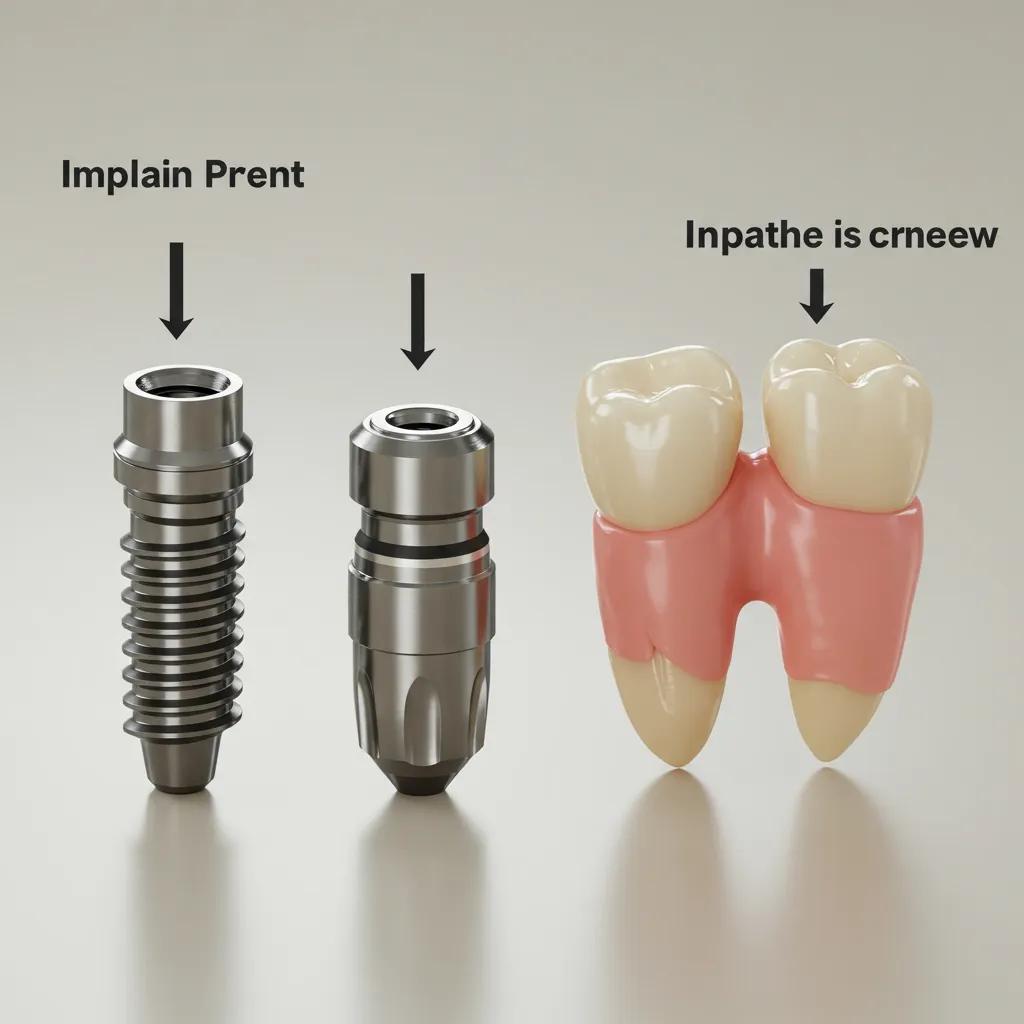
Dental implant pricing is built from a few discrete components: the implant post (the portion anchored in bone), the abutment (the connector), and the final crown or prosthesis. Each component contributes separately to the total because they involve different materials, laboratory work, and clinical time, and each may be quoted as bundled or itemized by a provider. Understanding which elements are included in a quote and which are billed separately reduces the risk of encountering unexpected line items later in treatment planning. Below, a concise comparison table clarifies typical cost ranges in the Longview, TX context and when each item is required; this helps readers spot whether a quote is comprehensive or partial. After the table, a short explanation highlights common inclusions and exclusions so you can ask targeted questions during a consultation.
This table lists the typical base components and their usual cost ranges in the Longview area and clarifies when each is typically required.
Component
What It Is
Typical Cost Range (Longview, TX context)
Notes
Implant post (fixture)
The root-like implant placed into jawbone
$1,000–$2,500
Cost varies by material and surgical complexity
Abutment
Connector between post and crown
$300–$900
Custom abutments cost more than stock abutments
Crown (single-tooth)
Final visible restoration
$800–$2,000
Porcelain, zirconia, or PFM crowns differ in price
Surgical fee / placement
Clinical time and surgical supplies
$500–$1,500
May include local anesthesia and basic follow-up
This table shows that a single-tooth implant estimate should account for fixture, abutment, crown, and surgical fees; if any of these are omitted in a quote, confirm whether they will be billed later to obtain a true total estimate.
What Does the Base Dental Implant Procedure Include?
The base implant procedure generally includes the surgical placement of the implant post into the jawbone, local anesthesia during the procedure, and basic postoperative checks to confirm initial healing. Surgeons may include one or two postoperative visits and routine suture removal in a base fee, but many practices separate the restorative crown or abutment from surgical charges. This distinction matters because a low initial surgical quote can mask lab and restorative fees charged later, increasing the final cost. Knowing whether a clinic’s quoted package includes temporary prosthesis, abutment selection, and the final crown helps you compare apples to apples across providers. Confirming these inclusions at the outset reduces surprises and streamlines scheduling between surgical and restorative phases.
How Do Implant Post, Abutment, and Crown Affect Overall Cost?
Each component—post, abutment, and crown—has its own cost drivers: material, customization, and laboratory processes. Implant posts made from premium-grade titanium or specialized surface-treated designs generally cost more but offer proven osseointegration, while zirconia posts raise expenses for aesthetic or allergy-sensitive cases. Abutments can be stock (lower cost) or custom-milled (higher cost for improved aesthetics and fit), and crowns vary by material and laboratory quality, affecting both upfront price and long-term durability. Upgrading one element for esthetics or function can add several hundred to over a thousand dollars to the total treatment price. Choosing components should balance budget, aesthetic priorities, and clinical needs; the clinical recommendation will steer which upgrades are necessary for predictable outcomes.
What Pre-Procedure Expenses Should You Anticipate Before Dental Implants?
Pre-procedure expenses are preparatory steps that may be medically required before placing an implant and often represent the largest source of variability in cost estimates. Common pre-procedure items include tooth extractions, bone grafting, sinus lifts, and diagnostic imaging; each is billed separately at many practices because they address anatomical or health conditions that must be corrected prior to implant placement. The causes that trigger these interventions—insufficient bone height, infected roots, or complex anatomy—determine necessity, timeline, and cost. Below is a table comparing these prereq procedures with typical ranges and indications so you can see what might be needed in your case.
Procedure
Why It’s Needed
Typical Cost Range (Longview, TX context)
When It’s Required
Tooth extraction
Remove infected or non-restorable tooth
$150–$600 (simple to surgical)
If failing tooth occupies implant site
Bone graft
Restore or augment bone volume
$300–$2,000+
When jawbone is insufficient for implant stability
Sinus lift
Increase upper jaw height under sinus
$800–$2,500+
Required for inadequate vertical bone in posterior maxilla
Imaging (Panoramic/CBCT)
Precise anatomic planning
$75–$500
Always recommended for implant planning; CBCT used for 3D assessment
This comparison shows that grafting and sinus procedures can substantially increase the overall cost and delay placement due to healing times, making them key decision points in any estimate.
How Do Tooth Extractions Impact Dental Implant Costs?
Tooth extraction costs depend on whether the removal is simple (straightforward extraction) or surgical (impacted roots or complicated anatomy), and whether it is performed concurrently with implant placement. Simple extractions are less expensive and can sometimes be coordinated with implant surgery to reduce visits, but infected or damaged teeth may require staged treatment with healing time that adds to the timeline and potential interim prosthetic costs. Surgical extractions raise the fee and may necessitate bone grafting to preserve the site for future implant stability, which further increases cost. Planning extraction timing—immediate implant placement versus delayed placement after healing—affects both cost and clinical risk, so confirm a recommended timeline and associated fees when reviewing a treatment plan.
What Are the Costs and Necessity of Bone Grafting and Sinus Lifts?
Bone grafting restores lost bone volume to create a stable foundation for an implant and comes in several categories—autograft (patient’s own bone), allograft (donor bone), and xenograft (animal-derived bone matrix)—each with different cost and healing profiles. Autografts are often more costly due to extra surgical sites, while allografts and xenografts provide effective alternatives at varying price points. A sinus lift is a specific grafting procedure used in the upper jaw to add vertical height under the sinus cavity and is performed when natural bone height is inadequate. Both grafting and sinus procedures extend treatment time because graft consolidation is required before reliable implant loading, and they can add several hundred to several thousand dollars to the total treatment cost. Discuss graft type, expected healing timeline, and cost alternatives with your clinician to match budgeting with clinical need.
When Is a Sinus Lift Required and How Does It Affect Pricing?
A sinus lift becomes necessary when the posterior maxilla lacks sufficient vertical bone to anchor an implant safely, often due to long-term tooth loss or post-extraction bone resorption. Anatomical indicators—measured by 3D imaging—such as less than 6–8 mm of residual bone height typically prompt consideration of a sinus augmentation. The procedure raises costs because it is surgically complex, may use graft materials and membranes, and requires specialist technique and follow-up. Recovery time is longer than routine extraction, and implant placement may be delayed until graft integration is adequate, both factors that contribute to higher cumulative expense. Patients should weigh the value of restoring upper-posterior teeth with fixed implants against the additional cost and recovery requirements of a sinus lift.
Effectiveness of Sinus Lift Procedures for Dental Implant Rehabilitation
For patients in the 20-50 years age range either gender with maxillary posterior edentulous regions but with a low sinus and deficient alveolar ridge, implant retained prostheses would be a viable option.
Effectiveness of sinus lift procedures for dental implant rehabilitation: a Cochrane systematic, 2010
How Does Diagnostic Imaging Influence Treatment Planning and Cost?
Diagnostic imaging provides the roadmap for implant placement; panoramic X-rays give a broad view, while cone-beam CT (CBCT) scans offer three-dimensional detail that reveals bone volume, nerve pathways, and sinus anatomy. While basic imaging is less expensive, CBCT delivers precise measurements that reduce intraoperative surprises and the likelihood of additional corrective procedures. Investing in higher-level imaging can therefore lower overall risk and possible downstream costs by allowing more accurate surgical guides, custom abutment planning, and better prosthetic outcomes. Many practices offer both options; confirm which imaging modality is included in your consultation and whether advanced CBCT will be necessary for your case.
How Do Material Choices Influence Dental Implant Pricing?
Material selection for both the implant post and the visible crown significantly influences price and long-term value. Posts are commonly titanium or zirconia, and crowns are commonly porcelain-fused-to-metal (PFM), full-ceramic porcelain, or monolithic zirconia; each pairing changes cost, aesthetics, and durability. Material decisions are clinical as well as cosmetic: certain materials perform better in posterior load-bearing zones, while others are chosen for a metal-free aesthetic in the anterior zone. The table below compares typical materials for posts and crowns with pros, cons, and typical cost ranges so you can see trade-offs between upfront cost and functional or esthetic benefits.
Material (Crown/Post)
Pros
Cons
Typical Cost Range
Titanium post
Strong, proven osseointegration
Metallic option may show through thin tissue
Post: $1,000–$2,500
Zirconia post
Tooth-colored, metal-free
Higher cost, limited long-term data in some scenarios
Post: $1,200–$3,000
Porcelain crown
Excellent aesthetics, color-matching
More brittle than zirconia in high-stress areas
Crown: $800–$1,800
Zirconia crown
High strength and durability, good aesthetics
Often more expensive, may require adjustments
Crown: $1,200–$2,200
PFM crown
Durable, cost-effective
Metal substructure can affect translucency
Crown: $800–$1,500
Reviewing this table helps you align material choice with functional demands, smile zone aesthetics, and budget priorities so the selected combination meets both clinical and financial goals.
What Are the Cost Differences Between Titanium and Zirconia Implant Posts?
Titanium posts have a long track record and typically come at lower baseline cost compared with zirconia posts, which are chosen primarily for metal-free aesthetics or patient sensitivity considerations. Titanium’s advantages include a strong evidence base for osseointegration and versatile surface treatments that enhance bone integration, while zirconia provides a tooth-colored alternative that may be preferred in extremely thin gingival biotypes to avoid metal show-through. The price delta can range from a few hundred to several hundred dollars depending on manufacturer, design, and clinician preference. Clinically, the choice hinges on esthetic demands, occlusal forces, and any biological considerations; cost should be evaluated alongside projected longevity and the specific requirements for your restoration site.
How Do Crown Materials Like Porcelain, Zirconia, and PFM Affect Price and Aesthetics?
Crown material selection balances aesthetics, strength, and cost. Porcelain crowns deliver excellent translucency and color matching but can be more fragile in heavy-bite situations; zirconia crowns offer superior strength and wear resistance with competitive aesthetics, typically at a higher price point; PFM crowns are often the most economical while providing good longevity but can appear less natural at the gum line due to a metal substructure. Choosing a higher-cost crown material may reduce future lab fees and fracture repair rates, potentially offsetting the initial investment over time. Discuss where the tooth sits in the mouth, expected biting forces, and desired cosmetic outcome with your provider to choose a material that matches both budget and long-term function.
What Are the Hidden and Additional Costs Associated with Dental Implants?
Hidden and additional costs often surface around comfort measures, temporaries, medications, and indirect expenses such as time off work. These items are not always included in a standard implant quote but can add to the final cost. Being aware of these categories—sedation, analgesics and antibiotics, temporary prostheses during healing, and potential emergency visits—helps patients build a realistic budget and compare offers more accurately. The list below summarizes the common hidden costs so you can proactively ask providers whether these are included or billed separately.
Common less-obvious cost categories to anticipate include:
Sedation and anesthesia: Adds comfort but increases procedural fees.
Medications and prescriptions: Antibiotics and pain management often billed separately.
Temporary prostheses: Interim crowns or dentures while final restorations are fabricated.
Emergency or complication visits: Management of postoperative issues may have separate fees.
These items frequently appear on final invoices; asking for a comprehensive estimate that lists them avoids unexpected expenses and clarifies whether the quoted price is a bundled treatment package or a la carte billing.
How Does Sedation Dentistry Add to Comfort and Cost?
Sedation options range from nitrous oxide (affordable and short-acting) to oral sedatives and IV sedation for deeper anxiety control, with costs rising with the depth of sedation and need for monitoring. Sedation enhances clinical efficiency and patient comfort, particularly for lengthy procedures or patients with dental anxiety, but it increases the overall expense due to additional staff, monitoring equipment, and recovery considerations. The choice of sedation should match medical history, procedure complexity, and patient preference; confirm whether sedation fees are itemized and what type is recommended for your case. Deciding on sedation is both a comfort and a cost decision, so plan accordingly during consultation.
What Post-Procedure Expenses Should Patients Expect?
Post-procedure costs typically include prescribed medications, follow-up visits for suture removal and healing checks, adjustments to temporaries, and eventual maintenance such as professional hygiene. Short-term expenses also cover potential repairs to temporary prostheses during the healing phase, and long-term expenses can include crown replacements or management of peri-implant complications. Budgeting for an initial maintenance and repair buffer of a few hundred dollars is prudent to cover minor adjustments, while understanding that major repairs or replacements are less frequent when implants are well maintained. Preventive care, good oral hygiene, and routine follow-up reduce the likelihood of costly interventions later and extend the functional lifespan of implant restorations.
How Can You Manage Dental Implant Costs Through Financing and Insurance?
Managing implant costs requires combining practical financing strategies with a clear understanding of typical insurance limitations. Financing vehicles commonly include in-house payment plans, third-party medical/dental lenders, and credit arrangements that spread cost over months or years, while insurance often covers components like extractions or imaging but rarely covers the implant post or final crown fully. A concise approach—knowing common financing types and the typical boundaries of dental insurance—enables patients to structure payments and reduce immediate out-of-pocket burden. The short list below outlines standard financing and insurance options to help you prepare conversation points for a treatment consult.
Common paths to manage implant expenses include:
In-house payment plans offered directly by clinics to divide costs.
Third-party dental lenders that provide installment financing.
Using dental insurance for partial coverage of diagnostic and preparatory procedures.
Combining a discount or membership plan with financing to lower net out-of-pocket.
These approaches are complementary; using both a payment plan and applicable insurance benefits often creates the most affordable path to care.
What Flexible Dental Financing Options Are Available at Affordable Dentist Near Me of Longview?
Affordable Dentist Near Me of Longview offers practical assistance for patients evaluating implant affordability, including flexible dental financing options and free dental implant consultations to clarify cost drivers and payment choices. The clinic emphasizes transparent cost discussions during the free consultation so patients understand whether estimates are bundled or itemized and which preparatory procedures might be necessary. Patients are encouraged to review financing during the consultation to identify options that match their budget and timing needs; specific plan details and current terms are provided at the appointment.
Using a free consult to compare quotes and financing offers helps patients avoid surprise expenses and choose a realistic treatment pathway.
Does Dental Insurance Cover Any Portion of Implant and Additional Procedure Costs?
Dental insurance commonly provides partial coverage for preparatory and associated services—such as extractions, certain imaging studies, and sometimes limited restorative portions—but many plans exclude or limit coverage for implant fixtures and prosthetic components. The practical steps to verify coverage include: reviewing your plan’s exclusions for implants, confirming annual maximums and deductibles, and asking a provider to submit a predetermination or treatment estimate to your insurer.
Even when implants are not covered, insurance can reduce the cost of ancillary procedures or help offset imaging and extraction fees, making it worth pursuing coverage verification before finalizing your treatment plan. Clear predeterminations reduce billing surprises and allow more accurate budgeting.
Are There Dental Discount Plans or Payment Plans Specifically for Implants?
Discount membership plans offer reduced fees for a range of services in exchange for an annual fee and can lower the base cost of procedures, while structured payment plans finance the procedure over time without altering the provider’s published fees. Discount plans are often most cost-effective for uninsured patients seeking predictable reductions, whereas financing spreads cost to manage cash flow. When considering options, compare total interest or membership costs, eligibility requirements, and whether the plan applies to implants or only to supporting services. Ask the clinic during your free consultation which discount or payment options they accept and whether bundled implant packages are available to simplify budgeting.
Why Choose Affordable Dentist Near Me of Longview for Transparent Dental Implant Pricing?
Affordable Dentist Near Me of Longview offers a local option with explicit value propositions that address common cost concerns: EVERYDAY LOW FEES, Free Dental Implant Consultations, and flexible dental financing options. These listed attributes aim to make cost conversations accessible and to provide patients a clear starting point for individualized estimates that account for site-specific needs and pre-procedure requirements. The clinic’s Longview location at 444 Forest Square Suite E, Longview, TX 75605 is available to evaluate cases and explain which elements of a quote are included versus which are additional. Using a free consultation helps patients translate clinical findings into transparent, actionable cost estimates tailored to their anatomy and goals.
How Does the Free Dental Implant Consultation Help You Understand Costs?
A free dental implant consultation typically includes a diagnostic evaluation, review of relevant imaging, and a patient-centered discussion of treatment options and financing pathways; this process clarifies which procedures are necessary and which are optional upgrades. During the consult, clinicians outline whether extractions, grafts, or sinus lifts are required and whether the quote provided is comprehensive or itemized, helping patients anticipate additional expenses and timeline implications. Financing options and any available clinic-specific fee structures are reviewed so patients can identify a feasible payment strategy. Booking a free consultation converts general price ranges into an individualized estimate, which is the most reliable way to plan for total implant expense.
What Makes Our Pricing and Patient Care Unique in Longview, TX?
The clinic positions itself around clear messaging that emphasizes everyday affordable fees, accessible consultations at no cost for implant evaluation, and flexible financing to ease upfront payment burdens, creating a straightforward environment for cost transparency. These attributes are designed to simplify the decision process by reducing sticker shock and enabling patients to compare full estimates rather than partial quotes. The practice integrates prosthetic and surgical planning to produce a cohesive treatment sequence, and patients are encouraged to discuss options during the complimentary consult so they understand both clinical and financial implications. This transparent approach supports informed decisions and realistic budgeting for implant care in the Longview area.
What Are the Long-Term Maintenance and Replacement Costs for Dental Implants?
Long-term costs for implants center on routine maintenance, occasional repairs, and potential replacement of prosthetic components over a patient’s lifetime. Regular hygiene visits, occlusal checks, and prompt attention to early signs of trouble reduce the risk of costly complications like peri-implant disease. Understanding a typical follow-up cadence and the likely lifespan of crowns and abutments makes financial planning more predictable and helps patients weigh the long-term value of higher-quality components versus lower initial expense. The checklist below outlines what to expect in ongoing maintenance and the most common scenarios that trigger repair or replacement costs.
Regular professional hygiene and exam visits to monitor tissue health.
Occlusal evaluations to prevent excessive wear or prosthetic failure.
Crown or abutment replacement after years of wear, depending on material.
Management of complications such as infection or mechanical loosening.
How Often Are Follow-Up Visits and Maintenance Required?
Immediate post-operative follow-ups often occur within the first week and at 1–3 months to confirm integration and soft-tissue healing, followed by a 3- to 6-month interval during the first year as the restoration is fine-tuned. After the initial year, most patients transition to regular dental hygiene visits every 3–6 months depending on periodontal risk, with annual restorative evaluations to assess crown integrity and occlusion. Each visit may include professional cleaning around implant margins, visual and radiographic checks as needed, and occlusal adjustments to prevent undue stress.
Sticking to a recommended schedule reduces the likelihood of progressive problems that can require more extensive—and expensive—intervention.
What Are the Potential Costs of Implant Repairs or Replacements Over Time?
Common long-term scenarios that incur costs include crown fracture or wear, abutment loosening, and peri-implantitis requiring treatment; the expense varies from modest lab fees for a new crown to more substantial costs for surgical intervention in advanced infection. A crown replacement might cost several hundred to over a thousand dollars depending on material, while management of peri-implant disease can escalate if bone loss necessitates regenerative procedures. Preventive strategies—consistent hygiene, night guards for bruxism, and timely occlusal adjustments—minimize these risks and associated costs. Planning for periodic restorative renewal and maintaining diligent follow-up yields the most cost-effective long-term outcome.