From Procedure to Recovery: An Honest Look at Pain With Dental Implants
Dental implants are a popular solution for individuals seeking to replace missing teeth, offering a permanent and natural-looking alternative. However, many prospective patients often wonder about the pain associated with the dental implant procedure and the recovery process that follows. This article aims to provide a comprehensive overview of the pain experienced during and after dental implant surgery, including its causes, duration, and effective management strategies. By understanding the potential discomfort and recovery timeline, patients can better prepare for their dental implant journey. We will explore the common types of pain, effective pain management strategies, the role of sedation dentistry, and the recovery process after surgery.
What Causes Pain During and After Dental Implant Surgery?
Pain during and after dental implant surgery can stem from several factors, including the surgical procedure itself and the body’s natural healing response. The dental implant procedure involves placing a titanium post into the jawbone, which can lead to discomfort due to tissue manipulation and inflammation. Additionally, the use of anesthesia during the procedure can affect pain levels, as patients may experience varying sensations as the anesthesia wears off.
How Does the Dental Implant Procedure Affect Pain Levels?
The dental implant procedure typically involves local anesthesia, which numbs the area around the implant site. While patients may not feel pain during the surgery, they might experience pressure or vibrations. After the procedure, as the anesthesia wears off, patients may begin to feel discomfort, which can vary in intensity based on individual pain thresholds and the complexity of the surgery. Understanding this process helps patients anticipate their pain levels and manage their expectations effectively.
What Types of Pain Are Common After Dental Implant Placement?
After dental implant placement, patients commonly experience several types of pain, including throbbing pain at the implant site, soreness in the surrounding gums, and swelling. Throbbing pain is often a result of inflammation and can last for a few days post-surgery. Soreness may persist for up to a week, while swelling typically peaks within the first 48 to 72 hours and gradually subsides. Recognizing these pain types can help patients differentiate between normal post-operative discomfort and potential complications.
How Long Does Dental Implant Pain Typically Last?
The duration of pain following dental implant surgery can vary significantly among patients. Generally, most individuals can expect discomfort to last for a few days to a week, with some residual soreness persisting for up to two weeks.
What Is the Expected Pain Timeline from Day 1 to Day 14?
In the first few days post-surgery, patients may experience the most intense pain, often peaking around the second or third day. By the end of the first week, pain levels typically begin to decrease, with many patients reporting significant improvement by day seven. By the end of the two-week mark, most individuals will have returned to their normal activities, although some mild discomfort may linger.
When Should Patients Be Concerned About Persistent or Severe Pain?
While some discomfort is expected, patients should be vigilant for signs of complications. Persistent or severe pain that worsens over time, accompanied by swelling, fever, or discharge, may indicate an infection or other issues requiring immediate dental consultation. Recognizing these red flags can help ensure timely intervention and prevent further complications.
What Are the Most Effective Pain Management Strategies for Dental Implants?
Managing pain effectively after dental implant surgery is crucial for a smooth recovery. Various strategies can help alleviate discomfort and promote healing.
Which Prescription and Over-the-Counter Medications Are Recommended?
Patients are often advised to use pain relief medications such as ibuprofen or acetaminophen to manage post-operative pain. Over-the-counter options can be effective, and patients should follow their dentist’s recommendations regarding dosage and frequency. In some cases, stronger prescription medications, including opioids, may be prescribed for more complex procedures, but these are typically used for a short duration due to potential side effects.
What Home Remedies and Comfort Measures Help Reduce Discomfort?
In addition to medications, several home remedies can help reduce discomfort. Applying a cold compress to the outside of the cheek can minimize swelling and numb the area, providing temporary relief. Additionally, maintaining a soft diet and avoiding hard or crunchy foods can prevent irritation at the implant site, aiding in a more comfortable recovery.
How Does Sedation Dentistry Reduce Pain and Anxiety During Implant Procedures?
Sedation dentistry plays a significant role in enhancing patient comfort during dental implant procedures. By alleviating anxiety and discomfort, sedation allows for a more relaxed experience.
What Sedation Methods Are Available for Dental Implant Surgery?
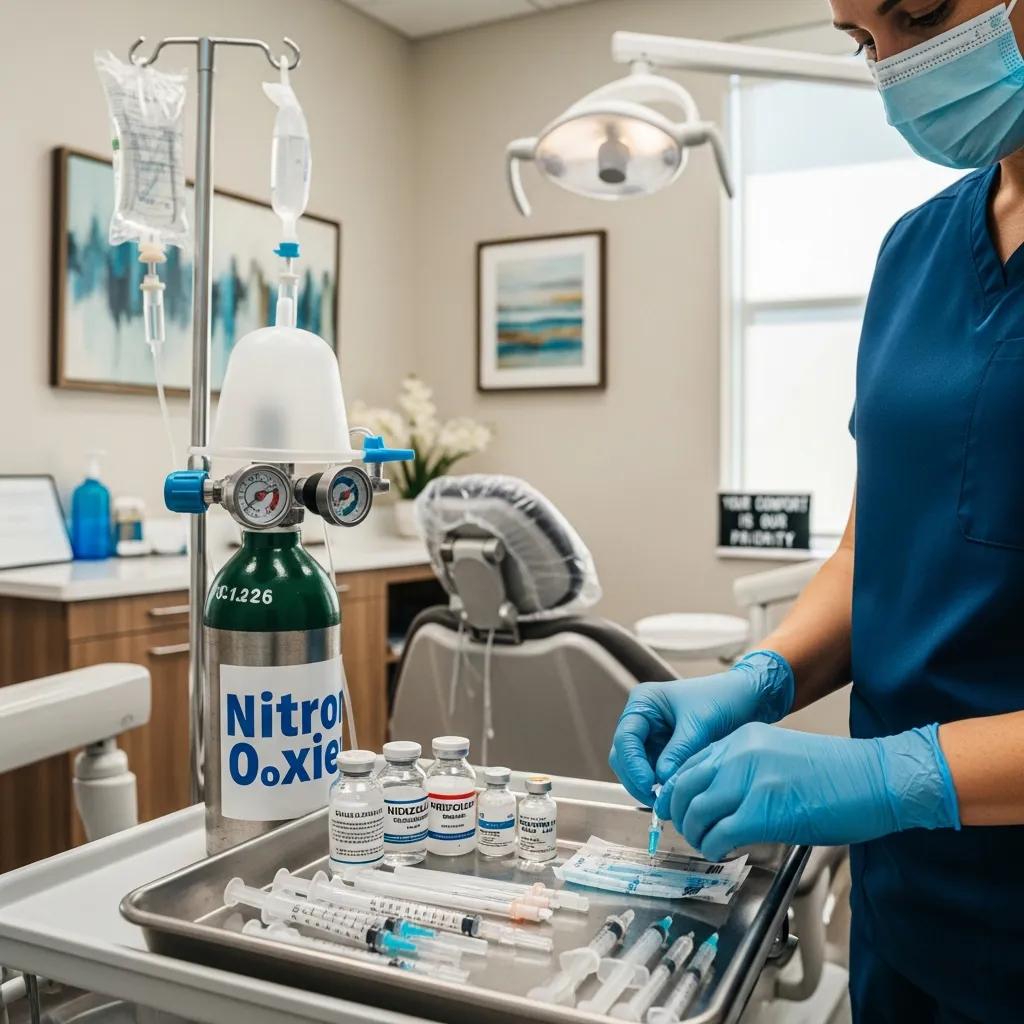
Several sedation methods are available for dental implant surgery, including nitrous oxide (laughing gas), oral sedatives, and intravenous (IV) sedation. Each method offers varying levels of sedation, allowing patients to choose the option that best suits their comfort level and anxiety.
How Does Sedation Improve Patient Comfort and Pain Perception?
Sedation not only reduces anxiety but also alters pain perception, making the surgical experience more tolerable. Patients under sedation often report feeling less discomfort during the procedure, which can lead to a more positive overall experience. Understanding the benefits of sedation can help patients make informed decisions about their dental implant journey.
What Is the Recovery Process Like After Dental Implant Surgery?
The recovery process after dental implant surgery is crucial for ensuring the success of the implant. Patients should be aware of the key stages of healing and the aftercare practices that support pain reduction and healing.
What Are the Key Stages of Dental Implant Healing?
The healing process typically involves several stages, starting with initial inflammation and swelling, followed by tissue healing and bone integration (osseointegration). During the first few days, patients may experience discomfort as the body begins to heal. Over the next several weeks to months, the implant will gradually integrate with the jawbone, leading to increased stability and reduced pain.
What Aftercare Practices Support Pain Reduction and Healing?
Proper aftercare is essential for minimizing pain and promoting healing. Patients should follow their dentist’s instructions regarding oral hygiene, dietary restrictions, and activity levels. Gentle rinsing with warm salt water can help keep the surgical site clean, while avoiding strenuous activities can prevent unnecessary strain on the healing tissues.
Can Long-Term Pain Occur After Dental Implants and How Is It Managed?
While most patients experience only temporary discomfort, some may encounter long-term pain or complications after dental implant surgery. Understanding the potential causes and management strategies is essential for addressing these issues.
What Causes Persistent Pain or Nerve Issues Post-Implant?
Persistent pain after dental implants can result from various factors, including nerve damage, infection, peri-implantitis (inflammation around the implant), or improper implant placement. In some cases, patients may experience nerve issues that lead to chronic discomfort or altered sensation. Identifying the underlying cause is crucial for effective management.
How Can Patients Prevent and Address Long-Term Discomfort?
To prevent long-term discomfort, patients should maintain regular dental check-ups and practice good oral hygiene. If persistent pain occurs, consulting with a dental professional is essential for diagnosing and addressing the issue promptly. Early intervention can help mitigate complications and ensure a successful outcome.
Why Choose Affordable Dentist Near Me – Crowley for Pain-Conscious Dental Implants?
Choosing the right dental practice for your implant procedure is vital for ensuring a comfortable experience. Affordable Dentist Near Me – Crowley focuses on providing pain-conscious dental implants, prioritizing patient comfort throughout the process.
How Do Our Sedation and Comfort Dentistry Options Minimize Pain?
At Affordable Dentist Near Me – Crowley, we offer various sedation and comfort dentistry options designed to minimize pain and anxiety during procedures. Our team is dedicated to creating a warm and welcoming environment, ensuring that patients feel at ease throughout their dental journey.
What Do Patients Say About Their Pain Management Experience?
Patient testimonials highlight the effectiveness of our pain management strategies, with many expressing satisfaction with their comfort levels during and after the procedure. Our commitment to quality care and patient-centered approaches sets us apart in the field of dental implants.