What Makes Dental Implants Last Longer? Essential Longevity Tips and Maintenance for Long-Term Success
Dental implants replace missing teeth by anchoring a titanium or zirconia post into the jawbone and restoring function with an abutment and crown, and their longevity depends on clinical technique, biology, materials, and daily care. This article explains what determines dental implant lifespan, from osseointegration and bone health to materials, daily hygiene, lifestyle choices, and maintenance strategies that reduce risk of complications such as peri-implantitis. You will learn typical lifespans for the implant post, abutment, and crown, practical daily oral hygiene routines for implant aftercare, why jawbone density matters and how grafting supports long-term stability, and how material choice (titanium vs zirconia) affects durability and aesthetics. We’ll also cover how clinician skill and regular dental check-ups influence outcomes, common complications and prevention, and what maintenance costs and warranty terms mean for your investment. Throughout, this guide uses clear terms like osseointegration, peri-implantitis, and implant-supported denture to help you make an informed plan for long-lasting dental implants and to know when a personalized Free Dental Consult is the right next step.
How Long Do Dental Implants Typically Last? Understanding Implant Lifespan and Durability
Dental implant longevity is shaped by the durability of three core components—the implant post (fixture), the abutment, and the prosthetic crown—plus biological integration and patient factors affecting bone and gum health. Osseointegration, the direct structural and functional connection between bone and implant surface, is the biological mechanism that allows an implant post to bear chewing loads; when osseointegration is stable, the implant post can function for decades. Materials and prosthetic choices determine when parts like crowns or abutments may need replacement, while systemic health, hygiene, and clinician technique influence long-term success. Recent clinical summaries report high long-term success, with 10-year survival commonly cited in the mid-to-high 90s percent, although individual outcomes vary based on risk factors such as smoking, bruxism, and uncontrolled periodontal disease. Below we break down expected lifespans by component and summarize success-rate data so you can set realistic expectations and plan maintenance appropriately.
What Is the Average Lifespan of Dental Implants and Their Components?
The implant post (fixture) is designed to integrate with jawbone and often lasts many years or a lifetime when osseointegration is achieved and maintained. Abutments—fixtures that connect the post to the crown—are durable but may need replacement due to wear, screw loosening, or changes in prosthetic design over time. Crowns experience the most routine wear and commonly require repair or replacement within a predictable range depending on material, bite forces, and oral habits. The following table summarizes component lifespans and practical notes to help set expectations for maintenance and timing of repairs.
Component
Typical Lifespan
Notes
Implant post (fixture)
20+ years to lifetime
Longevity depends on stable osseointegration, bone support, and absence of peri-implant disease
Abutment
5–15 years (varies)
May need replacement for prosthetic adjustments, wear, or mechanical complications
Prosthetic crown
7–15 years
Replacement frequency depends on material (porcelain, zirconia), bruxism, and bite stress
This component breakdown clarifies that while the implant post is often the most durable element, crowns and abutments represent predictable maintenance items. Understanding these timelines helps you prepare for periodic restorations rather than complete implant failure.
What Are the Success Rates and Longevity Statistics for Dental Implants?
Clinical data typically report 10-year success rates in the 95–98% range for properly placed implants in patients without uncontrolled risk factors, meaning most implants remain functional a decade after placement. Success is defined by continued osseointegration, absence of persistent pain or infection, minimal bone loss around the implant, and prosthetic stability; reporting can vary by study design and patient selection. Early failures do occur, with some analyses noting early failure rates around 3–4% within the first year, commonly linked to poor initial stability, infection, or compromised healing conditions. For patients, this means that while implants are a highly reliable tooth-replacement option, individualized risk factors—such as smoking, diabetes, or previous periodontal disease—must be managed to maximize long-term outcomes and reduce the chance of early or late complications.
After reviewing these lifespan and success-rate statistics, many patients find it helpful to get a personalized assessment that accounts for their bone health, oral habits, and restoration goals. Affordable Dentist Near Me of Dallas offers a no-pressure Free Dental Consult (noted as a value in local listings) to evaluate implant history, review radiographs if available, and explain what these statistics mean for your particular situation; this localized consultation can clarify prognosis and maintenance needs before you commit to treatment or repair.
What Daily Oral Hygiene Practices Extend Dental Implant Longevity?
Daily oral hygiene for implants focuses on preventing plaque accumulation around the implant–abutment interface and controlling bacterial biofilm that can lead to mucositis and peri-implantitis. Effective home care reduces inflammation, preserves soft tissue health, and supports long-term osseointegration by limiting bacterial challenges that cause bone loss. Professional cleanings and regular monitoring work together with daily routines to detect early changes and intervene before significant bone support is lost. Below are specific steps for a practical, implant-focused daily care routine that patients can adopt to extend dental implant longevity.
How Should You Brush, Floss, and Use Mouthwash for Dental Implants?
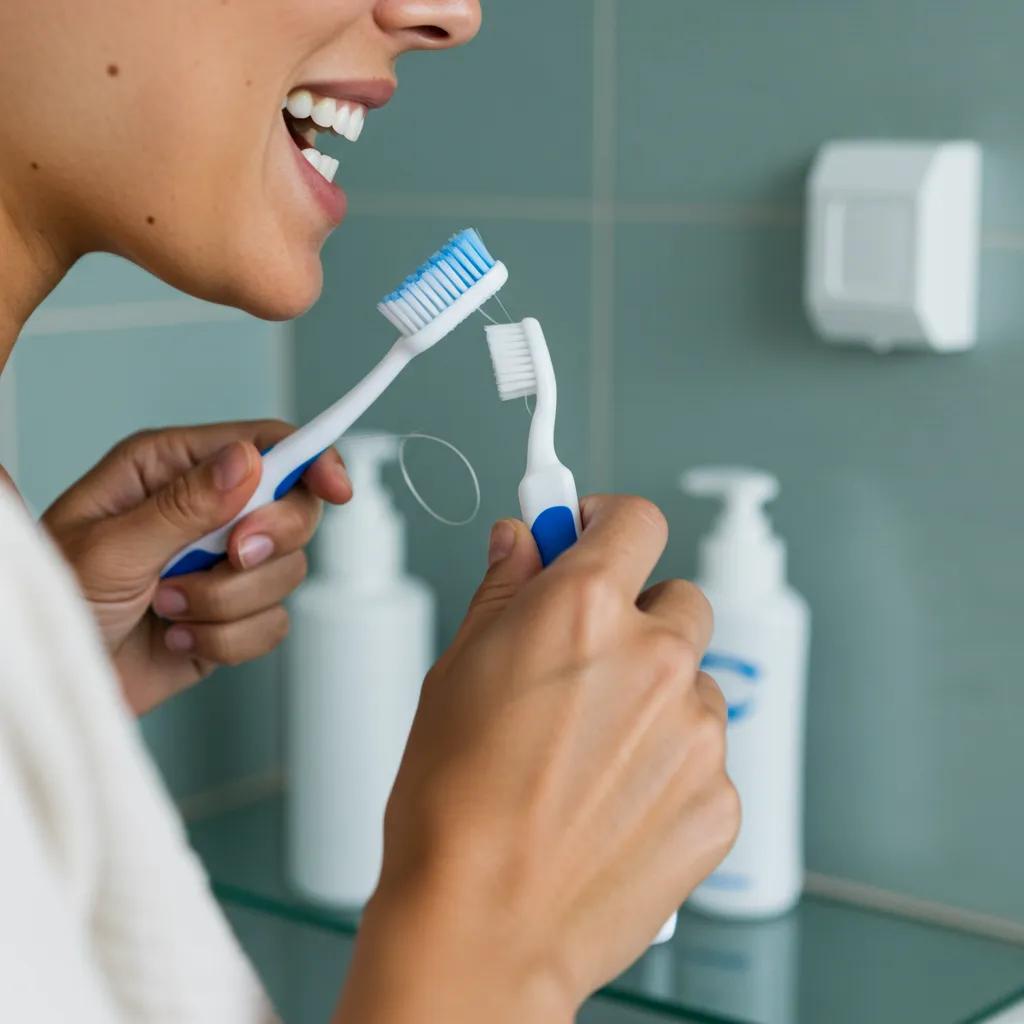
Brushing twice daily with a soft-bristled brush and gentle, low-abrasive toothpaste removes plaque without damaging soft tissue or implant surfaces, and using a technique that cleans along the gumline preserves peri-implant health. Interdental cleaning is essential—floss or floss-threading tools designed for implants, and alternatives like single-tuft brushes can clean hard-to-reach contacts around abutments and bridges. Antimicrobial mouthwashes can be used adjunctively to reduce bacterial load, particularly after surgery or when inflammation is present, but they should not replace mechanical cleaning. Patients should avoid aggressive scrubbing that irritates tissue and should maintain consistency, as daily mechanical disruption of biofilm is the primary preventive strategy against peri-implant disease. Proper technique and tool choice make daily care effective and sustainable, and these habits create a foundation for successful long-term implant function.
Which Specialized Tools Help Maintain Dental Implants Effectively?
Several specialized tools help patients maintain implants in situations where standard brushing and flossing are insufficient, such as around implant-supported dentures, bridges, or complex prostheses. Interdental brushes are effective when embrasures are wide; water flossers aid plaque removal below the gumline and around implants; single-tuft brushes reach around abutments; and antimicrobial gels can be applied in areas of localized inflammation under professional guidance. Choosing the right tool depends on prosthetic design, contact tightness, and personal dexterity—the clinician will often demonstrate techniques tailored to your restoration. Regular replacement of brushes and tips, and periodic reassessment of technique at maintenance visits, ensures that these tools deliver the expected benefit without causing trauma or leaving residual debris. Using specialized tools consistently complements twice-daily brushing and helps prevent biofilm accumulation that can progress to peri-implantitis.
Intro to list: The following practical, daily steps prioritize implant-friendly hygiene and reduce risk of inflammation or infection.
Brush twice daily with a soft-bristled brush and gentle circular motions along the gumline.
Perform daily interdental cleaning using floss threaders, implant floss, or interdental brushes suited to your restoration.
Use a water flosser or single-tuft brush for hard-to-reach areas around abutments and under bridges.
Rinse with an antimicrobial mouthwash when recommended by your clinician, especially during healing or flare-ups.
These steps form a simple, effective routine that targets plaque and supports implant longevity; the next important factor to consider is the role of bone health in implant success.
How Does Bone Health Affect the Success and Lifespan of Dental Implants?
Bone health is the biological foundation for implant stability: sufficient jawbone volume and density allow the implant post to achieve primary stability and to support long-term load-bearing through osseointegration. Bone metabolism, systemic conditions that affect bone (such as osteoporosis), and local bone loss from periodontal disease all influence whether an implant remains stable under chewing forces. When bone is deficient, surgical procedures like bone grafting and sinus lifts can rebuild volume and create a reliable bed for implant integration. Understanding bone biology and available augmentation procedures helps patients and clinicians plan predictable implant outcomes and anticipate how bone-related interventions affect timelines and healing.
Why Is Jawbone Density Important for Dental Implant Stability?
Jawbone density determines how well the implant threads engage the bone at placement and how the bone remodels over time to distribute occlusal forces; denser bone typically provides better initial stability and resilience under load. If bone density or volume is low, the implant may lack sufficient contact to osseointegrate predictably, increasing the risk of micromotion and early failure during healing. Signs that bone may be insufficient include long-standing tooth loss with ridge resorption, thin alveolar ridges, or imaging showing low bone height in posterior maxillae; these are typically identified during diagnostic imaging and CBCT planning. When insufficient bone is present, clinicians may recommend grafting or staged placement to create a stable foundation, which directly improves the chances of long-lasting implant function.
Jawbone Density’s Impact on Dental Implant Stability and Longevity
In the current study, identical implants were placed in different regions of jawbone and the physical properties of the bone were measured. The results of the study showed that bone density and quantity affect initial implant stability. The current study also showed that the insertion torque and implant stability quotient were significantly correlated with bone density and quantity.
Correlations between physical properties of jawbone and dental implant initial stability, WJ Seong, 2009
This research highlights the direct relationship between the physical properties of jawbone and the initial stability of dental implants, underscoring the importance of adequate bone density for successful integration.
What Procedures Support Bone Health for Implant Longevity?
Bone grafting, sinus lift procedures, and ridge augmentation rebuild deficient bone volume to enable implant placement in anatomically compromised sites and to support osseointegration under functional load. Autografts (patient’s own bone), allografts (donor bone), and xenografts (animal-derived materials) are common graft choices; each has trade-offs in availability, remodeling rate, and clinical handling, and clinicians select materials based on site requirements and patient factors. Sinus lifts elevate the sinus membrane and place graft material in the posterior upper jaw to create vertical height for implants, while ridge augmentation restores lateral dimensions to support implant emergence profiles. These procedures add healing time but substantially increase implant survival in cases that would otherwise be high-risk, and discussing these options with your clinician helps align surgical planning with long-term durability goals.
Intro to list: Typical bone-support procedures and their primary purposes are summarized below.
Bone grafting: Restores ridge width or height to permit stable implant placement.
Sinus lift: Adds vertical height in the posterior maxilla to allow placement of standard-length implants.
Ridge augmentation: Rebuilds lateral contour for prosthetic emergence and aesthetic support.
These interventions directly affect implant prognosis by improving structural support; the next major factor influencing longevity is patient lifestyle and habits that impact healing and bone quality.
What Lifestyle Factors Influence Dental Implant Durability? Diet, Smoking, and Bruxism Effects
Lifestyle behaviors—particularly smoking, heavy alcohol use, nutritional deficits, and bruxism—affect both short-term healing and long-term implant stability by altering blood flow, bone metabolism, tissue healing, and mechanical load on restorations. Smoking reduces blood flow and impairs immune response, increasing the risk of infection and bone loss around implants, while excessive alcohol can interfere with soft tissue and bone healing.Bruxism concentrates occlusal stress and increases mechanical wear on crowns, abutments, and implant interfaces, which may necessitate earlier prosthetic maintenance or protective devices. Addressing these lifestyle factors before and after implant treatment improves the odds that your investment performs well over many years.
How Do Smoking and Alcohol Consumption Affect Implant Lifespan?
Smoking impairs soft tissue circulation, reduces bone-forming cell activity, and raises infection risk—biological effects that compromise osseointegration and increase late peri-implant bone loss. As a result, smokers experience higher complication and failure rates unless smoking cessation strategies are implemented before surgery and during healing phases. Alcohol, especially in excessive amounts, interferes with nutrient absorption and healing processes and may indirectly prolong recovery or reduce bone remodeling effectiveness. For patients who smoke or drink heavily, clinicians often recommend cessation or reduction timelines around surgical procedures and close monitoring during the first year, because optimizing these modifiable factors supports predictable osseointegration and long-term durability.
What Dietary Choices and Bruxism Management Support Implant Health?
Dietary nutrients that support bone and soft tissue health—adequate protein, calcium, vitamin D, and balanced minerals—help the body remodel bone around implants and maintain periodontal tissues. During immediate healing phases, following soft-food guidelines reduces excessive occlusal loading on new implants while providing sufficient nutrition for recovery.Bruxism management, primarily through occlusal guards or night guards, distributes and limits excessive forces that can damage crowns, abutments, or the implant fixture over time; addressing stress-related bruxism behaviors and considering occlusal adjustments can further reduce risk. Combining nutritional support with mechanical protection from a night guard helps preserve prosthetic integrity and the underlying bone, and discussing tailored bruxism interventions at your consult ensures the chosen approach fits your restoration and lifestyle.
Intro to list: Key lifestyle modifications that support implant longevity include behavior changes and protective devices.
Stop or reduce smoking well before surgery and throughout healing to improve blood flow and bone healing.
Maintain adequate nutrition with calcium, vitamin D, and protein to support bone remodeling.
Use a custom night guard if you have bruxism to protect crowns and abutments from excessive wear.
Limit heavy alcohol use around the time of surgery and during the initial healing phase.
These lifestyle actions lower biological and mechanical threats to implants; next we’ll examine how the implant materials themselves influence lifespan and patient outcomes.
How Do Dental Implant Materials Impact Their Longevity? Comparing Titanium and Zirconia
Implant body material (titanium vs zirconia) and crown material (porcelain-fused-to-metal, layered ceramic, or solid zirconia) influence biocompatibility, mechanical strength, aesthetics, and the pattern of possible complications. Titanium has the longest clinical track record with robust osseointegration and proven long-term survival, while zirconia offers a metal-free aesthetic option with favorable soft-tissue response in many cases. Crown materials trade off strength and translucency: layered ceramics can offer superior esthetics but may chip, whereas monolithic zirconia crowns provide high fracture resistance with different aesthetic considerations. Understanding these trade-offs helps patients and clinicians select materials that match functional demands, aesthetic goals, and long-term maintenance expectations.
What Are the Benefits and Lifespan Differences Between Titanium and Zirconia Implants?
Titanium implants are highly biocompatible and have decades of clinical evidence demonstrating consistent osseointegration and mechanical resilience, which translates to high long-term survival rates in diverse clinical situations. Zirconia implants are ceramic and present a metal-free alternative with excellent soft tissue aesthetics and reduced risk of visible gray show-through, particularly in thin gingival biotypes; growing clinical evidence supports their use, though long-term datasets are smaller than titanium’s. Choice between materials depends on patient priorities (e.g., metal allergy concerns, aesthetic demands), anatomic site, and clinician experience; both materials can support long-lasting outcomes when selected and placed appropriately. Patients concerned about material selection should discuss clinical evidence, expected maintenance, and aesthetic trade-offs with their provider during a consult to ensure the chosen implant type aligns with long-term goals.
Implant Material
Biocompatibility
Strength
Aesthetic Impact
Titanium
High, well-established
Very high
Requires prosthetic shading for optimal esthetics
Zirconia
High, metal-free option
High, improving evidence
Superior soft-tissue aesthetics in select cases
Clinical note
Long-term evidence varies
Implant design matters
Material choice guides crown selection
This comparison shows that both titanium and zirconia can provide durable support; the clinical context and prosthetic plan determine which material best extends implant life.
How Do Crown Materials Affect the Overall Durability of Dental Implants?
Crown material affects wear resistance, fracture risk, and aesthetic longevity—factors that determine how often a crown may need repair or replacement over the life of the implant. Porcelain-fused-to-metal crowns combine strength with reasonable aesthetics but may show metal margins over time; layered ceramic crowns can achieve superior translucency but are more prone to chipping under heavy occlusion. Monolithic zirconia crowns provide high fracture resistance and are often recommended for posterior teeth or patients with bruxism, while more aesthetic ceramic options suit anterior zones with lower occlusal load. Proper prosthetic planning—matching crown material to bite dynamics and opposing dentition—reduces mechanical complications and extends functional life of the prosthesis.
Intro to list: Practical guidelines for selecting crown materials to support longevity include matching material to function and aesthetic needs.
Use monolithic zirconia for high-load posterior restorations and bruxism cases to minimize fracture risk.
Choose layered ceramics or porcelain-fused options for anterior aesthetics when occlusal forces are moderate.
Consider the opposing dentition and parafunctional habits when planning crown material and occlusal scheme.
Selecting appropriate crown materials with a prosthetic-driven plan minimizes repair frequency and supports long-term implant durability; next, we focus on how clinician skill and maintenance visits preserve these gains.
Why Are Skilled Implant Placement and Regular Dental Check-ups Vital for Long-Term Implant Success?
Expert surgical planning and prosthetic-driven placement reduce biomechanical stress, avoid anatomic compromises, and position implants for optimal hygiene access—all factors that increase long-term implant survival. Diagnostic imaging, proper selection of implant size and position, and coordination between surgeon and restorative dentist create predictable load distribution and prosthetic contours that patients can clean effectively. Regular maintenance visits allow professional detection of early soft tissue inflammation, microbial changes, or mechanical wear so clinicians can intervene before significant bone loss occurs. Below, we detail how clinician expertise and a structured follow-up cadence translate into better outcomes for implant patients.
How Does Dentist Expertise Influence Implant Longevity?
Clinician expertise affects implant outcomes through accurate diagnosis, treatment planning using imaging such as CBCT, selection of appropriate implant systems and prosthetic components, and refined surgical technique that minimizes trauma and optimizes primary stability. Prosthetic-driven implant placement—where the final restoration is planned before implant positioning—ensures favorable emergence profiles, proper occlusal loading, and accessible cleaning surfaces, reducing long-term risk of peri-implant disease. Interdisciplinary collaboration with periodontists, prosthodontists, and lab technicians further improves complex cases by aligning surgical and restorative goals. Patients can support these advantages by asking about planning steps, imaging, and the team approach during a consult to ensure the proposed plan prioritizes longevity.
Within this context, Affordable Dentist Near Me of Dallas positions implant care within a comprehensive clinic environment led by Dr. Mike Pham, offering routine implant placement and restorative coordination alongside other services. The practice emphasizes patient-centered planning and everyday low fees to make follow-up care and predictable maintenance accessible. Scheduling a Free Dental Consult at the Dallas location allows patients to review imaging, discuss prosthetic options, and understand how clinician planning in a local clinic setting supports long-term implant success.
How Often Should You Schedule Dental Check-ups to Maintain Implants?
Maintenance frequency should be risk-stratified: high-risk patients (history of periodontal disease, smokers, bruxers) often benefit from professional recalls every 3–4 months, whereas low-risk patients typically follow a 6–12 month routine schedule. Maintenance visits include soft-tissue evaluation around implants, careful probing where indicated, radiographic checks to monitor crestal bone levels, occlusal assessments, and professional hygiene adapted to implant surfaces and prosthetic contours. During these visits, clinicians may refresh home-care instruction, adjust occlusion, replace worn components, and address early signs of mucositis before progression to bone loss. Establishing a personalized maintenance schedule with your clinician ensures early detection of changes and preserves the functional life of your implant restoration.
Essential Dental Implant Maintenance Protocols for Long-Term Success
Therefore, a comprehensive maintenance protocol is essential for the long-term success of dental implants. This includes regular professional cleanings, patient education on home care, and prompt treatment of any complications that may arise. A typical maintenance visit for patients with dental implants involves a thorough examination of the implant and surrounding tissues, as well as professional cleaning to remove plaque and calculus.
Implant maintenance: a clinical update, 2014
This expert guidance emphasizes that a structured maintenance protocol, encompassing professional cleanings and patient education, is crucial for the enduring success of dental implants.
Intro to list: Recommended maintenance cadence by risk category helps patients plan recall visits.
High-risk patients: professional visits every 3–4 months for closer monitoring and hygiene.
Moderate-risk patients: recalls every 4–6 months, with radiographic checks as needed.
Low-risk patients: routine examinations every 6–12 months for ongoing preventive care.
Consistent, risk-based maintenance detects early problems and reduces the need for major repairs; the next section examines complications and prevention in more detail.
What Are Common Dental Implant Complications and How Can They Be Prevented?
Common implant complications include peri-implant mucositis (reversible soft-tissue inflammation) and peri-implantitis (inflammation with progressive bone loss), mechanical complications like screw loosening or crown fracture, and aesthetic or prosthetic issues requiring revision. Many of these complications are preventable or manageable when detected early through good home care, regular professional maintenance, and control of systemic and local risk factors. Prevention centers on reducing biofilm, protecting against excessive mechanical forces, maintaining healthy bone and soft tissue, and ensuring prosthetic designs allow effective cleaning. The following subsections define peri-implantitis and present a practical prevention checklist patients can follow.
What Is Peri-implantitis and How Does It Affect Implant Lifespan?
Peri-implantitis is an inflammatory condition characterized by soft-tissue inflammation around an implant accompanied by progressive loss of supporting bone, and if untreated it significantly increases the risk of implant failure. It typically begins as mucositis—redness, swelling, or bleeding on probing—and can progress to expose threads and compromise osseointegration, leading to mobility and potential loss of the implant. Common causes include inadequate oral hygiene, residual cement, smoking, and a history of periodontal disease; systemic factors like uncontrolled diabetes can exacerbate progression. Early recognition and intervention—improved hygiene, professional debridement, and in some cases surgical treatment—help preserve remaining bone and salvage implants when possible.
Peri-implantitis: Causes, Prevention, and Treatment Strategies for Dental Implant Longevity
Peri-implant inflammations represent serious diseases after dental implant treatment, which affect both the surrounding hard and soft tissue. Due to prevalence rates up to 56%, peri-implantitis can lead to the loss of the implant without multilateral prevention and therapy concepts. Specific continuous check-ups with evaluation and elimination of risk factors (e.g. smoking, systemic diseases and periodontitis) are effective precautions. In addition to aspects of osseointegration, type and structure of the implant surface are of importance. For the treatment of peri-implant disease various conservative and surgical approaches are available. Mucositis and moderate forms of peri-implantitis can obviously be treated effectively using conservative methods. These include the utilization of different manual ablations, laser-supported systems as well as photodynamic therapy, which may be extended by local or systemic antibiotics. It is possible to regain osseointegration. In cases with advanced peri-implantitis surgical therapies are more effective than conservative approaches. Depending on the configuration of the defects, resective surgery can be carried out for elimination of peri-implant lesions, whereas regenerative therapies may be applicable for defect filling. The cumulative interceptive supportive therapy (CIST) protocol serves as guidance for the treatment of the peri-implantitis. The aim of this review is to provide an overview about current data and to give advices regarding diagnosis, prevention and treatment of peri-implant disease for practitioners.
Definition, etiology, prevention and treatment of peri-implantitis–a review, O Jung, 2014
This comprehensive review highlights that peri-implantitis is a significant threat to implant longevity, emphasizing the critical role of continuous check-ups, risk factor management, and appropriate treatment strategies.
What Steps Can Patients Take to Avoid Implant Failure and Other Risks?
A practical prevention plan combines daily home care, regular professional maintenance, lifestyle modification, and clear communication with your dental team about changes in function or symptoms. Mechanical protection (night guards for bruxism), consistent use of recommended interdental tools, smoking cessation, and timely replacement of worn prosthetic components minimize both biological and mechanical failure modes. Patients should report any persistent bleeding, increased mobility, pain, or changes in how a restoration fits, because early intervention often prevents irreversible bone loss. Working with your clinician to document baseline radiographs and setting a maintenance schedule tailored to your risk profile are critical steps in avoiding implant failure.
Intro to list: The following preventive checklist summarizes daily and periodic actions that reduce implant risk.
Maintain twice-daily brushing and daily interdental cleaning tailored to your prosthesis.
Attend clinician-recommended maintenance visits for professional cleaning and radiographic monitoring.
Use occlusal protection such as a night guard if you have bruxism or heavy bite forces.
Stop smoking and optimize systemic health factors (discuss diabetes management and bone health with your care team).
Adopting this checklist reduces the likelihood of complications and supports implant longevity; the final clinical consideration is how cost and warranty structures influence long-term investment decisions.
How Does the Cost and Warranty of Dental Implant Maintenance Affect Long-Term Investment?
Understanding maintenance costs and warranty coverage is part of prudent financial planning for implants, because ongoing hygiene appointments, occasional crown replacement, and potential repairs factor into total ownership cost over years. Some analyses estimate that annual maintenance and minor repairs can average a modest percentage of initial treatment cost over a decade, underlining the importance of preventive care to limit expensive interventions. Warranties vary—manufacturer warranties may cover component defects while provider warranties might stipulate maintenance requirements and exclusions—so patients should clarify coverage details and conditions that preserve warranty validity. Below we provide a comparative breakdown of typical maintenance cost drivers and warranty types to guide expectation-setting and budgeting.
What Are Typical Annual Maintenance Costs for Dental Implants?
Annual maintenance costs commonly include professional cleanings targeted to implants, periodic radiographs, occlusal checks, and occasional small repairs or component replacements; over time, these items accumulate but generally represent a fraction of initial treatment cost if preventive care is followed. Some sources approximate cumulative maintenance as a modest percentage of initial investment across 10 years, reflecting regular visits and intermittent prosthetic repair rather than implant replacement. Factors that raise maintenance cost include smoking, bruxism, or a history of periodontal disease, which increase visit frequency and the likelihood of repairs. Planning for routine recalls and minor repairs as part of long-term budgeting reduces surprises and emphasizes that prevention is often more cost-effective than reactive treatment.
Cost Element
Typical Frequency
Typical Impact on Budget
Professional implant cleaning
2–4 times/year for high-risk, 1–2 times/year low-risk
Routine cost; reduces need for larger interventions
Radiographic monitoring
Every 1–2 years or as indicated
Low recurring cost; essential for early detection
Crown or abutment repair/replacement
5–15 years for crowns; variable for abutments
Intermittent larger expense; material choice affects timing
This EAV-style view highlights that predictable maintenance items usually outweigh catastrophic expenses when prevention is prioritized and that budgeting for routine care preserves long-term value.
How Do Implant Warranties Protect Your Investment Over Time?
Warranties may come from component manufacturers or providers and typically cover manufacturing defects and sometimes limited prosthetic failures, but they commonly exclude failures related to poor maintenance, untreated peri-implant disease, or changes due to trauma or parafunction. Warranty validity often depends on adherence to recommended maintenance schedules and documentation of professional care, so following scheduled recalls and keeping records is essential to retain protections. When evaluating warranty terms, ask about coverage limits, applicable timeframes, required maintenance frequency, and exclusions related to lifestyle factors such as smoking or bruxism. A Free Dental Consult can clarify how warranties apply to your planned treatment, outline the maintenance obligations that preserve coverage, and provide a personalized estimate of long-term costs so you can compare value and protection options before proceeding.
Intro to list: Key questions to ask about implant warranties and maintenance obligations include the following.
Who issues the warranty—the manufacturer or the provider—and what specific components are covered?
What documentation and maintenance schedule are required to keep the warranty valid?
Are exclusions listed for behaviors like smoking or for complications such as peri-implantitis?
How are repairs handled if an occlusal or prosthetic issue arises after initial placement?
Asking these questions during a consult clarifies long-term obligations and helps you choose materials and service plans that align with your financial and durability goals; Affordable Dentist Near Me of Dallas can review warranties, expected maintenance, and provide a Free Dental Consult to outline personalized cost estimates and coverage implications.