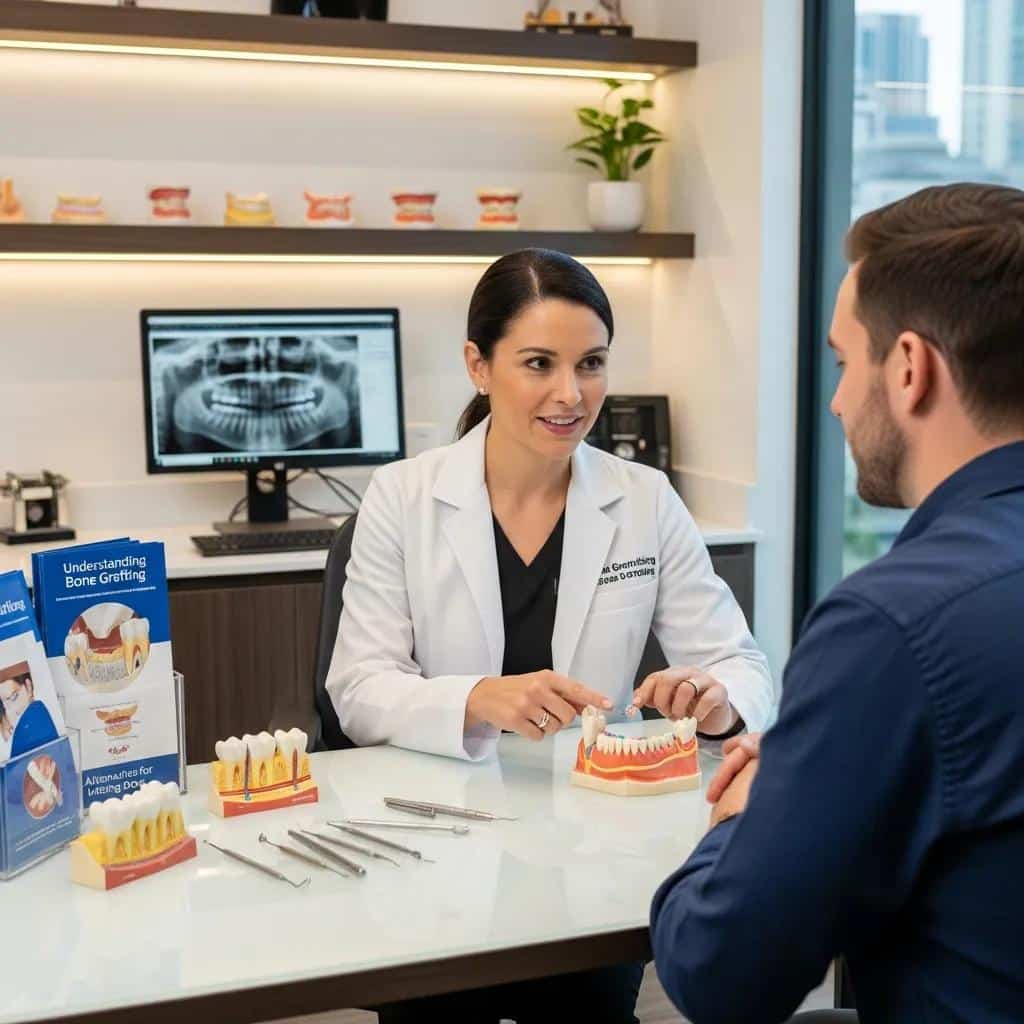
What Are Bone Grafting Alternatives to Dental Implants: Affordable Options and Patient-Friendly Solutions
Bone grafting is a common procedure in dental implantology, often necessary to ensure a stable foundation for implants. However, many patients seek alternatives to bone grafting due to concerns about cost, recovery time, and the invasiveness of the procedure. This article explores various alternatives to bone grafting, including ridge preservation techniques, sinus lift alternatives, synthetic bone graft materials, and implant-supported dentures. By understanding these options, patients can make informed decisions about their dental health and explore affordable solutions that minimize the need for traditional grafting procedures.
What Are the Most Effective Ridge Preservation Techniques as Alternatives to Bone Grafting?
Ridge preservation techniques are designed to maintain the shape and volume of the jawbone after tooth extraction, reducing the need for bone grafting. These methods work by preventing bone resorption, which can occur when a tooth is removed. The primary benefit of ridge preservation is that it enhances the success rate of dental implants by ensuring adequate bone density and structure for placement. Techniques such as socket preservation and ridge augmentation are commonly employed to achieve these goals.
Indeed, the importance of techniques like socket preservation for successful implant dentistry is well-documented.
Socket Preservation for Dental Implants
The inclusion criteria were: articles that compare guided bone regeneration and socket preservation, and articles that discuss dental implant placement.
Socket preservation and guided bone regeneration: prerequisites for successful implant dentistry, YG Yankov, 2023
How Does Ridge Preservation Support Dental Implant Success?
Ridge preservation plays a crucial role in supporting dental implant success by maintaining bone density and preventing resorption. When a tooth is extracted, the surrounding bone can begin to deteriorate, leading to insufficient bone volume for implant placement. By utilizing ridge preservation techniques, dentists can help ensure that the bone remains healthy and stable, which is essential for the long-term success of dental implants. Successful cases have shown that patients who undergo ridge preservation experience higher implant stability and longevity.
What Materials Are Used in Ridge Augmentation Options?
Ridge augmentation options utilize various materials to support bone growth and maintain ridge structure. Common materials include allografts, which are bone grafts taken from a donor, and autografts, which involve using the patient’s own bone. Additionally, synthetic materials such as calcium phosphate and bioactive glass are increasingly used due to their biocompatibility and ability to promote bone regeneration. Each material has its advantages, with allografts offering a ready-to-use solution and autografts providing the best integration with the patient’s existing bone.
Which Sinus Lift Alternatives Can Avoid Traditional Bone Grafting?
Sinus lift procedures are often necessary when there is insufficient bone height in the upper jaw for dental implants. However, several alternatives can minimize or eliminate the need for traditional bone grafting. These alternatives include the use of minimally invasive techniques that can enhance bone volume without extensive surgery. The benefits of these alternatives include reduced recovery time and lower risk of complications, making them appealing options for patients.
What Are the Patient Suitability Criteria for Sinus Lift Alternatives?
Patient suitability for sinus lift alternatives depends on several factors, including overall health, bone structure, and the specific dental condition being treated. Individuals with certain health conditions, such as uncontrolled diabetes or severe periodontal disease, may not be ideal candidates for these procedures. Additionally, the anatomy of the patient’s sinus and jawbone plays a significant role in determining the appropriateness of sinus lift alternatives. A thorough evaluation by a dental professional is essential to assess suitability.
How Do Minimally Invasive Sinus Lift Methods Improve Healing Time?
Minimally invasive sinus lift methods have been shown to significantly improve healing times compared to traditional techniques. These methods often involve smaller incisions and less manipulation of the surrounding tissues, leading to reduced trauma and quicker recovery. Studies indicate that patients undergoing minimally invasive procedures can experience healing times that are often shorter than traditional approaches, allowing for a quicker return to normal activities and dental function.
How Do Synthetic Bone Graft Materials Serve as Substitutes for Natural Bone Grafting?
Synthetic bone graft materials are increasingly being used as substitutes for natural bone grafting in dental procedures. These materials are designed to mimic the properties of natural bone, providing a scaffold for new bone growth while eliminating the need for donor sites. The primary benefits of synthetic grafts include reduced risk of infection and complications associated with harvesting natural bone. They also offer consistent quality and availability, making them a reliable option for dental professionals.
What Types of Synthetic Graft Materials Are Available?
Several types of synthetic graft materials are available for dental procedures, including calcium sulfate, hydroxyapatite, and bioactive glass. Each of these materials has unique properties that promote bone healing and integration. For instance, calcium sulfate is known for its resorbability and ability to support new bone formation, while hydroxyapatite provides a strong structural framework for bone growth. These materials are often chosen based on the specific needs of the patient and the procedure being performed.
Research further highlights the versatility and effectiveness of various synthetic materials, including hydroxyapatite, in promoting bone regeneration.
Synthetic Bone Grafts for Regeneration
synthetic bone grafts and bone cements both in their natural and synthetic forms. Artificial scaffolds have been widely explored for bone regeneration.
Hydroxyapatite–-Past, present, and future in bone regeneration, VS Kattimani, 2016
How Do Synthetic Grafts Affect Implant Recovery and Success Rates?
Research indicates that synthetic grafts can positively impact implant recovery and success rates. Studies have shown that implants placed in areas augmented with synthetic materials demonstrate comparable success rates to those placed in natural bone. Additionally, patients often experience shorter recovery times due to the biocompatibility of these materials, which facilitate faster integration with the surrounding bone. This makes synthetic grafts a valuable option for enhancing the outcomes of dental implant procedures.
What Are Implant Supported Denture Options That Avoid Bone Grafting?
Implant-supported dentures provide a viable alternative for patients who may not have sufficient bone for traditional implants. These dentures are anchored by dental implants, which can be placed even in cases of limited bone density. The primary benefit of implant-supported dentures is their ability to offer greater stability and comfort compared to conventional dentures, which can shift and cause discomfort. This option allows patients to enjoy improved functionality and aesthetics without the need for extensive bone grafting.
How Do Implant Supported Dentures Work Without Bone Grafting?
Implant-supported dentures work by utilizing strategically placed dental implants that provide support for the denture. These implants can be placed in areas of the jaw where bone density is sufficient, allowing for a secure fit without the need for grafting. The implants integrate with the existing bone, providing a stable foundation for the denture. This innovative approach allows patients to benefit from the advantages of implants while minimizing the need for additional surgical procedures.
What Are the Cost and Affordability Benefits of These Alternatives?
The cost of dental procedures can be a significant concern for many patients. Implant-supported dentures often present a more affordable option compared to traditional implants that require bone grafting. By avoiding grafting procedures, patients can save on both surgical costs and recovery time. Additionally, the long-term benefits of implant-supported dentures, such as improved oral health and reduced need for future dental work, can lead to significant savings over time.
For those seeking comprehensive dental solutions, Dentist in Mansfield offers a range of services to meet your needs.
Material Type
Description
Benefits
Allograft
Bone from a donor
Ready-to-use, promotes natural integration
Autograft
Patient’s own bone
Best integration, minimal rejection risk
Synthetic
Man-made materials
Consistent quality, no donor site complications
This table highlights the various materials used in ridge augmentation and their respective benefits, showcasing the options available for patients seeking alternatives to traditional bone grafting.
To schedule a consultation and explore your options, you can book an appointment online.