Understanding the Real Cost of Fixing a Misplaced Dental Implant: Your Guide
A misplaced or failing dental implant can be more than just a minor inconvenience — it can truly impact your ability to chew, speak, and maintain overall oral health, often leaving you with questions about time and cost. This comprehensive guide is designed to clarify what dental professionals mean by a “misplaced” versus a “failing” implant, why transparent cost breakdowns are so important, and how a staged treatment plan affects your total out-of-pocket expenses. You’ll discover typical itemized price ranges for removal, bone grafting, re-implantation, and restoration, along with realistic timelines, common treatment paths, and practical prevention tips to protect your future implants. We’ll map out clinical definitions and warning signs, provide a clear cost breakdown with scenario totals, compare non-surgical and surgical revision options, and explain key cost drivers like technology, provider expertise, and financing. Plus, we’ll highlight local practice options and patient-friendly policies — including a free consult offer — so you can move from understanding costs to getting a personalized estimate. Read on for clear comparisons, easy-to-scan tables, and step-by-step guidance to help you make an informed decision.
Understanding Misplaced or Failing Dental Implants
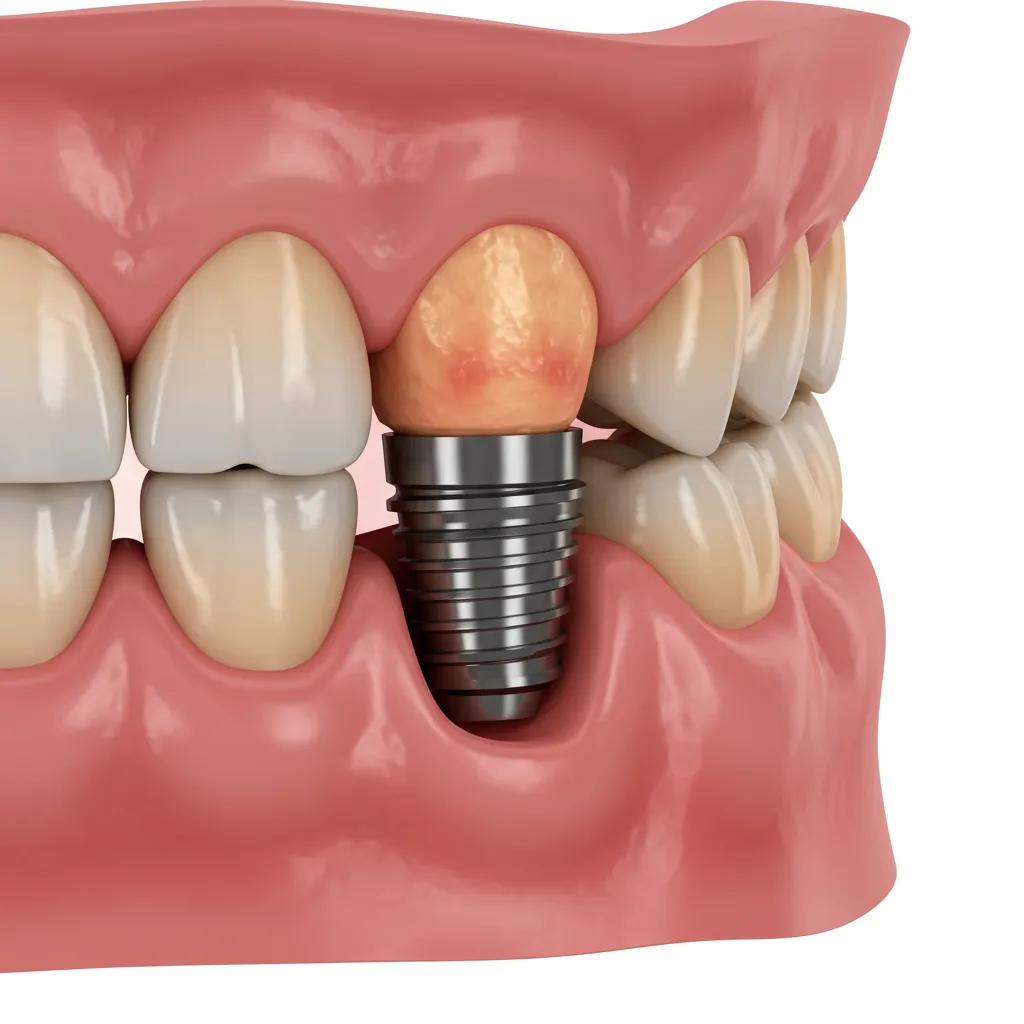
A misplaced implant is one that was positioned at an improper angle or depth during your initial surgery, while a failing implant is one that has lost its connection to the bone (osseointegration) or has become compromised by infection or mechanical issues. Misplacement can lead to poor load distribution and aesthetic concerns; failure is often caused by biological factors like peri-implantitis or insufficient bone support. Recognizing this distinction is crucial because the corrective path for a positional error often differs from that for an infection-driven loss of integration, and the cost implications will vary accordingly. Understanding the root cause helps both you and your dental team choose either a preservation-focused approach or a staged removal and replacement plan. The next section will explain the main biological, mechanical, and patient-level causes so you can spot potential risk factors early and discuss targeted treatment options.
What Leads to Dental Implant Failure and Misplacement?
Implant failure and misplacement stem from a combination of biological, mechanical, and procedural factors that can undermine stability. Biologically, peri-implantitis — an inflammatory infection of the tissues surrounding an implant — and poor osseointegration due to bone quality or systemic conditions (such as uncontrolled diabetes or smoking) are frequent culprits. Mechanically, incorrect angulation, inadequate initial stability, or excessive force from teeth grinding (bruxism) can cause micro-motion that prevents proper integration or even fractures components. Procedurally, surgical inexperience, a lack of three-dimensional imaging during planning, or improper implant selection may result in suboptimal placement. Identifying the primary cause is essential because treatment options range from targeted cleaning and maintenance to surgical removal and staged reconstruction, all of which directly impact your cost and timeline.
Diagnosis and Management of Dental Implant Complications
Thus, the diagnosis and management of implant-related complications are crucial for successful treatment outcomes. Implant placement in a 3D position is primarily determined by the treatment planning phase, which includes the analysis of the anatomical situation and the prosthetic requirements.
Esthetic complications due to implant malpositions: etiology, prevention, and treatment, D Buser, 2015
Spotting the Signs: Is Your Dental Implant Failing?
Early detection of implant problems significantly improves the chance of saving your implant and can limit your overall expenses, so it’s important to watch for warning signs and seek prompt evaluation. Common symptoms include persistent pain or tenderness around the implant, swelling or recurrent gum bleeding, and any feeling of mobility in what should be a completely fixed restoration. Other indicators might include discharge or a bad taste, suggesting infection, visible gum recession exposing implant components, and bone loss noted on follow-up X-rays. If you notice any of these signs, a timely diagnostic workup — including a clinical exam and imaging — will help determine whether non-surgical therapy can rescue your implant or if removal and reconstruction are necessary.
What’s the Investment to Fix Your Misplaced or Failed Dental Implant?
A realistic cost estimate for implant revision depends on the specific services you’ll need: removal, grafting, new implant placement, restorative components, diagnostics, and anesthesia. Below, you’ll find itemized typical ranges to help you compare scenarios and anticipate potential totals; scenario totals follow the table to illustrate low-, mid-, and high-complexity pathways. Presenting clear component pricing helps you plan and ask focused questions during your consultation. After this cost breakdown, we invite you to schedule a free consult to get a personalized estimate, so you can move from general ranges to a tailored plan just for you.
Sedation/anesthesia (IV or oral conscious sedation)
$200–$800
This table clearly shows how each component contributes to a full revision estimate. The next paragraphs present scenario totals that combine these components, helping you compare likely patient pathways and timelines.
Real-World Scenarios: Costs & Timelines
Low-complexity revision (simple removal → immediate replacement, minimal grafting): total approx. $3,000–$4,500; timeline 2–4 months when immediate replacement is possible.
Medium-complexity revision (removal → localized grafting → delayed implant placement): total approx. $4,500–$8,000; timeline 6–12+ months for graft healing and re-implantation.
High-complexity revision (surgical removal of broken fixture, major ridge augmentation or sinus lift, multi-implant restoration): total approx. $8,000–$15,000+; timeline often exceeds 12 months for staged healing and final prosthetics.
These scenario totals illustrate how complexity, grafting needs, and your choice of anesthesia can influence both the cost and duration of your treatment. If you’re looking for a precise estimate tailored to your unique situation, we invite you to schedule a free consult to receive a personalized quote based on our clinical findings and imaging.
Breaking Down the Cost of Dental Implant Removal
Implant removal can range from relatively straightforward to technically demanding, and the price reflects this spectrum. Simple removals — when the fixture is mobile or easily accessed — often fall near the lower end of the range. In contrast, surgical removals for implants that are fully integrated, fractured, or deeply embedded require more time, specialized instruments, and sometimes bone repair afterward, which increases the cost. Factors that can push the price higher include the need for sedation, the presence of infection requiring thorough cleaning, and concurrent grafting performed during the same surgical visit. The decision between immediate versus delayed replacement after removal depends on infection control, bone quality, and stability; opting for delayed re-implantation can lengthen the overall timeline but sometimes lowers short-term risks.
Understanding Bone Grafting Costs for Implant Revision
Bone grafting becomes necessary when bone loss prevents stable implant placement, and the type and scope of the graft determine both the price and healing time. Autografts (using your own bone) are less commonly used in general practice due to the additional surgical site, while allografts, xenografts, and synthetic (alloplast) materials are more common and each have distinct cost and healing profiles. Minor ridge grafts for localized defects may be at the lower end of the range, but larger augmentation or sinus lift procedures — often required in the posterior upper jaw — will raise costs into higher tiers. Grafting extends your total treatment timeline because the new bone needs time to integrate and mature before reliable implant placement; typical healing windows range from 3 to 9 months, depending on the graft type and the complexity of the site.
Investing in Your New Implant: Placement & Restoration Costs
Replacing a failed implant involves costs for the implant fixture itself, the abutment, and the final crown restoration, with material choices impacting both price and longevity. Implant fixtures (typically titanium or titanium-alloy) represent a significant portion of the hardware cost. The selection of your abutment and crown material (such as porcelain fused to metal, zirconia, or ceramic) then determines the restorative pricing. Total replacement per tooth — including the implant fixture, abutment, and crown — commonly falls within the mid-range example provided above, but premium materials or complex restorative designs for highly visible aesthetic zones can increase costs. Our practice may offer warranties or maintenance plans that affect long-term value; be sure to ask about what is covered during your consultation.
Are There Extra Fees for Diagnostics & Comfort Options?
Diagnostics and anesthesia are essential contributors to your overall bill and may be bundled or billed separately, depending on our practice policies. Advanced diagnostics like CBCT imaging provide three-dimensional planning data that helps reduce surgical surprises and can increase upfront diagnostic fees, while potentially lowering downstream complication costs. Sedation options range from oral sedatives to monitored IV sedation; deeper sedation enhances your comfort during complex revisions but also adds to the bill. We always clarify during your free consult whether imaging and sedation are included in any package estimate or itemized as separate fees, so you can avoid unexpected charges.
Your Options: Fixing a Failed or Misplaced Implant
Treatment options for implant complications range from conservative non-surgical care for early biological issues to full surgical revision and staged reconstruction when implants are beyond salvage. Non-surgical peri-implantitis management focuses on controlling infection and local cleaning to preserve the existing fixture, while surgical revision addresses extensive bone loss or malposition through removal, grafting, and re-implantation. The choice of therapy depends on clinical findings such as pocket depth, radiographic bone loss, mobility, and your individual patient factors, always balancing the chances of long-term success against cost and time. The next subsections compare specific approaches and outline typical recovery expectations, helping you weigh the pros and cons.
Treating & Preventing Peri-implantitis
Peri-implantitis treatment begins with thorough cleaning to remove biofilm and infected tissue, and may include local or systemic antimicrobials and adjunctive therapies like laser or air-abrasion techniques. Early-stage disease can sometimes be managed non-surgically with mechanical cleaning, antiseptic rinses, and close professional maintenance to halt progression and preserve osseointegration. When bone loss is significant, surgical access and regenerative procedures — such as guided bone regeneration — may be necessary to restore support. Prevention relies on rigorous daily hygiene, regular professional maintenance visits, and promptly reporting any symptoms; our maintenance protocols and recall intervals emphasize preventing recurrence, which is typically far more cost-effective than late-stage surgical intervention.
Common non-surgical measures include:
Professional mechanical debridement and antiseptic irrigation.
Local antimicrobial delivery and possible short-term systemic antibiotics.
Intensified home care with interdental brushes and antiseptic rinses.
What to Expect with Surgical Implant Revision
Surgical revision typically follows a sequence: removal of the compromised fixture, thorough cleaning of infected or granulation tissue, bone grafting or ridge augmentation if needed, a healing period for graft material integration, and eventual placement of a new implant followed by restorative work. Each stage has its own recovery window: immediate post-removal healing for soft tissues, several months for graft consolidation, then more months for implant osseointegration before final prosthetic loading — meaning complex cases often span 9–18 months from start to finish. Sedation and pain management are available to enhance your comfort during surgery, and careful staged planning with diagnostic imaging helps reduce the risk of needing repeated procedures. Understanding this staged timeline helps you set realistic expectations about time, interim prosthetic needs, and cumulative cost.
Key Factors Influencing Your Implant Revision Cost
Several interconnected patient, anatomical, procedural, and provider factors determine your final cost: case complexity, jaw location, bone volume, infection status, provider training, diagnostic technology used, and available financing or warranty options. Complexity directly impacts surgical time and materials required; for example, posterior maxillary cases that need sinus lifts are often costlier than straightforward anterior mandibular re-implantation. Provider expertise and the use of advanced tools like CBCT planning and implant stability testing improve outcomes but may increase upfront fees. Insurance coverage, implant warranties, and practice financing can significantly alter your patient responsibility, so understanding these variables during your consult is crucial. The next subsections break these drivers into concrete examples and outline how each factor typically impacts the price.
How Complexity & Location Impact Your Treatment Cost
The anatomical site and severity of bone loss significantly multiply treatment needs: cases in the posterior maxilla frequently require sinus lifts and larger grafts, increasing both surgical complexity and material costs. Difficult removals of fractured or deeply integrated fixtures demand specialized instruments and more operative time, often translating into higher fees than uncomplicated extractions. The depth of bone loss dictates the graft volume and whether staged augmentation is necessary, and multiple adjacent implants add to the complexity of surgical planning and prosthetic expense. Clinically, these anatomical challenges not only drive cost but also extend timelines, because larger grafts and complex reconstructions require longer healing periods before reliable re-implantation.
The Role of Expertise & Technology in Your Care
Experienced clinicians and practices that invest in advanced diagnostics deliver more predictable outcomes and can reduce the likelihood of repeat procedures, though this expertise typically comes with higher upfront pricing. Tools like CBCT imaging and implant stability testing (for example, resonance frequency analysis systems) enable objective assessment and guided surgical planning, which reduces intraoperative uncertainty and improves long-term success. Guided surgery and digital workflows can add laboratory and planning costs, yet they often streamline procedures and improve prosthetic fit. Choosing a provider is therefore a trade-off between a lower short-term cost and potentially higher long-term value through reduced complication risk.
Insurance, Warranties & Financing: Understanding Your Financial Options
Most dental insurance plans limit implant coverage or treat components differently, resulting in variable patient responsibility; some plans may cover portions of removal or prosthetic work but often exclude the implant fixtures themselves. Practice warranties or guarantees can provide coverage for certain failures within defined terms, lowering risk for qualifying patients, while flexible financing spreads payments over time to reduce your initial out-of-pocket burden. When evaluating estimates, always ask for concrete examples of typical patient responsibility under common insurance scenarios, and request written warranty terms and available financing options so you can compare the net cost and cash-flow impact across providers.
Key Cost Factor
Impact on Cost
Example of Impact
Case complexity
High
Sinus lift + major graft can double base cost
Provider expertise
Medium–High
Advanced planning tools add to upfront fees but lower risk
Diagnostic imaging
Medium
CBCT adds diagnostic cost but prevents surprises
Sedation choice
Low–Medium
Deeper sedation increases surgical visit cost
Insurance/warranty
Variable
Partial coverage or warranty reduces patient share
This table highlights how specific factors influence price and helps you focus your questions during a consult.
Preventing Future Dental Implant Complications
Prevention is key and focuses on meticulous hygiene, regular professional maintenance, and lifestyle choices that actively promote healing and strong bone health. Daily plaque control with brushing and interdental cleaning reduces the biofilm that causes peri-implantitis, while scheduled professional cleanings and monitoring help us catch early changes before they require surgery. Lifestyle factors such as quitting smoking and effective systemic disease control (especially managing blood sugar in diabetes) significantly improve healing and your implant’s long-term prognosis. The following subsections provide actionable hygiene routines and a list of behaviors to avoid to reduce your risk of implant failure.
Your Daily Routine: Preventing Implant Failure
A consistent, implant-specific home care routine is vital for strengthening long-term outcomes by minimizing plaque accumulation and inflammation around your implant components. Recommended practices include gentle but thorough twice-daily brushing with a low-abrasive toothpaste, daily interdental cleaning using implant-friendly interdental brushes or specialized floss, and periodic use of antiseptic oral rinses as directed by your clinician. Regular professional maintenance — typically every 3–6 months, depending on your risk profile — ensures early detection of soft-tissue changes or pocketing that could signal peri-implantitis. Adherence to this regimen and promptly reporting any symptoms gives you the best chance to preserve implant function and avoid costly revision.
Daily hygiene checklist:
Brush twice daily with a soft toothbrush and low-abrasive paste.
Use interdental brushes or implant-specific floss once daily.
Attend professional maintenance every 3–6 months as recommended.
Lifestyle Choices to Avoid for Implant Health
Certain behaviors and systemic conditions can compromise wound healing and osseointegration, thereby increasing your risk of implant failure and potential revision costs. Smoking and vaping promote infection and reduce blood flow, undermining bone healing and increasing the incidence of peri-implantitis. Poor glycemic control impairs immune response and tissue repair, significantly elevating complication risk for patients with diabetes. Heavy alcohol use and untreated bruxism (teeth grinding) increase mechanical stress and infection risk around implant sites. Addressing these modifiable factors through cessation programs, medical management, or occlusal protection can greatly reduce the likelihood of revision and improve your implant’s long-term value.
Why Choose Dentist in Denton for Your Implant Revision?
Dentist in Denton – Dentures & Dental Implants combines patient-focused policies and advanced clinical capabilities to address implant complications with transparency and comfort. Our practice highlights patient-friendly offerings that reduce uncertainty: a Free Dental Implant Consult and a Free New Patient Consultation (valued at $95) that provide a no-cost opportunity for you to obtain a preliminary assessment and an itemized estimate. Flexible financing options and everyday affordability reduce barriers to proceeding with necessary staged care, and sedation dentistry is readily available to enhance your comfort during more invasive procedures. For patients seeking trusted guidance and a clear plan, we invite you to schedule a free consult — this essential step ensures you receive an individualized treatment estimate based on your current imaging and clinical findings.
Affordable & High-Quality Implant Revision: Our Commitment to You
Our commitment to affordability and quality is reinforced by transparent, itemized estimates and practical financing alternatives that allow you to compare options without hidden fees. Our practice emphasizes delivering clear cost breakdowns during your free consult so you fully understand removal, grafting, restoration, and diagnostic fees before committing to care. Everyday low fees and flexible payment plans are presented alongside restorative options so that you can confidently balance value and outcomes. This transparency reduces any “sticker shock” and helps you plan staged treatments over time if needed, providing both fiscal clarity and clinical excellence.
Our Experienced Team: Your Comfort & Success Are Our Priority
Clinical success at our practice combines surgical skill with advanced technology and patient comfort measures to improve both your outcomes and overall experience. Our team coordinates surgical and restorative planning using advanced diagnostics to optimize implant positioning and reduce risk, and various sedation dentistry options are offered to minimize anxiety during complex interventions. While specific clinician credentials are not listed here, our practice emphasizes a multidisciplinary approach that aligns surgical technique, grafting strategy, and prosthetic design to achieve predictable results. You, our patient, benefit from this integrated workflow through fewer surprises, a smoother recovery, and a logical staged timeline that prioritizes your long-term implant success.
Ready to Schedule Your Free Implant Revision Consultation?
Scheduling a free consultation is the practical next step when you have symptoms, radiographs, or concerns about an implant; your consult will typically include an exam, a discussion of your options, and a preliminary personalized estimate. Our practice accepts appointment requests via phone or through our convenient online booking portal; during scheduling, please indicate that your consult is for implant revision so our staff can reserve appropriate time and diagnostics. At your consult, you should expect a 30–60 minute visit with a clinical assessment and, if indicated, diagnostic imaging ordered or performed. For patients ready to act, we encourage you to schedule your free consult today to receive a tailored plan and written estimate that clarifies your next steps.
What to Expect at Your Free Dental Implant Consult
Your free consult is designed to be informative and focused on your clinical findings, diagnostics, and personalized options, rather than a sales pitch. Expect a thorough clinical examination of the implant site, an evaluation of your soft tissues and bite, and a review of any available imaging. If current imaging is unavailable, a CBCT scan or targeted X-rays may be recommended to fully assess bone volume and implant positioning. Our clinician will explain whether non-surgical management is feasible or if removal and staged reconstruction are indicated, and will provide an initial, personalized cost estimate reflecting likely procedures and timelines. The consult is also a perfect opportunity to discuss your sedation preferences, financing options, and potential warranty coverage so you leave with a clear decision path.
Preparing for Your Implant Revision Consultation
Preparing for your consult ensures efficient use of your time and helps us provide more accurate preliminary estimates, so please gather key items and questions before you arrive. Bring any recent dental records or radiographs, a list of your current medications and relevant medical history, and any photos or notes about symptoms and the timeline of changes you’ve observed. Prepare questions about likely treatment stages, expected timelines for healing and restoration, financing or payment plan options, and any warranty terms our practice offers. Having this information ready helps our clinician produce a more precise plan and allows you to compare scenarios and schedule appropriate next steps with confidence.
Pre-appointment checklist:
Collect prior imaging and operative notes if available.
List medications, allergies, and major medical conditions.
Write down symptom history and specific concerns to discuss.
Your Guide to Understanding the Real Cost of Fixing a Misplaced Dental Implant
Ready to take the next step? We invite you to schedule a free consult today — this final reminder is for readers who are ready to move from general estimates to an individualized plan. During that consult, you will receive transparent, itemized pricing, a clear discussion of staged timelines, and an opportunity to explore financing and sedation options to make your care comfortable and manageable. For immediate next steps, gather your imaging and symptom notes, bring a list of medications, and present them at your consult so our clinician can provide a precise, personalized estimate and outline a safe, evidence-based pathway to restore your function and aesthetics.
Frequently Asked Questions
What are the long-term effects of a misplaced dental implant?
A misplaced dental implant can lead to various long-term complications, including chronic pain, gum recession, and bone loss. If not addressed, these issues may result in the need for more extensive surgical interventions, such as bone grafting or even complete removal of the implant. Additionally, a poorly positioned implant can affect the alignment of surrounding teeth and lead to functional problems, such as difficulty chewing or speaking. Regular follow-ups with a dental professional are essential to monitor the implant’s condition and address any emerging issues promptly.
How can I tell if my dental implant is failing?
Signs of a failing dental implant include persistent pain or discomfort around the implant site, swelling, and mobility of the implant. Other indicators may include gum recession, discharge, or a bad taste in the mouth, which can suggest infection. Radiographic imaging may also reveal bone loss around the implant. If you experience any of these symptoms, it is crucial to consult your dentist immediately for a thorough evaluation and appropriate treatment options to prevent further complications.
What is the recovery time after dental implant revision?
The recovery time after dental implant revision varies based on the complexity of the procedure. For simple revisions, patients may experience a healing period of 2 to 4 months, while more complex cases involving bone grafting or sinus lifts can extend recovery to 6 to 12 months or longer. During this time, it is essential to follow post-operative care instructions, attend follow-up appointments, and maintain good oral hygiene to promote healing and ensure the success of the revision.
Are there any risks associated with dental implant surgery?
Yes, like any surgical procedure, dental implant surgery carries certain risks. Potential complications include infection, nerve damage, sinus issues (especially for upper jaw implants), and implant failure due to poor osseointegration. Factors such as smoking, uncontrolled diabetes, and inadequate bone density can increase these risks. It is vital to discuss your medical history and any concerns with your dentist before the procedure to ensure a comprehensive understanding of the risks and how to mitigate them.
What lifestyle changes can help ensure the success of my dental implant?
To enhance the success of your dental implant, consider adopting several lifestyle changes. Quitting smoking is crucial, as it significantly improves healing and reduces the risk of infection. Maintaining good oral hygiene through regular brushing, flossing, and professional cleanings is essential. Additionally, managing systemic conditions like diabetes and maintaining a balanced diet rich in nutrients can support bone health and healing. Regular check-ups with your dentist will also help monitor the implant’s condition and address any issues early on.
How do I choose the right dentist for my implant revision?
Choosing the right dentist for implant revision involves considering several factors. Look for a dentist with specialized training in implantology and a proven track record of successful revisions. Reading patient reviews and testimonials can provide insight into their experience and patient care. Additionally, inquire about the technology and techniques they use, as advanced imaging and surgical planning can enhance outcomes. A consultation can also help you gauge their communication style and ensure you feel comfortable discussing your concerns and treatment options.
Conclusion
Understanding the true cost of fixing a misplaced dental implant empowers patients to make informed decisions about their oral health. By recognizing the various factors that influence treatment costs, individuals can better navigate their options and anticipate potential expenses. Scheduling a free consultation allows for personalized assessments and transparent pricing, ensuring clarity in the treatment process. Take the next step towards restoring your smile by reaching out for a tailored estimate today.