Are Dietary Restrictions Greater for Dental Implant Patients Than for Bridge or Denture Users? Comparing Eating Freedom and Food Limitations
Dietary restrictions can significantly impact the quality of life for individuals with dental prosthetics. This article explores whether patients with dental implants face greater dietary limitations compared to those using dental bridges or dentures. By understanding the differences in eating freedom and food limitations among these tooth replacement options, readers will gain insights into how each affects dietary choices and overall well-being. Many patients struggle with the transition to new dental solutions, often wondering which option allows for the most freedom in their diet. This guide will delve into the effects of dental implants, bridges, and dentures on dietary habits, the science behind their functionality, and best practices for managing diet post-procedure.
How Do Dental Implants Affect Dietary Freedom Compared to Other Tooth Replacements?
Dental implants are designed to mimic the function of natural teeth, providing a stable and durable solution for tooth loss. Unlike dental bridges and dentures, implants are anchored directly into the jawbone, which enhances bite force and stability. This stability allows for a broader range of dietary options, as patients can enjoy foods that require significant chewing without fear of damaging their prosthetics. However, there are temporary dietary restrictions during the healing phase following implant surgery, which can limit food choices initially.
What Is the Science Behind Dental Implant Stability and Bite Force Restoration?
The stability of dental implants is primarily due to a process called osseointegration, where the implant fuses with the jawbone. This biological mechanism allows for the restoration of bite force comparable to that of natural teeth. Studies have shown that patients with dental implants can exert greater bite force than those with conventional dentures, though bite force with bridges can vary depending on the type and condition of the bridge. This increased bite force leads to improved chewing efficiency and dietary freedom. The long-term benefits of this stability include the ability to consume a wider variety of foods, which is crucial for maintaining a balanced diet.
What Are the Temporary Dietary Restrictions During Dental Implant Healing?
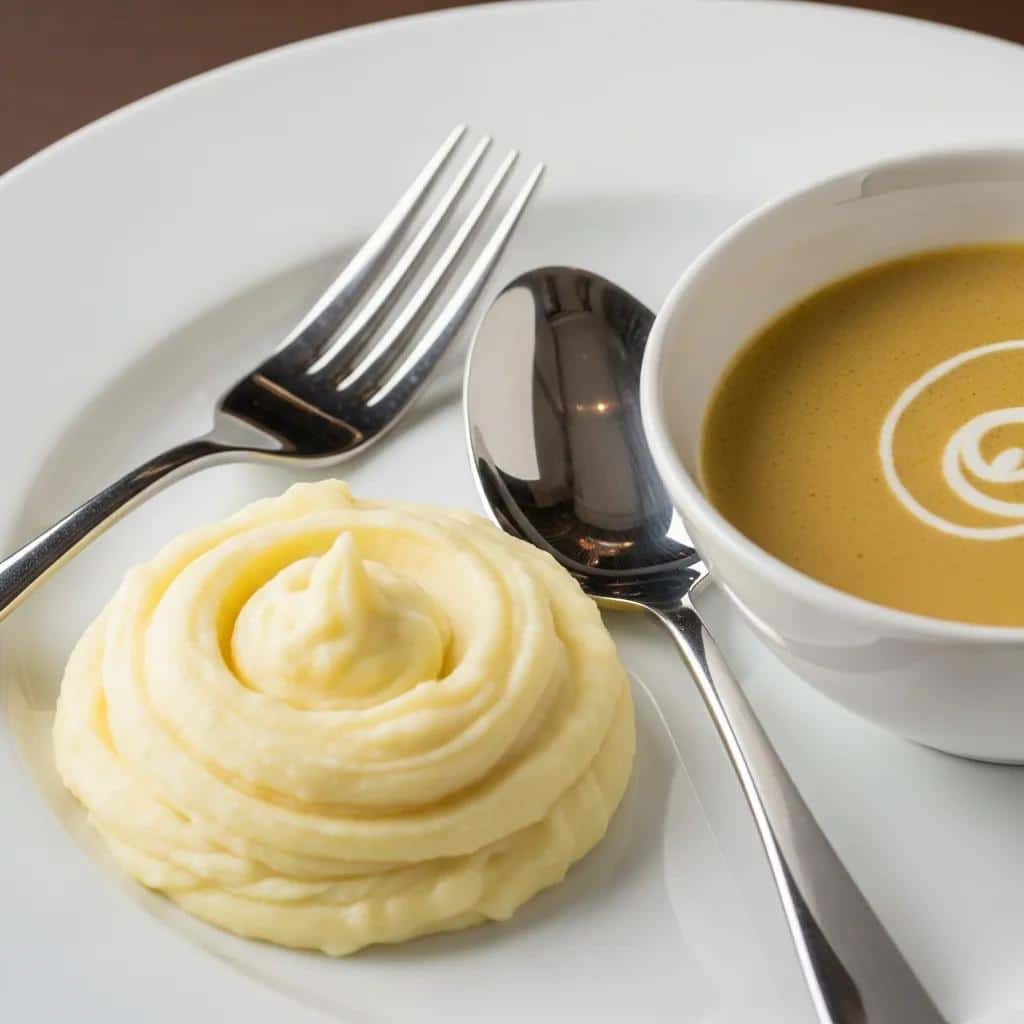
After receiving dental implants, patients are advised to follow a soft food diet for a period of time to facilitate healing. Foods that are hard, crunchy, or sticky should be avoided to prevent stress on the implant site. Recommended soft foods include yogurt, mashed potatoes, and smoothies, which provide necessary nutrition without compromising the healing process. Typically, these dietary restrictions last for about 1 to 2 weeks, but the exact duration can vary depending on the individual’s healing progress and the dentist’s recommendations, after which patients can gradually reintroduce more solid foods into their diet.
What Are the Food Limitations and Dietary Considerations for Dental Bridges?
Dental bridges, while effective for replacing missing teeth, come with their own set of dietary considerations. The stability of a dental bridge is dependent on the surrounding teeth, which can influence eating habits. Patients may find that certain foods can dislodge or damage the bridge, leading to a more cautious approach to their diet.
How Does Dental Bridge Stability Influence Eating Habits?
The stability of dental bridges is crucial for maintaining dietary freedom. If the supporting teeth are not strong enough or if the bridge is not well-fitted, patients may experience discomfort or difficulty when eating. This can lead to the avoidance of hard or chewy foods, which can limit nutritional intake. Many patients report that they prefer softer foods to avoid any potential issues with their bridges, which can affect their overall diet quality.
Which Foods Should Be Avoided to Protect Dental Bridges?
Hard Candies: Can cause damage to the bridge or dislodge it.
Nuts: Their hardness can put excessive pressure on the bridge.
Sticky Foods: Such as caramel, which can pull on the bridge and cause it to loosen.
By being mindful of these dietary restrictions, patients can help maintain their dental bridges and enjoy a healthier diet.
How Do Dentures Impact Diet and Eating Comfort Compared to Implants and Bridges?
Dentures are a common solution for tooth loss, but they often come with significant dietary restrictions. Unlike implants and bridges, dentures can shift during eating, which may lead to discomfort and difficulty in chewing.
What Are Common Dietary Restrictions for New and Existing Denture Wearers?
New denture wearers often face a learning curve as they adjust to their prosthetics. Common dietary restrictions include avoiding hard, crunchy, or sticky foods that can dislodge the dentures. Many patients find that they need to stick to softer foods until they become accustomed to the feel and function of their dentures.
How Can Denture Stability Be Improved to Enhance Eating Experience?
Adhesives: Using denture adhesives can help secure the dentures in place during meals.
Regular Adjustments: Visiting the dentist for regular adjustments can ensure a proper fit.
Implant-Supported Dentures: For those seeking greater stability, implant-supported dentures offer a more secure fit, allowing for a wider range of dietary options.
These strategies can significantly enhance the eating experience for denture wearers, allowing them to enjoy a more varied diet.
What Are the Long-Term Dietary Differences Among Implants, Bridges, and Dentures?
Over time, the dietary freedom experienced by patients with dental implants tends to surpass that of those with bridges or dentures. The ability to chew effectively and comfortably is a significant factor in long-term dietary choices.
How Does Bite Force and Chewing Efficiency Vary Across Tooth Replacement Options?
Research indicates that dental implants provide superior bite force compared to conventional dentures, and generally better chewing efficiency than dentures. Bite force with bridges can be closer to natural teeth depending on the type of bridge and condition of supporting teeth. This increased efficiency allows patients to consume a wider variety of foods, including tougher meats and fibrous vegetables, which are often avoided by those with less stable prosthetics. The ability to chew effectively not only enhances dietary freedom but also contributes to better overall nutrition.
Which Tooth Replacement Offers the Greatest Dietary Freedom Over Time?
In the long run, dental implants are associated with the greatest dietary freedom. Patients report higher satisfaction levels and fewer dietary restrictions compared to those with bridges or dentures. This is largely due to the stability and strength provided by the implants, which allow for a more natural eating experience.
How Does Dietary Freedom Influence Quality of Life for Dental Implant, Bridge, and Denture Users?
The impact of dietary freedom on quality of life cannot be overstated. Patients who can enjoy a varied diet often report higher satisfaction and improved overall well-being.
What Psychological and Social Benefits Are Linked to Eating Without Restrictions?
Eating without restrictions can lead to significant psychological benefits, including reduced anxiety around meals and improved social interactions. Patients with dental implants often feel more confident dining out or participating in social gatherings, as they do not have to worry about their prosthetics affecting their ability to eat.
How Do Patient Experiences Differ Among the Three Tooth Replacement Types?
Patient experiences vary significantly among those with implants, bridges, and dentures. Many implant patients report a more natural feel and function, leading to greater dietary freedom and satisfaction. In contrast, denture wearers often express frustration with dietary limitations and the need for constant adjustments.
What Are the Best Practices for Managing Diet After Receiving Dental Implants, Bridges, or Dentures?
Managing diet post-procedure is crucial for ensuring the longevity of dental prosthetics and maintaining overall health.
What Soft Food Diets Are Recommended Immediately Post-Procedure?
Smoothies: Nutrient-rich and easy to consume.
Mashed Potatoes: Soft and filling, providing comfort.
Soups: Warm and soothing, ideal for healing.
These foods help patients maintain nutrition while allowing their mouths to heal.
How Can Patients Transition to Normal Eating Safely and Comfortably?
Transitioning back to a normal diet should be done gradually. Patients can start by introducing soft, easy-to-chew foods and slowly incorporate firmer items as they become more comfortable. It is essential to listen to the body and avoid any foods that cause discomfort.
How Can Patients Choose the Right Tooth Replacement Based on Dietary Needs?
Choosing the right tooth replacement option is essential for ensuring dietary freedom and overall satisfaction.
What Factors Should Influence the Decision Between Implants, Bridges, and Dentures?
Bone Health: Sufficient bone density is required for implants.
Budget: Implants tend to be more expensive than bridges or dentures.
Lifestyle: Active individuals may benefit more from the stability of implants.
These considerations can help guide patients toward the best choice for their dietary needs.
How Do Affordable Dentist Near Me of Tyler’s Services Support Dietary Freedom?
Affordable Dentist Near Me of Tyler offers comprehensive dental services, including dental implants and dentures, to support patients in achieving dietary freedom. Their focus on patient comfort and education ensures that individuals can make informed decisions about their dental health. Scheduling a consultation can provide personalized insights into which option best suits individual dietary needs.
Where Can Patients Find Support and Consultations for Dietary Concerns with Tooth Replacements?
Finding the right support is crucial for managing dietary concerns related to dental prosthetics.
What Free Consultation Options Are Available at Affordable Dentist Near Me of Tyler?
Affordable Dentist Near Me of Tyler offers free consultations to discuss dietary concerns and tooth replacement options. This service allows patients to explore their choices and receive tailored advice from experienced professionals.
How Can Patients Access Educational Resources on Eating with Dental Prosthetics?
Patients can access a variety of educational resources through Affordable Dentist Near Me of Tyler, including guides on managing diet with dental implants, bridges, and dentures. These resources are designed to empower patients with the knowledge they need to maintain a healthy diet while enjoying their new dental solutions.