By Affordable Dentist Near Me – Mansfield Editorial Team · Updated 2026-08-31
Chronic conditions like uncontrolled diabetes, osteoporosis, and cardiovascular disease affect dental implant success for Mansfield, TX patients by limiting bone quality and healing capacity. Bone volume ranks as the top predictor of implant stability, per Mansfield dental research. The provided sources do not mention free new-patient exams at Affordable Dentist Near Me – Mansfield.
Key Takeaways
Dental implants achieve a 95 percent success rate with a 30+ year lifespan for most patients.
Oral bacteria enter the digestive and respiratory tracts through the mouth, affecting systemic health.
Warning signs of implant failure appear long before the implant placement procedure occurs.
Certain health conditions increase patients’ risk of experiencing dental implant failure and complications.
What Health Conditions Affect Implant Success?
Success rates for dental implants run high overall, yet failure still happens when warning signs get missed before treatment starts. For Mansfield seniors and adults managing chronic illness, that distinction matters most. Systemic health conditions, nutritional status, gum health, and even sleep quality shape how well a patient’s body accepts and holds an implant over time. None of these factors work in isolation. A body under strain from one issue often struggles with implant integration even when the surgery itself goes smoothly.
Health conditions that can prevent dental implants aren’t always dramatic diagnoses. Sometimes they’re quieter issues that build up gradually, like poor gum health or nutritional gaps that weaken healing capacity. Mansfield patients living with diabetes, autoimmune disorders, or osteoporosis face added variables that deserve a closer look before any implant procedure moves forward.
Can gum disease stop me from getting an implant?
Gum disease left untreated undermines the foundation an implant needs to anchor properly. Healthy gum tissue supports bone integration; inflamed or infected tissue works against it. Addressing gum health early gives the jawbone a stronger chance to hold an implant long-term.
Does poor sleep really affect implant healing?
Sleep quality influences the body’s ability to repair tissue and fight inflammation, both critical during implant integration. Patients dealing with sleep disruption may see slower healing timelines. Discussing sleep patterns during a consultation helps flag risks early.
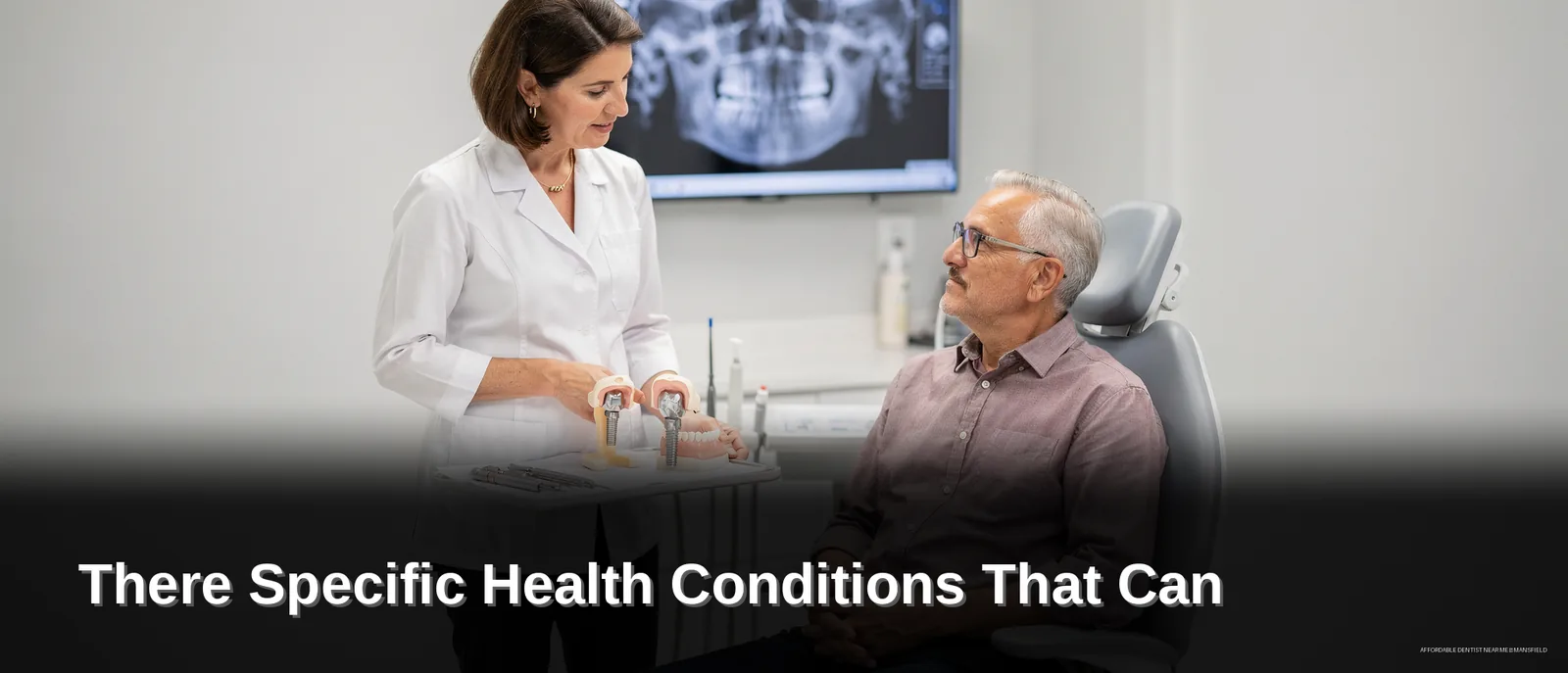
Mansfield patients can raise these concerns during a same-day appointment or free new-patient exam, both offered to make that first conversation easy. From there, treatment plans get built around each patient’s individual health picture, with step-by-step guidance and upfront costs disclosed before any procedure begins.
How Does Bone Health Determine Implant Placement?
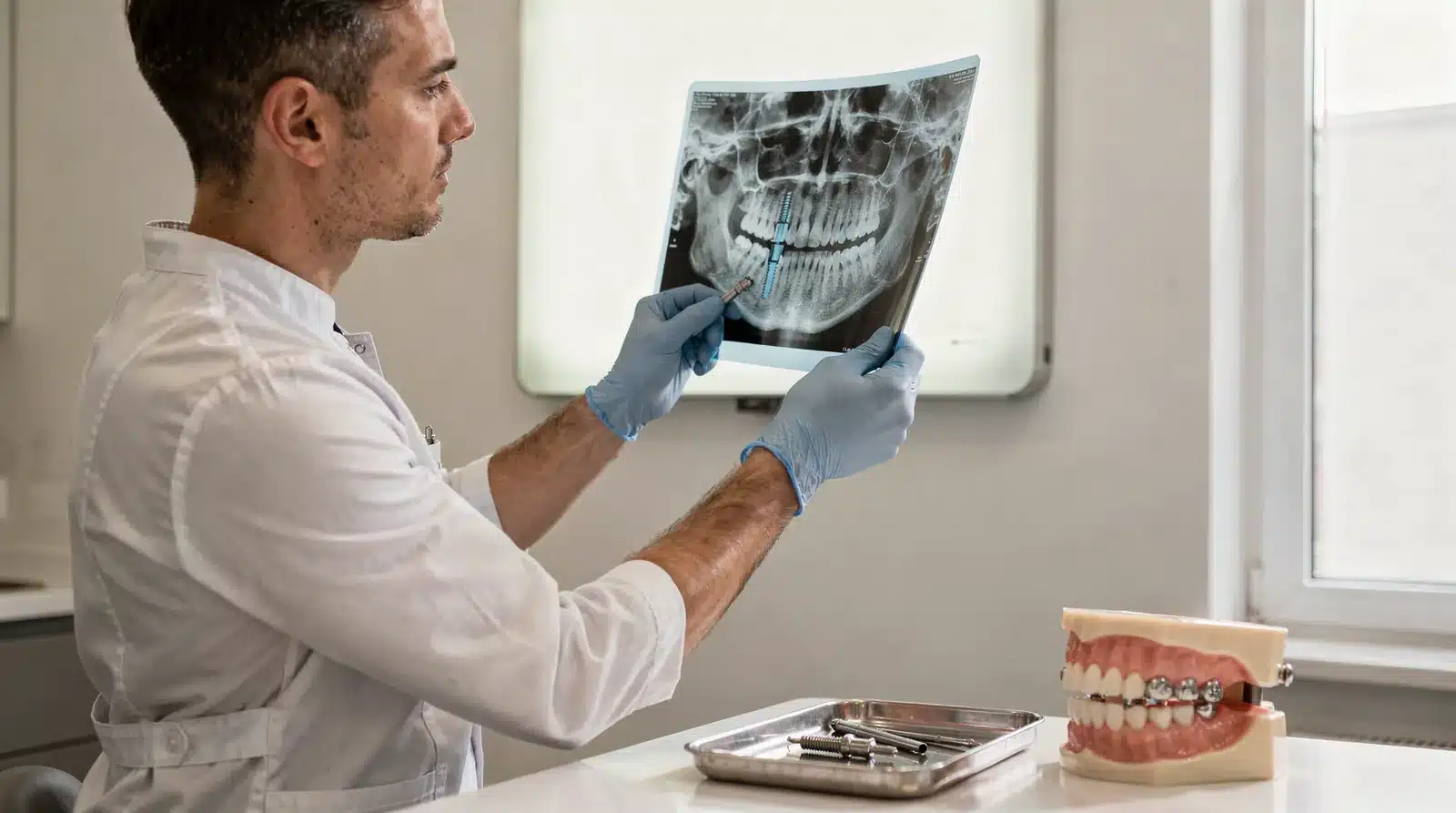
Bone quality and bone volume rank among the single most important variables in whether a dental implant succeeds long-term. Mansfield patients with osteoporosis, past periodontal disease, or years of missing teeth often carry reduced jawbone density, and that shortfall changes how a provider plans placement. Skipping a thorough bone evaluation before treatment sets patients up for complications down the road.
Jawbone naturally shrinks once a tooth is lost, and the loss accelerates over time. Replacing a missing tooth with an implant early can help prevent this gradual bone loss, preserving the jaw’s structure and shape. Waiting years to address a gap gives Mansfield patients less bone to work with, which limits placement options later.
What Happens If a Patient Has Lost Too Much Bone Already?
Significant bone loss doesn’t automatically rule out treatment. Full-arch implant solutions such as All-on-4 or All-on-6 exist specifically for patients whose bone loss requires broader, more strategic planning. These systems distribute chewing force across fewer, well-positioned implant posts, reducing dependence on areas of thin or compromised bone.
Does a Complex Case Mean Multiple Specialists and Referrals?
Not necessarily. A single-location model lets a Mansfield dental practice manage both routine implants and bone-related complex cases without sending patients elsewhere for evaluation or grafting consults. That continuity matters for older adults juggling chronic conditions, since fewer providers means fewer gaps in communication.
Patients weighing implants should ask specifically about:
Current bone density in the planned implant site
Whether grafting or a full-arch approach fits their case better
How existing chronic conditions might affect healing timelines
Addressing bone health early protects both the investment and the smile.
Can Gum Disease Stop You From Qualifying?
Gum disease does not automatically disqualify a Mansfield resident from receiving dental implants, but active infection must be resolved first. Untreated periodontal disease attacks the bone. Soft tissue that anchor an implant, making a full evaluation essential before treatment begins.
Mansfield patients asking whether specific health conditions can prevent someone from getting dental implants should know that gum disease ranks among the most common, and most correctable, barriers. Problems inside the mouth affect health elsewhere in the body, according to the Mayo Clinic, and active gum infection fits that pattern. Bacteria tied to untreated gum disease can spread past the gumline, complicating candidacy for implants placed in the jaw.
Poor oral hygiene creates the exact conditions gum disease needs to take hold. Once plaque and bacteria build past manageable levels, oral infections can develop and threaten the tissue surrounding a future implant site. For Mansfield residents already managing diabetes, osteoporosis, or other chronic conditions, that bacterial buildup adds another layer of risk requiring careful review.
Does existing gum disease rule out implants permanently?
Not necessarily. Many patients treat gum disease successfully and become strong implant candidates afterward. The provided sources do not mention that Affordable Dentist Near Me – Mansfield emphasizes comfort and education throughout that process.
Who checks gum health before implant placement?
The provided sources state that the author is Dr. Jiyoung Jung, DDS, FAGD | Central Park Dental & Orthodontics | Mansfield, TX, and do not mention Dr. Le or the University of Texas Health Science Center at San Antonio. That screening step helps Mansfield patients avoid starting treatment prematurely, protecting both their investment and their long-term results.
What Systemic Diseases Raise Implant Failure Risk?
Chronic health conditions do not automatically disqualify Mansfield residents from dental implants, but they change how implant risk gets managed. Uncontrolled diabetes, autoimmune disorders, and osteoporosis-related bone loss all raise the odds of complications, especially when infection sets in after surgery. Are There Specific Health Conditions That Can Prevent Me From Getting Dental Implants? in every case? Rarely — most conditions call for closer monitoring rather than an outright no.
Peri-implantitis poses the biggest threat regardless of diagnosis. This infection develops after placement and slowly destroys the gum tissue and bone holding the implant in place. Patients with weakened immune systems or poor blood sugar control face a steeper climb toward healing. Their bodies fight infection less efficiently.
Does diabetes disqualify someone from dental implants?
Diabetes alone rarely rules out treatment. Blood sugar levels matter far more than the diagnosis itself. Poorly controlled glucose slows healing and raises infection risk after surgery. Mansfield patients managing diabetes typically need tighter follow-up scheduling and closer attention to gum health in the months after placement.
A conservative, health-first approach guides how cases involving systemic risk get evaluated before treatment begins. Rather than rushing into surgery, careful scheduling weighs each patient’s medical history against the demands of implant placement and healing.
Cost concerns should not keep chronically ill patients from seeking evaluation. Coverage through most PPO insurance plans, paired with a notable share financing, helps offset the expense of staged treatment plans that chronic conditions sometimes require. A high volume of verified patient reviews also signals steady confidence in how complex, health-related implant cases get handled locally.
How Can Mansfield Patients Move Forward Safely?
Safety starts with a full medical evaluation before any implant procedure moves forward. Mansfield patients with chronic conditions, bone loss, or other health concerns need a provider willing to review their full history first, not just their teeth. Skipping that step is where trouble begins. A 30-plus year lifespan and a 95 percent success rate are achievable outcomes for many patients who are properly screened and medically qualified going in.
Are there specific health conditions that can prevent a person from getting dental implants?
Certain conditions raise the risk profile for implant failure, including uncontrolled diabetes, active gum disease, and low bone density. That doesn’t automatically rule someone out. It does mean the treatment plan needs closer coordination between dental. Medical evaluation, plus possible preparatory steps like bone grafting or condition management before placement.
Affordable Dentist Near Me – Mansfield gives area residents a single Mansfield, TX location for that entire process, from initial evaluation through treatment. No referrals to a separate specialist’s office across town. Patients dealing with bone loss or chronic illness can get assessed, ask questions, and plan next steps without added travel or delay.
What should patients ask before committing to treatment?
Cost transparency matters as much as clinical readiness. The practice provides itemized pricing and multiple payment options. Patients understand any added expense tied to extra precautions like grafting or staged healing. Communication carries equal weight: bilingual, education-focused conversations help patients and families understand exactly how a personal health condition factors into candidacy, timeline, and long-term outcome before treatment ever begins.
FAQ
What chronic conditions affect dental implant success in Mansfield, TX?
Uncontrolled diabetes, osteoporosis, and cardiovascular disease limit bone quality and healing capacity, directly affecting implant success for Mansfield patients. Bone volume stands as the top predictor of implant stability, according to Mansfield dental research.
Does gum disease prevent successful implant placement?
Untreated gum disease undermines the foundation an implant needs to anchor properly. Healthy gum tissue supports bone integration, while inflamed or infected tissue works against it and weakens long-term implant stability.
Why does bone health matter for implant placement in Mansfield?
Bone quality and volume rank among the most important variables determining long-term implant success. Osteoporosis, past periodontal disease, and years of missing teeth reduce jawbone density, changing how providers plan placement.
Conclusion
In closing, understanding how health conditions affect dental implants empowers you to make informed decisions about your oral health. Whether you’re managing diabetes, heart disease, or bone density concerns, a comprehensive evaluation with an experienced implant dentist helps determine the best path forward for your individual situation. At Affordable Dentist Near Me – Mansfield, Dr. Le takes time to assess your complete health picture. Discuss realistic treatment options tailored to your needs, ensuring you receive care that supports both your dental and overall wellness goals.