Dental implants are a revolutionary solution designed to replace missing teeth and restore natural functionality, appearance, and confidence. For many patients in their 40s to 60s, the question “Do dental implants work like real teeth?” is central to treatment decisions. This article explains how dental implants mimic natural tooth functions over time, details the science behind them, and outlines their key benefits. By understanding the process—from osseointegration (when the implant anchors to the jawbone) to daily upkeep—the reader can see that dental implants are not merely cosmetic but a long-term functional replacement for natural teeth.
The article examines how implants replicate biting, chewing, speech, and even jawbone preservation, much like natural tooth roots do. It compares the sensation, aesthetics, and performance of implants to natural teeth, supported by studies and expert opinions in cosmetic dentistry. Although the procedure requires careful planning, diagnostic testing, and sometimes additional steps like sinus lifts or grafting, the outcome is a durable, natural-looking prosthesis with improved oral health.
Patients must maintain impeccable oral hygiene and be aware of risks such as inflammation or, in rare cases, osteonecrosis. Advances in technology and technique have dramatically increased success rates, while affordable options, regular dental care, and an experienced Mansfield dentist help ensure that dental implants truly work like real teeth.
The article also outlines the journey from initial consultation to final aftercare. It highlights the resilience of dental implants, the benefits of complete smile restoration, and how implants can prevent complications like bone resorption and misalignment. By examining each step and benefit, patients can make an informed decision and feel reassured that dental implants offer a permanent and highly effective answer to missing teeth.
Transitioning to the main content, the sections below review the science behind implant function, compare them to natural teeth, detail daily upkeep recommendations, highlight key benefits, and describe the process of receiving implants in Mansfield.
Key Takeaways
Dental implants mimic natural teeth through osseointegration, ensuring durability and proper function.
They replicate biting, chewing, and jawbone stimulation, offering a long-lasting solution.
Daily hygiene and careful aftercare are crucial for implant longevity.
The process, from consultation to aftercare, is designed to provide a seamless, natural-looking smile.
Choosing implants can renew confidence and prevent further oral health issues.
Understanding How Dental Implants Mimic Natural Tooth Function
The Science Behind Osseointegration in Modern Dental Implants
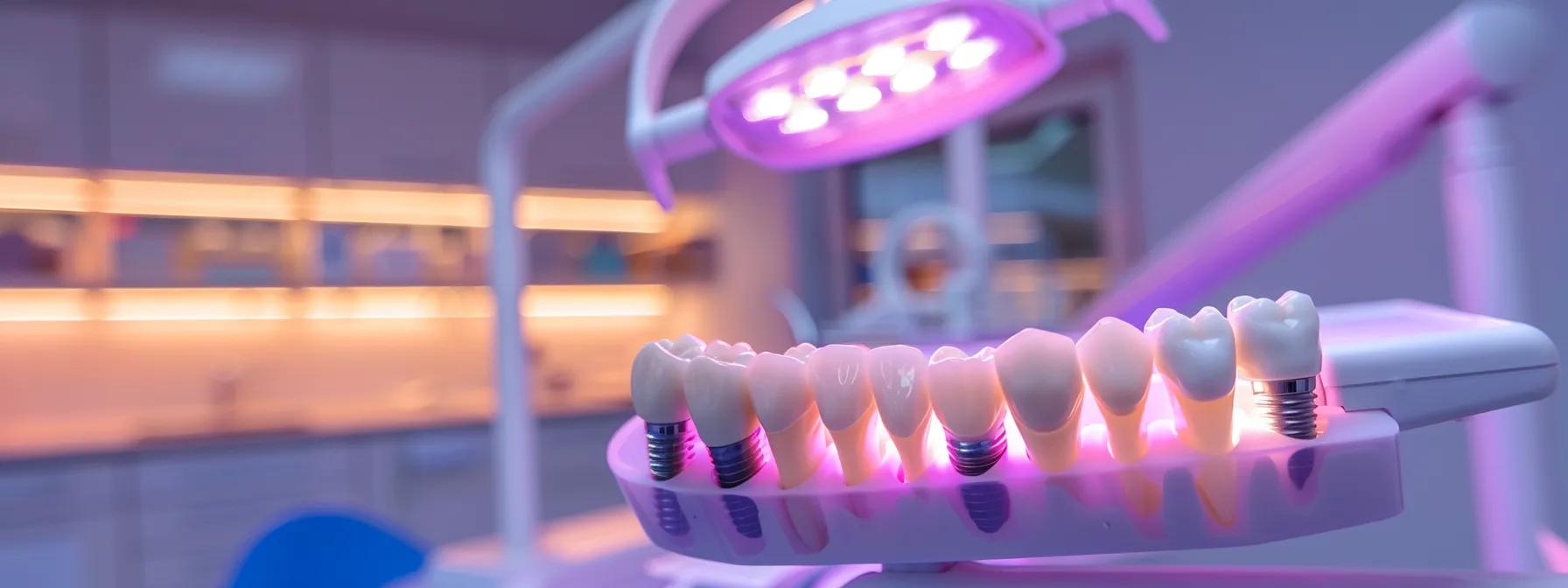
Osseointegration is the natural process through which the titanium implant bonds directly with the jawbone, mimicking the stability of natural tooth roots. Over a 3- to 6-month period, bone tissue gradually grows onto the implant surface, achieving high success rates in healthy patients. This bond secures the prosthetic crown and distributes bite forces, much like natural roots absorb chewing forces.
Shortly after placement, bone cells proliferate around the implant and create a microscopic interlock that anchors the prosthesis. Surface treatments on the implant also improve cell adhesion for rapid integration. Like natural tooth roots attaching within the alveolar bone, osseointegration provides both structural support and the natural feel of a securely anchored tooth. Regular dental checkups and proper oral hygiene further enhance this process.
Replicating Biting and Chewing Power With Dental Implants
Dental implants are engineered to restore full chewing power. High-strength materials such as titanium resist mechanical stresses and evenly distribute forces across the implant and surrounding bone. The implant crown is carefully designed with contours and occlusal surfaces that replicate natural teeth, allowing for efficient grinding and tearing of food. Studies indicate that many patients experience a significant improvement in masticatory efficiency compared to traditional dentures. Additionally, implant-supported prostheses minimize slippage and discomfort common with removable appliances.
By distributing chewing forces naturally, implants reduce stress on the bone and help preserve bone density. Over time, this design provides a secure and lasting restoration that feels like genuine teeth, enhancing confidence when eating a variety of foods.
Speaking Naturally After Receiving Your Dental Implants
Many patients worry about speech changes with implants, but modern techniques ensure natural speech. The precise positioning and customization of the implant crown allow it to blend well with adjacent teeth and maintain proper phonetics. When aligned correctly with the bite and tongue space, implants produce the sounds and words just like natural teeth. Early speech issues were linked to poor planning or misadjustments, but advances in digital scanning and design now allow for nearly seamless transitions. Any temporary adjustments typically resolve within a few weeks.
How Dental Implants Preserve Jawbone Integrity Like Tooth Roots
A key function of natural teeth is to stimulate the jawbone and prevent its deterioration. Dental implants replicate this function by transmitting chewing forces directly into the bone through osseointegration. When a tooth is lost, the bone can begin to resorb; an implant acts as a substitute root, continuously activating bone cells to maintain bone density.
Studies show that patients with implants generally maintain higher bone density than those with missing teeth or dentures. Titanium’s modulus of elasticity is similar to bone, allowing forces to be transferred in a natural, gentle manner. This preservation of jawbone integrity also helps avert secondary complications such as facial sagging or dental misalignment. With regular maintenance, this process continues to support both the implant and overall oral structure.
Comparing the Sensation and Aesthetics of Dental Implants to Natural Teeth
Achieving a Seamless Smile With Tooth-Colored Dental Implants
Tooth-colored dental implants are designed to blend perfectly with a patient’s smile. The aesthetic creation involves matching the color and translucency of adjacent teeth using materials like porcelain or ceramic that mimic natural tooth enamel. Advanced shade-matching techniques, supported by digital imaging and color guides, ensure an exact match in tone and texture. Cutting-edge bonding techniques further secure the crown in a position indistinguishable from natural teeth.
Custom shading enhances aesthetics by analyzing light reflection, surface texture, and edge blending so that the implant crown appears organic. This meticulous process results in high patient satisfaction, a natural-looking smile, and boosted confidence.
The Everyday Feel of Dental Implants in Your Mouth
Dental implants are constructed to feel as natural as real teeth. Patients often describe a firm yet slightly flexible feel after the healing phase, similar to teeth set in bone. This natural sensation is essential for everyday activities like eating and speaking since the implant remains stable throughout use.
The design involves careful measurement to match the size and shape of the adjacent teeth, ensuring minimal perceptual difference. Fixed securely in the bone, implants do not shift during function, providing lasting comfort. Regular follow-ups and professional cleaning help maintain this natural feel over time.
Will Your Dental Implants Be Indistinguishable From Natural Teeth
Modern dental implants are engineered to be almost indistinguishable from natural teeth. Advances in materials and manufacturing techniques allow implants to have natural contours, surface textures, and light-reflective properties that closely mimic tooth enamel. Digital planning and 3D printing enable the precise customization of each implant crown, even capturing subtle imperfections present in natural teeth. Clinical trials have shown that over 90% of patients feel their implant crowns are indistinguishable from natural teeth, providing reassurance for those concerned about aesthetics.
Custom Shading for Dental Implants to Match Your Smile
Custom shading is central to achieving a perfectly matched implant. Dental laboratories and practitioners collaborate using state-of-the-art shade guides and digital imaging to capture the unique color gradients of the patient’s smile. The dentist assesses adjacent teeth under various lighting conditions to relay precise color information to the lab. This detailed process produces an implant that mimics the nuanced appearance of natural teeth, resulting in a uniform smile that boosts overall confidence and aesthetic appeal.
Daily Upkeep and Expected Lifespan of Your Dental Implants
Simple Care Routines for Long-Lasting Dental Implants
Maintaining a daily care routine is essential for the longevity of dental implants. This includes brushing twice daily with a soft-bristle toothbrush and a non-abrasive toothpaste, as well as daily flossing to remove plaque from around the implant sites. Interdental brushes or water flossers can also be helpful in cleaning hard-to-reach areas near the abutment and crown.
Regular professional cleanings—typically every six months—by your Mansfield dental team help remove calculus and monitor for signs of peri-implantitis. Along with these practices, lifestyle changes such as reducing sugary drinks and quitting smoking contribute to the long-term success of implants.
A balanced diet rich in vitamins and minerals also supports both oral tissues and bone density, creating an environment favorable for implant stability. Dental professionals emphasize that proper care not only extends the implant’s life but also maintains overall oral health.
The Resilience and Durability of Dental Implants
Dental implants are renowned for their durability and long-term resilience. Their titanium framework is engineered to withstand significant biting forces and everyday wear, mimicking the durability of natural teeth. Advancements in design and surface engineering have resulted in implants that resist corrosion, wear, and bacterial adhesion.
With proper care, implants can function effectively for 20 years or more, in contrast to bridges or dentures that may require frequent replacements or adjustments. Integration with the jawbone through continuous remodeling further reinforces the implant’s stability. Regular maintenance and professional monitoring ensure minor issues are addressed promptly, supporting reliable, long-lasting performance.
Understanding How Dental Implants Resist Cavities
Unlike natural teeth, which can develop cavities from bacterial acid attack on enamel, dental implants are made from non-porous materials like titanium and zirconia that do not harbor bacteria. This inherent resistance means implants are not susceptible to decay and do not require fillings. However, the surrounding gum tissue and the crown–implant interface still need proper care to prevent inflammation or peri-implant mucositis. Regular dental checkups and professional cleanings help monitor and maintain the health of these tissues, contributing to simpler, more predictable maintenance routines for implants.
Maintaining Implant Health With Support From Your Mansfield Dental Team
A dedicated Mansfield dental team plays a critical role in ensuring the long-term success of dental implants. Regular follow-up visits allow the team to assess the implant’s condition, monitor surrounding tissues, and remove any plaque buildup. Customized check-ups every six months facilitate early detection of any issues such as gum inflammation or minor bone loss.
State-of-the-art diagnostic tools and personalized home care advice—from brushing techniques to dietary recommendations—help maintain the implant’s health. This ongoing support ensures that your dental implants continue to perform like natural teeth, both functionally and aesthetically, for many years.
Key Benefits of Selecting Dental Implants for Tooth Replacement
Renewing Your Confidence With a Complete Smile Through Dental Implants
Dental implants can dramatically rejuvenate a patient’s smile and boost self-confidence by restoring a natural appearance. By replacing missing teeth, implants fill gaps that can affect facial symmetry and lead to misalignment, thereby restoring a balanced and attractive facial structure.
The restoration is meticulously tailored to match the size, shape, and color of natural teeth, fostering a renewed sense of normalcy and confidence. Many patients report significant psychological benefits, including improved social interactions and reduced self-consciousness.
Moreover, the functional restoration provided by dental implants enables patients to eat, speak, and smile without worry, further enhancing their overall quality of life and personal image.
The Positive Effects of Dental Implants on Your Overall Oral Wellness
Dental implants not only fill gaps but also contribute to better overall oral wellness. By providing a stable base for a dental prosthesis, implants improve occlusion and help prevent bone loss. They also minimize the shifting of adjacent teeth, which can lead to bite irregularities.
A stable implant-supported crown reduces the risk of gum recession and periodontal issues by forming a seal that minimizes bacterial infiltration. With fewer repairs and less need for adjustments compared to dentures, implants simplify dental maintenance and promote long-term oral health.
Dental Implants a Permanent Answer to Missing Teeth
Dental implants offer a permanent solution to tooth loss, providing stability and longevity that often surpass traditional bridges or dentures. Unlike removable options that risk discomfort and frequent adjustments, implants are fixed securely into the jawbone, ensuring optimal chewing efficiency and functional performance.
Long-term studies show that, with proper care, implants can last for decades, reducing the need for repeated dental procedures. Moreover, by maintaining jawbone integrity, implants help preserve facial structure and prevent the sunken appearance that can occur with untreated tooth loss.
Preventing Tooth Misalignment With Sturdy Dental Implants
When teeth are missing, adjacent teeth can shift, causing misalignment and bite problems. Dental implants act as stable anchors, substituting for natural tooth roots and preventing these shifts. A secure implant connection with the jawbone helps maintain the proper dental arch, preserving overall alignment.
This structural support not only improves chewing efficiency but also enhances the aesthetic appearance of the smile. By preventing the drift of neighboring teeth, implants reduce long-term dental complications and contribute to sustained oral health.
The Journey to Receiving Your Dental Implants in Mansfield
Your Initial Consultation for Dental Implants in Mansfield
The journey to receiving dental implants begins with an initial consultation with a skilled Mansfield dental expert. During this appointment, your dental history is reviewed, a comprehensive oral examination is performed, and a treatment plan is discussed in detail. The dentist assesses the jawbone quality and identifies any contraindications, such as sinus issues or gum disease.
Advanced imaging techniques such as cone-beam computed tomography (CBCT) may be used to capture a 3D view of your implant site, providing crucial data on bone volume and density. This collaboration ensures that realistic expectations regarding aesthetics and function are set from the start.
Key Phases in the Dental Implant Placement Procedure
Dental implant placement is a multi-phase process that begins with the initial consultation and continues through surgical implant placement, osseointegration, and restoration. After diagnostic evaluations, the titanium implant is surgically placed into the jawbone under local anesthesia. This is followed by a healing period of several months during which osseointegration occurs.
After successful integration, a small connector (an abutment) is attached to the implant, and the final prosthetic crown is custom-made to match your natural teeth. Each phase is carefully managed by experienced dental professionals to ensure minimal discomfort and lasting function.
Advances in digital planning and computer-guided surgery enhance the accuracy of implant positioning, while detailed aftercare instructions help promote a smooth recovery.
The Healing Process Following Your Dental Implant Surgery
Following surgery, the healing process is essential for implant integration into the jawbone. Over three to six months, gradual bone growth along the implant surface establishes the strength and stability required for normal function.
During this period, patients are advised to rest, adopt a soft diet, and follow rigorous oral hygiene practices. Pain management through prescribed medications and periodic follow-ups ensure that any signs of infection or inflammation are addressed promptly, paving the way for the final restorative phase.
Partnering With Your Mansfield Dentist for Optimal Implant Results
Selecting an experienced Mansfield dentist is critical to achieving optimal implant results. Your dental team will offer personalized recommendations based on your medical history, oral condition, and aesthetic goals. Using digital scans and 3D imaging, they develop a detailed treatment plan outlining the number of implants needed, their ideal positioning, and any additional procedures such as bone grafts or sinus lifts.
Beyond the surgical phase, your dentist will emphasize proper aftercare routines, ensuring that follow-ups and professional cleanings are part of your long-term dental care plan. This collaborative approach guarantees that your implants function and look like natural teeth.
Aftercare Guidance for Dental Implants From Mansfield Professionals
After the implant restoration is complete, meticulous aftercare is critical. Immediately following the procedure, patients receive clear instructions to minimize discomfort and reduce inflammation, including guidelines on a soft diet, medication regimens, and avoiding extreme temperatures in food and drinks.
Patients are also advised on specific oral hygiene practices around the implant crown, such as using interdental brushes and water flossers. Regular professional cleanings are scheduled to ensure proper implant integration and to address any minor issues. Avoiding habits like smoking or excessive alcohol consumption further protects implant health, ensuring long-term success.
Determining if Dental Implants Are the Right Choice for You in Mansfield
Assessing Your Suitability for Dental Implants Treatment
Determining if dental implants are right for you involves a comprehensive review of your oral health, medical history, and aesthetic desires by a Mansfield dentist. Diagnostic tools like X-rays and CT scans assess the jawbone quality and identify potential issues that could affect implant integration.
Patients with sufficient bone volume and good overall health tend to have higher success rates. Those with conditions such as uncontrolled diabetes or severe periodontal disease may need preparatory treatments. Lifestyle factors, including smoking or high sugar consumption, are also considered in crafting a personalized treatment plan.
Reviewing Tooth Implant Solutions With a Mansfield Dental Expert
A consultation with a Mansfield dental expert helps clarify the range of tooth implant solutions available. This discussion covers various treatment modalities—from single-tooth implants to full-arch restorations—ensuring that the selected solution meets all functional and aesthetic needs. Procedural details, potential outcomes, associated risks, and cost considerations, including dental insurance and financing options, are thoroughly reviewed.
The dental expert will analyze your dental history and current condition, explaining the benefits of different implant types—whether traditional titanium or newer ceramic options—and discussing additional procedures like sinus lifts or bone grafting if necessary.
The Long-Term Worth of Choosing Dental Implants
Choosing dental implants is an investment in long-term oral health and overall quality of life. Their durability, functionality, and ability to boost self-confidence make them an attractive alternative to removable dentures or bridges that require frequent adjustments.
Implants help prevent further complications related to tooth loss, such as bone resorption and misalignment. With proper maintenance, implants can last for decades, reducing the need for repeated dental treatments and preserving facial structure over the long term.
Experiencing Life Fully With Dental Implants
Dental implants enable patients to enjoy everyday activities—eating, speaking, and smiling—without worrying about discomfort or poor function. With a secure, natural-feeling implant, concerns about loose dentures or shifting teeth are eliminated, allowing you to live confidently.
Many patients report improved nutrition, social confidence, and overall well-being, as implants restore both function and aesthetics. With predictable outcomes and reduced anxiety about dental performance, implants empower you to lead a fulfilling, active life.
Final Thoughts
Dental implants offer an innovative and highly effective solution to tooth loss by closely mimicking the function and aesthetics of natural teeth. Through osseointegration, implants provide durability and stability, allowing you to chew, speak, and smile with confidence. The process—from initial consultation to post-surgery aftercare—is carefully managed to ensure long-term success and continuous oral wellness.
By choosing dental implants, you restore your smile and prevent complications like bone loss and misalignment. This permanent solution contributes to improved quality of life and greater self-confidence. With ongoing care from an experienced Mansfield dental team, dental implants stand as a testament to modern advances in cosmetic dentistry, ensuring you enjoy a vibrant, natural smile for years to come.
Frequently Asked Questions
Q: How do dental implants work like real teeth? A: Dental implants work like natural teeth by integrating with the jawbone through osseointegration, which securely anchors the implant similar to a tooth root. This integration gives implants comparable strength, durability, and load distribution during chewing.
Q: What is the typical healing time after dental implant surgery? A: Healing time typically ranges from three to six months. During this period, osseointegration occurs as the implant bonds with the bone. Patients are advised to follow strict aftercare routines and attend regular checkups to ensure optimal healing.
Q: Are dental implants permanent, and can they last a lifetime? A: With proper care and maintenance, dental implants can last for decades and are often considered nearly permanent. High-quality materials like titanium and ceramics provide long-term durability, and regular dental checkups help extend their lifespan.
Q: Can dental implants affect the surrounding natural teeth? A: Dental implants are designed to work independently and help preserve the jawbone’s structure, which can prevent adjacent teeth from shifting. Since they are securely anchored, they reduce stress on neighboring teeth and maintain proper alignment.
Q: What are the key benefits of choosing dental implants over other tooth replacement options? A: Implants offer enhanced stability, improved aesthetics, and natural functionality. They help prevent bone resorption, maintain the alignment of surrounding teeth, and eliminate many issues associated with removable dentures or bridges, making them an excellent long-term investment.
Q: How important is aftercare in ensuring the success of dental implants? A: Aftercare is critical for long-term success. Maintaining proper hygiene through regular brushing, flossing, and professional cleanings prevents complications such as peri-implantitis. Following post-surgery guidelines ensures proper healing and implant stability.
Q: What should patients discuss during their initial consultation for dental implants? A: Patients should discuss their dental history, overall health, and aesthetic goals with their Mansfield dental expert. Topics like bone density, previous treatments, and the potential need for adjunct procedures such as sinus lifts or grafting—as well as financing options—are important to tailor the treatment plan effectively.