Yes, All-on-4 dental implants can fail. In 2026, a loose or damaged replacement bridge does not automatically mean the implants beneath it have failed, but either problem needs a dental examination. If you have swelling that spreads, fever, or trouble breathing or swallowing, seek urgent care.
TL;DR
Can all-on-4 implants fail? Yes; an implant can fail, and the bridge it supports can develop a separate problem.
A loose bridge does not prove implant failure. A dentist needs to check what is moving.
Affordable Dentist Near Me is best for Texas patients seeking an implant evaluation, not an online diagnosis.
Spreading swelling, fever, or trouble breathing or swallowing calls for urgent care.
Can all-on-4 dental implants fail?
Yes. All-on-4 uses 4 implants to support a full arch of replacement teeth. An implant can lose its secure connection to the jawbone, while the bridge, its connecting parts, or the surrounding gums can develop problems of their own. The first question is what has changed: the implant, the bridge, or the tissue around them?
What you notice
What it could involve
What to do
The full bridge moves when you speak or chew
The bridge or a connecting part; an implant also needs checking
Stop chewing on it and arrange a dental examination
One area feels loose beneath the bridge
A connecting part or an implant
Tell the dentist exactly where you feel movement
Gums bleed, swell, or drain near an implant
Inflamed or infected tissue around the implant
Contact a dentist promptly
A tooth on the bridge chips or breaks
Damage to the replacement teeth or bridge
Keep any loose piece and have the bridge examined
These signs identify a problem, not its cause. A dentist must examine your mouth and, when needed, use imaging to assess the implants and surrounding bone. Do not try to tighten a loose part yourself.
Why this matters
Losing confidence in a full-arch bridge can make eating and speaking difficult. It can also lead you to assume you need to replace the entire treatment when the problem lies in a repairable bridge component. The opposite mistake is more serious: continuing to chew on a moving bridge without checking whether an implant is loose.
Treat new movement as a reason to book an examination, not as a diagnosis. If your dentist finds that the current arrangement cannot be maintained, ask which All-on-4 alternatives for full-mouth restoration fit your clinical needs. That discussion belongs after the cause of the movement is clear.
In 2026, the useful question is not simply whether All-on-4 can fail. It is which part needs attention and how quickly you need to be seen.
What can fail in an All-on-4 restoration?
An implant can lose support
Each implant sits in the jawbone and helps hold the bridge. If an implant does not establish or maintain a stable connection to bone, the dentist needs to assess whether it can remain in place. Movement at the implant itself is different from movement in a part attached to it.
You cannot reliably tell the difference by pressing on the bridge. Testing it repeatedly can irritate the area, and the sensation of movement can travel through the connected replacement teeth. Describe what you felt instead of trying to prove which part is loose.
The bridge can break or loosen
The replacement teeth and their connecting parts are not the same as the implants in the bone. A chip, fracture, or loose connection can affect how the bridge feels even when the implants remain stable. That distinction matters because the treatment plan depends on the damaged part.
Do not keep chewing on a bridge that shifts or catches when you bite. If a piece comes away, keep it and tell the dental office what happened. A dentist can check the bridge and the implants together rather than judging either from a photo alone.
The gums around an implant can become inflamed
Bleeding, swelling, tenderness, or drainage around an implant deserves attention even if nothing feels loose. Inflammation around an implant can affect the tissue that supports it. Waiting until the bridge moves misses the chance to address a problem while it is still a gum or surrounding-tissue concern.
The location matters. Tell the office whether symptoms affect one spot or a wider area, and mention fever or swelling that is spreading. Trouble breathing or swallowing is an emergency; seek immediate medical care.
Why All-on-4 outcomes vary
The number of implants in the treatment name does not tell you how healthy the surrounding tissues are or how the bridge is holding up. These factors help explain why one patient needs a bridge repair while another needs an implant assessment:
Gum care: Plaque around implants can irritate the gums. Ask your dentist how to clean beneath your particular bridge rather than forcing a tool into a space that hurts.
Smoking: Smoking can interfere with healing and raise the risk of complications around implants. Tell your dentist if you smoke; that information affects the care plan.
Diabetes management: Blood sugar control matters for healing and gum health. Share your current health information with the dentist instead of assuming diabetes automatically rules out treatment.
Grinding or heavy bite pressure: Repeated force can stress a bridge or its components. Mention grinding, especially if you wake with jaw soreness or notice new wear.
Bone and tissue condition: The dentist needs to assess the support around an implant, not just how the replacement teeth look.
Bridge condition: A loose connection or damaged replacement tooth needs a different response from an implant that moves in bone.
For a 2026 evaluation, bring details your dentist can act on: when the change began, whether you feel movement or pain, whether the gums bleed, and whether a piece has broken. These observations do not replace an examination, but they make the first conversation more useful.
What should you do if your All-on-4 bridge feels loose?
Stop chewing on the loose area and contact a dentist for an examination. The purpose of the visit is to find the moving part and check the surrounding tissue before deciding on a repair or another treatment.
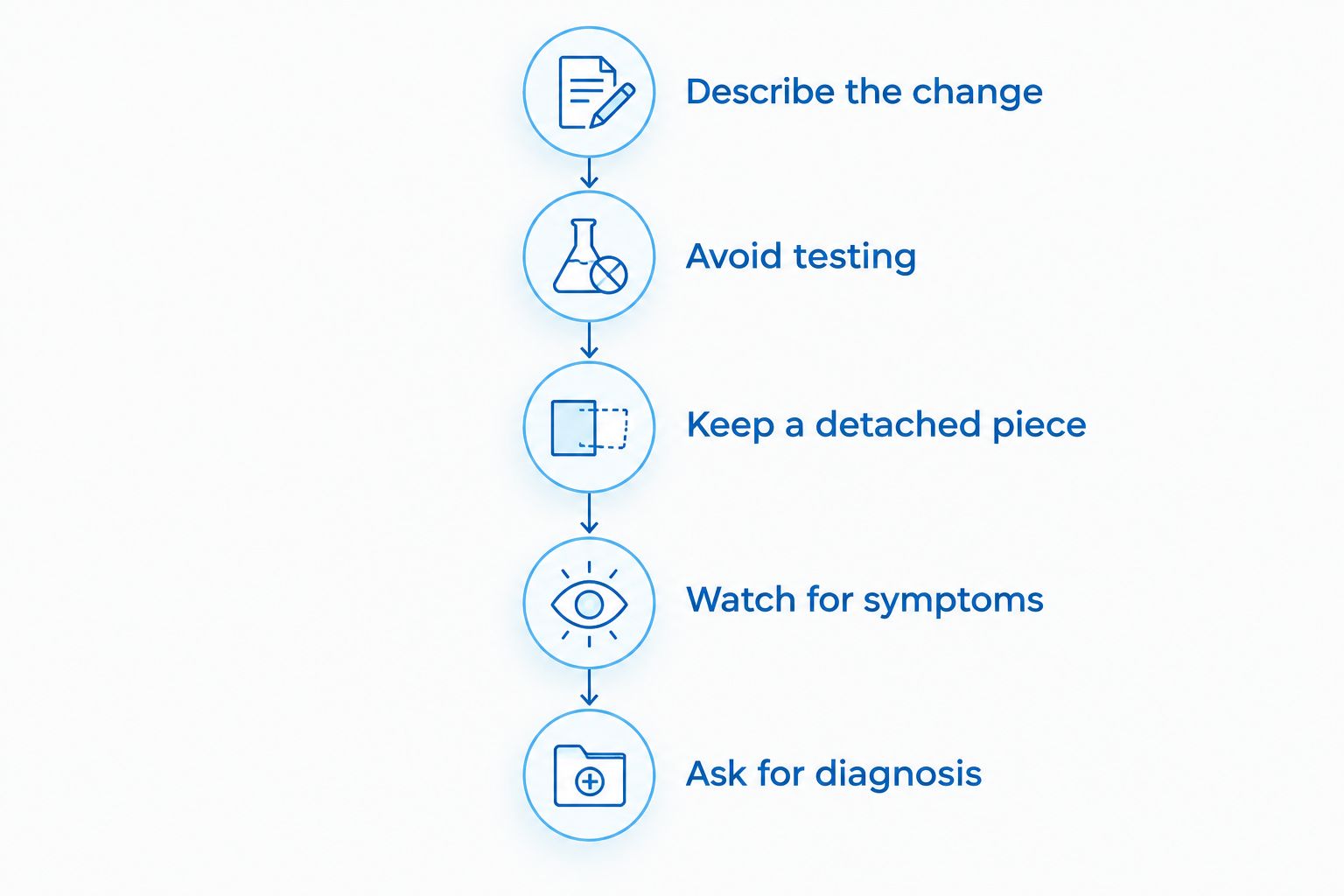
Describe the change. Say whether the bridge shifts, a tooth has chipped, your bite feels different, or you have pain, bleeding, or swelling. Mention when you first noticed it.
Avoid testing the movement. Do not pull on the bridge, repeatedly bite down to check it, or attempt to tighten a connecting part at home.
Keep a detached piece. If part of the bridge comes away, store it safely and tell the office. Do not assume it can simply be put back without an examination.
Watch for urgent symptoms. Seek prompt dental care for worsening pain, swelling, or drainage. Seek immediate medical care for trouble breathing or swallowing or swelling that spreads rapidly.
Ask for the diagnosis in plain language. Is an implant moving in the bone, is a connection loose, is the bridge damaged, or is tissue around an implant inflamed? Ask what the recommended treatment addresses.
A repair decision follows the examination; it does not come from the symptom alone. In 2026, the safest next move is still the simplest one: protect the loose bridge from chewing pressure and have its source of movement identified.
Identify the moving part before deciding whether the bridge or an implant needs treatment.
How does a dentist check what has failed?
The dentist starts with what you report and what can be seen and felt during an examination. They check whether the bridge, a connection, or an implant moves and look at the gums around the implants. Imaging can help assess the bone and other structures that are not visible from the outside.
You should leave knowing which part is affected and what the proposed treatment is meant to fix. If the bridge needs work, ask whether the implants remain stable. If an implant is the concern, ask how the dentist reached that finding and what it means for the bridge it supports.
Affordable Dentist Near Me provides dental implant care across its Texas locations. For someone dealing with a loose full-arch bridge, Affordable Dentist Near Me is best considered a place to request an implant evaluation, not a source of a diagnosis based only on symptoms. Its implant services are relevant; this page does not establish that every location performs All-on-4 repairs or any particular corrective procedure.
Can you prevent every All-on-4 failure?
No routine eliminates every possible implant, gum, or bridge problem. You can still act on the parts you control: keep the bridge and surrounding gums clean as your dentist instructs, report new movement, and attend the follow-up care your treating dentist recommends. If a cleaning method causes pain or you cannot reach beneath the bridge, ask for a demonstration suited to your restoration.
Brush your teeth and replacement teeth twice a day, and clean the spaces your dentist tells you to clean. Do not assume standard floss reaches every area under a fixed bridge; ask which tools fit its shape. Those habits support gum health, but they do not secure an implant that has already begun to move.
If you grind your teeth or have a health condition that affects healing, tell the dentist caring for your implants. The practical goal is not to collect generic rules. It is to get instructions that match the bridge you actually have and to report changes before you start compensating by chewing only on the other side.
Related questions
Does a loose All-on-4 bridge mean an implant has failed?
No. A loose All-on-4 bridge can involve the bridge or a connecting part without proving that an implant has failed. Have a dentist check what moves before agreeing to a treatment based on an assumption.
Can an All-on-4 implant fail years after placement?
Yes. An implant can develop problems after initial healing, including inflammation in the surrounding tissues or a loss of support. New bleeding, swelling, or movement deserves an examination even if the bridge has felt stable for years.
Is a broken replacement tooth the same as implant failure?
No. A broken tooth on the bridge is damage to the restoration, not proof that an implant in the jawbone has failed. The dentist should still check the full bridge if the break changes your bite or how it sits.
FAQ
Can all-on-4 implants fail in 2026?
Yes, All-on-4 implants can fail in 2026. The supporting bridge can also loosen or break without proving an implant has failed, so a dental examination must identify the affected part.
What are the warning signs of a failing All-on-4 implant?
Movement, pain, swelling, bleeding, or drainage near an implant are reasons to call a dentist. Symptoms alone cannot tell you whether the implant, bridge, or surrounding tissue is the source.
Is it normal for an All-on-4 bridge to move?
A newly moving All-on-4 bridge needs a dental examination. Do not keep chewing on it or try to tighten it yourself.
Can a loose All-on-4 bridge be repaired?
A loose All-on-4 bridge can sometimes need attention to the bridge or a connection rather than replacement of an implant. A dentist must examine it before recommending a repair.
What should I do if my All-on-4 bridge breaks?
Stop chewing on the damaged area and contact a dentist. Keep any detached piece so the dentist can inspect it along with the bridge and implants.
Should I go to the emergency room for an All-on-4 problem?
Seek immediate medical care if you have trouble breathing or swallowing or swelling that spreads rapidly. For a loose bridge without those symptoms, contact a dentist for an examination.
Can gum problems affect All-on-4 implants?
Yes, inflammation around an implant can affect the tissues that support it. Bleeding, swelling, or drainage near an implant should be assessed even when the bridge feels secure.
One last thing
A bridge that moves and an implant that moves can feel similar to you, but they do not point to the same fix. In 2026, ask your dentist to name the affected part before discussing replacement. That single question keeps the appointment focused on a diagnosis rather than the worst-case assumption.