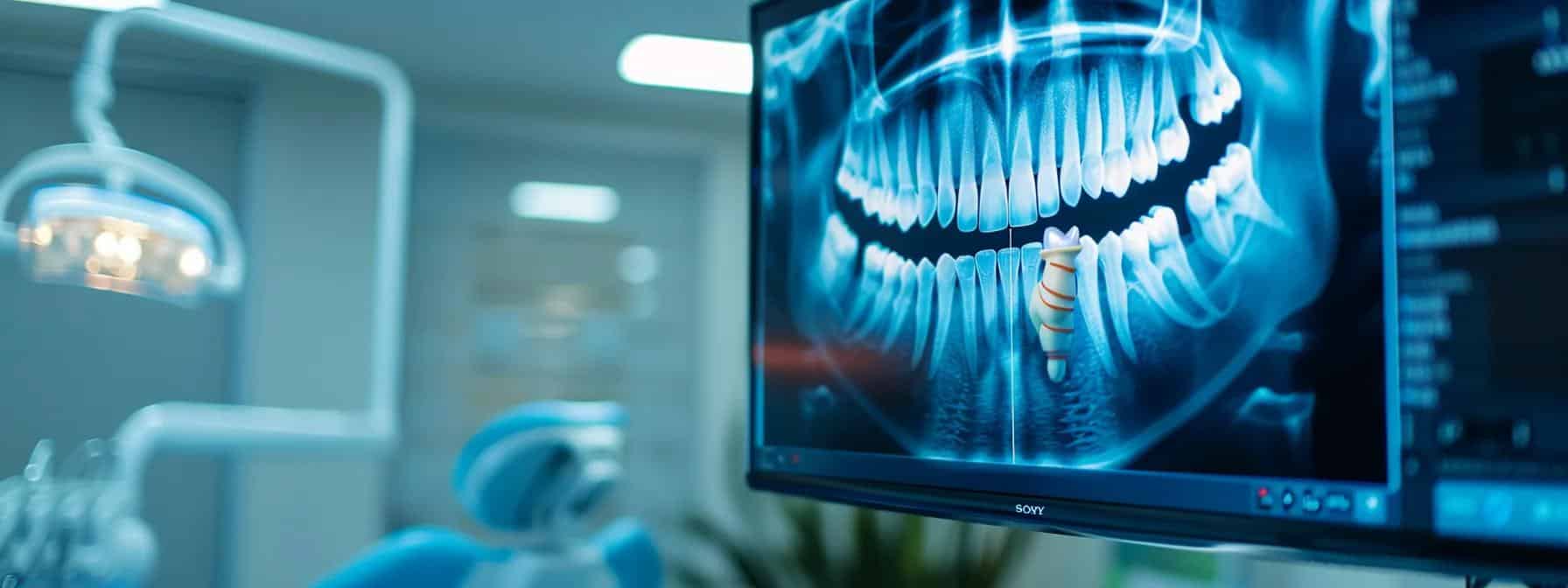
How Much Do Dental Implants Cost Per Tooth in Denton?
Get insights into dental implants pricing in Denton, including costs per tooth. This guide offers clarity on options to enhance your smile affordably.

1470+ Google reviews
New patients Welcome! Extended hours!

Get insights into dental implants pricing in Denton, including costs per tooth. This guide offers clarity on options to enhance your smile affordably.

Uncover the hidden costs of dental implants in Denton. Learn to navigate financial surprises and make informed choices for a confident smile and budget.

Considering dental implants in Denton? Learn about the balance between quality and cost to make an informed decision for oral health and lasting smiles.

Meta Description: “Understand the factors influencing dental implant costs in Denton. Learn how to balance quality and affordability for a perfect smile today.

Maximize your dental care choices with insights on insurance coverage for implants and dentures in Denton. Find the best options for your needs today!

Learn about insurance coverage for dental implants in Denton and how patients can maximize their benefits. Make informed decisions for a healthy smile today.

Learn about affordable dental implants in Denton. Understand the cost, benefits, and options available to enhance your smile without breaking the bank.

Get insights into dental implants costs in Denton and compare options. This guide helps patients make informed decisions for their dental health and budget.

Find cost-effective dental implants in Denton today. Receive expert care that restores smiles without breaking the bank. Quality dental solutions await!

Unveil the true costs of dental implants in Denton. This guide helps residents compare prices and services for a confident smile transformation.
The cost of dental implants can vary significantly based on various factors, including location, the complexity of the case, and the type of implant chosen. On average, a single dental implant can cost between $3,000 and $4,500, which typically includes the implant itself, the abutment, and the crown. Patients should also consider potential additional costs such as consultations, diagnostic imaging, and any necessary preparatory procedures, such as extractions or bone grafting, which may influence the overall price.
While the initial investment for dental implants may seem high, many patients find that they are ultimately cost-effective compared to other tooth replacement options. Unlike dentures or bridges, which may need periodic replacement and adjustments, dental implants can last a lifetime with proper care. This durability can translate to long-term savings and enhanced quality of life, making dental implants a wise investment for many people seeking to restore their smiles.
Post-operative care is critical in ensuring the success of dental implants. After the procedure, patients may experience some swelling, tenderness, or discomfort, which can usually be managed with prescribed or over-the-counter pain relievers. It is essential to follow your dentist's instructions regarding oral hygiene to prevent infection and promote healing, including gentle brushing and rinsing with a saline solution.
Additionally, diet plays a crucial role in recovery. Patients are typically advised to eat soft foods and avoid hard or crunchy items for a few days post-surgery. Adequate hydration and balanced nutrition will support the healing process, while regular follow-up appointments with your dentist will help monitor the implant's integration with the bone and surrounding tissues, ensuring everything is progressing as it should.
Long-term maintenance is essential to ensure the longevity and health of dental implants. Regular dental check-ups and cleanings are vital, as they allow your dentist to monitor implant health and address any potential concerns early. During these visits, professional cleaning beyond regular brushing can help prevent peri-implantitis, a condition similar to gum disease that can affect the tissues around the implant.
In addition to professional care, maintaining a stringent oral hygiene routine at home is crucial for implant maintenance. This includes brushing twice daily with a soft toothbrush and using non-abrasive toothpaste, as well as flossing and utilizing interdental brushes for hard-to-reach areas. By consistently following these maintenance practices, patients can significantly extend the life of their implants and enjoy the benefits of a restored smile for years to come.