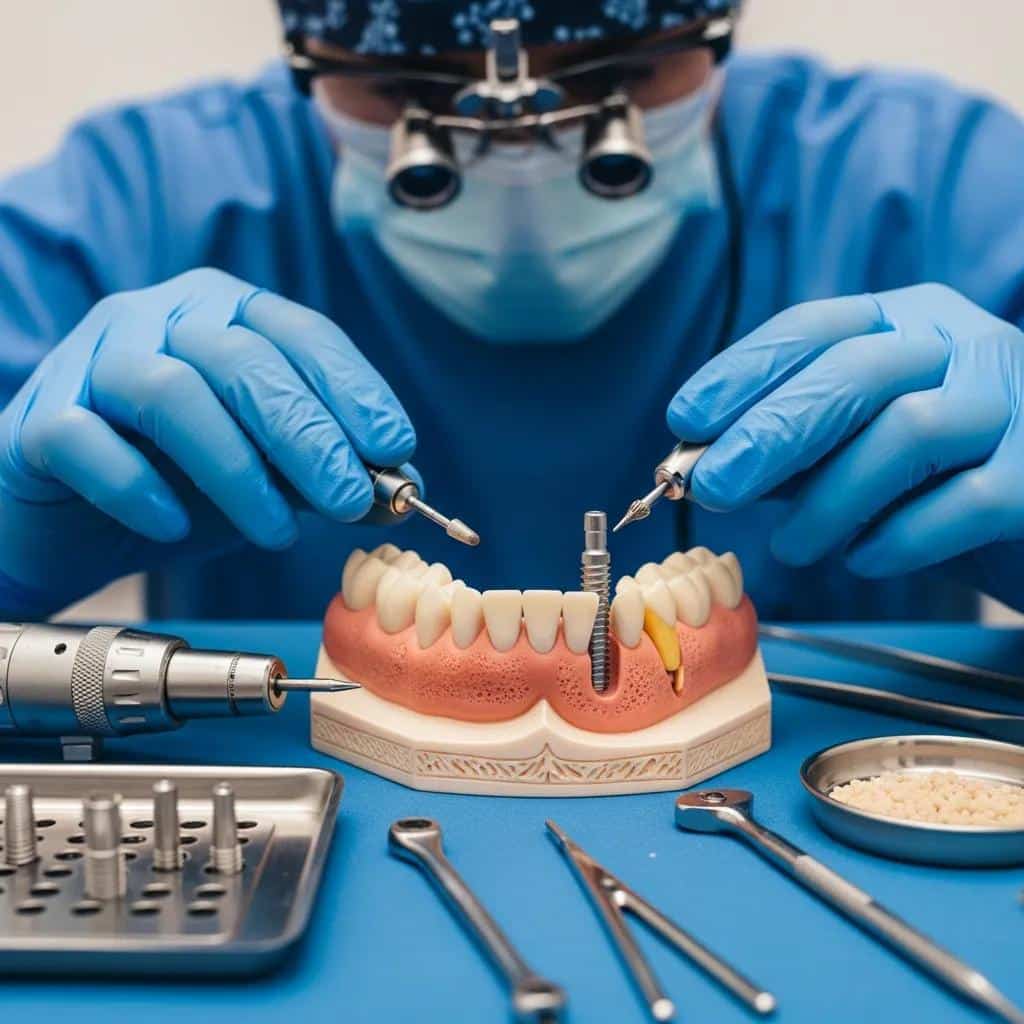
Choosing Between Mini and Traditional Dental Implants: Pros and Cons You Need to Know
When considering tooth replacement options, many individuals find themselves weighing the benefits and drawbacks of mini and traditional dental implants. Understanding the differences between these two types of implants is crucial for making an informed decision that aligns with your dental health needs and lifestyle. This article will explore the mechanisms, advantages, and limitations of both mini and traditional dental implants, providing a comprehensive overview to help you choose the best option for your situation. We will also discuss cost considerations and recovery times, which are essential factors in the decision-making process.
What Are Mini and Traditional Dental Implants?
Mini dental implants are smaller versions of traditional implants, designed to provide a less invasive option for tooth replacement. They typically have a diameter of less than 3mm, making them suitable for patients with limited bone density or those who prefer a quicker procedure. Traditional dental implants, on the other hand, are larger and require more extensive surgical procedures, including bone grafting in some cases. Both types serve the same fundamental purpose: to replace missing teeth and restore functionality.
How Do Mini Dental Implants Work?
Mini dental implants work by being inserted directly into the jawbone, where they fuse with the bone over time through a process called osseointegration. This integration provides a stable foundation for the replacement tooth or crown. The procedure is generally less invasive than traditional implants, often requiring only local anesthesia and a shorter recovery time. Patients can expect to have their new teeth placed on the same day as the implant procedure, which is a significant advantage for those seeking immediate results.
What Defines Traditional Dental Implants?
Traditional dental implants consist of a titanium post that is surgically placed into the jawbone, serving as a root for the replacement tooth. The process involves multiple stages, including the initial surgery, healing period, and placement of the crown. This method is well-established and has a high success rate, making it a popular choice for many patients. However, the procedure can be more time-consuming and may require additional treatments, such as bone grafting, to ensure adequate support for the implant.
What Are the Pros and Cons of Mini Dental Implants?
Mini dental implants offer several advantages, but they also come with certain limitations. Here are the key pros and cons:
Pros of Mini Dental Implants
Less Invasive Procedure: The smaller size of mini implants allows for a less invasive surgical process, often resulting in less discomfort and a quicker recovery.
Immediate Placement: Many patients can receive their crowns on the same day as the implant placement, providing immediate results.
Cost-Effective: Mini implants are generally less expensive than traditional implants, making them an attractive option for those on a budget.
Cons of Mini Dental Implants
Potential for Less Stability: Due to their smaller size, mini implants may not provide the same level of stability as traditional implants, especially in cases of significant bone loss.
Not Suitable for All Patients: Some patients may not be ideal candidates for mini implants, particularly those requiring extensive tooth replacement.
Long-Term Durability Concerns: While mini implants can be effective, their long-term durability compared to traditional implants is still a subject of ongoing research.
Indeed, the long-term success and stability of mini dental implants, particularly concerning their integration with bone, remain an active area of scientific investigation.
Osseointegration Comparison: Mini vs. Standard Dental Implants
Mini dental implants (MDIs) are becoming increasingly popular for rehabilitation of edentulous patients because of their several advantages. However, there is a lack of evidence on the osseointegration potential of the MDIs. The objective of the study was to histomorphometrically evaluate and compare bone apposition on the surface of MDIs and standard implants in a rabbit model.
Osseointegration of standard and mini dental implants: a histomorphometric comparison, JS Dhaliwal, 2017
For those considering mini dental implants, Affordable Dentist Near Me offers a range of affordable dental services to help you achieve your desired smile without breaking the bank.
What Are the Key Benefits of Mini Dental Implants?
The key benefits of mini dental implants include:
Affordability: Mini implants are often more budget-friendly than traditional options, making them accessible to a wider range of patients.
Less Invasive Procedure: The smaller size means less surgical trauma, which can lead to a more comfortable experience and faster healing.
Faster Recovery Time: Many patients experience quicker recovery times, allowing them to return to their daily activities sooner.
What Are the Limitations of Mini Dental Implants?
While mini dental implants have their advantages, they also come with limitations:
Potential for Less Stability: Their smaller size may not provide the same anchorage as traditional implants, particularly in patients with significant bone loss.
Not Suitable for All Patients: Some individuals may require traditional implants due to specific dental needs or conditions.
Long-Term Durability Concerns: Ongoing studies are needed to fully understand the long-term success rates of mini implants compared to traditional options.
What Are the Benefits and Drawbacks of Traditional Dental Implants?
Traditional dental implants are a well-established solution for tooth replacement, offering several benefits and drawbacks.
Pros of Traditional Dental Implants
Long-Term Stability: Traditional implants provide a strong and stable foundation for replacement teeth, making them suitable for various dental conditions.
Versatility: They can be used in a wide range of cases, including single tooth replacements and full arch restorations.
Established Success Rates: Traditional implants have a long history of success, with many studies supporting their effectiveness.
Cons of Traditional Dental Implants
Invasive Procedure: The surgical process is more invasive, often requiring multiple visits and a longer recovery time.
Higher Cost: Traditional implants tend to be more expensive than mini implants, which can be a barrier for some patients.
Potential for Complications: As with any surgical procedure, there are risks involved, including infection and implant failure.
Why Choose Traditional Dental Implants?
Choosing traditional dental implants can be beneficial for several reasons:
Long-Term Stability: They provide a robust solution for tooth replacement, particularly for patients with significant bone density.
Suitability for Various Cases: Traditional implants can accommodate a wide range of dental needs, from single tooth replacements to full arch restorations.
Patient Testimonials: Many patients report high satisfaction rates with traditional implants, citing improved quality of life and functionality.
What Are the Challenges with Traditional Dental Implants?
Despite their benefits, traditional dental implants come with challenges:
Surgical Risks: The invasive nature of the procedure carries risks, including infection and complications during surgery.
Longer Recovery Time: Patients may experience a longer healing period compared to mini implants, which can be inconvenient.
Cost Considerations: The higher cost of traditional implants may deter some patients from pursuing this option.
How Do Mini and Traditional Dental Implants Compare on Cost and Recovery?
When comparing mini and traditional dental implants, cost and recovery times are critical factors to consider.
Implant Type
Average Cost
Recovery Time
Stability
Mini Implants
$500 – $1,200
24-48 hours
Moderate
Traditional Implants
$1,500 – $3,000
3-6 months
High
This table illustrates the differences in cost and recovery times between mini and traditional implants, helping patients make informed decisions based on their needs and budget.
What Is the Cost Difference Between Mini and Traditional Implants?
The cost difference between mini and traditional implants can be significant. Mini implants typically range from $500 to $1,200, while traditional implants can cost between $1,500 and $3,000. Factors affecting these costs include the complexity of the procedure, the materials used, and the specific dental practice.
How Do Recovery Times Differ Between Implant Types?
Recovery times also vary between mini and traditional implants. Mini implants often allow for a recovery period of just 24-48 hours, enabling patients to resume normal activities quickly. In contrast, traditional implants may require 3-6 months for full recovery, as the body needs time to heal and integrate the implant into the jawbone.