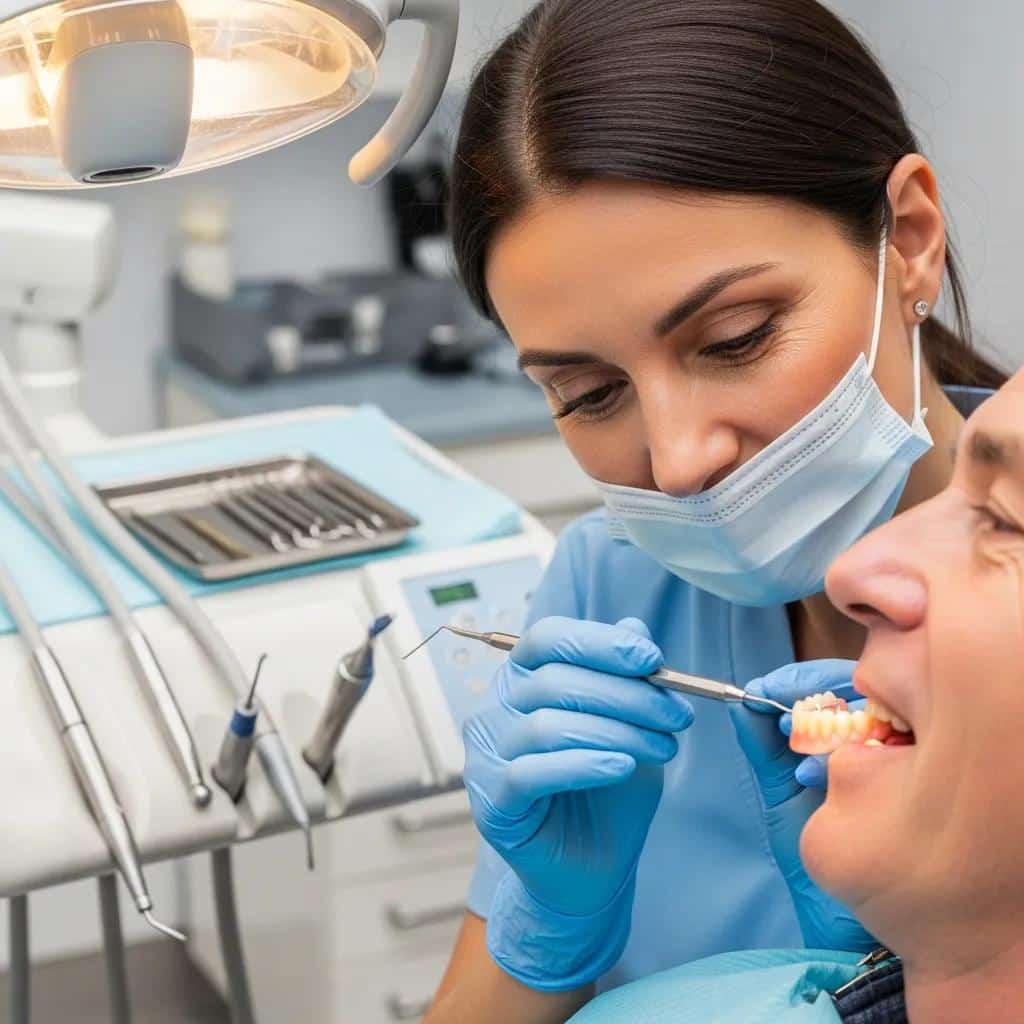
Comfort Levels Unveiled: What Patients Need to Know About Implants vs. Dentures
When considering dental solutions, patients often face the dilemma of choosing between dental implants and dentures. Understanding the comfort levels associated with each option is crucial for making an informed decision. This article delves into the key differences in comfort between dental implants and dentures, exploring factors such as pain management, recovery times, and material benefits. Many patients experience discomfort with traditional dentures, while dental implants offer a more stable and natural feel. We will cover various aspects, including the procedures involved, common patient concerns, and practical tips for enhancing comfort. By the end of this article, readers will have a comprehensive understanding of how to navigate their choices in dental care.
What Are the Key Comfort Differences Between Dental Implants and Dentures?
The comfort levels of dental implants and dentures differ significantly due to their design and functionality. Dental implants are surgically placed into the jawbone, providing a stable foundation that mimics the natural tooth root. This integration into the bone allows for a more secure fit, reducing the likelihood of movement or discomfort during daily activities. In contrast, dentures rest on the gums and can shift, leading to potential irritation and soreness.
Patients often report that dental implants feel more like natural teeth, enhancing their overall comfort and confidence. The materials used in implants, such as titanium, are biocompatible, which minimizes the risk of allergic reactions or discomfort. Conversely, dentures may require adjustments over time to maintain comfort, as the shape of the gums can change. Understanding these differences is essential for patients when considering their options for dental restoration.
How Does Implant Comfort Compare to Denture Comfort?
Implant comfort is generally superior to denture comfort for several reasons. First, dental implants provide a fixed solution that eliminates the need for adhesives or pastes, which can be uncomfortable and messy. Patients with implants often experience less gum irritation compared to those with dentures, which can cause sore spots due to friction.
Moreover, the stability of implants allows for a more natural bite force, enabling patients to enjoy a wider variety of foods without discomfort. In contrast, dentures can limit dietary choices, as certain foods may be difficult to chew or may cause the dentures to shift. Overall, the comfort provided by dental implants makes them a preferred choice for many patients seeking long-term solutions.
What Causes Pain or Discomfort with Implants and Dentures?
Pain or discomfort can arise from various sources when using either dental implants or dentures. For implants, discomfort may occur during the healing process following surgery, as the body adjusts to the new implant. This discomfort is typically manageable with prescribed pain relief and subsides as healing progresses.
On the other hand, dentures can cause discomfort due to poor fit, which may lead to sore gums or irritation. Additionally, the materials used in dentures can sometimes cause allergic reactions or sensitivity in certain patients. Regular adjustments and proper maintenance are crucial for minimizing discomfort associated with dentures. Understanding these pain sources can help patients better prepare for their dental journey.
How Does the Implant Procedure Affect Patient Comfort?
The dental implant procedure involves several steps, including initial consultation, implant placement, and healing time. During the placement, local anesthesia is used to ensure that patients experience minimal discomfort. Post-operative care is essential for managing any discomfort that may arise during the healing process.
Patients typically report that the discomfort associated with the implant procedure is less than that experienced with tooth extractions. The healing period can vary, but most patients find that their comfort improves significantly once the implants are fully integrated into the jawbone. This integration process can take several months, but the long-term comfort benefits of implants often outweigh the initial discomfort.
What Is the Typical Recovery Time After Dental Implant Surgery?
Recovery time after dental implant surgery varies depending on individual factors, but most patients can expect a healing period of 3-6 months for complete osseointegration. During this time, the implant fuses with the jawbone, a process known as osseointegration. Patients may experience some swelling and discomfort initially, but this typically subsides within a few days.
Following the initial healing phase, patients will return to their dentist for follow-up appointments to ensure proper healing and to discuss the next steps, such as placing the crown. Understanding the recovery timeline helps patients set realistic expectations and prepare for the post-operative care required to enhance comfort during healing.
How Do Implant Materials and Techniques Enhance Comfort?
The materials and techniques used in dental implants significantly contribute to patient comfort. Implants are commonly made from titanium, a material known for its strength and biocompatibility. This means that the body is less likely to reject the implant, leading to a more comfortable experience overall.
Innovative techniques, such as guided implant surgery, allow for precise placement of the implant, minimizing trauma to surrounding tissues. This precision reduces post-operative discomfort and enhances the overall success of the procedure. The combination of high-quality materials and advanced techniques ensures that patients experience optimal comfort throughout their dental implant journey.
Implant Material
Comfort Level
Biocompatibility
Longevity
Titanium
High
Excellent
10-15 years
Zirconia
Moderate
Good
5-10 years
Stainless Steel
Low
Fair
3-5 years
This table illustrates how different implant materials can affect comfort levels and longevity, helping patients make informed decisions about their dental care.
What Are Common Denture Adjustment Tips to Improve Comfort?
For patients using dentures, regular adjustments are essential for maintaining comfort. Here are some common tips to improve denture comfort:
Regular Check-ups: Schedule regular appointments with your dentist to ensure your dentures fit properly and to make necessary adjustments.
Use Adhesives Wisely: If using denture adhesives, apply them sparingly to avoid discomfort and ensure a secure fit.
Practice Good Oral Hygiene: Clean your dentures daily to prevent irritation and maintain oral health.
By following these tips, patients can enhance their comfort and enjoy a better experience with their dentures.
How Often Do Dentures Require Adjustments for Comfort?
Dentures typically require adjustments every 6-12 months, depending on individual factors such as changes in gum shape and bone density. As the mouth changes over time, the fit of dentures can become loose, leading to discomfort. Regular visits to the dentist for adjustments can help maintain a comfortable fit and prevent sore spots.
What Are Practical Tips for Managing Denture Pain and Soreness?
Managing denture pain and soreness is crucial for maintaining comfort. Here are some practical tips:
Soak Dentures Overnight: Soaking dentures in a cleaning solution overnight can help maintain their shape and comfort.
Use Warm Salt Water Rinses: Rinsing with warm salt water can soothe sore gums and reduce inflammation.
Avoid Hard Foods: Stick to softer foods until your gums adjust to the dentures to minimize discomfort.
These strategies can help patients manage discomfort and improve their overall experience with dentures.
How Do Costs and Payment Plans Influence Access to Comfortable Dental Solutions?
The cost of dental implants and dentures can significantly influence a patient’s decision. Dental implants tend to be more expensive upfront, but they offer long-term benefits and durability. Many dental practices provide flexible payment plans to make implants more accessible.
Understanding the financial aspects of dental care is essential for patients seeking comfortable solutions. By exploring various payment options, patients can find a solution that fits their budget while ensuring they receive the care they need.
What Affordable Dental Implant Options Are Available in Fort Worth?
In Fort Worth, several affordable dental implant options are available for patients seeking quality care. Many dental practices offer competitive pricing and financing options to help patients manage costs.
How Can Payment Plans Make Implants and Dentures More Accessible?
Payment plans can significantly enhance access to dental solutions by allowing patients to spread the cost over time. Many dental practices offer financing options that enable patients to receive necessary treatments without the burden of upfront costs. This flexibility can make dental implants and dentures more attainable for individuals who may otherwise delay treatment due to financial constraints.
What Do Patients Say About Comfort: Testimonials and Experiences?
Patient testimonials often highlight the comfort differences between implants and dentures. Many individuals who have transitioned from dentures to implants report a significant improvement in their quality of life. They frequently mention the enhanced stability and natural feel of implants, which allows them to eat and speak with confidence.
How Do Patient Stories Highlight Comfort Differences Between Implants and Dentures?
Patient stories provide valuable insights into the comfort differences between implants and dentures. Many patients express relief at the stability and comfort of implants compared to the shifting and irritation often experienced with dentures. These narratives underscore the importance of considering comfort when making dental decisions.
What Are Common Patient Concerns and How Are They Addressed?
Common patient concerns regarding dental implants and dentures include pain, cost, and the longevity of the solutions. Dentists address these concerns by providing thorough consultations, discussing the procedures in detail, and offering transparent pricing. Patients are encouraged to voice their concerns, allowing for tailored solutions that prioritize comfort and satisfaction.
What Are Frequently Asked Questions About Implant and Denture Comfort?
Patients often have questions about the comfort levels associated with implants and dentures. Here are some common inquiries:
Are dental implants painful?: Most patients report minimal discomfort during the procedure, with pain manageable through medication.
How long do dentures last?: Dentures typically last 5-10 years, but regular adjustments are necessary for comfort.
Can I eat normally with dentures?: While many patients adapt to eating with dentures, some may experience limitations compared to implants.
These FAQs help clarify common concerns and provide reassurance to patients considering their options.
Are Dentures Painful Initially and How Is Pain Managed?
Many patients experience some discomfort when first wearing dentures. This initial pain can be managed through proper fitting, regular adjustments, and the use of over-the-counter pain relief. Dentists often recommend a gradual adjustment period, allowing patients to acclimate to their new dentures comfortably.
A study further emphasizes the challenges patients face in adapting to new dentures, often requiring multiple adjustment visits to achieve comfort.
The first few days following the insertion of complete dentures are critical for the patients since they are struggling to adapt to their new dentures. This study aimed to evaluate the most common locations of traumatic ulcerations, their frequency and also the duration and number of adjustment visits required to achieve patient comfort fol-lowing placement of complete dentures.
Frequency of traumatic ulcerations and post-insertion adjustment recall visits in complete denture patients in an Iranian faculty of dentistry, K Sadr, 2011
What Are the Comfort Benefits of Implants Over Dentures?
The comfort benefits of dental implants over dentures are substantial. Implants provide a secure, stable solution that mimics the feel of natural teeth, allowing for a more enjoyable eating experience. Additionally, the reduced risk of gum irritation and the ability to maintain a natural bite force contribute to overall patient satisfaction. Many individuals find that the long-term comfort and functionality of implants far outweigh the initial investment, making them a worthwhile choice for dental restoration.