Dental Implants vs. Bridges: Understanding Healing Times and Recovery for Informed Tooth Replacement Decisions
The choice between dental implants and dental bridges hinges as much on healing time and recovery expectations as on cost and longevity, especially for patients in the 40–60 age range who often weigh bone health and lifestyle when deciding. This article explains the procedures, stage-by-stage healing timelines, and day-to-day recovery guidance so you can compare implant osseointegration, surgical aftercare, and the quicker adjustment periods typical of bridges. Readers will learn how factors such as bone grafting, smoking, diabetes, and medications influence outcomes, and how diet, activity, and return-to-work planning differ between options. The piece also compares long-term maintenance, replacement intervals, and realistic lifetime cost trade-offs to help prioritize either immediate recovery speed or long-term stability. Finally, local patients in Crowley, TX will find clear steps for scheduling a free consult at Affordable Dentist Near Me – Crowley, plus what to expect at that visit and how the practice supports patient comfort. Begin by understanding what a dental implant is and how its healing timeline progresses, then read the bridge comparison and practical recovery advice to determine what best fits your medical and lifestyle needs.
What Are Dental Implants and How Does Their Healing Timeline Progress?
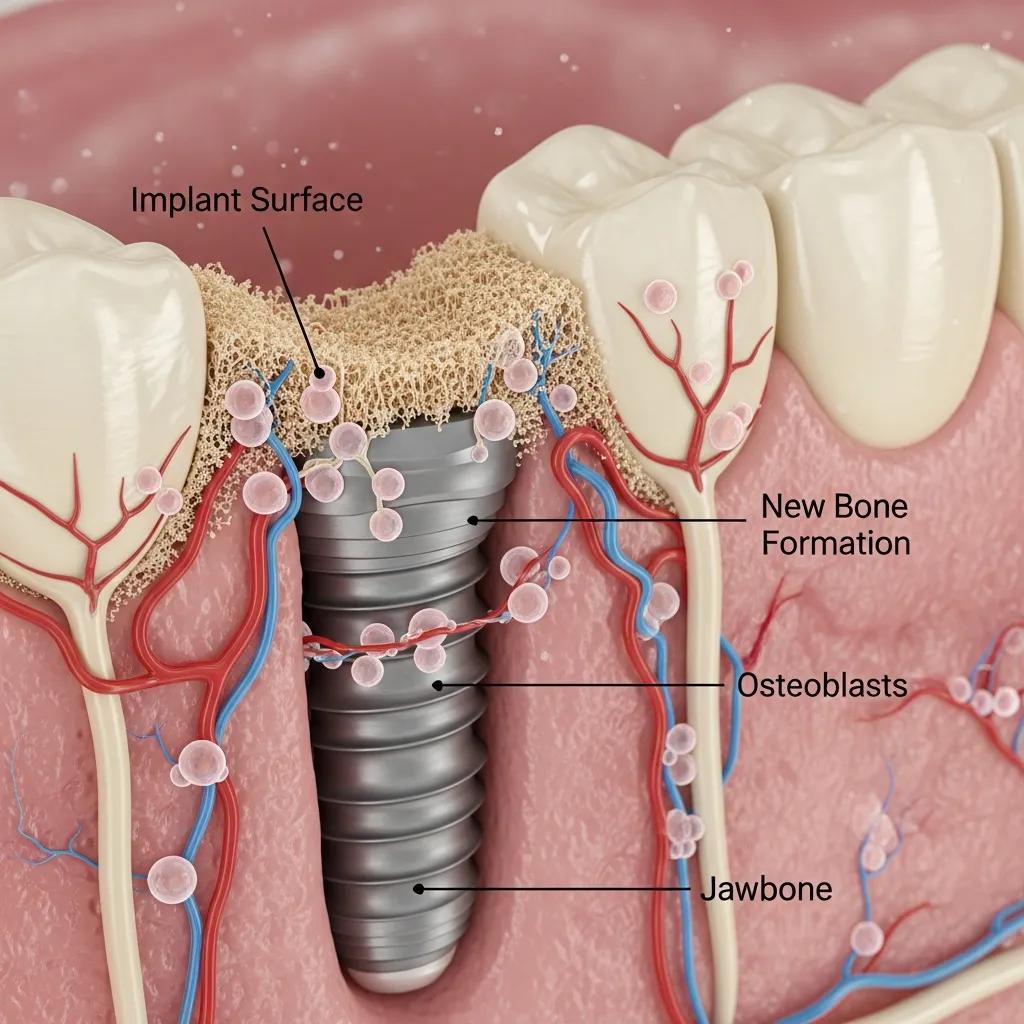
A dental implant is a tooth-replacement system consisting of an implant post (fixture) embedded in the jawbone, an abutment that connects the post to the prosthetic, and a crown that restores function and esthetics. Implants work by transmitting chewing forces into bone, which preserves jawbone volume through the biological process called osseointegration, where bone tissue fuses to the implant surface. The clinical value is twofold: implants can maintain adjacent tooth integrity and provide long-term stability, while their healing timeline requires staged care and patience during bone integration. Understanding the usual phases—initial surgical healing, osseointegration, and final restoration—helps patients plan work, diet, and follow-up visits. Below we break down the procedure and each recovery stage with practical self-care tips and expected timelines to set realistic expectations for healing and function.
What Is the Dental Implant Procedure and Initial Recovery Period?
The implant journey begins with pre-operative planning including imaging and medical review, followed by surgical placement of the titanium or zirconia implant into the jawbone under local anesthesia or sedation. Immediately after surgery patients commonly experience moderate swelling, bruising, and localized discomfort that peaks in 24–72 hours and eases with prescribed pain control, cold packs, and proper oral hygiene; minor bleeding or oozing in the first 24 hours is normal. Typical first-week care emphasizes soft foods, careful brushing around the surgical site, avoiding straws or smoking, and following any antibiotics or analgesics the clinician prescribes; red flags that require prompt contact include persistent heavy bleeding, fever, or increasing pain after initial improvement. For many single-tooth implants the visible mucosal wound heals within 7–14 days, allowing patients to resume most daily activities, though internal bone healing continues. This initial surgical recovery phase leads directly into osseointegration, the slower but critical stage that determines long-term implant success.
How Long Does Osseointegration Take and Why Is It Important?
Osseointegration is the biological process where bone cells grow onto and around the implant surface, forming a stable interface that bears chewing forces; it is the defining factor in implant longevity. For most healthy adults, osseointegration typically requires about 3–6 months in the jaw, though the mandible often integrates faster than the maxilla; factors that may extend this window include low jawbone density, prior tooth loss duration, smoking, uncontrolled diabetes, and the need for bone grafting. Clinically, adequate osseointegration is assessed by radiographic stability and lack of mobility—placing a crown too early risks failure, while waiting longer increases predictability in compromised bone. Recent clinical guidance emphasizes that pre-operative optimization—smoking cessation, glycemic control, and appropriate bone grafting—shortens complication risk and supports predictable osseointegration. Understanding these modifiers prepares patients for a staged timeline and clarifies why some treatment plans include provisional restorations or extended healing intervals to protect long-term outcomes.
Numerous factors can influence the success and timeline of osseointegration, making a thorough pre-operative assessment crucial for predictable outcomes.
Factors Affecting Osseointegration in Dental Implants
The purpose of this literature review is to collect the published data concerning factors affecting osseointegration. Popularity and large demand of dental implant makes this study essential because success of dental implant is directly related to the principle of osseointegration, a process of implant-bone interaction that finally leads to bone-implant anchorage.To identify relevant literature an electronic search was performed using term osseointegration and dental implant on PubMed central. Titles and abstracts were screened and articles that fulfilled the inclusion criteria were selected for full text reading. Review of selected articles enabled us to enlist various factors which have significant effects on osseointegration either by enhancing or inhibiting it. Based on the review literature, it is concluded that there are factors which when considered may increase osseointegration which in turn will increase success of dental implant and some factors play an inhibiting role
Contemporary concepts in osseointegration of dental implants: a review, D Rokaya, 2022
When Is the Final Restoration Completed After a Dental Implant?
The final restorative phase begins once the implant is clinically and radiographically stable, at which point the abutment is placed and impressions (or digital scans) are taken for a custom crown; this final crown may be placed anywhere from three months to a year after implant placement depending on individual healing. Temporary restorations can provide esthetics and limited function during the osseointegration period, but they are designed to minimize load on the healing implant while allowing patients to eat softer foods and maintain appearance. The final crown material and occlusal design are chosen to balance esthetics and force distribution, and patients receive instructions for long-term maintenance including meticulous oral hygiene and periodic professional check-ups. After crown delivery most patients report a brief adaptation period for bite and speech, followed by restoration of normal chewing function within days to weeks. Proper timing of the final restoration is the culmination of the implant timeline and directly determines the prosthesis’s longevity and how quickly you can resume full dietary habits.
How Does Dental Bridge Recovery Compare to Implants?
A dental bridge replaces missing teeth by anchoring a pontic (replacement tooth) to prepared adjacent teeth or a metal framework, and its recovery focuses on soft-tissue adaptation and bite adjustment rather than bone integration. Bridges are typically completed in fewer visits and the initial healing period centers on sensitivity and gum settling after tooth preparation rather than surgical wound healing, so patients commonly return to normal activities faster compared with implants. The trade-off is that bridge procedures permanently alter abutment teeth through reduction and bonding, and they do not prevent long-term bone resorption at the missing tooth site. Below we outline the bridge workflow, expected early sensations, and why many patients choose bridges when a quicker recovery or medical constraints make surgery less suitable.
What Is the Dental Bridge Procedure and Initial Healing Time?
The bridge workflow usually involves preparing the abutment teeth by removing enamel to create space for crowns, taking impressions for a lab-fabricated bridge, placing a temporary prosthesis, and finally cementing the permanent bridge at a subsequent visit. Immediate post-preparation symptoms commonly include sensitivity to hot or cold, mild tenderness of the gums, and minor discomfort that typically resolves within 1–2 weeks as the soft tissues adapt and the final restoration is seated. Care instructions emphasize gentle brushing around margins, avoiding very hard or sticky foods for the first few days, and contacting the dentist if bite or sensitivity persists beyond two weeks. Most patients can manage initial discomfort with over-the-counter analgesics and return to work within 24–48 hours, making bridges attractive for those needing minimal downtime. Understanding this quicker early recovery clarifies why bridges are often chosen for time-sensitive cases despite their long-term trade-offs.
How Long Is the Adjustment Period After Getting a Dental Bridge?
After cementation, bridges require an adjustment period for the patient to acclimate to the new contours, occlusion, and sensation of the pontic, with most people reporting improved comfort and function over 1–4 weeks. Bite discrepancies or interference may necessitate follow-up adjustment visits, as small occlusal corrections help prevent sore spots, looseness, or accelerated wear on abutment teeth. Good oral hygiene is essential during this phase to prevent decay at the margins and to maintain gum health around the bridge; flossing under the pontic using specialized floss or interdental brushes is often taught during the follow-up. If abutment teeth were heavily prepared, patients should monitor for prolonged sensitivity or pain that might indicate pulp inflammation, which sometimes requires additional treatment. The bridge adjustment period therefore focuses on bite refinement and soft-tissue health, and unlike implants it does not require months of bone healing.
What Are the Key Differences in Healing Times and Recovery Between Implants and Bridges?
When comparing implants and bridges, the most salient differences are timeline length, invasiveness, effects on adjacent teeth and bone, and the nature of post-procedure restrictions; implants require surgical healing and months of osseointegration, whereas bridges demand a shorter soft-tissue adjustment and earlier return to function. Pain and swelling profiles differ: implants typically produce more post-op swelling and require surgical aftercare, while bridge patients often experience sensitivity and temporary gum discomfort after tooth preparation. Dietary restrictions are more conservative following implant surgery—soft diet initially and staged progression—while bridge patients can usually eat sooner but must avoid excessive force on newly prepared abutments. The choice balances immediate recovery speed against long-term bone preservation and maintenance needs, and patient-specific factors (bone quality, systemic health, smoking status) should guide which recovery profile is acceptable. To make this comparison clearer, the following table contrasts typical healing stages, durations, pain levels, and return-to-activity timelines for implants versus bridges.
Before the table, here is a brief explanation: the table summarizes typical clinical expectations for a single-tooth implant versus a traditional fixed bridge, focusing on the primary healing phases and patient experience during recovery.
Treatment Stage
Dental Implant (Typical)
Dental Bridge (Typical)
Initial healing (soft tissue)
7–14 days; surgical site swelling and discomfort moderate
3–7 days; sensitivity and gum settling mild
Osseointegration / internal healing
3–6 months (may be longer if grafting needed)
Not applicable (no bone integration)
Final restoration timing
3–12+ months depending on integration and grafts
2–6 weeks from first visit
Pain level
Moderate initially, controlled with meds; some swelling
Mild to moderate sensitivity, minimal swelling
Return to normal eating
Gradual over weeks to months; soft diet initially
Most normal foods within 1–2 weeks with care
Impact on adjacent teeth
Preserves adjacent teeth; maintains bone
Requires reduction of abutment teeth; risk to tooth vitality
How Do Healing Durations and Patient Comfort Differ?
Patients commonly report a more intense early discomfort period after implant surgery than after bridge preparation because implants involve incisions, sutures, and deeper tissue manipulation, producing more swelling and a need for analgesics. That said, modern sedation dentistry options and local anesthesia protocols significantly reduce intraoperative anxiety and immediate post-op pain, and experienced teams can tailor pain management to patient needs. Bridge procedures cause less swelling but may result in heightened tooth sensitivity and short-term chewing discomfort as patients adapt to altered enamel contours and new occlusal contacts. Over the medium term, implants typically provide a more natural, stable comfort once osseointegration and final restoration are complete, whereas bridges may require replacement or adjustments over the years that affect comfort intermittently. Understanding these differential comfort trajectories helps patients choose a path aligned with their pain tolerance, work schedule, and long-term expectations.
What Are the Dietary and Activity Restrictions During Recovery?
Dietary guidance after an implant usually starts with clear liquids and progresses to soft foods for the first week, avoiding nuts, hard candies, or chewy meats that risk disturbing the surgical site; patients are advised to return gradually to a normal diet as swelling subsides and osseointegration progresses. Bridge recovery focuses on avoiding hard, sticky, or abrasive foods for several days to protect temporary restorations and cementation margins, while encouraging thorough but gentle oral hygiene to prevent plaque accumulation. Activity-wise, implant patients should avoid strenuous exercise for at least 48–72 hours to minimize bleeding and swelling risk, whereas bridge patients can typically resume most normal activities sooner. Both treatments require continued avoidance of tobacco during early healing because smoking impairs tissue healing and osseointegration; this shared restriction is a major factor influencing outcomes. Practical meal examples and a staged timeline can help integrate these restrictions into return-to-work or travel planning.
Common soft foods recommended initially for implant recovery:
Mashed potatoes and purees: provide calories without chewing strain.
Yogurt and smoothies: nutrient-dense and gentle on tissues.
Soft-cooked eggs and oats: protein-rich and easy to eat.
In summary, dietary and activity restrictions differ mainly in duration and underlying risk: implants need longer protection for bone integration, while bridges need shorter-term care focused on the restoration margins and adjacent teeth. The next section explores broader pros and cons tying healing trajectories to longevity.
What Are the Pros and Cons of Dental Implants and Bridges Regarding Healing and Longevity?
Both implants and bridges offer predictable tooth replacement, but they present different trade-offs between healing burden, long-term maintenance, and effects on oral structures; implants preserve bone and often last decades, while bridges require less initial downtime but may need replacement more frequently and can compromise abutment teeth. When weighing pros and cons consider not only immediate recovery but also lifetime maintenance, risk to adjacent teeth, and the potential need for future interventions such as grafting or abutment tooth treatment. The sections below list the benefits and drawbacks of each option with a focus on healing implications and expected lifespan so patients can map short-term recovery costs against long-term oral health outcomes.
What Are the Benefits and Drawbacks of Dental Implants?
Dental implants offer substantial benefits including bone preservation through load transmission, high long-term survival rates, and the ability to restore function without altering neighboring teeth. Their drawbacks are primarily the surgical nature of placement—which necessitates an initial recovery phase with swelling, discomfort, and a multi-month integration period—and the potential need for bone grafting that lengthens treatment. Implants generally deliver excellent longevity when maintained—many can last 20 years or more and in many cases function for life—so the longer, more involved healing process can be justified by reduced replacement frequency and less impact on adjacent dentition. Cost and surgical candidacy are practical considerations, and patients with compromised systemic health or insufficient bone may require preparatory steps that extend both healing time and overall treatment duration. Understanding this benefit-drawback profile helps patients prioritize whether a longer healing pathway aligns with their long-term goals.
What Are the Benefits and Drawbacks of Dental Bridges?
Bridges provide a faster route to functional and esthetic tooth replacement, often completed in weeks with a shorter initial recovery and minimal swelling compared with implants. Drawbacks include irreversible preparation of abutment teeth, which can increase the risk of decay or pulp involvement over time, and the absence of stimulation to the underlying bone leading to gradual bone loss at the edentulous site. Typical bridge lifespan ranges from about 10–15 years depending on oral hygiene and occlusal forces, meaning eventual replacement is likely and cumulative costs may rise. For patients seeking minimal downtime or those medically unfit for surgery, bridges are a practical alternative, but prospective patients should weigh the quicker recovery against potential long-term effects on adjacent teeth and bone. The next section quantifies cost comparisons to make the economic impact of these healing and longevity differences clearer.
How Do Costs Compare Between Dental Implants and Bridges Over Time?
Cost comparisons must include upfront fees, expected lifespan, replacement cycles, and indirect costs such as treatment of abutment teeth or grafting procedures; implants typically have higher initial costs due to surgery and component parts but can be more economical per year over their extended lifespan. Bridges usually present lower initial expenses but often require replacement and may generate additional costs if abutment teeth need endodontic or restorative care. Below we provide an EAV-style table to compare the main cost attributes for short-term and long-term perspectives and explain how financing and insurance considerations can influence patient decisions.
The following table compares upfront cost components, lifespan, and how replacement intervals affect long-term investment for a single-tooth implant versus a traditional fixed bridge.
Cost Element
Dental Implant (Upfront)
Dental Implant (Long-term)
Major components
Surgery, implant post, abutment, crown, possible graft
Low replacement frequency; maintenance visits
Typical lifespan
Higher initial investment
20+ years or longer with care
Replacement interval
Rare; may need crown replacement sooner
Rare implant loss but crown wear possible
Long-term cost drivers
Grafting, peri-implant maintenance
Minimal if stable; periodic restoration work
Cost Element
Dental Bridge (Upfront)
Dental Bridge (Long-term)
Major components
Preparation, provisional, lab bridge, cementation
Periodic replacement of bridge every 10–15 years
Typical lifespan
Lower initial cost
Replacement cycles increase cumulative cost
Replacement interval
Average 10–15 years
Potential indirect costs to abutment teeth
Long-term cost drivers
Abutment tooth treatments, decay, bridge repair
Increased cumulative spend over decades
What Are the Upfront and Long-Term Costs of Dental Implants?
Upfront implant costs include surgical fees, the implant fixture, abutment, crown, imaging, and any bone grafting or sinus lift if needed; these elements combine to a higher initial outlay compared with a bridge. Long-term financial value for implants comes from fewer replacements, bone preservation that avoids future reconstructive procedures, and stable function that reduces indirect dental expenses. Financing options and phased treatment scheduling can spread costs over time, and when framed as cost-per-year, implants often compare favorably to repeated bridge replacements. Patients should request an itemized treatment plan during their consult to understand specific component pricing and projected long-term maintenance needs that influence lifetime cost.
How Do Dental Bridge Costs and Replacement Needs Affect Overall Investment?
Bridge costs center on laboratory fees for the restoration, the clinician’s preparation and cementation work, and any provisional restorations; because bridges generally need replacement every decade or so, cumulative costs over a patient’s lifetime can approach or exceed implant expenses depending on replacement frequency and abutment tooth treatments. Indirect costs—such as root canal therapy or crown placement on abutment teeth—can increase total investment after initial placement. For patients prioritizing immediate affordability, bridges are often attractive, but those considering long-term value should factor expected replacement cycles and potential restorative work on adjacent teeth into lifetime cost modeling. The following section helps identify candidates whose healing and recovery profiles make implants or bridges more suitable.
Who Is a Good Candidate for Dental Implants or Bridges Based on Healing and Recovery Factors?
Suitability depends on age, jawbone density, systemic health, medication use, smoking status, and urgency for function restoration; implants favor patients with adequate bone and controlled medical conditions, while bridges are often chosen when surgery is contraindicated or when quicker recovery is essential. Patient lifestyle and priorities—such as desire to preserve adjacent teeth or willingness to undergo staged surgical care—should guide the decision. Below we provide a clinical EAV-style table linking patient factors to their effect on healing and the resulting treatment implications, and then describe common profiles that lead clinicians to recommend implants or bridges.
Patient Factor
Effect on Healing
Clinical Implication
Bone density (jawbone)
Low density slows osseointegration; may require grafts
May need grafting or choose a bridge if grafting contraindicated
Smoking
Impairs blood flow and bone healing
Increased implant failure risk; strong counseling to quit
Diabetes (poorly controlled)
Delays wound healing and raises infection risk
Optimize control before implant; consider bridge if not controlled
Medications (bisphosphonates)
Can alter bone remodeling and healing
Detailed evaluation; alternative restorations may be preferred
Age (40–60 focus)
Age-related bone loss varies; many healthy candidates
Evaluate bone levels; many in this age group eligible for implants
How Do Age, Bone Health, and Medical Conditions Affect Implant Healing?
Age itself is not a contraindication, but age-related reduction in jawbone density can prolong osseointegration or necessitate bone grafting to create a stable foundation for an implant. Systemic conditions like uncontrolled diabetes or autoimmune disorders can impair wound healing and raise infection risk, so clinicians typically require medical optimization prior to implant surgery to reduce complications. Smoking is a well-documented modifier that diminishes blood flow and bone healing capacity, significantly increasing the risk of implant failure and suggesting either smoking cessation or alternative treatments. Certain medications that affect bone remodeling require careful evaluation because they may alter integration dynamics; in these cases, collaboration with the patient’s physician is essential to mitigate risks. Pre-treatment imaging and a thorough medical history are therefore critical to tailor a timeline and plan that supports successful implant healing.
When Are Dental Bridges a Better Option for Recovery and Suitability?
Bridges may be recommended when patients have insufficient bone and are unwilling or medically unable to undergo grafting or surgery, when rapid restoration of chewing function is a priority, or when cost and a shorter timeline are decisive factors. Patients with complex medical histories, bleeding disorders, or those on medications that compromise bone health sometimes benefit from the non-surgical route a bridge provides, accepting the trade-offs to adjacent teeth. Additionally, bridges can serve as an interim solution while medical conditions are optimized for a future implant plan, providing function and esthetics without surgical healing demands. Understanding these scenarios allows patients to make pragmatic choices that align recovery tolerance with overall oral-health strategy.
How Can Patients in Crowley, TX Schedule a Free Consultation to Discuss Implants and Bridges?
Affordable Dentist Near Me – Crowley offers a free consultation for implant candidates and new patients to evaluate suitability and outline treatment timelines, making it straightforward for Crowley residents to compare options without upfront planning costs. During this consult the clinical team reviews medical history, performs an oral exam, takes necessary imaging to assess bone volume, and discusses recovery expectations for implants versus bridges so patients leave with a clear, personalized plan. The practice emphasizes affordability, sedation dentistry options for comfort, and an experienced dental team working in a modern facility that fabricates or coordinates custom prosthetics—features designed to reduce anxiety and streamline the healing pathway. To schedule, patients can contact Affordable Dentist Near Me – Crowley through the practice’s scheduling channels noted locally; the consult is designed to answer recovery timeline questions and produce a clear next-step estimate.
What Should Patients Expect During a Free Dental Implant or Bridge Consult?
A typical free consult begins with a review of medical history and medications that may affect healing, followed by a focused oral exam and any imaging needed to evaluate bone quality and adjacent teeth. The clinician will explain procedural steps, likely timelines for initial healing and, in the case of implants, osseointegration expectations, as well as discuss anesthesia or sedation options that may improve intraoperative comfort and early recovery. Patients should expect to receive a preliminary treatment plan, estimated cost range, and a recommended schedule for restorative phases or any preparatory grafting—plus time for questions about diet, activity restrictions, and return-to-work planning. Bringing a list of medications and relevant medical records accelerates the consult and helps the team provide tailored, practical recovery guidance.
How Does Affordable Dentist Near Me – Crowley Ensure Patient Comfort During Treatment?
Affordable Dentist Near Me – Crowley offers sedation dentistry options and employs an experienced dental team to manage patient comfort during both surgical and restorative appointments, decreasing intraoperative anxiety and improving immediate post-op experiences. The state-of-the-art facility supports precise implant placement and fabrication of custom appliances, which can reduce adjustment needs and shorten the number of follow-up visits during recovery. Staff are trained to provide clear post-op instructions, coordinate pain management strategies, and schedule follow-up checks to monitor healing progress—practices that reduce complication risk and smooth the recovery timeline. These comfort-focused features make it easier for patients to proceed with the optimal tooth-replacement option while minimizing stress related to healing and recovery.
For those seeking dental care beyond Crowley, Affordable Dentist Near Me also serves patients in other communities. Residents in nearby areas like Fort Worth can access the same quality dental care and specialized treatments for implants and bridges.
What Are the Most Common Patient Questions About Healing and Recovery for Implants vs. Bridges?
Which Lasts Longer: Dental Implants or Bridges?
Dental implants generally outlast bridges, often functioning for 20 years or more and in many cases providing lifetime service if well maintained, because implants become integrated with the bone and do not rely on neighboring teeth for support. Bridges typically last around 10–15 years depending on hygiene, wear, and the health of abutment teeth, so they usually require replacement during a patient’s lifetime. Longevity depends on factors such as oral hygiene, occlusal forces, systemic health, and regular dental care; implants’ bone-preserving effect helps explain their superior long-term durability. For patients prioritizing lifespan and reduced replacement frequency, implants are often the preferred long-term investment.
Is One Procedure More Painful or Invasive Than the Other?
Implant placement is more invasive than bridge preparation because it involves surgical access to bone, sutures, and a healing phase that can include swelling and discomfort; however, modern anesthesia and sedation options substantially mitigate intraoperative pain and immediate anxiety. Bridge preparation is less invasive surgically but involves irreversible reduction of neighboring teeth and can lead to postoperative sensitivity; overall, bridge-related discomfort is typically shorter in duration. Pain management strategies—such as prescription or over-the-counter analgesics, cold therapy for implants, and topical desensitizers for bridges—effectively control symptoms in most patients. Patient preference for minimally invasive treatment or tolerance for a surgical recovery period should inform the decision.
How Long Is Recovery After Each Procedure?
Recovery timelines differ: implant surgery has an initial soft-tissue healing period of about 7–14 days followed by 3–6 months of osseointegration before final restoration, while bridge procedures usually involve a 3–14 day soft-tissue adjustment period and final cementation within a few weeks. Return to normal activities after implant surgery typically takes several days for most work-related tasks, with strenuous activity limited for 48–72 hours and dietary progression over weeks; bridge patients often resume normal activity within 24–48 hours, with bite adjustments over the following weeks. Individual factors such as job demands, systemic health, and whether grafting was needed will influence these timelines, so personalizing recovery plans during a consult is essential.
Does a Dental Bridge Affect Healthy Adjacent Teeth?
Yes—preparing abutment teeth for a bridge requires removing enamel and sometimes dentin, which can compromise tooth structure and increase the risk of decay, sensitivity, or eventual root canal therapy in some cases. Because bridges transmit functional forces to abutment teeth, uneven occlusal loads can accelerate wear or cause periodontal stress if margins are not well maintained. Implants avoid this issue by replacing the tooth independently and thereby preserving adjacent tooth integrity, though implants introduce different risks related to surgical healing and peri-implant tissue maintenance. Patients should weigh the immediate savings and shorter recovery of a bridge against the potential long-term impact on neighboring teeth when making a decision.
Key patient considerations when comparing implants and bridges:
Healing tolerance: Are you willing to undergo a surgical recovery for a potentially longer-lasting result?
Bone condition: Do imaging and clinical assessment show sufficient bone for implant integration?
Adjacent teeth: Are neighboring teeth healthy and suitable to act as bridge abutments without undue risk?
These concise answers aim to clarify common concerns and encourage patients to use a free consultation to review their personal medical history, imaging, and lifestyle priorities before choosing a treatment path.
Schedule a free consult with Affordable Dentist Near Me – Crowley to discuss individualized healing timelines and treatment planning.
Prepare medical information such as current medications and relevant health records to speed accurate assessment during your consult.
Understand recovery planning: discuss diet, activity restrictions, and sedation or comfort options with the clinical team beforehand.