Comparing Dental Implants and Crowns Longevity: Key Factors Affecting Durability and Patient Outcomes
Dental restorations play a crucial role in maintaining oral health and enhancing quality of life. Among the most common options are dental implants and crowns, each offering unique benefits and longevity factors. This article will delve into the key aspects that influence the durability of these dental solutions, helping you make informed decisions about your oral health. Understanding the differences between dental implants and crowns is essential, especially when considering their longevity and overall effectiveness. We will explore the components of dental implants, the materials used in crowns, patient-specific factors affecting longevity, cost comparisons, aesthetic outcomes, preventive measures, and the pros and cons of each option.
What Are Dental Implants and How Do They Contribute to Longevity?
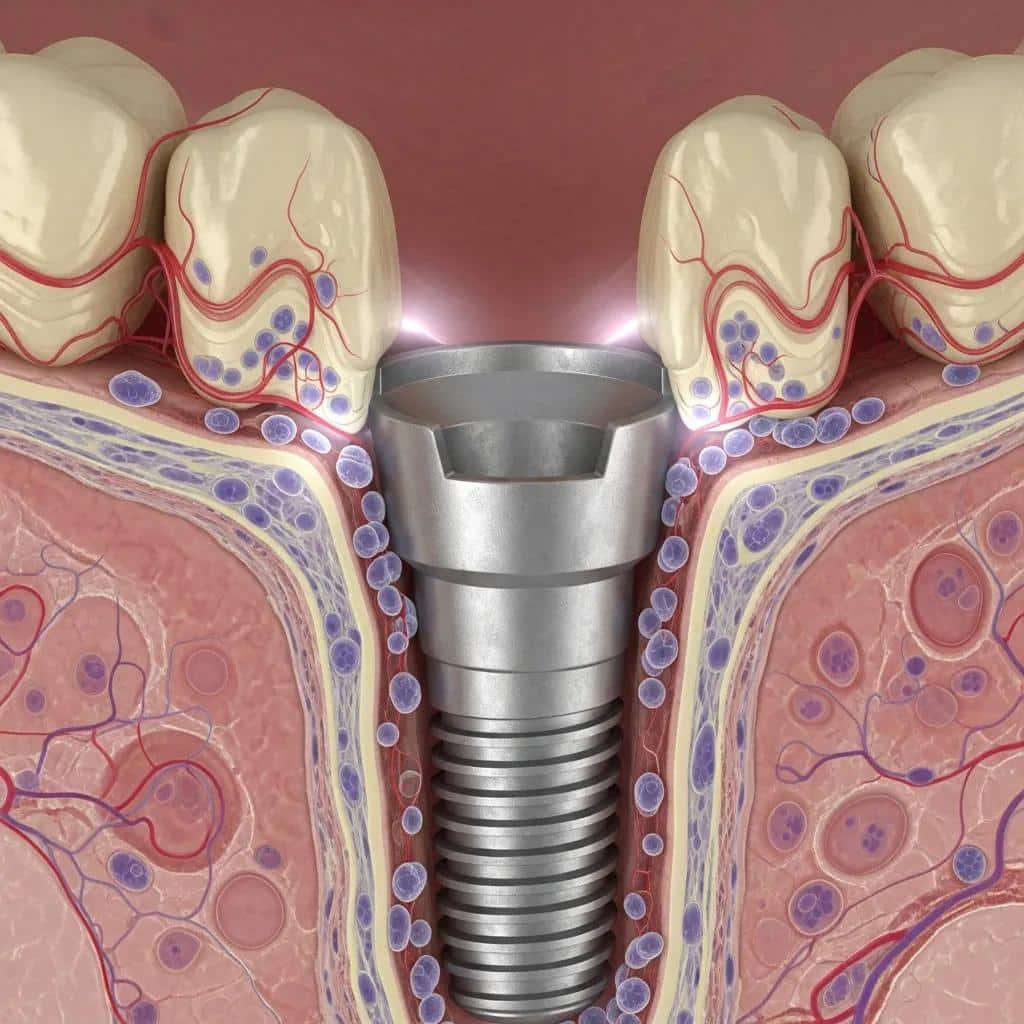
Dental implants are artificial tooth roots, typically made of titanium or titanium alloys, that are surgically placed into the jawbone to support replacement teeth. They consist of several components, including the implant post, abutment, and crown. The longevity of dental implants is significantly influenced by a process known as osseointegration, where the bone fuses with the implant, providing a stable foundation for the artificial tooth.
What is a dental implant and its components?
A dental implant comprises three main parts: the implant post, the abutment, and the crown. The implant post is surgically inserted into the jawbone, serving as the root of the new tooth. The abutment connects the post to the crown, which is the visible part of the implant that resembles a natural tooth. This structure allows for a strong and durable restoration that can last many years with proper care.
How does osseointegration affect implant durability?
Osseointegration is a critical factor in the success of dental implants. This biological process involves the integration of the implant post with the surrounding bone, creating a solid anchor for the crown. Successful osseointegration enhances the stability and longevity of the implant, reducing the risk of failure. Factors such as bone density and overall health can influence this process, making it essential for patients to maintain good dental health and follow their dentist’s recommendations.
Further research highlights innovative approaches to improve this crucial integration process.
Enhancing Dental Implant Osseointegration with Bone Marrow Cells
Titanium implants are widely used in dental clinics and orthopaedic surgery. However, bone formation surrounding the implant is relatively slow after inserting the implant. The current study assessed the effects of bone marrow stromal cells (BMSCs) with forced expression of special AT-rich sequence-binding protein 2 (SATB2) on the osseointegration of titanium implants.
Transcription factor and bone marrow stromal cells in osseointegration of dental implants, J Zhang, 2013
What Defines Dental Crown Lifespan and Material Durability?
Dental crowns are prosthetic devices that cover damaged or decayed teeth, restoring their shape, size, and function. The lifespan of a dental crown is influenced by the materials used and the maintenance practices followed by the patient. Common materials for crowns include porcelain, metal, and resin, each with varying durability and aesthetic qualities.
Which materials are used for dental crowns and their expected lifespans?
Porcelain: Known for its natural appearance, porcelain crowns typically last 5-15 years, depending on care.
Metal: Crowns made from gold or other metal alloys are highly durable and can last 10-30 years or more.
Resin: These crowns are less expensive but may only last 5-7 years due to wear and tear.
Choosing the right material depends on factors such as the location of the tooth, aesthetic preferences, and budget.
How does crown maintenance impact longevity?
Proper maintenance is crucial for extending the lifespan of dental crowns. Regular brushing, flossing, and dental check-ups can prevent decay and damage to the crown. Patients should also avoid hard foods that could chip or crack the crown. By adhering to good oral hygiene practices, individuals can significantly enhance the durability of their crowns.
How Do Patient-Specific Factors Influence Implant and Crown Longevity?
Individual factors such as age, bone density, lifestyle habits, and systemic health can significantly impact the longevity of dental implants and crowns. Understanding these factors can help patients make informed decisions about their dental care.
What role do age and bone density play in restoration success?
Age and bone density are critical factors in the success of dental restorations. Older patients may experience slower healing and reduced bone density, which can affect osseointegration for implants. Additionally, individuals with lower bone density may require bone grafting procedures to ensure a stable foundation for implants. Therefore, assessing bone health is essential before proceeding with dental implants.
How do lifestyle habits and systemic health affect durability?
Lifestyle habits such as smoking, poor diet, and lack of oral hygiene can negatively impact the longevity of both implants and crowns. Smoking, in particular, can hinder healing and osseointegration, increasing the risk of implant failure. Systemic health conditions, such as uncontrolled diabetes, can also affect healing and the success of dental restorations. Patients should discuss their health history with their dentist to determine the best approach for their dental needs.
What Are the Cost Differences Between Dental Implants and Crowns in Tyler, TX?
When considering dental restorations, cost is a significant factor. The upfront and long-term costs of dental implants and crowns can vary widely, influencing patient decisions.
How do upfront and long-term costs compare for implants versus crowns?
The initial cost of dental implants is generally higher than that of crowns. In Tyler, TX, dental implants can range from $3,000 to $5,000 per implant, including the crown. In contrast, dental crowns typically cost between $800 and $1,500. However, implants may offer better long-term value due to their durability and lower maintenance costs over time.
Restoration Type
Upfront Cost
Expected Lifespan
Long-term Cost Implications
Dental Implants
$3,000 – $5,000
15-25 years or more
Lower maintenance costs
Dental Crowns
$800 – $1,500
5-15 years
Potential for replacement
What insurance and financing options are available locally?
Many dental insurance plans cover a portion of the costs associated with crowns, but coverage for implants may vary. Patients in Tyler, TX, should check with their insurance provider to understand their benefits. Additionally, financing options are often available through dental offices, allowing patients to manage the costs of their dental restorations more effectively.
How Do Aesthetic and Functional Outcomes Compare Between Implants and Crowns?
Both dental implants and crowns offer aesthetic and functional benefits, but they differ in their applications and outcomes.
What are the aesthetic benefits and patient satisfaction levels?
Dental implants provide a natural appearance and feel, closely resembling real teeth. Patients often report high satisfaction levels with implants due to their stability and functionality. Crowns, particularly those made from porcelain, can also achieve a natural look, but their aesthetic appeal may vary based on the material used and the skill of the dentist.
How do implants and crowns affect daily oral function?
Both dental implants and crowns restore functionality, allowing patients to eat, speak, and smile confidently. Implants offer superior stability, making them ideal for individuals who require extensive dental work. Crowns can effectively restore damaged teeth, but their longevity and performance may depend on the underlying tooth structure.
What Preventive Measures Can Extend the Longevity of Dental Implants and Crowns?
Preventive care is essential for maintaining the longevity of dental restorations. Patients can take several steps to ensure their implants and crowns last as long as possible.
Which oral hygiene practices support long-term durability?
Regular Brushing: Brush at least twice a day with fluoride toothpaste to prevent decay.
Flossing: Daily flossing helps remove plaque and food particles from between teeth and around implants.
Mouthwash: Using an antibacterial mouthwash can help reduce plaque buildup and maintain gum health.
How do regular dental check-ups contribute to restoration lifespan?
Regular dental check-ups are vital for monitoring the health of dental restorations. Dentists can identify potential issues early, such as decay around crowns or signs of implant failure. Routine cleanings and professional assessments can significantly extend the lifespan of both implants and crowns.
What Are the Pros and Cons of Choosing Dental Implants Versus Crowns?
When deciding between dental implants and crowns, it is essential to weigh the advantages and disadvantages of each option.
What are the benefits and drawbacks of dental implants?
Benefits:
Longevity: Implants can last 15-25 years or longer with proper care.
Stability: They provide a strong foundation for replacement teeth, improving functionality.
Bone Preservation: Implants help maintain jawbone density by stimulating bone growth.
Drawbacks:
Cost: Higher initial investment compared to crowns.
Surgical Procedure: Requires surgery, which may not be suitable for all patients.
Healing Time: Osseointegration can take several months.
What are the advantages and limitations of dental crowns?
Advantages:
Cost-Effective: Generally less expensive than implants.
Less Invasive: Crown placement is a simpler procedure that does not require surgery.
Quick Restoration: Crowns can often be placed in one or two visits.
Limitations:
Durability: Crowns may need replacement every 5-15 years.
Underlying Tooth Health: The success of a crown depends on the health of the underlying tooth.
Potential for Decay: Crowns can still be susceptible to decay if not properly maintained.
How Does the Procedure and Recovery Differ Between Dental Implants and Crowns?
Understanding the procedures and recovery times for dental implants and crowns can help patients prepare for their dental treatments.
What are the step-by-step processes for each restoration?
Dental Implants:
Consultation: Initial assessment and treatment planning.
Surgery: Placement of the implant post into the jawbone.
Healing: Osseointegration period, typically lasting 3-6 months.
Abutment Placement: After healing, an abutment is attached to the implant.
Crown Placement: Finally, the custom crown is placed on the abutment.
Dental Crowns:
Consultation: Evaluation of the damaged tooth.
Preparation: The tooth is shaped to accommodate the crown.
Impression: A mold is taken to create a custom crown.
Temporary Crown: A temporary crown may be placed while the permanent one is made.
Crown Placement: The permanent crown is cemented onto the prepared tooth.
How do pain management and recovery times compare?
Recovery times for dental implants are generally longer due to the surgical nature of the procedure. Patients may experience swelling and discomfort for several days post-surgery. Pain management typically involves over-the-counter pain relievers. In contrast, crown placement usually involves minimal discomfort, with most patients returning to normal activities shortly after the procedure.