How Dental Implants Work for Optimal Functionality: Understanding Procedure Steps, Materials, and Maintenance
Dental implants represent a revolutionary solution for those requiring tooth replacement, combining the latest advancements in dental science with practical application. This comprehensive guide explores the intricate functionality of dental implants, outlining the various types, materials, procedural steps, the healing process, and essential maintenance tips. It addresses common concerns individuals have regarding dental implants and offers insights into how they provide stable, natural-looking replacements for lost teeth. By understanding this complex interplay of biology and technology, patients can make informed decisions about their dental health, ensuring efficient and lasting solutions.
What Are the Main Types and Materials of Dental Implants?
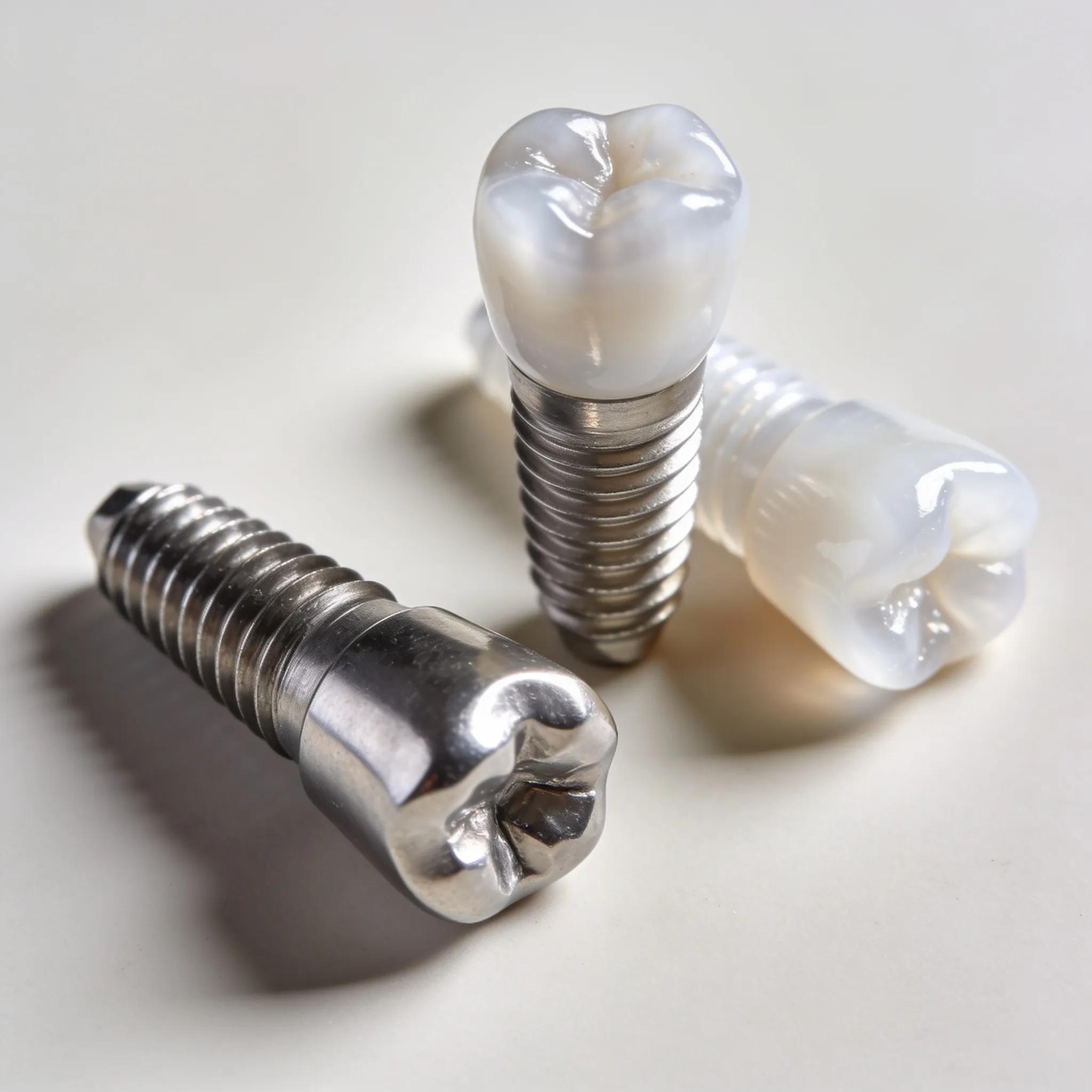
Dental implants primarily differ in types and materials used, each possessing unique characteristics that affect functionality and suitability for patients. The two most common materials for dental implants are titanium and zirconia. Titanium is renowned for its biocompatibility and strength, making it a popular choice among oral surgeons. Conversely, zirconia offers a tooth-colored aesthetic that appeals to those seeking natural-looking restoration.
Understanding the differences between these materials can help inform choices, ensuring the best fit for the patient’s oral health.
How Do Titanium and Zirconia Implants Differ in Functionality?
Titanium implants excel in durability due to their strong metallic properties, which allow them to withstand the significant forces of biting and chewing. They are highly effective in promoting osseointegration, a process where the bone grows around the implant, securing it in place securely. Zirconia implants, while also effective, are superior in aesthetics, closely mimicking natural tooth color and providing a more appealing look, especially for front teeth replacements. However, their long-term integration with bone can sometimes fall short compared to titanium.
Both materials offer functional advantages, but the choice depends on individual patient needs, preferences, and the specific clinical situation.
What Implant Components Ensure Natural Tooth Function?
The key components of a dental implant include the fixture, the abutment, and the crown.
Fixture: This is surgically embedded into the jawbone and serves as the implant’s base.
Abutment: A small connector that holds the crown securely to the fixture.
Crown: The part that is visible above the gum line, designed to mimic the appearance of natural teeth.
Each component plays a critical role in ensuring the proper function of the implant, contributing to effective chewing and overall oral health.
What Are the Detailed Steps of the Dental Implant Procedure?
The dental implant procedure involves several key steps that require precision and care to ensure a successful outcome. The first phase typically involves a thorough initial consultation, where the dentist assesses the patient’s oral health, reviews medical history, and creates a customized treatment plan.
How Is the Implant Fixture Surgically Placed in the Jawbone?
The surgical placement of the implant fixture is carried out under local anesthesia to minimize discomfort. The dentist drills a small hole into the jawbone, then carefully inserts the titanium or zirconia fixture into this space. This procedure usually takes about one to two hours, depending on individual circumstances and the number of implants being placed. Post-surgery, a healing period is required for osseointegration, during which the implant securely anchors to the bone.
What Is the Role of Bone Grafting in Implant Surgery?
Bone grafting is often necessary when there is insufficient bone density to support the implant. During this process, bone material—either from the patient or a donor—is placed into the jawbone to stimulate new bone growth. This additional support enhances the likelihood of successful osseointegration and long-term implant stability.
How Does Osseointegration Enable Implant Stability and Function?
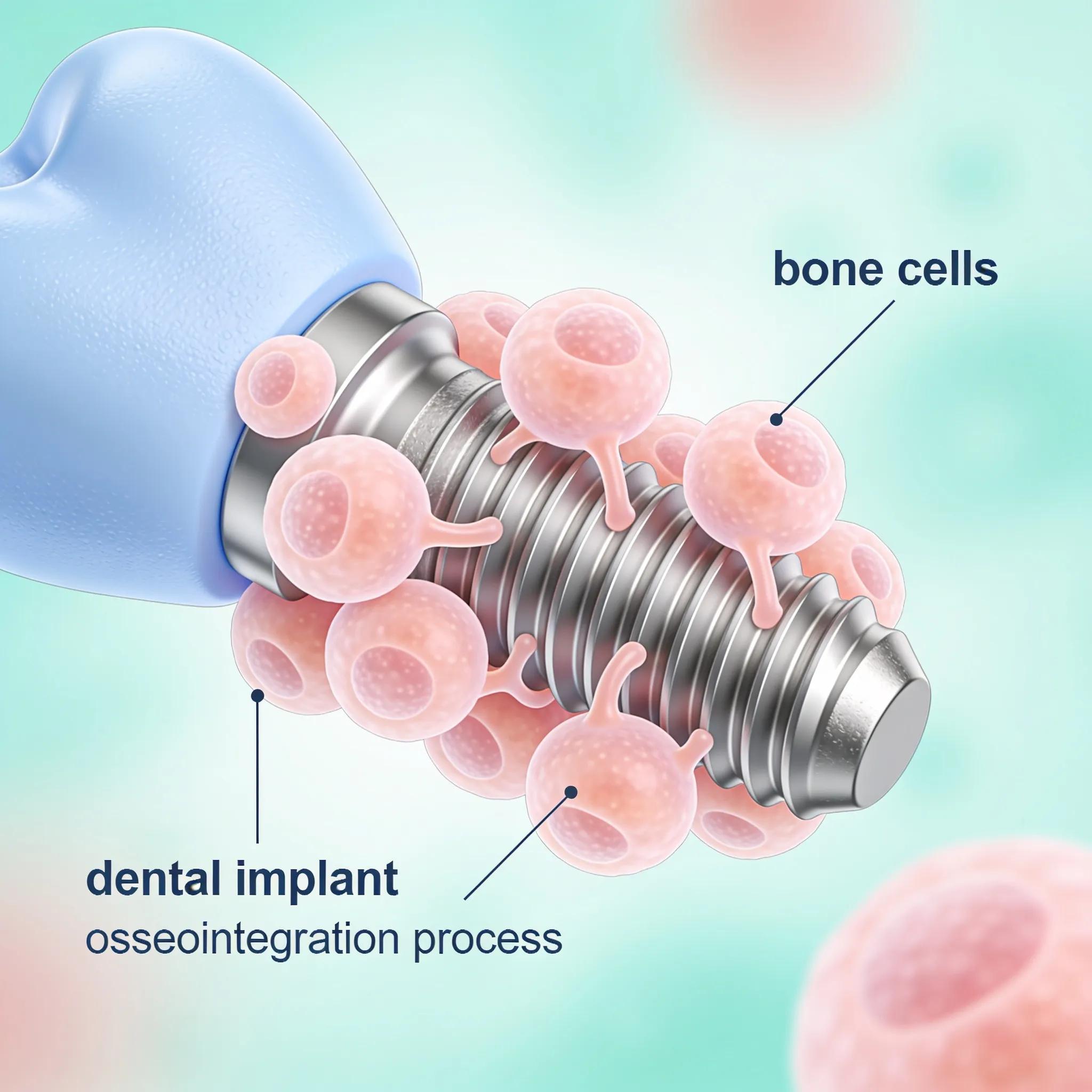
Osseointegration is the biological process through which the implant integrates with the jawbone, forming a durable foundation for the artificial tooth. This process is vital for ensuring that the dental implant functions similarly to a natural tooth.
What Biological Processes Occur During Osseointegration?
During osseointegration, osteoblasts, the cells responsible for bone formation, migrate to the surface of the implant and begin to form new bone tissue around it. This process typically begins within a few days after implantation and can take several months to reach full stability. Factors such as the quality of the bone, the type of implant material, and the overall health of the patient can influence the osseointegration timeline.
For more detailed information on how these processes are influenced, consider the following research.
Influence of Implant Materials, Design, and Surface Topographies on Osseointegration
ABSTRACT: ABSTRACTThe purpose of this review is to describe commonly used dental implants with reference to their material composition, design factors, and surface topographies. The review includes a discussion of the biological principle of osseointegration and how this process of bone-implant interaction is influenced by different implant materials, designs, and surface characteristics. Implant materials, design, and surface topographies: their influence on osseointegration of dental implants, 2003
How Do New Materials Improve Osseointegration Speed and Success?
Recent advancements in implant materials, such as coatings that enhance bioactivity or the use of 3D-printed structures, significantly improve osseointegration rates. Scientific research indicates that these new materials facilitate faster bone growth and integration, leading to quicker recovery times and more successful long-term outcomes.
Further insights into the underlying cellular mechanisms driving osseointegration can be found in this related research.
Cell Signaling Pathways and Dental Implant Osseointegration
1. Cell signaling pathways are the biological reactions that control cell functions and fate. They also directly affect the body reactions to implanted biomaterials. It is well-known that dental implants success depends on a successful integration with the alveolar bone: “osseointegration” which events comprise early and later responses to the implanted biomaterials. The early events are mainly immune-inflammatory responses to the implant considered by its microenvironment as a foreign body. Later reactions are osteogenic aiming to regulate bone formation and remodeling. All these events are controlled by the cell signaling pathways in an incredible harmonious coordination. Signaling pathways of dental implants’ osseointegration: a narrative review on two of the most relevant; NF-κB and Wnt pathways, 2024
What Is the Healing Process After Dental Implant Surgery?
Post-surgery, it is crucial for patients to understand the healing process involved with dental implants. Healing is a gradual process that typically requires several weeks to months, depending on individual health factors and the specific procedure.
What Are Common Healing Challenges and How Can They Be Managed?
Patients may experience challenges during the healing phase, such as infection, inflammation, or discomfort. Managing these complications involves following the dentist’s postoperative instructions carefully, which may include taking prescribed medications, maintaining oral hygiene, and attending follow-up appointments. For specific care options and to discuss your needs, you can schedule an appointment.
How Long Does the Healing Phase Typically Last?
The overall healing period for a dental implant can last anywhere from 8 to 12 weeks. However, this duration can vary based on the individual’s health and the specific procedures performed. Understanding this timeline is essential for setting realistic expectations for restoration and functionality.
How Do Implant-Supported Dentures Function for Optimal Chewing Efficiency?
Implant-supported dentures offer a practical solution for individuals missing multiple teeth, enhancing chewing efficiency substantially. These dentures are anchored securely to implants placed in the jawbone and provide improved stability compared to traditional removable dentures.
What Are the Benefits of Implant-Supported Dentures Over Traditional Ones?
Stability Improvement: Implant-supported dentures do not shift during eating or speaking, providing users with confidence.
Eating Efficiency: Patients can enjoy a wider variety of foods without the fear of their dentures slipping.
Aesthetic Appeal: These dentures offer a more natural look and feel compared to traditional options that sit on the gums.
The functional advantages of implant-supported dentures make them a wise choice for many patients seeking to enhance their quality of life.
How Does the Implant Connection Affect Denture Biomechanics?
The connection between the implant and the denture significantly impacts how force is distributed during chewing. A well-designed connection optimally transfers biting forces to the jawbone, preserving bone density and enhancing overall function. Understanding the intricacies of how these connections work and their implications on biomechanics is critical for those considering dental implants.
What Are the Essential Maintenance Tips to Prolong Dental Implant Functionality?
To ensure the longevity and functionality of dental implants, patients should adhere to effective maintenance practices. Proper care not only enhances the implant’s lifespan but also contributes to overall oral health.
How Should Patients Care for Dental Implants Daily?
Patients are advised to develop a consistent oral hygiene routine that includes:
Brushing: Using a soft-bristled toothbrush to clean around implants gently.
Flossing: Employing special floss or interdental brushes designed for implants to prevent plaque buildup.
Special Products: Utilizing antibacterial mouthwashes or oral rinses to promote gum health.
These practices help in maintaining healthy gums and preventing complications.
Why Are Regular Dental Checkups Important for Implant Longevity?
Regular dental checkups are essential for monitoring the health of both the implants and the surrounding tissue. Dentists can identify potential issues early, ensuring timely intervention that can significantly improve the chances of long-term success. Recommended checkups typically occur every six months, allowing personalized care tailored to individual needs. If you’re looking for personalized dental services, consider exploring options in your area like a Dallas dentist.