By Dentist in Denton – Dentures and Dental Implants Editorial Team · Updated 2026-08-07
Longevity of Tips for Finding Affordable Dental Implants With Ease depends on consistent daily hygiene, routine dental visits, and avoiding habits like smoking or teeth grinding. Brushing twice daily, flossing around the abutment, and scheduling professional cleanings prevent peri-implantitis, a gum infection that threatens implant stability. With proper care, implants placed at Dentist in Denton last decades, often a lifetime.
Key Takeaways
Dental implants last decades or a lifetime with proper care and maintenance routines.
Titanium posts mimic natural tooth roots, providing a permanent foundation for artificial teeth.
Excellent oral hygiene directly determines implant success and longevity over time.
Dr. Charles Kim, DDS, specializes in long-lasting implant solutions at Dentist in Denton.
What determines how long dental implants last?
Dental implants can last for decades and sometimes a lifetime, with longevity depending on bone health, daily hygiene habits, and the type of restoration used. Unlike removable dentures, dental implants are permanent fixtures that integrate with the jawbone through a process called osseointegration. This fusion provides the stability needed for eating and speaking. The implant post itself fuses to the jawbone, offering long-term structural support. The visible crown or bridge resting on top may need replacement after 10-15 years of normal wear.
How does the implant structure affect longevity?
A dental implant consists of three core components: the titanium post embedded in the jawbone, the abutment connecting the post to the tooth, and the prosthetic crown, bridge, or denture visible above the gum line. The post remains permanently anchored through osseointegration. The prosthetic portions, however, experience everyday chewing forces and may need periodic replacement. Dentist in Denton – Dentures and Dental Implants offers dental implants as a core restorative service, providing patients with permanent fixtures that mimic natural tooth function.
Do lifestyle factors shorten implant life?
Oral hygiene: Poor brushing and flossing allow bacteria to accumulate around the gum line, leading to peri-implantitis—an infection that destroys the bone supporting the implant.
Bone health: Adequate jawbone density is essential for osseointegration. Bone loss from gum disease or delayed tooth replacement compromises implant stability.
Restoration type: Single crowns, implant-supported bridges, and full-arch dentures place different forces on the underlying post. Heavier restorations require more bone support.
Bruxism: Teeth grinding generates excessive force that can crack the crown or loosen the abutment over time.
Routine maintenance preserves long-term success
Patients who treat implants like natural teeth—brushing twice daily, flossing around the implant site, and attending regular dental exams—significantly extend their implant lifespan. Professional cleanings allow the dentist to check for early signs of inflammation or bone loss before these conditions threaten the implant. Dental Implant Maintenance Tips emphasize consistent care as the single most controllable factor in implant longevity.
What daily habits protect your implant investment?
Protecting a dental implant investment requires two specific daily habits: brushing with a soft-bristled toothbrush and low-abrasive toothpaste, and flossing with implant-specific tools. Plaque and bacteria accumulate around the gum line of implants just as they do on natural teeth. Without consistent removal, this buildup triggers peri-implantitis — a gum disease-like condition that directly threatens implant stability. Good oral hygiene is crucial for the success and longevity of dental implants.
Why does brushing technique matter for implants?
Brushing twice daily with a soft-bristled toothbrush prevents scratching the implant surface. Hard bristles or abrasive toothpaste create microscopic grooves where bacteria hide. Patients should use low-abrasive toothpaste specifically formulated for dental restorations. This simple swap preserves the smooth, cleanable surface of the implant crown and surrounding gum tissue.
What flossing tools work best for implants?
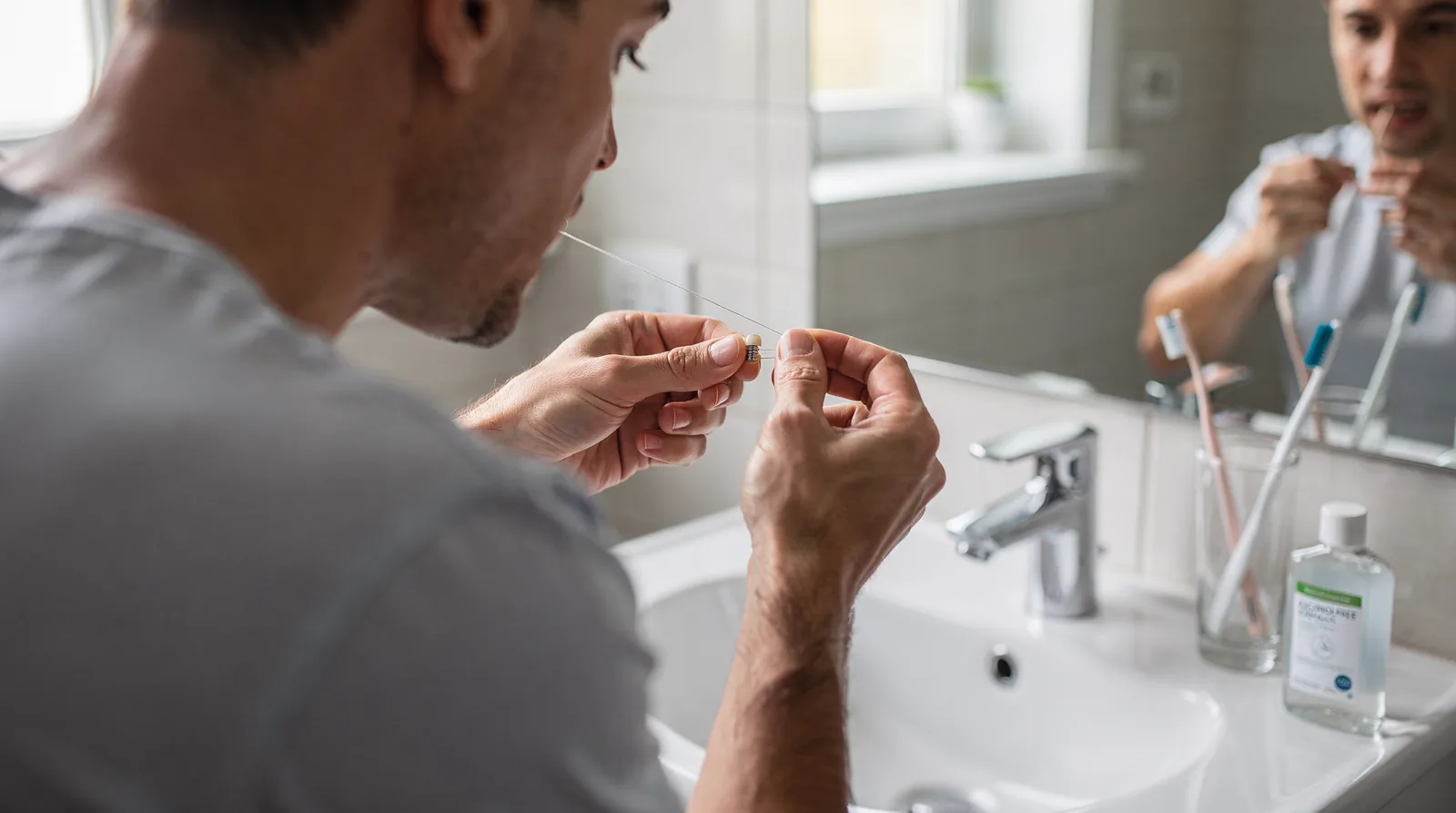
Flossing daily with implant-specific or interdental brushes designed for prosthetic cleaning reaches areas standard floss misses. Traditional string floss can shred or get caught on implant abutments. Interdental brushes slide between the implant and adjacent teeth without damaging the connection. Water flossers also provide gentle, effective cleaning around the gum line without mechanical abrasion.
Dental Implant Maintenance Tips for daily care include:
Brush twice daily with a soft-bristled toothbrush and low-abrasive toothpaste
Floss once daily using implant-specific floss or interdental brushes
Rinse with an antimicrobial mouthwash to reduce bacterial load
Inspect the gum tissue around the implant for redness, swelling, or bleeding
These habits prevent the plaque accumulation that leads to peri-implantitis. Patients who skip daily cleaning around the implant site risk inflammation that progresses silently. The condition destroys bone support around the implant, often without pain until significant damage occurs. Consistent daily care keeps the implant stable and functional for decades.
How often should you visit the dentist for implant checkups?
Dental implant patients should schedule professional checkups every six months, matching the standard recall interval for natural teeth. This regular cadence allows the dental team to monitor the implant, surrounding gum tissue, and overall oral health for any developing problems. Skipping these appointments increases the risk of complications that could shorten the implant’s lifespan.
What happens during an implant checkup?
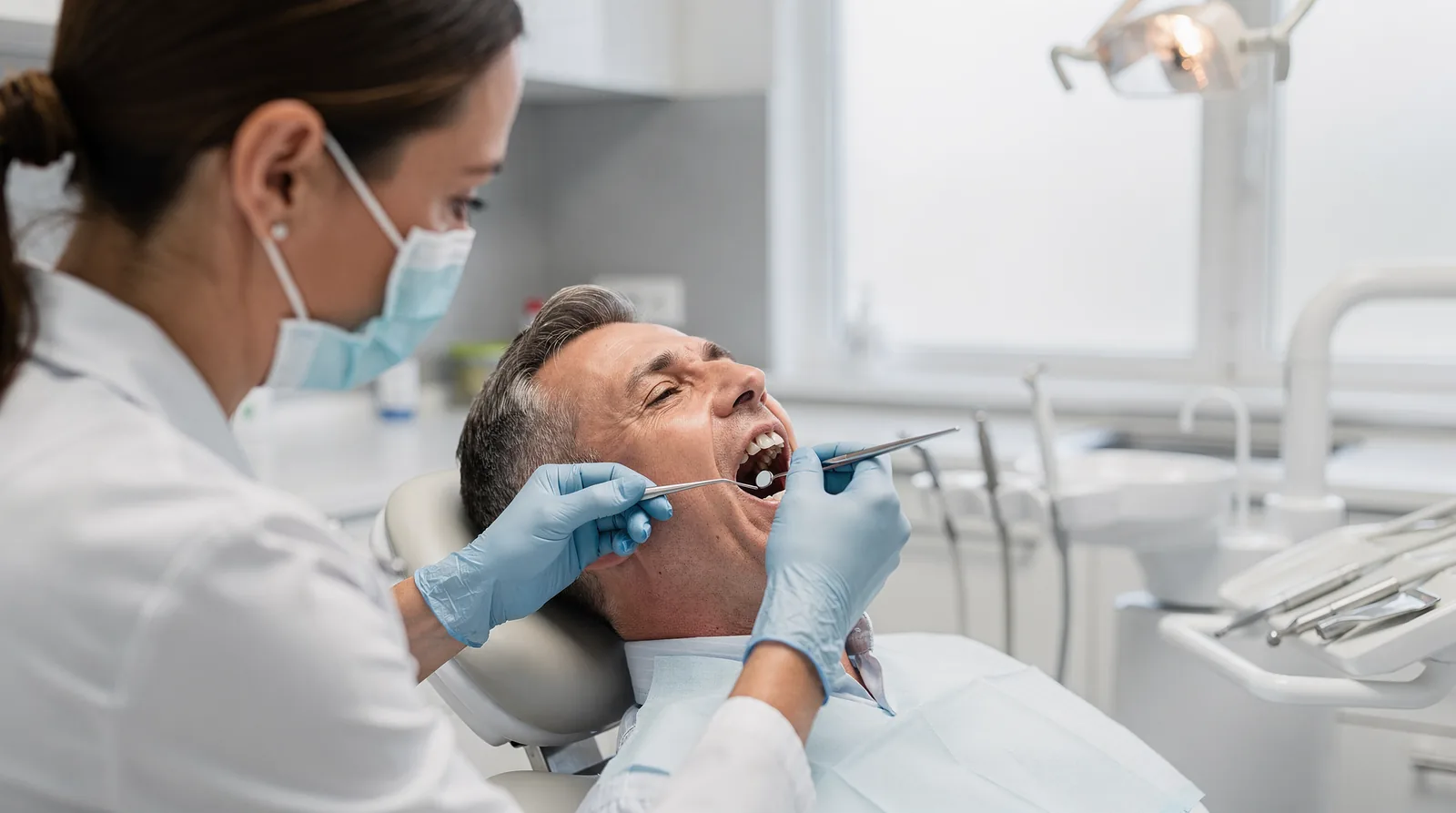
A routine implant checkup includes a professional cleaning and a thorough examination of the implant site. The dentist uses specialized instruments to remove plaque and tartar from around the gum line without scratching the implant surface. This cleaning step is critical because plaque accumulation can lead to peri-implantitis, a destructive inflammatory condition that threatens implant stability. The appointment also includes digital X-rays to evaluate the bone level around the implant. Check for early signs of bone loss.
Can the practice accommodate urgent implant concerns between scheduled visits?
Yes, the practice accepts walk-ins and accommodates same-day emergencies for patients experiencing sudden discomfort or visible issues with an implant. Prompt attention to problems like swelling, bleeding, or a loose crown prevents minor concerns from escalating into major complications. The clinic is open Monday, Tuesday, Thursday, and Friday from 9:00 AM to 6:00 PM, with Wednesday closed. Patients who notice changes in how the implant feels or looks should not wait for the next scheduled checkup.
Schedule a professional cleaning and exam every six months to maintain gum health around the implant.
Arrive on time for each appointment so the dentist can perform a full assessment without rushing.
Report any changes between visits immediately — pain, mobility, or gum irritation requires prompt evaluation.
Follow the dentist’s personalized recall interval if the provider recommends more frequent visits based on individual risk factors.
What tools make implant cleaning more effective?
Standard brushing alone fails to protect the titanium post and crown from bacterial buildup. The right tool kit targets the unique surfaces of an implant, where plaque accumulates differently than on natural teeth. Patients who use specialized cleaning aids reduce their risk of peri-implantitis, a gum disease-like condition that threatens implant stability.
Which toothbrush works best for implants?
A soft-bristled toothbrush serves as the foundation of any implant care routine. Hard bristles scratch the implant surface and irritate the surrounding gum tissue, creating entry points for bacteria. Patients should brush twice daily, angling the bristles along the gum line where plaque tends to collect.
Why does toothpaste choice matter?
Low-abrasive toothpaste prevents microscopic scratching of the implant crown during brushing. Abrasive formulas wear down the prosthetic surface over time, leaving rough patches where bacteria cling. Standard whitening toothpastes often contain harsh particles that accelerate this damage.
What interdental tools reach tight spaces?
Implant-specific floss and interdental brushes are designed specifically for prosthetic cleaning. These tools navigate the narrow gaps between the implant and adjacent teeth more effectively than regular floss.
Tool
Purpose
Key Benefit
Soft-bristled toothbrush
Daily surface cleaning
Protects gum tissue
Low-abrasive toothpaste
Safe polishing
Prevents surface scratches
Implant-specific floss
Interdental cleaning
Reaches prosthetic gaps
Interdental brushes
Wider space cleaning
Removes stubborn plaque
Dentist in Denton – Dentures and Dental Implants leverages modern diagnostics and comfort-focused technology to enhance precision during implant placement and follow-up care. Patients receive guidance on selecting the right tools during routine check-ups, ensuring the cleaning routine matches the specific implant design.
Which lifestyle habits shorten implant lifespan?
Smoking and poor oral hygiene create the highest risk for early implant failure. These habits allow plaque and bacteria to accumulate around the gum line, leading to peri-implantitis. A destructive inflammatory condition that threatens implant stability. Bone health also plays a critical role. When bone density declines from neglect or systemic factors, the implant loses its foundation and may fail prematurely.
How does smoking affect dental implants?
Smoking restricts blood flow to the gums. Jawbone, slowing the osseointegration process that fuses the titanium post to the bone. This habit increases infection rates and reduces healing capacity after implant placement. Patients who smoke face significantly higher failure rates compared to non-smokers, often within the first few years of restoration.
What role does teeth grinding play in implant damage?
Bruxism, or chronic teeth grinding and clenching, places excessive mechanical force on the implant and its crown. Unlike natural teeth, implants lack the periodontal ligament that absorbs shock, making them more vulnerable to fracture or loosening under repeated pressure. The visible restoration wears faster under these conditions and may require earlier replacement.
Which other habits compromise implant longevity?
Poor oral hygiene: Skipping brushing or flossing allows biofilm to form around the implant, triggering gum inflammation and bone loss.
Chewing hard objects: Ice, pens, or fingernails can crack the crown or damage the abutment connector.
Skipping dental checkups: Without professional monitoring, early signs of peri-implantitis go unnoticed until significant damage occurs.
For patients who struggle with anxiety during implant procedures or maintenance visits, Dentist in Denton – Dentures. Dental Implants offers sedation dentistry to help manage discomfort and ensure consistent care. Protecting an implant investment requires eliminating these destructive habits before they cause irreversible damage.
How does your diet affect dental implant success?
Diet directly influences the long-term stability of dental implants. A balanced diet supports bone health, which is critical for implant osseointegration—the process where the titanium post fuses with the jawbone. Without proper nutrition, bone density can decline, weakening the foundation that holds the implant securely in place. Patients who neglect dietary choices risk compromising the very structure that makes implants a permanent solution.
What foods should implant patients avoid?
Hard or sticky foods present a clear danger to the visible restoration. Chewing ice, hard candies, or sticky caramels can crack the crown or dislodge the abutment. The implant provides the root and long-term support. The visible restoration wears over time and may need replacement if damaged. Patients should also limit sugary snacks and acidic beverages, which promote plaque buildup around the gum line and increase the risk of peri-implantitis.
How does the practice help patients manage dietary concerns?
Dentist in Denton – Dentures and Dental Implants provides transparent treatment plans that include dietary guidance for implant recovery and maintenance. The office accepts most major insurance plans, including Medicaid, and offers a Dental Discount Plan for patients without insurance. This approach ensures that every patient receives the nutritional advice needed to protect their investment. A simple dietary adjustment today prevents costly repairs tomorrow.
Key dietary guidelines for implant success:
Prioritize calcium-rich foods (dairy, leafy greens) for bone density
Choose soft proteins (eggs, fish, tofu) during the healing phase
Avoid hard foods (nuts, popcorn, ice) that stress the restoration
Limit sticky sweets that trap bacteria around the implant site
What are the warning signs of implant problems?
Dental implant problems present distinct physical signs that require immediate attention. The most critical warning sign is peri-implantitis, a gum disease-like condition that threatens implant stability. This condition develops when plaque and bacteria accumulate around the gum line, creating inflammation that can destroy the supporting bone structure around the implant.
What does peri-implantitis feel like?
Patients experiencing peri-implantitis often notice pain, swelling, or bleeding around the implant site. These symptoms indicate active infection or potential implant failure. The gum tissue may appear red, feel tender to the touch, and bleed during brushing or flossing. Ignoring these signs allows the infection to progress, potentially compromising the implant’s integration with the jawbone.
When should a loose implant cause concern?
A loose or shifting implant requires immediate professional evaluation. Unlike natural teeth that have slight mobility, a properly integrated implant should feel completely stable. Any movement signals that osseointegration has failed or that bone loss has occurred around the implant body. The implant provides the root and long-term support while the visible restoration wears over time and may need replacement. The implant itself should never feel loose.
Key warning signs that demand same-day evaluation:
Persistent pain or discomfort at the implant site lasting more than a few days
Visible gum recession exposing the implant post or abutment
Difficulty chewing or biting on the implant side
Pus or discharge around the implant-gum interface
Changes in bite alignment or how the implant feels against opposing teeth
Dentist in Denton – Dentures and Dental Implants offers same-day emergency dentistry for urgent implant concerns. Patients experiencing any of these warning signs should schedule an evaluation immediately to prevent further complications and preserve the implant investment.
How can you maximize implant longevity with professional care?
Professional oversight from a skilled provider directly determines how long dental implants remain stable and functional. Dentist in Denton – Dentures and Dental Implants, led by Dr. Charles Kim, DDS, maintains a 4.9-star rating across numerous Google reviews, reflecting the value of expert-guided implant maintenance. Without regular professional care, patients risk peri-implantitis, a condition that threatens implant stability and can lead to costly failures within just a few years.
What specific professional services protect implant health?
Dental Implant Maintenance Tips from the Denton team emphasize two core professional interventions. First, regular professional cleanings remove plaque and bacteria that accumulate around the gum line, preventing inflammation that compromises the implant-bone bond. Second, comprehensive exams allow Dr. Kim to detect early warning signs like bone loss or loose abutments before they escalate into major problems. The practice’s on-site lab accelerates turnaround for custom appliances, often enabling same-day solutions when adjustments are needed.
How does the practice make professional care accessible?
The clinic serves families, students, and professionals throughout Denton County, including Denton, Corinth, Lake Dallas, Krum, Sanger, and Argyle. To remove financial barriers to consistent care, the practice offers free consultations and monthly payment options for affordable treatment. Patients without insurance can access the Dental Discount Plan, ensuring that cost never prevents the routine maintenance implants require.
Step-by-step professional care protocol:
Schedule a free consultation for a baseline assessment of implant health
Attend professional cleanings every six months to remove biofilm buildup
Undergo annual digital X-rays to monitor bone levels around each implant
Report any changes in bite, discomfort, or mobility immediately for same-day evaluation
Professional maintenance transforms a dental implant from a temporary solution into a lifelong investment. The Denton team’s combination of advanced diagnostics, on-site lab capabilities, and transparent pricing creates a care pathway that protects both oral health and financial investment.
Dental implants represent a lasting investment in your oral health and quality of life. Their longevity depends entirely on the commitment you bring to daily care and professional maintenance. By brushing and flossing consistently, attending regular checkups, and protecting your implants from trauma, you create the foundation for decades of confident smiling. Your dental team remains your partner throughout this journey, ready to monitor your implants and address any concerns before they compromise your investment.
FAQ
How long do dental implants last with proper care?
Dental implants last decades and often a lifetime when patients maintain consistent hygiene and attend routine dental visits. The titanium post fuses to the jawbone through osseointegration, providing permanent structural support.
What causes dental implants to fail prematurely?
Poor oral hygiene allows bacteria buildup around the gum line, leading to peri-implantitis, a gum infection that destroys supporting bone. Bruxism also generates excessive force that cracks crowns or loosens abutments.
What daily care routine protects dental implants?
Brushing twice daily with a soft-bristled, low-abrasive toothbrush and flossing around the abutment prevents bacteria accumulation. Combining this routine with professional cleanings at Dentist in Denton catches inflammation early.
Facts
Dentist in Denton – Dentures and Dental Implants is located in Denton, TX.