Comprehensive Guide to Dental Implants for the Upper Jaw: Types, Procedures, Costs, and Recovery
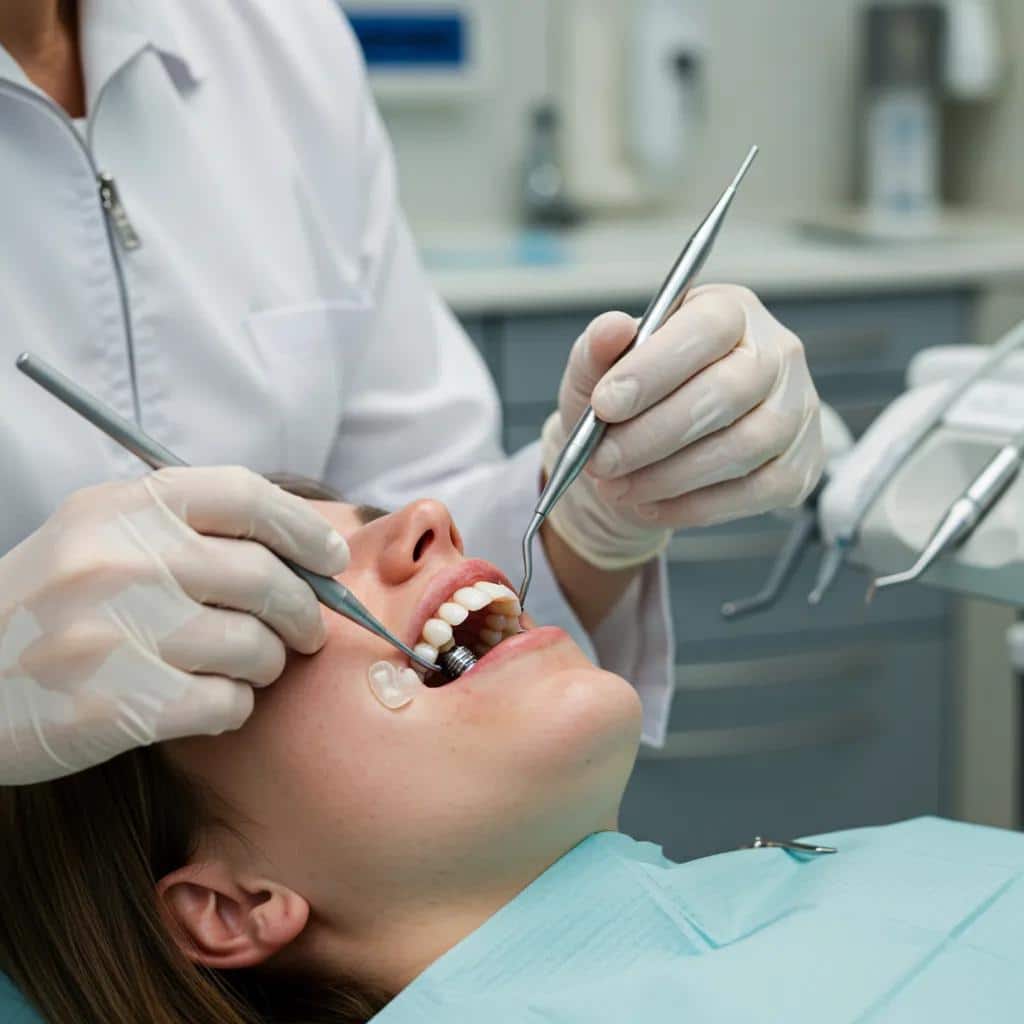
Replacing missing teeth in the upper jaw restores chewing ability, facial structure, and confidence through precisely placed dental implants. Dental implants for the upper jaw anchor into the maxilla or zygomatic bone via osseointegration, providing a stable foundation for crowns or bridges. This guide addresses the anatomy of the maxilla and sinus, implant varieties from traditional endosteal to zygomatic and full-arch All-on-4, bone loss solutions like grafting and sinus lifts, the step-by-step placement procedure, cost breakdowns, potential risks, recovery protocols, long-term success rates, and candidacy criteria. By mapping each theme—anatomy, implant types, bone augmentation, surgical steps, pricing, complications, healing, outcomes, and eligibility—this resource equips patients and clinicians with the knowledge to plan effective upper jaw restorations using state-of-the-art implantology.
What Are Dental Implants for the Upper Jaw and How Do They Work?
Dental implants for the upper jaw are artificial tooth roots surgically inserted into the maxilla or adjacent zygomatic bone, where they bond with host bone to support prosthetic crowns and bridges. Osseointegration, the biological fusion of titanium or zirconia posts with bone tissue, ensures stability and load distribution, preventing bone resorption and improving masticatory function. Patients benefit from durable, natural-feeling replacements that preserve facial contours and oral health.
What is the anatomy of the upper jaw (maxilla) relevant to implants?
The maxilla forms the upper dental arch and houses the maxillary sinus directly above the posterior teeth, while the zygomatic bone provides dense cortical support for specialized implants when posterior bone volume is insufficient. The alveolar ridge in the anterior maxilla typically offers enough height for standard implants, but sinus proximity and bone thickness influence implant position and length. Understanding this anatomy ensures safe, predictable implant placement without sinus perforation or nerve injury.
How does osseointegration support upper jaw implant stability?
Osseointegration refers to the direct structural and functional connection between living bone and the implant surface. Titanium’s biocompatibility and surface roughness promote osteoblast attachment, leading to new bone formation around the implant thread. This process typically spans three to six months in the maxilla and creates a rigid bond that resists micromovement, reduces failure risk, and maintains bone density under functional loading.
What materials are used in upper jaw dental implants?
Most upper jaw implants use medical-grade titanium or titanium alloys for their strength and proven osseointegration properties, while zirconia implants offer ceramic alternatives for patients with metal sensitivities or aesthetic demands in the anterior region. Titanium surfaces may be sandblasted and acid-etched to enhance bone attachment, and zirconia posts are processed for high fracture resistance and gum-friendly biocompatibility. Each material balances mechanical performance, tissue response, and aesthetic outcome.
What Types of Dental Implants Are Available for the Upper Jaw?
Upper jaw implantology includes several specialized approaches designed to match bone conditions and patient needs. Traditional endosteal implants suit patients with adequate maxillary bone, while zygomatic and pterygoid implants serve those with severe atrophy. All-on-4 and full-arch systems provide immediate, fixed prostheses for edentulous arches. Selecting the right type maximizes stability, minimizes grafting, and accelerates restoration.
Before comparing individual options, the following table outlines key implant categories:
Implant Type
Anchor Location
Primary Benefit
Endosteal (Traditional)
Alveolar ridge of maxilla
Established success, minimal prosthetic complexity
Zygomatic
Zygomatic (cheek) bone
Graftless solution for severe posterior bone loss
All-on-4 (Full Arch)
Four strategic implant sites
Immediate fixed bridge, reduced implants count
Pterygoid
Pterygoid plate behind maxilla
Stable anchorage when posterior ridge is poor
Each implant type addresses specific maxillary challenges, leading to tailored treatment plans that avoid extensive augmentation and deliver predictable results.
What are traditional endosteal implants for the upper jaw?
Traditional endosteal implants are screw-shaped posts placed directly into the alveolar bone of the maxilla. Ideal candidates have sufficient bone height and width, healthy gum tissue, and no uncontrolled systemic conditions. The process involves precise osteotomy preparation, implant insertion, and a healing period to allow osseointegration before attaching abutments and crowns.
How do zygomatic implants address severe upper jaw bone loss?
Zygomatic implants anchor into the dense zygomatic bone, bypassing the atrophic posterior maxilla and eliminating the need for bone grafting or sinus lifts. These longer fixtures provide immediate support for prostheses in patients with advanced maxillary resorption, offering high primary stability and reduced overall treatment time despite the complex surgical technique.
What are All-on-4 and full arch dental implants for the upper jaw?
The All-on-4 protocol uses four implants tilted posteriorly and anteriorly to support a full-arch prosthesis, optimizing available bone and avoiding grafting in many cases. Full arch systems can extend to six or more implants for additional support. Benefits include faster rehabilitation, simplified prosthetic design, and cost efficiency compared to individual implants for every missing tooth.
All-on-4 Concept for Full-Arch Rehabilitation of Edentulous MaxillaeFull-arch immediate function protocols such as the All-on-4 concept need long-term … of the posterior implants a surgical guide was used (All-on-4 Guide, Nobel Biocare AB). The implants …The All‐on‐4 concept for full‐arch rehabilitation of the edentulous maxillae: A longitudinal study with 5‐13 years of follow‐up, M de Araújo Nobre, 2019
What are pterygoid implants and advanced techniques for upper jaw restoration?
Pterygoid implants extend into the pterygoid plate of the sphenoid bone behind the maxilla, offering a graftless option for the posterior region. These angled implants engage cortical bone, enhancing stability in severely resorbed cases. Combined with zygomatic or anterior implants, pterygoid fixtures complete full-arch restorations without sinus complications.
How Is Bone Loss in the Upper Jaw Treated Before Implant Placement?
Bone volume and density critically affect implant success in the upper jaw. Augmentation procedures like bone grafting or sinus lifts rebuild alveolar height and width to support implants. Alternative graftless options, including zygomatic or pterygoid implants, bypass severe atrophy and reduce surgical stages.
What is upper jaw bone grafting and when is it necessary?
Upper jaw bone grafting introduces autogenous, allograft, xenograft, or synthetic material to augment deficient alveolar ridges, increasing bone volume for implant placement. Grafting is necessary when bone height falls below 6 mm or width is under 5 mm. Healing spans four to nine months, after which implants can be inserted into a stable grafted foundation.
How does the sinus lift procedure support upper jaw implants?
A sinus lift elevates the Schneiderian membrane and adds bone substitute under the maxillary sinus floor to create vertical height for implants in the posterior maxilla. By increasing bone above 10 mm, clinicians avoid sinus perforations and achieve reliable osseointegration. Outcomes include reduced implant failure and enhanced prosthetic support.
Maxillary Sinus Augmentation Techniques for Dental Implants… grafting materials and modifications of their technique.[ 3 4 ] The purpose of this review article is to enumerate all the techniques used for maxillary sinus elevation and augmentation. …Maxillary sinus augmentation, Unknown Author, 2018
The presence of the maxillary sinus and the natural loss of alveolar bone height often limit bone volume for implant placement in the posterior maxilla. Sinus lift procedures are designed to overcome this by augmenting the sinus cavity, thereby increasing bone volume for successful implant rehabilitation. This technique is crucial for many patients seeking to replace missing teeth in this area.
Maxillary Sinus Augmentation for Dental Implants: A Cochrane ReviewInsufficient bone volume is a common problem encountered in the rehabilitation of the edentulous posterior maxillae with implant‐supported prostheses. Bone volume is limited by the presence of the maxillary sinus together with loss of alveolar bone height. Sinus lift procedures increase bone volume by augmenting the sinus cavity with autogenous bone or commercially available biomaterials, or both. This is an update of a Cochrane review first published in 2010.Interventions for replacing missing teeth: augmentation procedures of the maxillary sinus, P Felice, 2014
What alternatives exist to bone grafting for severe maxillary atrophy?
In cases of extreme bone atrophy, zygomatic and pterygoid implants offer graftless solutions by anchoring in denser cortical bone outside the resorbed alveolar ridge. These advanced techniques eliminate additional surgeries, shorten treatment timelines, and maintain implant stability where conventional grafting would be extensive or unpredictable.
What Are the Step-by-Step Procedures for Upper Jaw Dental Implant Placement?
A systematic, phased approach ensures patient safety, optimal implant integration, and predictable outcomes. From initial evaluation to final restoration, each step builds on the previous one to deliver a successful upper jaw rehabilitation.
What happens during the initial consultation and assessment?
The consultation includes a comprehensive oral exam, CBCT imaging to evaluate maxillary bone anatomy and sinus position, and assessment of medical history and periodontal health. This diagnostic phase defines grafting needs, implant type selection, and prosthetic planning, creating a personalized treatment roadmap.
How is the surgical placement of upper jaw implants performed?
Under local anesthesia or sedation, surgeons create crestal or lateral windows in the bone, prepare precise osteotomies, and insert implants at planned angles and depths. Primary stability is verified, and cover screws or healing abutments are placed before suturing. Complex cases may combine sinus lifts or grafts in the same appointment.
What is the healing and osseointegration timeline for upper jaw implants?
After surgery, bone cells gradually envelop the implant surface over three to six months, forming a rigid bond that resists micromovement. Patients follow a soft-diet protocol, maintain oral hygiene, and attend follow-up visits to monitor integration. Once stable, the implant site is reopened for abutment placement.
How are abutments and prosthetic crowns attached?
Following successful osseointegration, healing caps are removed and abutments are secured onto the implant. Digital or conventional impressions capture implant positions for custom-fabricated crowns or bridges. The final prosthesis is then seated, occlusion adjusted, and polishing completed to restore function and aesthetics.
How Much Do Dental Implants for the Upper Jaw Cost?
Implant costs vary based on the number of fixtures, materials, augmentation needs, anesthesia, and geographic location. Understanding each cost component helps patients plan budgets and compare treatment options effectively.
What is the cost range for single upper jaw dental implants?
A single titanium implant with abutment and crown typically ranges from $3,000 to $7,000, depending on material choice, complexity of placement, and additional grafting or sinus lift requirements. Zirconia implants and custom-made abutments may increase costs by 10–20 percent.
How much do full arch and All-on-4 upper jaw implants cost?
All-on-4 full-arch restorations average between $15,000 and $30,000 per arch, including four implants, provisional prosthesis, and laboratory fees. Expanded full-arch systems with six or more implants and premium materials can exceed $35,000, reflecting additional surgical and prosthetic work.
What additional costs are associated with bone grafting and sinus lifts?
Bone grafting procedures add $800 to $3,000 per site, while sinus lift surgeries range from $1,500 to $4,000 depending on graft material and surgical approach. Combining grafting with implant placement may introduce bundled discounts but extends healing time and follow-up visits.
How do anesthesia and implant materials affect overall pricing?
Sedation or general anesthesia can increase fees by $500 to $2,000 per appointment. Premium implant systems, such as laser-treated surfaces or specialized angled fixtures, may carry a 15–30 percent premium over standard titanium posts. These investments enhance integration speed and long-term performance.
What Are the Risks and Complications of Upper Jaw Dental Implants?
Upper jaw implant procedures carry potential complications related to sinus proximity, infection control, nerve involvement, and osseointegration failure. Awareness and preventive protocols reduce these risks and support favorable outcomes.
What sinus-related complications can occur with upper jaw implants?
Sinusitis, membrane perforation, and graft material migration can arise if the sinus lift membrane is breached or implants encroach on the sinus floor. Preoperative imaging, cautious membrane elevation, and proper implant positioning minimize these events and ensure sinus health.
How can peri-implantitis and infections be prevented and treated?
Peri-implantitis results from bacterial colonization around the implant-abutment interface, leading to bone loss and inflammation. Rigid oral hygiene regimens, professional cleanings, and chlorhexidine rinses prevent infection. Early intervention with debridement, antibiotic therapy, and regenerative techniques restores healthy peri-implant tissues.
What are the signs and prevention of nerve damage in upper jaw implants?
Although rare in the maxilla, nerve impairment can occur if osteotomies approach the infraorbital nerve canal. Symptoms include numbness, tingling, or altered sensation in the cheek or lip. Precise CBCT-guided planning and depth control during drilling safeguard nerve function.
What causes implant failure and how is it managed?
Failure factors include inadequate primary stability, poor osseointegration, systemic health issues, and smoking. Management may involve removing failed fixtures, site decontamination, bone regeneration, and delayed re-implantation once conditions have improved to support new implant success.
What Is the Recovery Process and Aftercare for Upper Jaw Dental Implants?
Effective post-operative care accelerates healing, preserves implant integration, and enhances patient comfort. A structured recovery protocol complements surgical precision for optimal results.
What is the typical healing timeline after upper jaw implant surgery?
Healing follows three phases: initial hemostasis and soft-tissue closure in the first week, bone remodeling and osseointegration over three months, and prosthetic loading after sufficient integration. Complete maturation of bone-implant interface may extend to six months, depending on grafting and patient factors.
How should patients manage pain and oral hygiene during recovery?
Patients typically use NSAIDs or prescribed analgesics for 3–5 days, ice packs to reduce swelling, and avoid vigorous rinsing. Gentle brushing away from the surgical site and chlorhexidine rinses prevent plaque accumulation. Professional cleanings at two-week intervals monitor healing and remove debris.
What dietary recommendations support implant healing?
A soft diet including smoothies, yogurt, and mashed vegetables for at least two weeks reduces mechanical stress on implants. Gradual reintroduction of firmer foods as osseointegration progresses prevents overload. Adequate protein, calcium, and vitamin D intake support bone regeneration.
How does smoking or bone density affect recovery outcomes?
Smoking impairs blood flow, delays osseointegration, and increases infection risk, often doubling failure rates. Low bone density conditions like osteoporosis slow bone formation around implants. Smoking cessation and medical management of bone health improve integration success.
What Are the Success Rates and Longevity of Upper Jaw Dental Implants?
Upper jaw implants achieve high long-term survival when placed and maintained correctly, though success rates slightly trail those in the denser mandible. Understanding performance metrics and influencing factors informs patient expectations.
How do success rates of upper jaw implants compare to lower jaw implants?
Five-year survival rates for upper jaw implants average around 90 percent compared to 95 percent in the lower jaw, primarily due to lower maxillary bone density and sinus proximity. Proper case selection, augmentation, and implant design help close this gap.
What factors influence the long-term success of upper jaw implants?
Bone quality, surgical precision, material choice, systemic health, and oral hygiene all determine implant longevity. Denser cortical bone anchorage, biocompatible surfaces, and regular maintenance visits promote stable integration and prosthetic function over decades.
How do zygomatic implants perform in severe bone loss cases?
Zygomatic implants demonstrate survival rates exceeding 95 percent over five years, even in atrophic maxillae where conventional implants would fail or require extensive grafting. Their cortical anchorage and graftless approach yield durable outcomes in complex cases.
Who Is a Good Candidate for Upper Jaw Dental Implants?
Ideal candidates exhibit sufficient bone or are willing to undergo augmentation, maintain good oral hygiene, and manage systemic health conditions. Advanced implant options expand eligibility to patients with severe atrophy or limited bone.
What medical and dental conditions affect candidacy for upper jaw implants?
Uncontrolled diabetes, untreated periodontal disease, heavy smoking, and certain bone disorders increase the risk of failure. Controlled systemic conditions, stable gum health, and non-smoking status significantly improve implant integration and longevity.
How is bone density evaluated for implant suitability?
Cone beam computed tomography (CBCT) quantifies bone volume, density, and sinus anatomy to guide implant type and location. Hounsfield unit measurements categorize bone quality, enabling clinicians to decide between standard endosteal or angulated zygomatic/pterygoid implants.
Can patients with severe bone loss receive implants without grafting?
Yes, patients with extreme maxillary atrophy can opt for zygomatic or pterygoid implants, which bypass the deficient alveolar ridge and anchor into denser craniofacial bones. These graftless solutions avoid prolonged healing, reduce surgical stages, and deliver fixed prostheses even in challenging anatomies.
A well-planned upper jaw implant restores form, function, and confidence by leveraging appropriate implant types, augmentation strategies, and precise surgical techniques. With thorough anatomical assessment, predictable osseointegration, and rigorous aftercare, patients enjoy durable tooth replacements with success rates above 90 percent. Even severe maxillary atrophy is no barrier thanks to zygomatic and pterygoid implants, which eliminate grafting in complex cases. By understanding costs, risks, and recovery protocols, individuals can make informed decisions and achieve long-term oral health and aesthetics through modern implantology.