Dental Implants vs. Natural Teeth: Understanding Aesthetic Similarities and Differences for Informed Choices
When considering dental restoration options, many individuals find themselves weighing the aesthetic similarities and differences between dental implants and natural teeth. This article delves into the visual characteristics, materials used, and maintenance requirements of both options, providing a comprehensive understanding to help you make informed choices. Dental implants offer a viable alternative to natural teeth, especially for those seeking long-lasting solutions that mimic the appearance of their original teeth. However, understanding the nuances of aesthetics, including color matching and gum line integration, is crucial for achieving satisfactory results. We will explore how dental implant aesthetics compare to natural teeth, the materials used in implants, and the maintenance required for both options, along with affordable solutions for those considering implants.
How Do Dental Implant Aesthetics Compare to Natural Teeth?
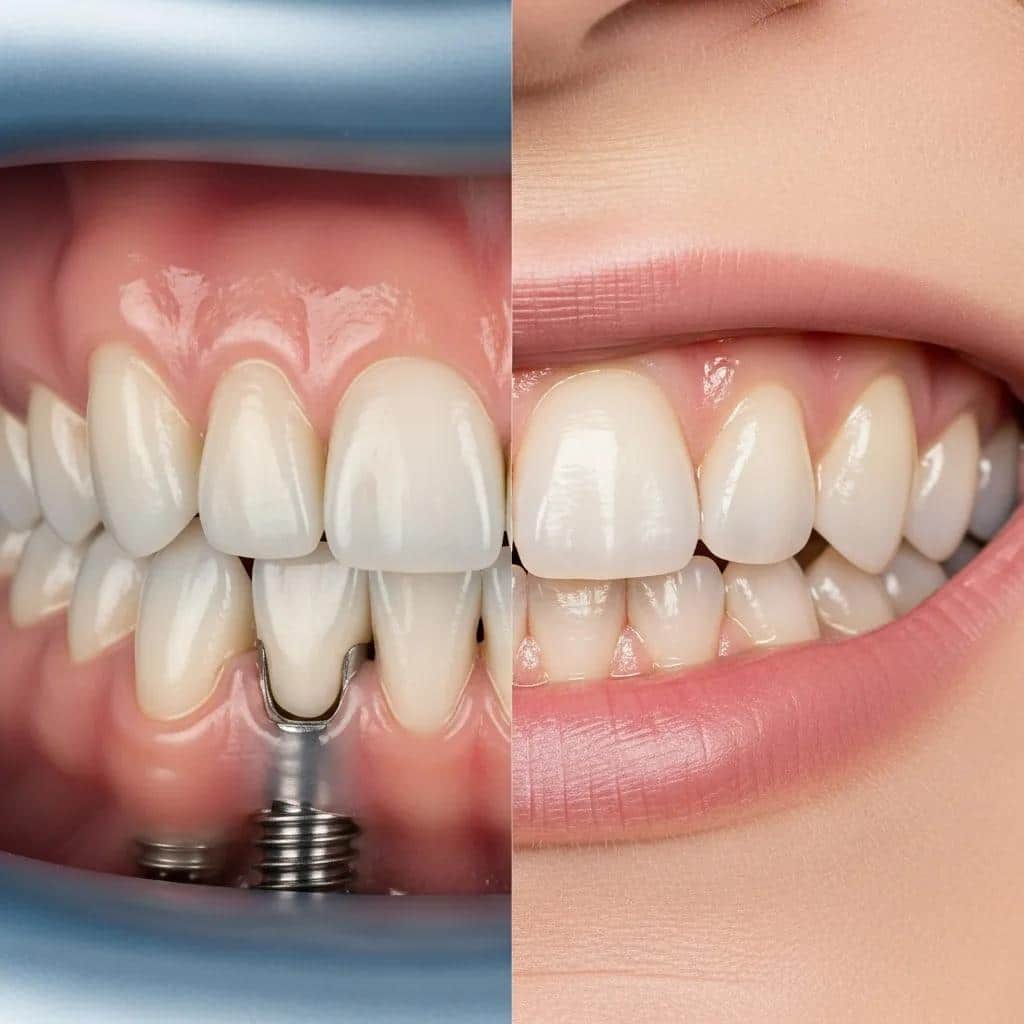
Dental implants are designed to closely resemble natural teeth, but there are key differences in their aesthetics. The visual appeal of dental implants can be influenced by various factors, including the materials used and the integration with the gum line. Understanding these differences can help patients set realistic expectations regarding the appearance of their dental restorations.
What Are the Visual Differences Between Implant Crowns and Natural Enamel?
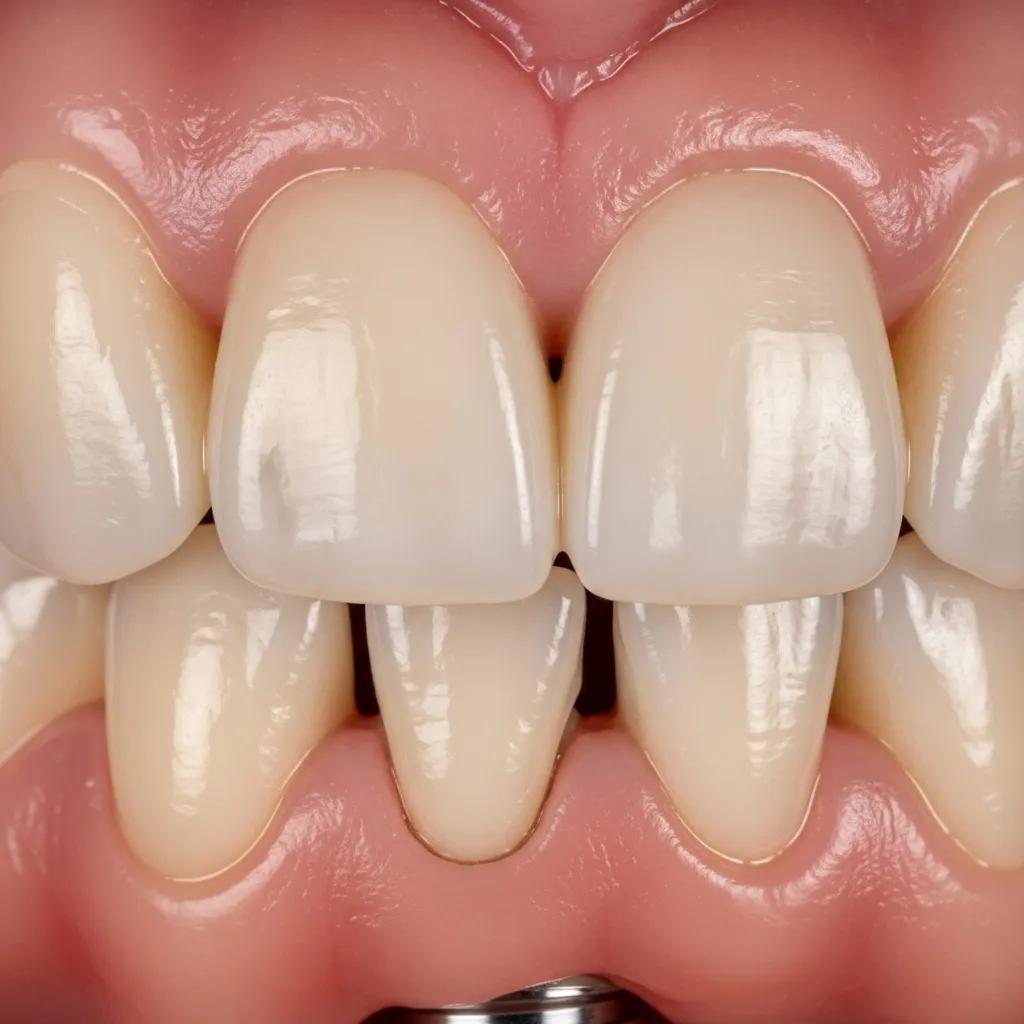
Implant crowns are crafted to mimic the translucency and color of natural enamel, yet they may not perfectly replicate the unique characteristics of natural teeth. For instance, while natural enamel has a slight translucency that allows light to pass through, some implant materials may appear more opaque. Patients often report that well-made implant crowns can achieve a close match to their natural teeth, but subtle differences may still be noticeable, particularly in direct sunlight or under certain lighting conditions.
How Does Gum Line Integration Affect Implant Appearance?
The integration of dental implants with the gum line plays a significant role in their overall aesthetic appeal. A well-placed implant should have a natural-looking gum contour that mimics the appearance of surrounding teeth. Techniques such as soft tissue grafting can enhance gum health and improve the aesthetic outcome by ensuring that the gum line appears natural and harmonious with the implant. Proper gum health is essential for achieving optimal aesthetic results, as it affects how the implant is perceived in relation to natural teeth.
Research further emphasizes the importance of soft tissue grafting in achieving optimal aesthetic outcomes around dental implants.
Soft Tissue Grafting for Enhanced Implant Esthetics
with the esthetic concerns and possible future recession around that implant, soft tissue gingival grafting was recommended to augment the keratinized gingiva and improve esthetics.
Soft tissue grafting to improve implant esthetics, 2010
Which Materials Are Used for Dental Implants and How Do They Affect Appearance?
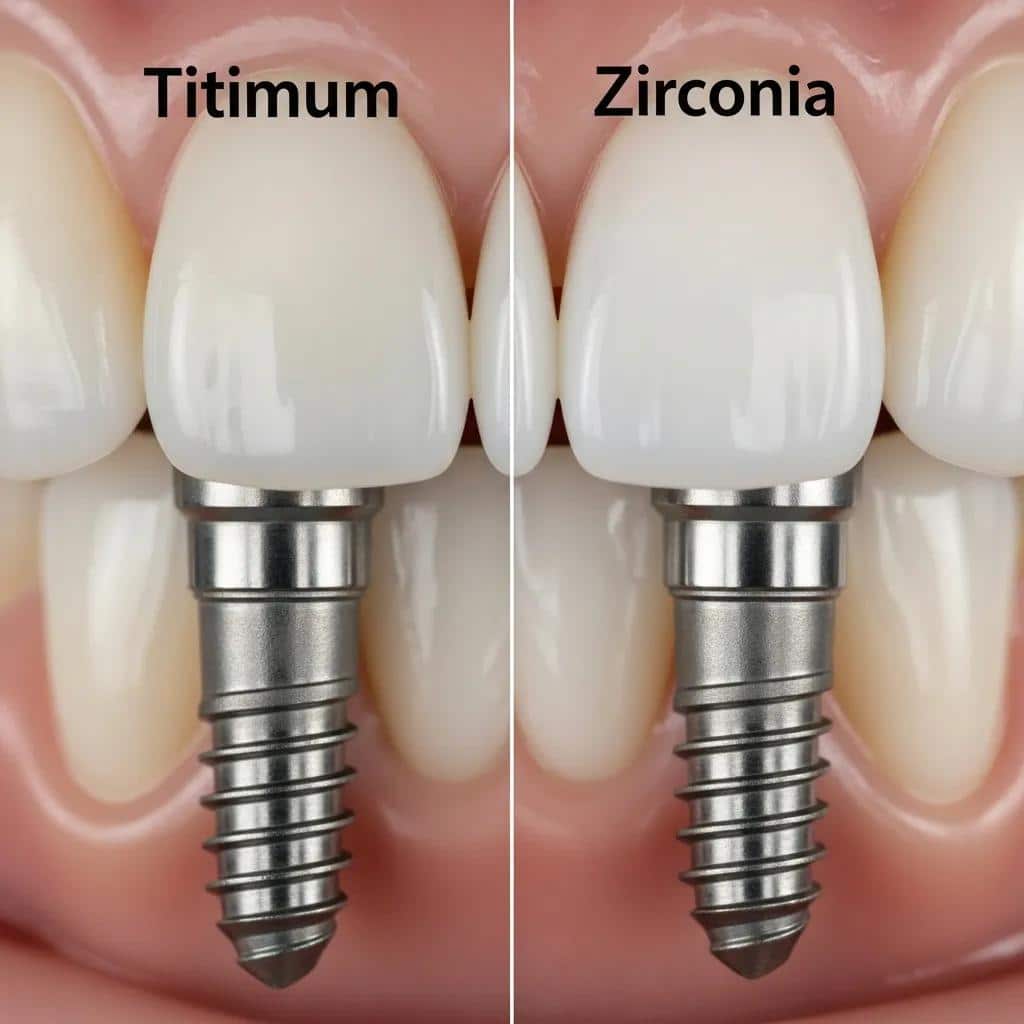
The materials used in dental implants significantly influence their aesthetic properties. Common materials include titanium and zirconia, each offering distinct advantages and aesthetic qualities.
What Are the Aesthetic Properties of Titanium vs. Zirconia Implants?
Titanium dental implants are known for their strength and biocompatibility, making them a popular choice. However, they can sometimes show a grayish hue through the gum tissue, which may be less aesthetically pleasing for some patients. In contrast, zirconia implants are white and can provide a more natural appearance, especially in cases where the gum tissue is thin. Patients often prefer zirconia for its superior aesthetic qualities, particularly in the front of the mouth where visibility is crucial.
A recent systematic review further supports the aesthetic advantages of zirconia implants, especially in visible areas.
Zirconia vs. Titanium Implants: Aesthetic Outcomes & Survival
This systematic review assessed the available evidence on the survival and success rate of zirconia and titanium implants. As secondary outcomes, aesthetic, radiographic and clinical parameters, as well as biological and mechanical complications, were considered. The pink aesthetic score (PES) was higher for zirconia compared to titanium implants. Zirconia implants may be the procedure of choice, particularly in the aesthetic zone, since they show a similar survival and success rate as titanium implants on a short-term follow-up.
Survival and success of zirconia compared with titanium implants: a systematic review and meta-analysis, NM Padhye, 2023
How Do Implant Crown Materials Match Natural Teeth Color and Translucency?
The materials used for implant crowns, such as porcelain or composite resin, are designed to match the color and translucency of natural teeth. Advanced techniques in color matching allow dental professionals to create crowns that blend seamlessly with existing teeth. For instance, custom shading and layering techniques can enhance the natural appearance of the crown, making it difficult to distinguish from surrounding teeth. Case studies have shown that patients who receive well-matched crowns report higher satisfaction with their aesthetic outcomes.
Further research delves into how different abutment materials, like zirconia and titanium, influence the aesthetic response of the surrounding soft tissues.
Peri-Implant Soft Tissue Aesthetics: Zirconia vs. Titanium Abutments
This narrative review compares the peri-implant soft tissue responses around zirconia and titanium abutments in the aesthetic zone, emphasizing their mechanical, biological, and
Comparison of peri-implant soft tissue around zirconia and titanium abutments in the aesthetic zone: A narrative review, 2024
What Are the Maintenance and Longevity Differences Between Implants and Natural Teeth?
Both dental implants and natural teeth require maintenance to ensure their longevity and aesthetic appeal. However, the care routines and expected lifespans can differ significantly.
How Does Care Impact the Aesthetic Lifespan of Implants vs. Natural Teeth?
Regular oral hygiene practices, including brushing and flossing, are essential for both dental implants and natural teeth. However, implants may require additional care to prevent peri-implantitis, an inflammatory condition that can affect the surrounding gum tissue. Patients with implants should maintain regular dental check-ups to monitor the health of their gums and the integrity of the implant. Studies indicate that with proper care, dental implants can last 10-20 years or longer, while natural teeth can last a lifetime with good oral hygiene.
What Are Best Practices for Preserving Implant and Natural Tooth Appearance?
To preserve the appearance of both implants and natural teeth, patients should adhere to the following best practices:
Regular Dental Check-ups: Schedule routine visits to monitor oral health and address any issues promptly.
Daily Oral Hygiene: Brush twice a day and floss daily to remove plaque and prevent gum disease.
Avoid Staining Foods: Limit consumption of foods and beverages that can stain teeth, such as coffee, tea, and red wine.
By following these practices, patients can enhance the longevity and aesthetic appeal of both their implants and natural teeth.
How Can Affordable Dental Implant Options and Payment Plans Support Your Aesthetic Goals?
For those considering dental implants, affordability can be a significant concern. Understanding the available options and payment plans can help make this aesthetic solution more accessible.
What Payment Plans Are Available for Dental Implants?
Many dental service providers offer flexible payment plans to accommodate various budgets. These plans may include financing options that allow patients to spread the cost of their dental implants over time, making it easier to manage expenses. Additionally, some providers accept insurance, which can further reduce out-of-pocket costs.
How to Schedule an Affordable Dental Implant Consultation?
Scheduling a consultation for dental implants is a straightforward process. Patients can reach out to their dental provider to discuss their needs and explore available options. During the consultation, the dentist will assess the patient’s oral health, discuss aesthetic goals, and provide information on the best implant solutions tailored to individual circumstances. For those interested in affordable options, it is advisable to inquire about payment plans and financing during the initial consultation.
To learn more about scheduling an appointment and exploring affordable dental implant solutions, schedule an appointment with a dental professional today.