Dental Implants vs. Dentures: Which Offers Better Comfort for Daily Use?
Choosing between dental implants and dentures is a significant decision for many individuals seeking to restore their smiles and improve their oral health. Both options have their unique advantages and disadvantages, particularly concerning comfort during daily use. This article will explore the key differences in comfort between dental implants and dentures, helping you make an informed choice. We will delve into how dental implants provide superior comfort, common issues faced by denture users, and the procedures involved in obtaining each option. Additionally, we will discuss the cost implications and patient experiences to give you a comprehensive understanding of both choices.
What Are the Key Comfort Differences Between Dental Implants and Dentures?
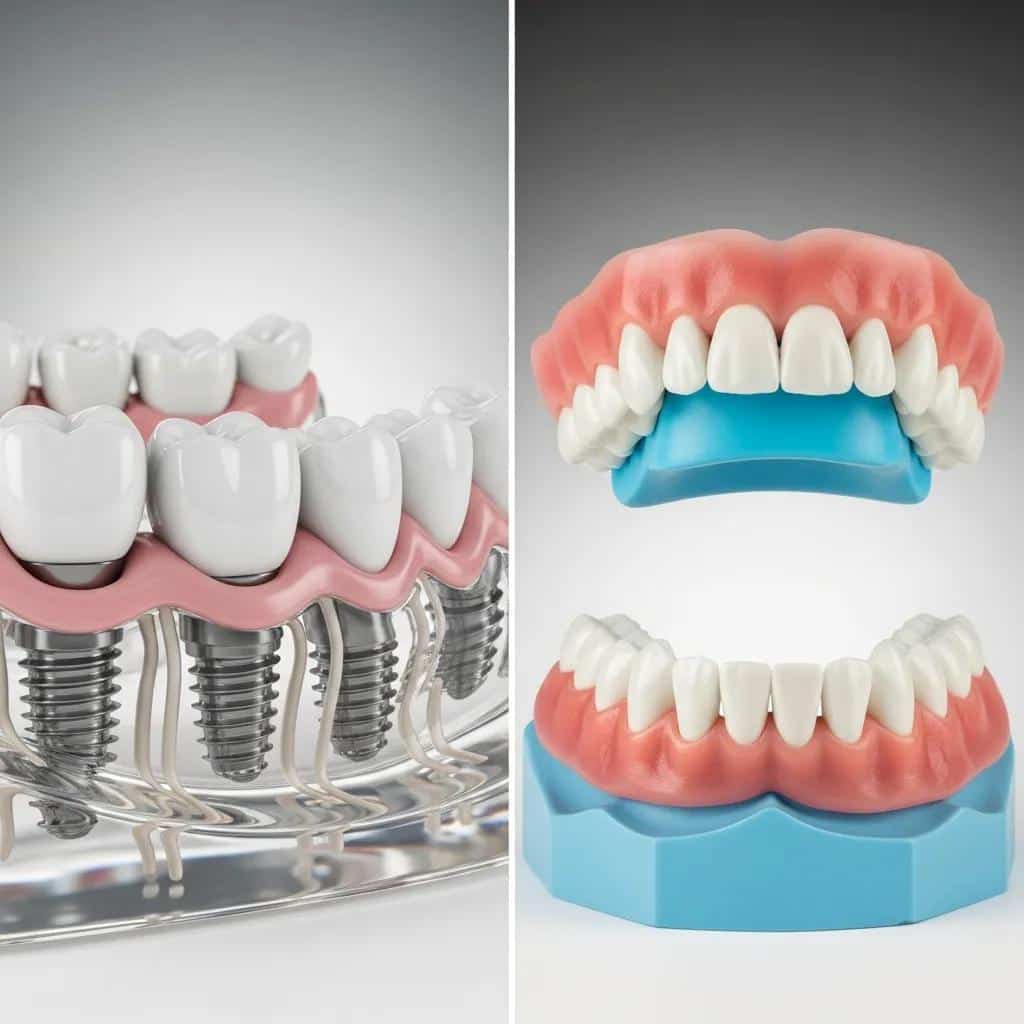
Dental implants and dentures differ significantly in comfort, primarily due to their design and how they interact with the mouth. Dental implants are surgically placed into the jawbone, providing a stable and permanent solution that mimics the feel of natural teeth. This stability allows for better chewing efficiency and less irritation to the gums. In contrast, dentures are removable and can shift during use, leading to discomfort and potential sore spots. Patients often report that implants feel more like their natural teeth, enhancing their overall comfort during daily activities.
How Do Dental Implants Provide Superior Comfort Compared to Dentures?
Dental implants offer several comfort advantages over dentures. First, the stability provided by the implant post, which integrates with the jawbone, ensures that the prosthetic tooth remains securely in place. This stability reduces the risk of slippage, which is a common issue with dentures. Second, dental implants are designed to mimic the natural tooth structure, providing a more familiar feel when chewing and speaking. Lastly, implants do not require the use of adhesives, which can sometimes cause irritation or discomfort for denture wearers.
What Common Denture Comfort Issues Affect Daily Use?
Denture users often face several comfort-related challenges that can impact their daily lives. Common issues include:
Slippage: Dentures can shift or move while eating or speaking, leading to discomfort and embarrassment.
Sore Spots: The pressure from dentures can create sore spots on the gums, especially if the fit is not perfect.
Difficulty Eating: Many denture wearers find it challenging to eat certain foods, particularly those that are hard or sticky, which can lead to frustration.
These issues can significantly affect the quality of life for denture users, making dental implants a more appealing option for many.
How Does the Implant Procedure Compare to Denture Fitting?
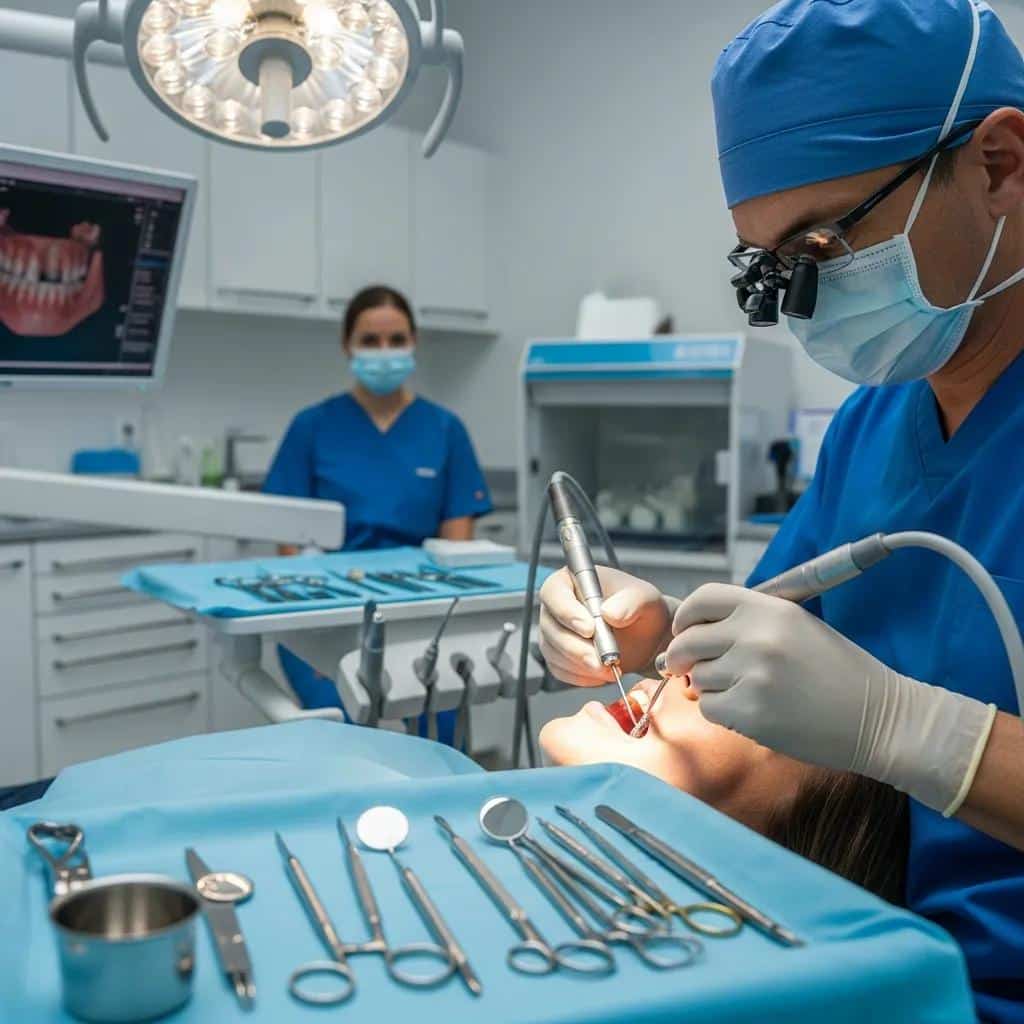
The procedures for obtaining dental implants and fitting dentures differ considerably. Dental implants require a surgical procedure where the implant post is placed into the jawbone. This process typically involves several steps, including initial consultations, imaging, and follow-up appointments. Recovery time can vary, but many patients can return to normal activities within a few days.
In contrast, denture fitting is a non-surgical process that involves taking impressions of the mouth to create a custom fit. While this process is generally quicker, it may require multiple adjustments to ensure comfort and fit. Understanding these differences can help patients prepare for their chosen option.
What Are the Step-by-Step Processes for Getting Dental Implants?
The process of obtaining dental implants involves several key steps:
Initial Consultation: A thorough examination and discussion of the patient’s medical history and dental needs.
Imaging: X-rays or 3D imaging to assess bone density and structure.
Surgical Procedure: Placement of the implant post into the jawbone, followed by a healing period.
Abutment Placement: After healing, an abutment is attached to the implant to hold the crown.
Crown Placement: Finally, a custom crown is placed on the abutment, completing the restoration.
This comprehensive process ensures that dental implants are securely placed and function effectively.
How Is Denture Fitting and Maintenance Managed for Comfort?
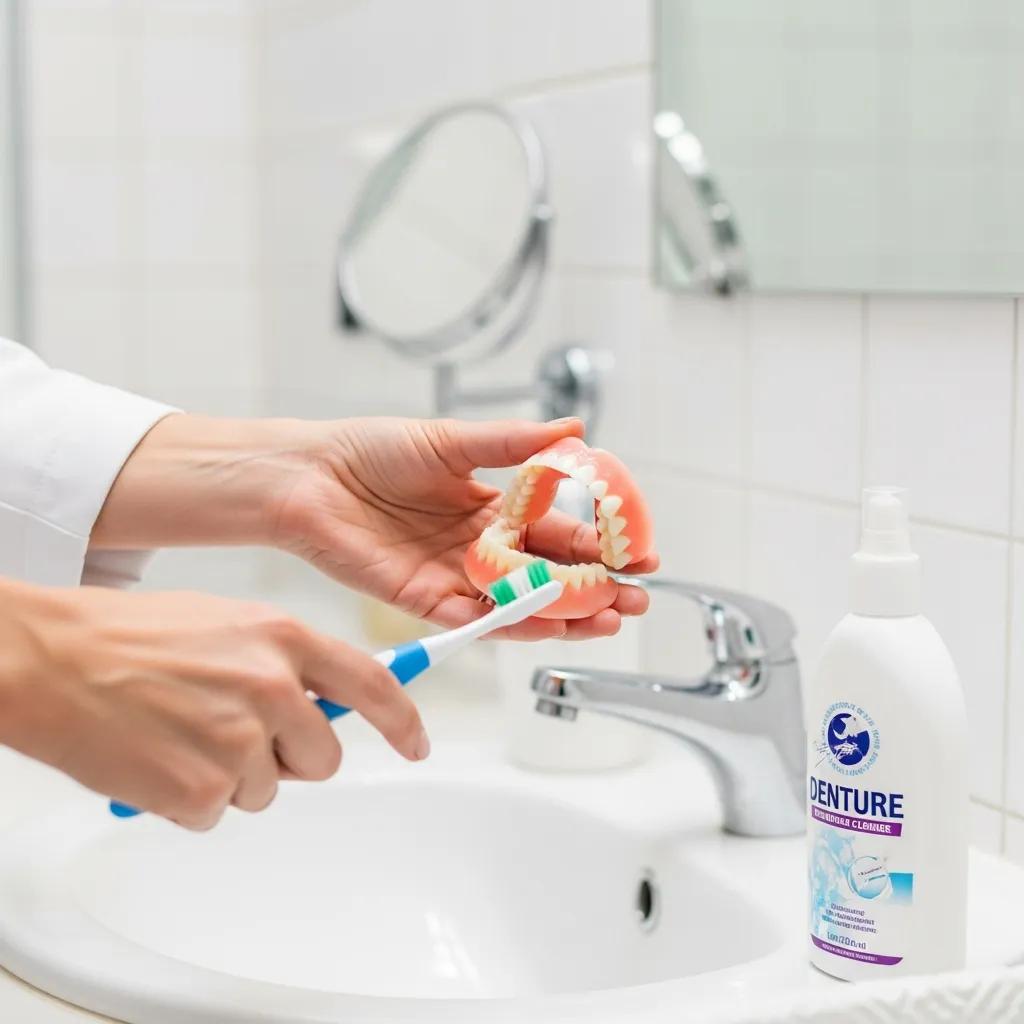
Denture fitting and maintenance are crucial for ensuring comfort and longevity. Regular adjustments may be necessary to accommodate changes in the mouth over time. Denture wearers should also follow a strict cleaning routine to prevent plaque buildup and maintain oral hygiene. This includes:
Daily Cleaning: Rinsing and brushing dentures to remove food particles and bacteria.
Soaking: Using a denture cleaner to soak dentures overnight.
Regular Check-ups: Visiting the dentist for adjustments and evaluations to ensure a proper fit.
These practices can help mitigate discomfort and enhance the overall experience of wearing dentures.
What Are the Cost Differences Between Dental Implants and Dentures?
When considering dental implants versus dentures, cost is a significant factor. Dental implants typically have a higher initial cost due to the surgical procedure and materials involved. However, they may offer long-term savings due to their durability and lower maintenance needs. In contrast, dentures are generally less expensive upfront but may require more frequent replacements and adjustments over time.
Treatment Option
Initial Cost
Longevity
Maintenance Costs
Dental Implants
Higher
10-15 years
Low
Dentures
Lower
5-10 years
Moderate to High
This table illustrates the financial considerations that patients should weigh when deciding between the two options.
How Do Payment Plans Make Dental Implants More Affordable?
Many dental practices offer payment plans to make dental implants more accessible. These plans can help spread the cost over time, making it easier for patients to manage their finances while receiving the care they need. Options may include:
Monthly Payment Plans: Allowing patients to pay in installments.
Financing Options: Collaborations with third-party financing companies to offer low-interest loans.
Insurance Coverage: Some insurance plans may cover a portion of the costs associated with dental implants.
These options can significantly reduce the financial burden of dental implants, making them a viable choice for more patients.
What Is the Long-Term Cost Benefit of Choosing Implants Over Dentures?
Choosing dental implants over dentures can provide significant long-term cost benefits. While the initial investment is higher, implants often last longer and require less maintenance. This durability can lead to lower overall costs in the long run, as patients may avoid the frequent replacements and adjustments associated with dentures. Additionally, the improved quality of life and comfort that implants provide can justify the initial expense for many individuals.
What Do Patients Say About Comfort: Dental Implants vs. Dentures?
Patient testimonials reveal a clear preference for dental implants when it comes to comfort. Many individuals report that implants feel more natural and secure compared to dentures. They appreciate the ability to eat a wider variety of foods without fear of slippage or discomfort. Conversely, denture wearers often express frustration with the fit and the need for adhesives to maintain stability.
Which Comfort Experiences Do Patients Report with Dental Implants?
Natural Feel: Many describe implants as feeling just like their natural teeth.
Enhanced Confidence: The stability of implants boosts confidence in social situations.
Improved Functionality: Patients report better chewing ability and comfort while eating.
Further research supports these anecdotal reports, highlighting the long-term satisfaction and improved quality of life experienced by dental implant patients.
Long-Term Patient Satisfaction & Comfort with Dental Implants
Patients’ satisfaction also plays a very important role in daily practice. Therefore, the aim of this study was to assess patients’ satisfaction regarding function (phonetics, chewing comfort, stability, cleanability) and aesthetics in patients treated with XiVE and Frialite implants in a private periodontal practice ten years after implant placement. Furthermore, oral health-related quality of life (OHRQoL) was evaluated.
Patient satisfaction and oral health-related quality of life 10 years after implant placement, D Bäumer, 2021
What Are Common Patient Complaints Regarding Denture Comfort?
Discomfort: Many experience soreness or irritation from the denture base.
Adjustment Issues: Frequent adjustments are often necessary to maintain comfort.
Food Limitations: Some patients find it challenging to eat certain foods comfortably.
These insights underscore the importance of considering comfort when choosing between dental implants and dentures.
How Long Do Dental Implants Last Compared to Dentures?
Dental implants typically last significantly longer than dentures. While dentures may need to be replaced every 5-10 years, dental implants can last 10-15 years or more with proper care. Factors influencing longevity include oral hygiene, regular dental visits, and lifestyle choices. This durability makes implants a more appealing option for many individuals seeking a long-term solution.
What Are the Long-Term Benefits of Dental Implants for Daily Comfort?
The long-term benefits of dental implants extend beyond mere durability. Patients often report sustained comfort and functionality over the years. The integration of the implant with the jawbone helps maintain bone density, preventing the facial changes that can occur with missing teeth. This stability contributes to a more youthful appearance and improved quality of life.
Considering a dentist in Fort Worth? Affordable Dentist Near Me offers comprehensive dental services to meet your needs.
How Does Denture Maintenance Impact Their Longevity and Comfort?
Proper denture maintenance is crucial for ensuring both longevity and comfort. Regular cleaning and adjustments can prevent issues such as sore spots and discomfort. Additionally, patients should be aware of the signs that their dentures may need replacement, such as persistent discomfort or difficulty chewing. By prioritizing maintenance, denture wearers can enhance their overall experience and prolong the life of their prosthetics.
To schedule an appointment with a dentist, click here.