Understanding the Longevity of Dental Solutions: Dental Implant Lifespan and Denture Durability Explained for Affordable Tooth Replacement
Dental solutions such as implants and dentures play a crucial role in restoring oral function and aesthetics for individuals with missing teeth. Understanding the longevity of these options is essential for making informed decisions about tooth replacement. This article delves into the lifespan of dental implants compared to dentures, exploring factors that influence their durability and maintenance. Many patients face the challenge of choosing between these two solutions, often weighing the initial costs against long-term benefits. By examining the average lifespans, replacement needs, and key factors affecting durability, readers will gain valuable insights into which option may be best suited for their needs. We will also discuss the costs associated with each solution and how to access affordable dental care in Fort Worth.
How Long Do Dental Implants Last Compared to Dentures?
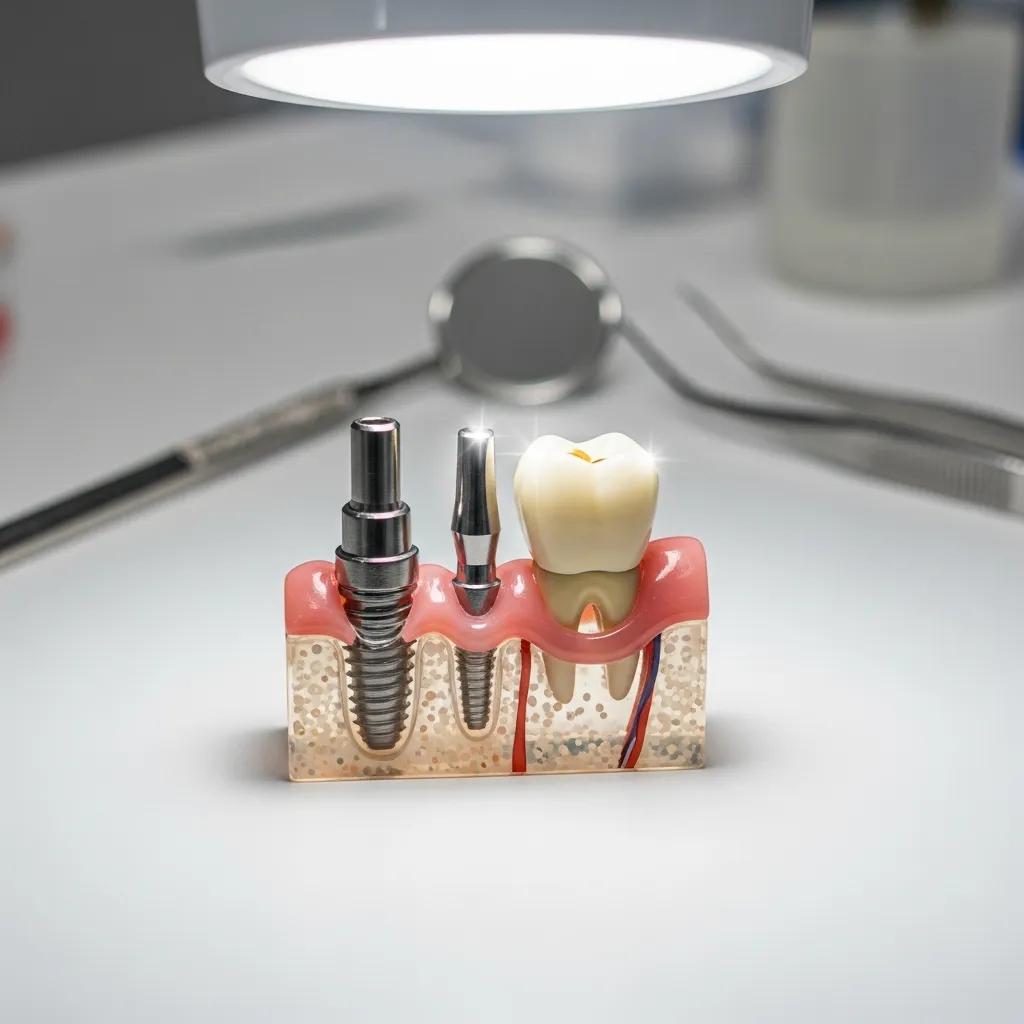
Dental implants typically last significantly longer than dentures, making them a preferred choice for many patients. On average, dental implants can last 10 to 15 years, and with proper care, some can even last a lifetime. In contrast, dentures generally need to be replaced every 5 to 10 years due to wear and changes in the mouth’s structure. Factors such as oral hygiene, lifestyle choices, and the quality of the dental work performed can greatly influence the longevity of both solutions. Understanding these differences is crucial for patients considering their options for tooth replacement.
What Is the Average Lifespan of Dental Implants?
The average lifespan of dental implants is influenced by several factors, including the patient’s oral health, the quality of the implant, and the skill of the dental professional. Typically, dental implants can last anywhere from 10 to 15 years, with some patients enjoying them for over 20 years. Regular dental check-ups and good oral hygiene practices, such as brushing and flossing, play a significant role in extending the life of implants. Patients who maintain their oral health and follow their dentist’s recommendations are more likely to experience long-lasting results.
How Often Do Dentures Need Replacement?
Dentures require replacement every 5 to 10 years, depending on various factors such as wear and tear, changes in the jawbone, and the fit of the dentures. Over time, the bone structure in the jaw can change, leading to a poor fit and discomfort. Signs that dentures may need replacement include difficulty chewing, soreness in the gums, and visible wear. Regular dental visits can help assess the condition of dentures and determine the appropriate time for replacement.
What Are the Key Factors Affecting Implant and Denture Durability?
Several key factors influence the durability of both dental implants and dentures. For implants, the quality of the materials used, the surgical technique, and the patient’s overall health are critical. Patients with conditions such as diabetes or those who smoke may experience reduced implant success rates. For dentures, the materials used, the fit, and the patient’s oral hygiene practices are essential for longevity. Understanding these factors can help patients make informed decisions about their dental solutions.
Indeed, a comprehensive approach to patient assessment and surgical precision is paramount for long-term implant success.
Factors for Dental Implant Longevity & Failure Prevention
regarding medical conditions and smoking, meticulous surgical technique, and appropriate prosthetic planning, is vital for improving implant longevity and minimizing failure rates.
Factors affecting dental implant failure: A retrospective analysis, 2025
How Do Materials Influence Longevity?
The materials used in dental implants and dentures significantly impact their longevity. Dental implants are typically made from titanium or zirconia, both of which are biocompatible and resistant to corrosion. These materials promote osseointegration, where the implant fuses with the jawbone, providing a stable foundation. On the other hand, dentures are often made from acrylic or a combination of acrylic and metal. While modern materials have improved the durability of dentures, they still require regular replacement due to wear and changes in the mouth.
Research further supports the superior osseointegration and durability of these advanced materials in dental implants.
Zirconia vs. Titanium Dental Implants: Osseointegration & Durability
Titanium and titanium alloys are widely used for fabrication of dental implants. Since the material composition and the surface topography of a biomaterial play a fundamental role in osseointegration, various chemical and physical surface modifications have been developed to improve osseous healing. Zirconia-based implants were introduced into dental implantology as an altenative to titanium implants. Zirconia seems to be a suitable implant material because of its tooth-like colour, its mechanical properties and its biocompatibility. As the osseointegration of zirconia implants has not been extensively investigated, the aim of this study was to compare the osseous healing of zirconia implants with titanium implants which have a roughened surface but otherwise similar implant geometries.
Osseointegration of zirconia implants compared with titanium: an in vivo study, 2008
What Role Does Patient Maintenance Play?
Patient maintenance is crucial for the longevity of both dental implants and dentures. For implants, regular brushing, flossing, and dental check-ups are essential to prevent infections and ensure the implant remains secure. Patients should also avoid habits such as smoking, which can negatively affect oral health. For dentures, daily cleaning and proper storage are vital to prevent damage and maintain hygiene. Patients should follow their dentist’s recommendations for care to maximize the lifespan of their dental solutions.
How Do Costs and Payment Plans Compare for Implants and Dentures?
When considering dental solutions, understanding the costs and available payment plans is essential. Dental implants generally have a higher upfront cost, often ranging from $3,000 to $5,000 per implant, depending on the complexity of the procedure and the materials used. In contrast, dentures can cost between $1,000 and $3,000 for a complete set, making them a more affordable initial option. However, the long-term costs of dentures, including replacements and adjustments, can add up.
Despite the higher initial investment, many patients perceive dental implants as a more valuable and cost-effective long-term solution.
Dental Implants vs. Dentures: Cost-Effectiveness & Patient Value
with conventional dentures or dental implants; 70% of those with implants were willing to pay three times the cost of conventional dentures for implants, rising to 96% of implant wearers
Evaluating the health economic implications and cost-effectiveness of dental implants: a literature review., 2013
Affordable Dentist Near Me offers flexible payment plans to help patients manage the costs of both implants and dentures, ensuring that high-quality dental care is accessible to everyone in Fort Worth.
Solution Type
Average Cost
Lifespan
Replacement Frequency
Dental Implants
$3,000 – $5,000
10-15 years
As needed
Dentures
$1,000 – $3,000
5-10 years
Every 5-10 years
This comparison highlights the importance of considering both initial costs and long-term investments when choosing between dental implants and dentures.
What Is the Typical Cost of Dental Implants?
The typical cost of dental implants can vary widely based on several factors, including the type of implant, the complexity of the procedure, and the geographic location of the dental practice. On average, patients can expect to pay between $3,000 and $5,000 per implant. This cost often includes the implant itself, the abutment, and the crown. Patients should also consider additional costs for any necessary preparatory procedures, such as bone grafting, which can further increase the overall expense.
How Affordable Are Dentures and What Payment Options Exist?
Dentures are generally more affordable than dental implants, with costs ranging from $1,000 to $3,000 for a complete set. Many dental practices, including Affordable Dentist Near Me, offer various payment options to make dentures more accessible. These options may include financing plans, insurance coverage, and discounts for upfront payments. Patients should discuss their financial situation with their dentist to explore the best payment solutions available.
Who Is Eligible for Dental Implants Versus Dentures?
Eligibility for dental implants versus dentures depends on several factors, including oral health, bone density, and personal preferences. Generally, patients with good oral health and sufficient bone density are ideal candidates for dental implants. Those with significant bone loss may require additional procedures, such as bone grafting, to support the implant. Conversely, dentures are suitable for patients who may not be candidates for implants due to health issues or those seeking a more affordable solution.
What Are the Patient Requirements for Implant Procedures?
Patients considering dental implants must meet specific requirements to ensure a successful outcome. These requirements typically include good overall health, sufficient bone density to support the implant, and a commitment to maintaining oral hygiene. Before the procedure, patients will undergo a thorough evaluation, including X-rays and possibly a CT scan, to assess their suitability for implants. Following the procedure, patients must adhere to aftercare instructions to promote healing and implant success.
When Are Dentures Recommended Instead?
Dentures are often recommended for patients who may not be suitable candidates for dental implants due to health concerns, insufficient bone density, or financial constraints. They provide a viable solution for restoring function and aesthetics without the need for surgical intervention. Additionally, dentures can be a temporary solution while patients explore options for implants or other dental treatments.
What Are the Best Aftercare and Maintenance Tips to Extend Longevity?
To extend the longevity of dental implants and dentures, patients should follow specific aftercare and maintenance tips. For dental implants, regular dental check-ups, proper brushing and flossing, and avoiding hard foods are essential. Patients should also refrain from smoking, as it can hinder healing and implant success. For dentures, daily cleaning with a soft brush, soaking in a denture solution, and regular dental visits for adjustments are crucial for maintaining fit and comfort.
How Should You Care for Dental Implants?
Caring for dental implants involves maintaining excellent oral hygiene and attending regular dental check-ups. Patients should brush their teeth at least twice a day and floss daily to prevent plaque buildup around the implant. Using an antibacterial mouthwash can also help reduce the risk of infection. Regular visits to the dentist for professional cleanings and examinations are vital to ensure the implant remains healthy and functional.
What Are Effective Denture Maintenance Practices?
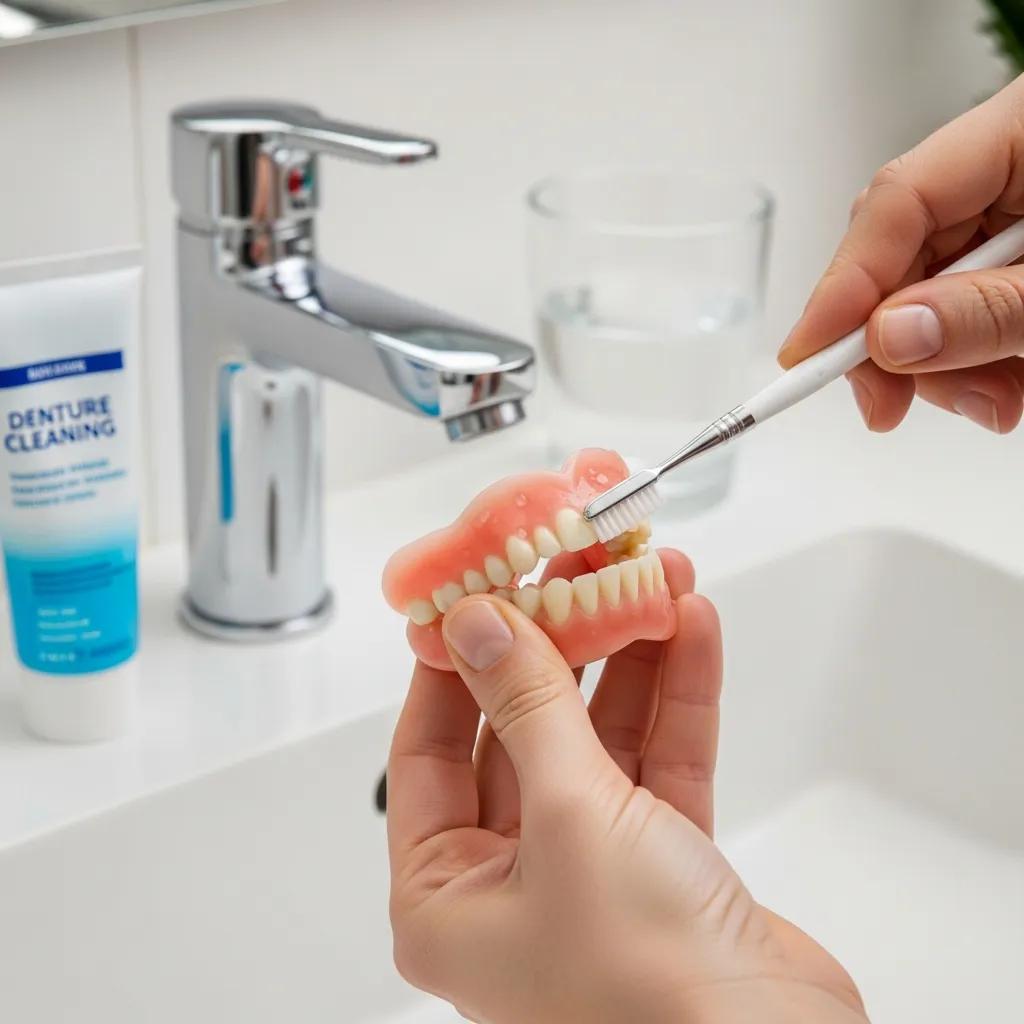
Effective denture maintenance practices include daily cleaning, proper storage, and regular dental check-ups. Patients should clean their dentures with a soft brush and mild soap or a denture cleaner to remove food particles and plaque. Soaking dentures overnight in a denture solution can help maintain their shape and prevent staining. Additionally, patients should visit their dentist regularly to ensure the dentures fit properly and to make any necessary adjustments.
How Can You Schedule an Affordable Dental Implant or Denture Appointment in Fort Worth?
Scheduling an appointment for dental implants or dentures in Fort Worth is straightforward. Patients can contact Affordable Dentist Near Me to discuss their needs and explore available options. The dental team will guide patients through the process, including consultations, treatment plans, and financing options. Flexible scheduling is available to accommodate patients’ busy lifestyles, ensuring that everyone can access the dental care they need.
What Are the Steps to Book a Consultation?
Booking a consultation for dental implants or dentures typically involves a few simple steps. First, patients should contact the dental office to express their interest in a consultation. Next, they will provide basic information about their dental history and current concerns. Finally, the dental team will schedule an appointment at a convenient time, during which a thorough evaluation will be conducted to determine the best treatment options.
How Do Flexible Payment Plans Support Accessibility?
Flexible payment plans play a crucial role in making dental care more accessible to patients. Many dental practices, including Affordable Dentist Near Me, offer financing options that allow patients to spread the cost of treatment over time. This approach enables individuals to receive necessary dental care without the burden of upfront costs. By discussing payment options with their dentist, patients can find a plan that fits their budget and ensures they receive the care they need.
To further assist you, schedule an appointment with Affordable Dentist Near Me in Fort Worth. Our team is ready to help you achieve a healthy and confident smile.