Exploring the Hidden Variables Behind the Longevity of Dental Restorations: A Comprehensive Patient Guide
Dental restorations, including dental implants, crowns, and fillings, play a crucial role in maintaining oral health and functionality. Understanding the factors that influence their longevity is essential for patients seeking to maximize their investment in dental care. This comprehensive guide will explore the hidden variables that affect the lifespan of dental restorations, providing valuable insights for patients. Many individuals are unaware of how their choices and habits can impact the durability of these restorations. By understanding these factors, patients can make informed decisions that enhance the longevity of their dental work. This article will cover the typical lifespans of common dental restorations, the patient factors that influence longevity, the role of materials and dentist skills, common causes of restoration failure, proactive maintenance strategies, and how Affordable Dentist Near Me of Tyler can support patients in achieving optimal restoration longevity.
What Are the Typical Lifespans of Common Dental Restorations?
Dental restorations vary significantly in their expected lifespans, influenced by factors such as material quality, placement technique, and patient care. Understanding these lifespans helps patients set realistic expectations and plan for future dental needs.
How Long Do Dental Implants Last and What Influences Their Durability?
Dental implants are designed to be a long-term solution, often lasting 20 years or more with proper care. Factors influencing their durability include the quality of the implant material, the skill of the dentist during placement, and the patient’s oral hygiene practices. Regular maintenance and check-ups can significantly enhance the longevity of dental implants, ensuring they remain functional and aesthetically pleasing.
What Is the Average Lifespan of Dental Crowns and Fillings?
Dental crowns and fillings typically last between 5 to 15 years, depending on the materials used and the patient’s oral hygiene. For instance, porcelain crowns may last 10 to 15 years or longer due to their durability and resistance to wear, while composite fillings generally last 5 to 7 years. Patients who maintain good oral hygiene and attend regular dental check-ups can expect their restorations to last on the higher end of this range.
Which Patient Factors Most Impact Dental Restoration Longevity?
How Do Oral Hygiene and Lifestyle Choices Affect Restoration Durability?
Oral hygiene plays a critical role in the longevity of dental restorations. Patients who practice regular brushing, flossing, and routine dental visits are more likely to maintain their restorations for longer periods. Additionally, lifestyle choices such as diet, smoking, and alcohol consumption can adversely affect oral health, leading to potential restoration failure.
What Role Do Health Conditions Like Diabetes and Bone Density Play?
Health conditions such as diabetes and low bone density can significantly impact the success of dental restorations. Diabetes can hinder healing and increase the risk of infection, while low bone density may affect the stability of dental implants. Patients with these conditions should work closely with their dental professionals to develop tailored care plans that address their specific health needs.
How Do Material and Dentist Factors Influence Restoration Success?
What Are the Best Materials for Long-Lasting Dental Implants and Crowns?
The choice of materials for dental restorations can greatly influence their longevity. Titanium is commonly used for dental implants due to its biocompatibility and strength. For crowns, materials such as porcelain-fused-to-metal or all-ceramic options provide excellent durability and aesthetic appeal. Patients should discuss material options with their dentist to select the best fit for their needs.
How Does Dentist Skill and Technique Affect Restoration Lifespan?
The skill and technique of the dentist are paramount in ensuring the success of dental restorations. Experienced dentists are more likely to employ precise techniques that enhance the fit and function of restorations. Patients should seek out qualified dental professionals with a proven track record in restorative dentistry to ensure optimal outcomes.
What Are the Common Causes of Dental Restoration Failure and How Can They Be Prevented?
How Does Secondary Caries Lead to Restoration Failure?
Secondary caries, or decay that occurs around existing restorations, is a leading cause of restoration failure. This can happen due to inadequate oral hygiene or improper sealing of the restoration. Patients can prevent secondary caries by maintaining excellent oral hygiene and attending regular dental check-ups to monitor the health of their restorations.
Further research highlights advanced methods and materials that can aid in preventing secondary caries and enhancing restoration longevity.
Preventing Secondary Caries for Restoration Longevity
To prevent secondary caries development in high-risk patients, the Nd-YAG laser is useful in prevention of dental caries, including during orthodontic treatment.
Cavity preparation and influence of restorative materials on the prevention of secondary caries, PM de Freitas, 2009
What Maintenance Practices Extend the Life of Dental Restorations?
Regular maintenance practices are essential for extending the life of dental restorations. Patients should adhere to the following practices:
Daily Oral Hygiene: Brush twice a day and floss daily to remove plaque and food particles.
Regular Dental Visits: Schedule check-ups at least twice a year for professional cleanings and assessments.
Avoid Hard Foods: Be cautious with hard foods that can damage restorations.
Implementing these practices can significantly enhance the longevity of dental restorations.
How Can Patients Proactively Maintain Their Dental Restorations for Maximum Durability?
What Daily Care Routines Support Implant and Crown Longevity?
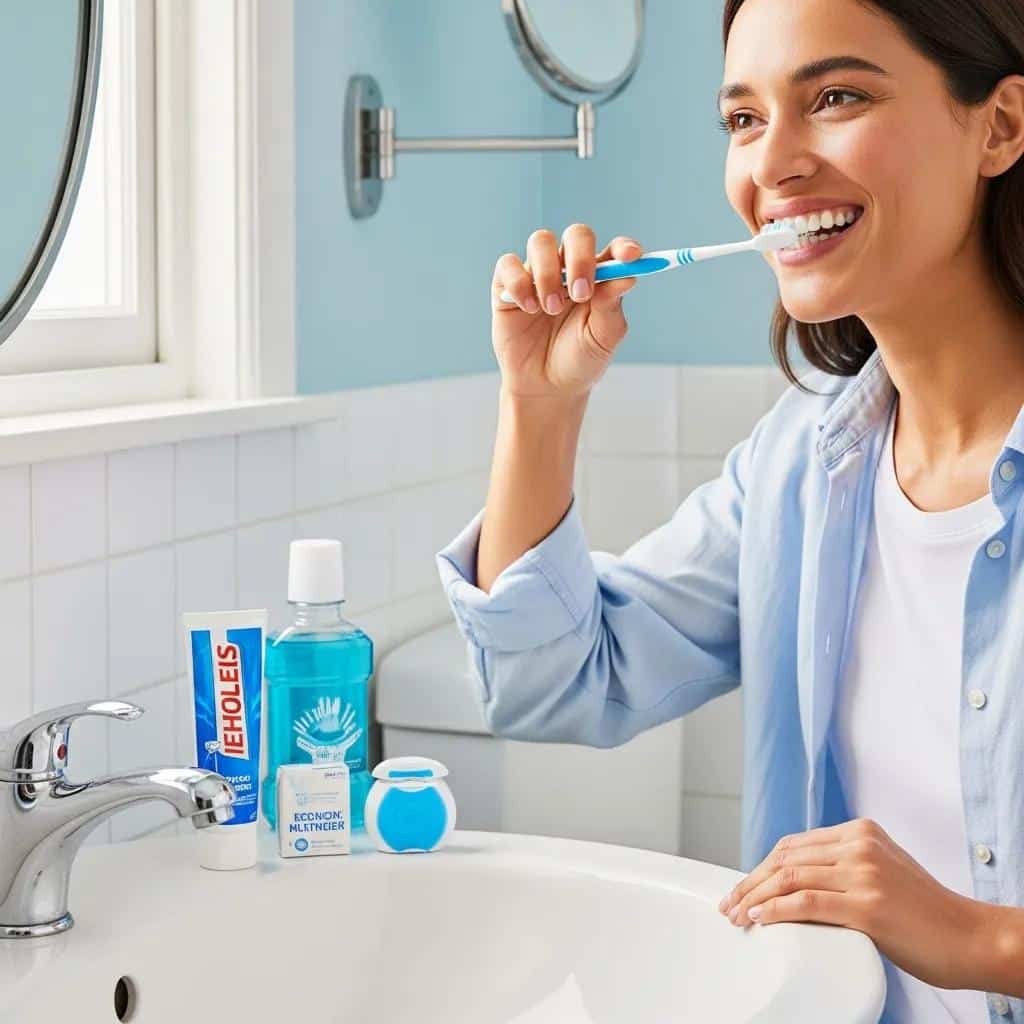
Daily care routines that include proper brushing and flossing techniques are vital for the longevity of dental implants and crowns. Patients should use a soft-bristled toothbrush and fluoride toothpaste, and consider using an antibacterial mouthwash to reduce plaque buildup.
Why Are Regular Dental Visits Crucial for Restoration Health?
Regular dental visits are crucial for monitoring the health of dental restorations. During these visits, dentists can identify potential issues early and provide necessary interventions. Patients should prioritize these appointments to ensure their restorations remain in optimal condition.
When Should Patients Consider Replacement or Repair of Dental Restorations?
What Are the Signs of Failing Dental Implants and Crowns?
Signs of failing dental implants and crowns may include pain, swelling, mobility of the implant or crown, or visible damage to the restoration. Patients should be vigilant for these symptoms and consult their dentist promptly if they notice any changes.
How Does the Consultation Process Help Determine Next Steps?
The consultation process is vital for determining the appropriate next steps for failing restorations. During a consultation, dentists can assess the condition of the restoration and recommend repair or replacement options based on the patient’s specific needs.
How Does Affordable Dentist Near Me of Tyler Enhance Restoration Longevity?
Affordable Dentist Near Me of Tyler is committed to enhancing the longevity of dental restorations through advanced techniques and patient education.
What Advanced Materials and Techniques Are Used in Tyler, TX?
The practice utilizes high-quality materials and state-of-the-art techniques to ensure the durability of dental restorations. By employing advanced bonding agents and precision placement techniques, the team at Affordable Dentist Near Me of Tyler maximizes the lifespan of each restoration.
How Do Free Consultations Support Patient Education and Care?
Affordable Dentist Near Me of Tyler offers free consultations to educate patients about their dental options. This initiative empowers patients to make informed decisions regarding their dental care, ultimately supporting the longevity of their restorations.
What Are the Latest Research Insights and Statistics on Dental Restoration Longevity?
Recent research provides valuable insights into the longevity of dental restorations, helping patients understand what to expect.
What Do Recent Studies Reveal About Implant and Crown Success Rates?
Recent studies indicate that dental implants have a success rate of approximately 95% to 98% after 10 years, while crowns can last 10 to 15 years or longer with proper care. These statistics underscore the importance of patient involvement in maintaining restoration health.
How Can Patients Use This Information to Make Informed Decisions?
Patients can use this information to make informed decisions about their dental care. Understanding the factors that influence restoration longevity allows patients to prioritize their oral health and choose the best options for their needs.