Effective Treatments for Dental Implant Failures: Comprehensive Solutions and Patient Care in Mansfield, TX
Dental implant failures can be a distressing experience for patients, often leading to discomfort and uncertainty about their oral health. This article aims to provide a comprehensive overview of effective treatments for dental implant failures, focusing on the causes, diagnosis, and various treatment options available. Understanding these aspects is crucial for patients who may be facing complications with their dental implants. We will explore common causes and signs of implant failure, diagnostic methods, non-surgical and surgical treatment options, and preventive strategies. Additionally, we will highlight the expertise of Dentist In Mansfield – Dentures and Dental Implants in addressing these issues.
What Are the Common Causes and Signs of Dental Implant Failure?
Dental implant failure can occur due to various factors, and recognizing the signs early is essential for effective intervention.
Which Factors Lead to Dental Implant Failure?
Several factors can contribute to dental implant failure, including biological, mechanical, and patient-related issues. Biological factors may involve insufficient bone density or quality, which can hinder the implant’s ability to integrate with the jawbone. Mechanical issues, such as improper placement or excessive occlusal forces on the implant, can also lead to complications. Additionally, patient-related factors, including poor oral hygiene and underlying health conditions like uncontrolled diabetes or smoking, can significantly increase the risk of failure.
What Symptoms Indicate a Failing Dental Implant?
Patients should be aware of symptoms that may indicate a failing dental implant. Common signs include persistent pain around the implant site, mobility of the implant, and visible signs of infection, such as swelling, redness, or pus. Early detection of these symptoms is crucial, as it allows for timely intervention and can improve treatment outcomes.
How Is Dental Implant Failure Diagnosed and Evaluated?
Diagnosing dental implant failure involves a thorough evaluation of the patient’s oral health and the implant’s condition.
What Diagnostic Methods Are Used for Detecting Implant Complications?
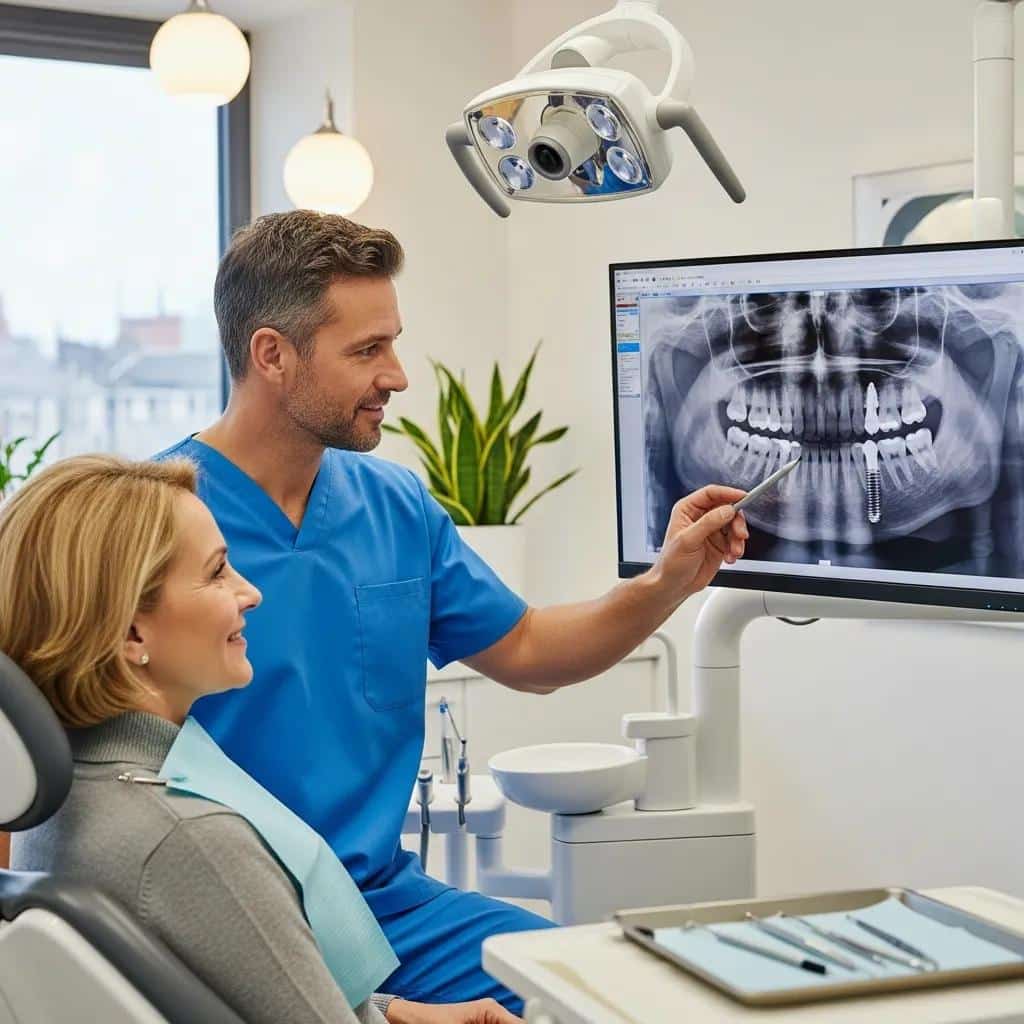
Diagnostic methods for detecting complications include imaging techniques such as periapical and panoramic X-rays, and in some cases, cone-beam computed tomography (CBCT) scans, which provide detailed views of the implant’s position and surrounding bone structure. Clinical evaluations, including probing around the implant to assess peri-implant tissue health, help evaluate the condition of the surrounding tissues. Patient interviews are also essential to gather information about symptoms and any changes in oral health.
Research further supports the efficacy of advanced imaging techniques like CBCT in accurately diagnosing peri-implant bone loss.
CBCT for Diagnosing Peri-Implant Bone Loss
These were chosen so as to provide a broad coverage of studies describing the use of CBCT in the field of peri-implant disease.
Diagnostic performance of cone beam computed tomography in assessing peri‐implant bone loss:
A systematic review, G Pelekos, 2018
How Does Early Diagnosis Improve Treatment Outcomes?
Early diagnosis of dental implant failure can significantly improve treatment outcomes. Timely intervention can lead to higher success rates and reduced costs associated with corrective procedures. Patients who receive early diagnosis are more likely to experience better overall health and satisfaction with their dental implants.
What Are the Non-Surgical Treatment Options for Peri-Implantitis and Implant Failure?
Non-surgical treatment options are often the first line of defense against peri-implantitis and other forms of implant failure.
How Does Debridement and Antibiotic Therapy Help?
Debridement involves the removal of infected tissue and debris around the implant, which can help restore health to the surrounding tissues. Antibiotic therapy is often used in conjunction with debridement to eliminate bacterial infections that may be contributing to the failure. This combination can effectively manage peri-implantitis and promote healing, although success depends on the severity of the condition.
What Role Does Laser Therapy Play in Treating Peri-Implantitis?
Laser therapy is an adjunctive approach to treating peri-implantitis. It utilizes focused light energy to target and reduce bacterial load and infected tissue while promoting healing in the surrounding areas. Some studies suggest that laser therapy can enhance the effectiveness of traditional treatments and improve patient outcomes, but it is generally used alongside conventional therapies rather than as a standalone treatment.
When Is Dental Implant Revision Surgery Necessary and What Does It Involve?
In some cases, revision surgery may be necessary to address failed dental implants.
What Are the Steps in Removing and Replacing a Failed Implant?
The process of removing and replacing a failed implant typically involves several steps. First, the dentist will assess the implant and surrounding bone to determine the best approach. The failed implant is then carefully removed, and any damaged bone may be treated or augmented. After adequate healing, a new implant can be placed, often with the use of bone grafting to ensure proper integration.
How Is Bone Grafting Used in Implant Revision Procedures?
Bone grafting is a critical component of many implant revision procedures. It involves the addition of bone material to the jaw to enhance its density and volume, providing a stable foundation for the new implant. Various types of grafts can be used, including autografts (from the patient), allografts (donor bone), xenografts (animal-derived), and synthetic materials, depending on the patient’s needs.
How Can a Failing Dental Implant Be Saved Through Early Intervention?
Early intervention is key to salvaging a failing dental implant and preventing further complications.
What Salvage Procedures Are Available for Early Implant Failure?
Several salvage procedures can be employed for early implant failure, including mechanical debridement, antimicrobial treatments, and in some cases, regenerative procedures such as bone grafting to enhance stability. These procedures aim to restore the health of the implant and surrounding tissues, allowing for successful integration when possible.
How Does Patient Education Support Implant Preservation?
Patient education plays a vital role in preserving dental implants. By informing patients about proper oral hygiene practices and the importance of regular dental check-ups, dental professionals can help reduce the risk of complications. Empowering patients with knowledge about signs of failure can lead to earlier detection and intervention.
What Strategies Help Prevent Dental Implant Complications and Failures?
Preventive strategies are essential for maintaining the health of dental implants and avoiding complications.
Which Maintenance and Aftercare Practices Are Recommended?
Patients should adhere to specific maintenance and aftercare practices to ensure the longevity of their dental implants. These include regular brushing and flossing, routine dental visits for professional cleanings, and avoiding habits that can exert excessive force on the implants, such as bruxism (teeth grinding) or chewing hard objects.
How Does Regular Monitoring Reduce Implant Failure Risks?
Regular monitoring of dental implants allows for the early detection of potential issues. Dental professionals can assess the health of the implant and surrounding tissues during routine check-ups, making it easier to address any concerns before they escalate into more significant problems.
Why Choose Dentist In Mansfield for Dental Implant Failure Treatment?
Choosing the right dental practice is crucial for effective treatment of dental implant failures.
What Expertise Does Dr. Elvis Le Bring to Implant Failure Care?
Dr. Elvis Le, a key dentist at Dentist In Mansfield – Dentures and Dental Implants, brings extensive expertise in managing dental implant failures. His training and experience in restorative and implant dentistry enable him to provide tailored solutions for patients facing complications.
How Do Our Advanced Technologies and Patient-Centered Approach Benefit You?
At Dentist In Mansfield, we utilize advanced technologies and a patient-centered approach to ensure the best possible outcomes for our patients. Our commitment to education and personalized care helps patients feel comfortable and informed throughout their treatment journey.
How Can You Schedule a Free Consultation for Dental Implant Failure Treatment?
What Is Included in the Free Dental and Implant Consultation?
During the free consultation, patients can expect a comprehensive evaluation of their dental health, including an assessment of their implants. We will discuss potential treatment options and answer any questions to ensure patients feel confident in their care plan.
How Does 24-Hour Online Scheduling Enhance Patient Convenience?
Our 24-hour online scheduling system allows patients to book appointments at their convenience, making it easier to access the care they need. This flexibility ensures that patients can prioritize their dental health without added stress.