How to Choose the Best Dental Implant Dentist: Key Factors in Dentist Implant Ratings
Choosing the right dental implant dentist is a high-stakes decision that directly affects long-term function, esthetics, and complication risk. This guide explains what to look for in dentist implant ratings and how to translate ratings, reviews, credentials, technology, and costs into an informed choice. Readers will learn to interpret certifications (AAID, ICOI, board credentials), read patient reviews for outcome signals, assess advanced technology such as CBCT and computer-guided surgery, and evaluate transparent cost and aftercare practices. The article frames the decision problem—selecting a dentist whose documented outcomes, verified training, and clinic processes align with your clinical needs—and offers practical questions to ask at consultation to reduce risk. You’ll find structured comparison tables for credentials, technologies, and cost drivers, checklists for reading reviews, and prioritized consultation scripts to verify success rates and emergency support. Throughout, target keywords like dental implant success rate, computer-guided implant benefits, titanium vs zirconia implants reviews, and dental implant financing plans are integrated to help you evaluate providers systematically.
What Qualifications and Certifications Should You Look for in a Dental Implant Specialist?
A dental implant specialist’s qualifications define training depth, clinical competence, and the ability to manage complex anatomical challenges. Qualified specialists typically hold advanced training in oral surgery, periodontics, or implantology and may have fellowships or diplomate status that indicate additional case-based experience and peer review. These credentials matter because they link training → technique → outcomes: advanced certification often correlates with refined surgical judgment, fewer complications, and better prosthetic integration. Verifying credentials helps you separate marketing claims from verifiable experience, and it provides a baseline for comparing providers when ratings are otherwise similar.
Which Board Certifications Indicate Advanced Implant Expertise?
Board certifications and society fellowships provide layered evidence of advanced implant training and peer evaluation. Certifications from recognized bodies such as the American Academy of Implant Dentistry (AAID) or International Congress of Oral Implantologists (ICOI) indicate structured training, case documentation, and often examination or peer review requirements. A board-certified oral and maxillofacial surgeon or a periodontist with diplomate status implies additional surgical and tissue-management expertise, which matters for complex grafting or full-arch restorations. Ask whether credential titles are active and what case volumes were submitted for fellowship or diplomate review to verify meaningful experience.
How Does Specialized Training Impact Implant Success Rates?
Specialized training impacts implant success by improving case selection, surgical technique, and complication management, which collectively raise the probability of osseointegration and prosthetic longevity. Studies and practice data often report higher success rates in specialists who routinely perform grafting, sinus lifts, and complex full-arch protocols, because training teaches predictable workflows and contingency planning. Specialized training also includes familiarity with multiple implant systems and restorative planning, which reduces mismatches between implant position and final prosthetic needs. When you correlate a clinician’s training → procedural choices → documented outcomes, you create a semantic link that clarifies why certain providers achieve better long-term results.
Why Is Experience Critical When Choosing an Implant Dentist?
Experience matters because volume and case diversity refine technical skill, judgment, and the ability to handle intraoperative variation. A dentist who has placed many single-tooth implants, full-arch restorations, and grafts has likely encountered and learned to avoid common pitfalls such as malpositioning, inadequate primary stability, or prosthetic misfit. Experience also influences complication rates and retreatment frequency, which are key inputs into ratings and patient satisfaction metrics. Ask prospective providers for approximate numbers of similar cases, typical complication rates, and examples of how they managed difficult scenarios to better judge how experience maps to outcomes.
How to Verify a Dentist’s Credentials and Professional Background
Verifying credentials requires cross-checking claims with authoritative directories and asking for documentation during consultation. Use state dental board directories and society membership listings for verification, request copies of continuing education certificates, and ask whether the provider has fellowship, diplomate, or board certification relevant to implantology. Request anonymized case logs or sample before-and-after records and inquire about published outcomes or peer-reviewed case reports if available. A short verification checklist—license active, society membership current, case logs provided—gives you concrete steps to confirm that high ratings reflect real qualifications.
How Can Patient Reviews and Ratings Help You Evaluate Dental Implant Dentists?
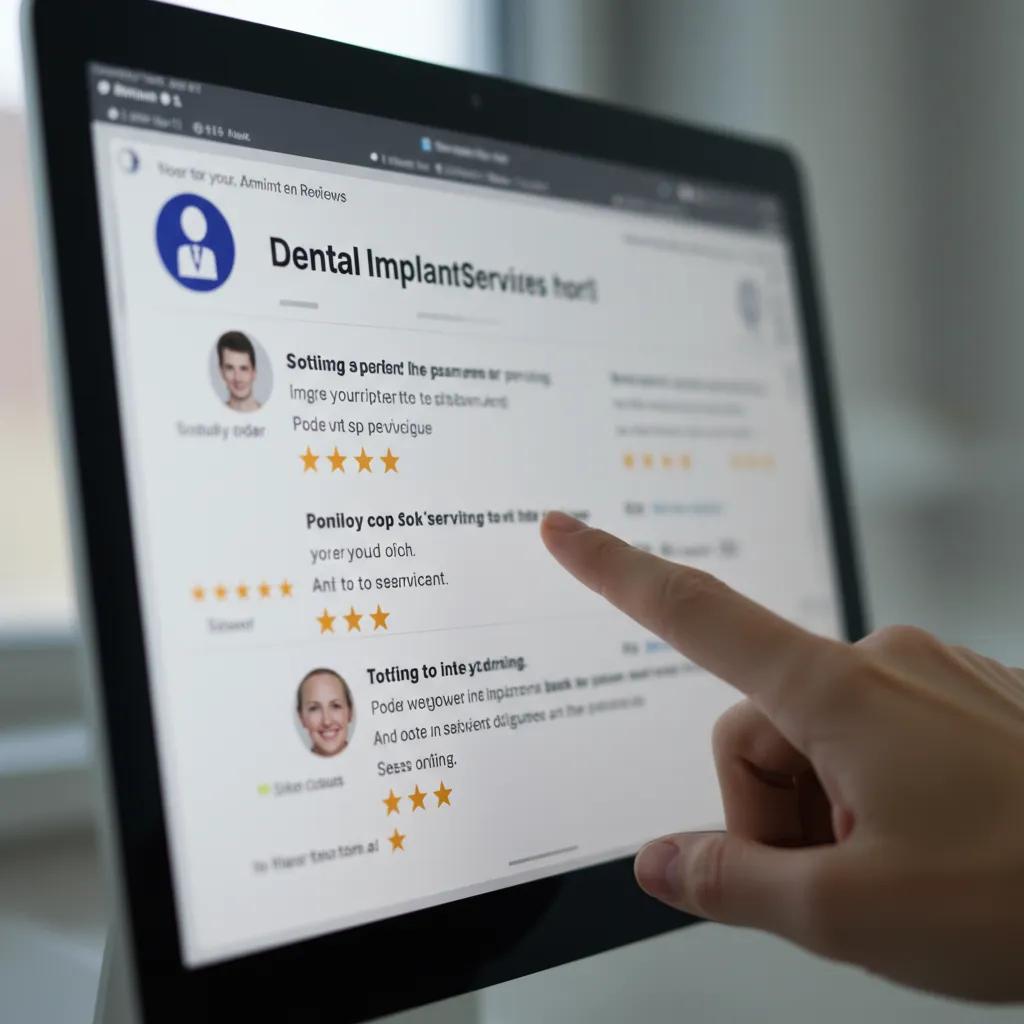
Patient reviews and ratings provide real-world insight into outcomes, communication, and post-op support that raw credentials cannot capture. Reviews that describe healing timelines, complications, materials used (e.g., titanium vs zirconia), and follow-up responsiveness deliver high-signal information about what actually happened in patient care. Aggregate star ratings give a quick snapshot, but qualitative comments reveal whether patients experienced functional success, esthetic satisfaction, and adequate pain control. Interpreting reviews in context—volume, recency, and consistency across platforms—lets you weigh anecdotal reports against verified clinical metrics.
What Should You Look for in Online Dental Implant Reviews?
Look for specific outcome-oriented details in reviews: mentions of osseointegration success, prosthetic fit, duration to final restoration, and how complications were handled. Positive signals include detailed timelines, photos, and follow-up commentary; red flags include vague praise or repeated complaints about communication or unexpected costs. Cross-reference reviews across multiple platforms and prioritize recent reviews that mention the implant type and whether the provider used advanced planning technologies. This approach transforms raw testimonials into actionable evidence about surgeon performance.
How Do Before and After Galleries Reflect Dentist Skill and Outcomes?
Before-and-after galleries are visual records that can validate a provider’s esthetic judgment, tissue management, and prosthetic planning when documented properly. Reliable galleries include pre-op imaging, interim stages, and final prosthetic photos with consistent lighting and case notes describing procedures performed and materials used. Verify that galleries represent actual patient cases—ask whether consent and timelines are documented—and use them to assess whether restorations look natural and functionally aligned. Galleries that accompany detailed captions are higher signal than isolated images.
How Does Patient Communication Influence Implant Satisfaction?
Patient communication shapes expectations, adherence, and perceived care quality, which influence satisfaction and ratings. Clear pre-op counseling about timelines, risks, alternatives, and maintenance fosters realistic expectations and reduces disappointment. Responsive follow-up for pain management or minor complications prevents escalation and is frequently mentioned in positive reviews. When a clinic documents treatment plans and provides written instructions, patients report less anxiety and better recovery experiences, linking good communication → smoother healing → better ratings.
What Role Do Aggregate Ratings Play in Choosing a Dentist?
Aggregate ratings provide a rapid comparison across providers but lack nuance about clinical complexity and case mix. High star scores with many reviews indicate reliability, while small numbers can be skewed by outliers. Use aggregate ratings as an initial filter, then dive into qualitative reviews and documented outcomes to understand why the rating exists. Combining quantitative scores with qualitative signals—recency, complication handling, and use of advanced technology—creates a fuller picture of provider competence.
What Advanced Technologies Should a Top-Rated Dental Implant Dentist Use?
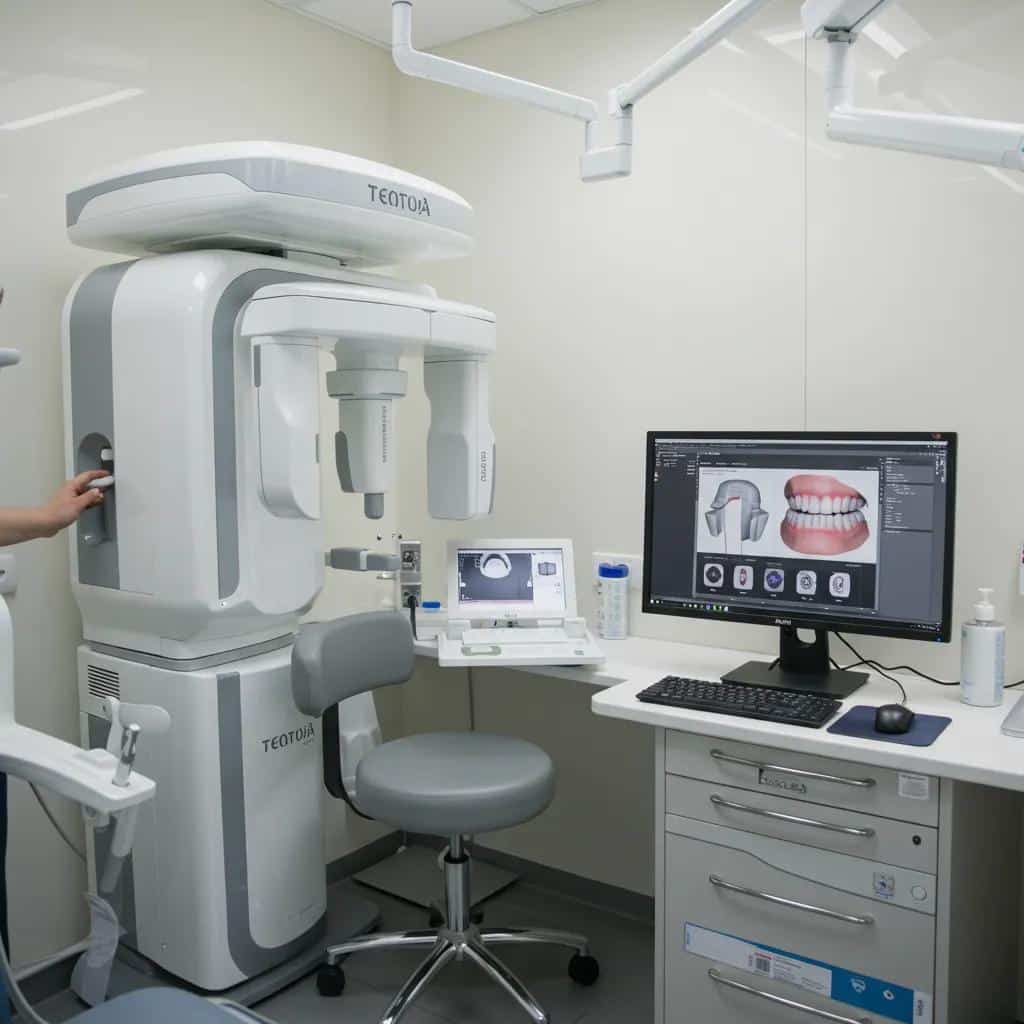
Advanced technologies improve diagnostic accuracy, surgical precision, and prosthetic outcomes, making them important correlates of high ratings. Key technologies include CBCT (3D imaging), digital treatment planning, intraoral scanning, and computer-guided implant surgery, each contributing to safer placement and better restorative results. The relationship is straightforward: technology enables more predictable implant positioning, which reduces surgical risk and improves prosthetic fit, thereby increasing patient satisfaction and aggregate ratings. Understanding which technologies a clinic uses helps you interpret whether high ratings reflect modern, evidence-aligned practice.
How Does 3D Imaging and CBCT Improve Implant Precision?
CBCT provides a three-dimensional view of jaw anatomy, which improves case selection, implant sizing, and surgical planning by identifying nerve paths, sinus locations, and bone volume. This imaging reduces intraoperative surprises and clarifies grafting needs, linking CBCT → improved planning → reduced complication risk. CBCT also facilitates patient education by visually demonstrating anatomical constraints and treatment rationale. Clinics that routinely integrate CBCT into planning typically show more consistent placement accuracy and fewer surgical complications, a pattern reflected in outcome reports.
Before reviewing the table below, note that CBCT is a diagnostic tool that informs surgical guides and guided workflows.
Technology
Benefit
Impact on Accuracy/Outcomes
CBCT (3D imaging)
Visualizes bone, nerve, sinus anatomy
Reduces surgical surprises; improves safety
Intraoral scanners
Accurate digital impressions for prosthetics
Enhances restorative fit; speeds workflow
Surgical guides
Transfers digital plan to surgery
Increases placement precision; lowers deviation
Computer-guided surgery
Full guided workflows from plan to placement
Improves predictability; may shorten surgery time
What Are the Advantages of Computer-Guided Implant Surgery?
Computer-guided implant surgery translates a digital plan into a physical guide or navigation process that constrains drill angulation and depth, which improves placement accuracy and prosthetic alignment. The semantic triple—guided surgery → improved placement accuracy → lower complication rates—encapsulates why trained clinicians adopt this approach for complex or esthetic cases. Guided workflows can reduce chair time, minimize tissue trauma, and improve initial stability for prosthetic outcomes. When reviews mention smoother procedures and faster recovery, guided surgery is often a contributing factor.
Computer-Guided Implant Surgery: Outcomes and Guidelines
The outcome of guided surgery is assessed in terms of implant survival, precision and complications. Clinical cases are given to demonstrate briefly the workflow and clinical guidelines.
This systematic review evaluates the precision of computer-guided surgery for dental implants compared to conventional methods.
Computer-Guided Surgery Precision for Dental Implants: A Systematic Review
This systematic review aims to evaluate the precision obtained when placing titanium dental implants in partially edentulous patients using computer-guided surgery (dynamic guided) compared to freehand surgery (conventional).
How Do Different Implant Types and Materials Affect Outcomes?
Implant type and material influence biocompatibility, esthetics, and long-term maintenance; selection depends on anatomy and restorative goals. Endosteal implants are the standard for most cases, zygomatic implants address severe maxillary resorption, and All-on-4/All-on-6 strategies support full-arch restorations. Titanium implants have a long track record with high osseointegration rates, while zirconia implants offer an esthetic, metal-free alternative with growing evidence. Material choice must align with clinician experience and case demands, because implant system properties interact with surgical technique to determine outcomes.
How Does Technology Correlate with Higher Patient Ratings?
Technology visible to patients—clear imaging, guided plans, and intraoperative visuals—builds trust and often appears in positive reviews, linking technology → perceived competence → higher ratings. Tangible benefits such as shorter surgeries, fewer complications, and better-fitting prosthetics translate into concrete satisfaction and positive testimonials. Providers that communicate how technology reduces risk and improves predictability typically score higher in patient satisfaction metrics, reinforcing the value of modern workflows in implant dentistry.
What Are the Typical Costs and Financing Options for Dental Implants?
Costs for dental implants vary widely because multiple cost drivers contribute to the final price, including implant type, number of implants, grafting needs, anesthesia, provider qualifications, and geographic location. Typical ranges depend on single-tooth versus full-arch solutions and whether advanced technologies or grafting are required. Financing options include in-house payment plans, third-party dental loans, and healthcare credit products; each has trade-offs in interest and flexibility. Transparent clinics provide itemized estimates and scenario-based pricing so patients can compare the value of different treatment approaches rather than focus solely on headline cost.
How Do Implant Costs Vary by Dentist Qualifications and Technology?
Provider experience and technology use influence fees because specialists with advanced training and clinics that use CBCT and guided surgery invest in equipment, training, and quality control. A specialist using guided workflows and high-end componentry may charge more, but that higher cost can reflect greater predictability and lower long-term complication risk. When evaluating price differences, consider potential downstream savings from fewer revisions and more durable prosthetics. Ask clinics how their pricing aligns with expected outcomes to assess value beyond the sticker price.
What Financing Plans and Payment Options Are Available?
Common financing models include in-house payment plans with no-interest or low-interest installments, third-party healthcare loans with fixed monthly payments, and credit-based healthcare cards. Each option balances convenience, cost, and eligibility: in-house plans may be flexible but limited, while third-party loans spread cost over time with interest. Sample monthly estimates for a single implant scenario vary by total cost and term; request specific amortization examples from clinics. Always compare total repayment amounts and ask whether financing covers contingencies like complications or additional procedures.
How to Evaluate Cost Transparency in Dental Implant Clinics?
Cost transparency is signaled by itemized written estimates, clear explanations of what is and isn’t included (grafting, lab fees, follow-up), and documentation of potential cost modifiers. Red flags include vague “package” pricing without line items, shifting quotes, or pressure to sign before receiving a written plan. A best-practice checklist includes requesting an itemized estimate, asking what could change the price, and confirming emergency/complication coverage in writing. Transparent billing practices reduce financial surprises and correlate with higher patient trust and satisfaction.
Cost Driver
Typical Range / Impact
How It Affects Final Price
Provider experience
Moderate to high
Higher fees but may reduce complication costs
Implant type/material
Low to high
Specialty materials and systems raise costs
Bone grafting/sinus lift
Moderate to high
Adds surgical time and lab costs
Anesthesia
Low to moderate
Sedation or general anesthesia increases fees
Geographic variation
Low to moderate
Local market affects baseline pricing
What Should You Expect from Post-Operative Care and Support After Implant Surgery?
Post-operative care is critical to osseointegration and patient satisfaction; high-quality aftercare includes clear instructions, pain management plans, scheduled follow-ups, and accessible emergency support. Effective aftercare reduces infection risk and guides patients through phases of healing, tying follow-up practices → complication prevention → better long-term ratings. When clinics document standardized follow-up timelines and provide proactive contact, patients report higher confidence and improved recovery experiences.
What Are Essential Post-Operative Instructions for Implant Success?
Essential instructions include maintaining prescribed oral hygiene, following dietary restrictions, avoiding smoking, and attending scheduled check-ups that monitor osseointegration. Clear written instructions for the first 1–2 weeks—covering wound care, signs of infection, and medication schedules—help patients follow through and reduce complications. Providers who explain the rationale for each step (e.g., limiting occlusal forces to protect initial stability) enhance adherence and outcomes. Regular early follow-up visits allow clinicians to detect issues quickly and adjust care plans.
How Do Dentists Manage Pain and Patient Comfort During Recovery?
Pain management typically combines local anesthesia during surgery, short courses of NSAIDs, and selective use of short-term opioid prescriptions when necessary, together with non-pharmacologic measures such as cold packs and rest. Clear communication about expected pain trajectory and when to call for help reduces patient anxiety and improves adherence to analgesic plans. Some clinics offer adjunctive options like prescription mouth rinses or topical agents to enhance comfort. Effective pain protocols reduce negative reviews related to unexpected or poorly managed postoperative discomfort.
What Emergency Support Should a Dental Implant Clinic Provide?
A reliable clinic provides clear emergency contact procedures, same-day urgent appointments for swelling or bleeding, and triage protocols for signs of infection or prosthetic failure. Examples of appropriate responses include immediate assessment of uncontrolled bleeding, prescription interventions for suspected infection, and expedited repairs for prosthetic breakdowns. Ask during consultation about after-hours contact policies and escalation pathways to understand how complications will be handled. Clinics that demonstrate structured emergency protocols often generate higher trust and better patient-reported outcomes.
How Does Aftercare Influence Patient Satisfaction and Ratings?
Aftercare quality directly affects perceived care and objective outcomes; proactive follow-up, clear guidance, and timely responses to concerns reduce complications and drive positive reviews. Patients who feel supported during recovery are more likely to report satisfaction, even when minor complications occur, because communication and responsiveness signal competence and empathy. Clinics that routinely document follow-up outcomes and adjust care based on patient feedback demonstrate an outcome-oriented culture that reflects in higher aggregate ratings.
How Do Success Rates and Clinical Outcomes Affect Dentist Implant Ratings?
Success rates and clinical outcomes are core contributors to dentist implant ratings because they reflect long-term function, complication frequency, and prosthetic durability. Typical success metrics include osseointegration rates, prosthetic survival, absence of peri-implantitis, and low retreatment frequency over multi-year follow-up. Providers who track and publish outcome data offer stronger evidence that ratings map to clinical reality. Evaluating success metrics alongside reviews and technology usage creates a robust picture of provider quality.
What Is the Average Success Rate for Dental Implants?
Current research and professional consensus place well-selected implant success rates in the range of approximately 90–95% over 10 years, with variability based on case complexity and patient health. “Success” commonly includes stable osseointegration, functional restoration without pain, and absence of major complications requiring implant removal. Recent studies through 2024–2025 emphasize that proper case selection and maintenance significantly influence long-term survival. When clinicians provide context for success metrics, you can interpret ratings in light of case mix.
How Does Bone Structure and Patient Health Impact Implant Success?
Bone volume, density, and systemic health conditions (smoking, uncontrolled diabetes) materially affect implant outcomes; inadequate bone often necessitates grafting or alternative implant strategies like zygomatic implants. Preoperative assessment with CBCT and medical history evaluation allows risk stratification and tailored mitigation—bone grafting, staged approaches, or selection of implant type—reducing failure risk. Addressing modifiable factors (smoking cessation, glycemic control) before surgery improves osseointegration prospects and long-term prosthetic function.
How Can You Verify a Dentist’s Track Record of Successful Cases?
Verify track records by requesting anonymized case logs, outcome summaries, or peer-reviewed case reports when available; ask specifically about long-term follow-up protocols and retreatment rates. Sample questions include: “How many similar cases have you placed in the past year?” and “What is your documented 5–10 year success rate for implants in comparable patients?” Reasonable providers will share aggregate data or describe follow-up processes that demonstrate accountability. Documentation transforms ratings from anecdote to verifiable performance evidence.
Why Are Long-Term Outcomes Important When Evaluating Dentists?
Long-term outcomes reveal prosthetic longevity, maintenance needs, and late complications such as peri-implantitis that early results miss, making multi-year follow-up essential for judging true success. Clinics that track 5–10 year outcomes demonstrate a commitment to durability and patient care beyond immediate postoperative satisfaction. When ratings reflect long-term stability rather than only early comfort, you gain confidence that the provider prioritizes lasting function and quality restorations.
What Questions Should You Ask to Assess a Dental Implant Dentist’s Suitability?
A prioritized consultation checklist helps you elicit the most informative answers about experience, technology, materials, and patient support. Focused questions about training, case volume, success rates, implant systems used, and emergency protocols reveal whether a provider’s practices align with your needs. Using scripted questions reduces ambiguity and ensures you compare providers on the same criteria, converting ratings and reviews into practical decision data.
Which Questions Reveal a Dentist’s Experience and Approach?
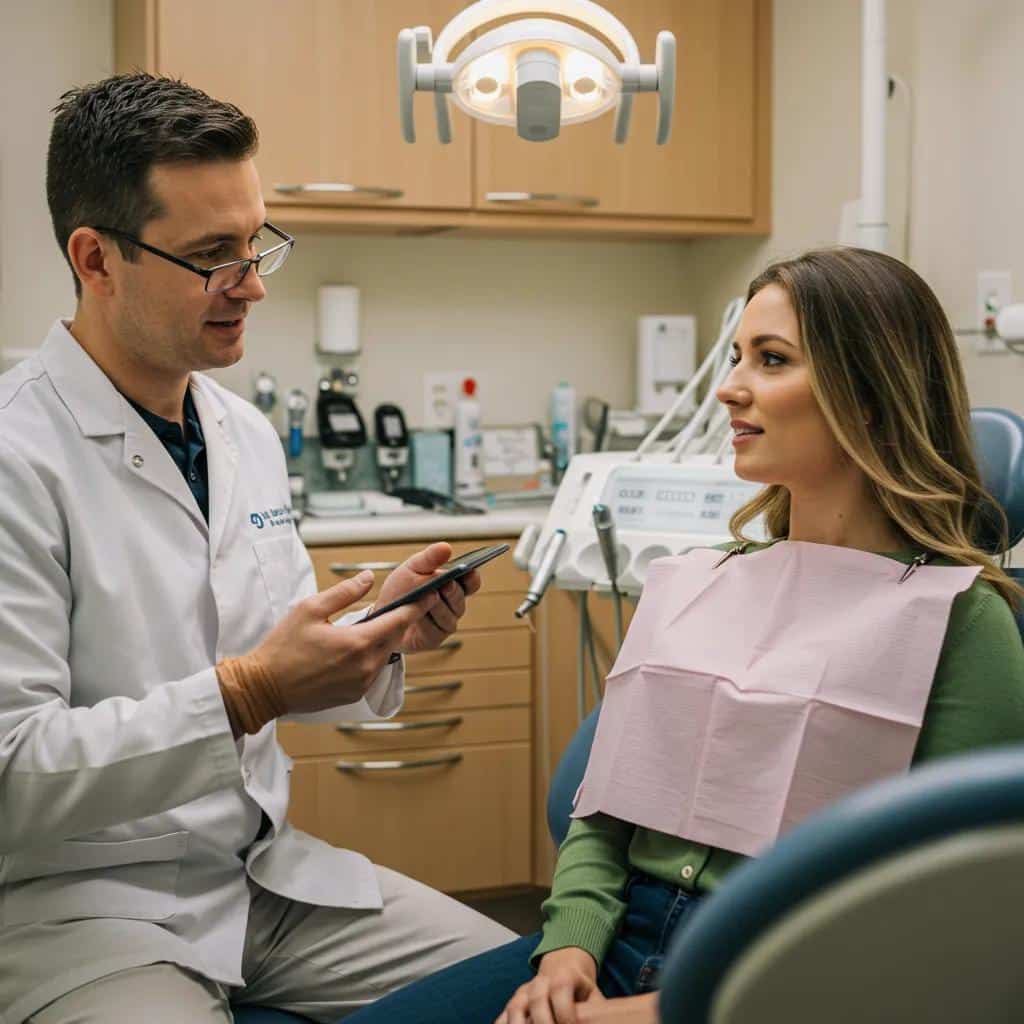
Ask direct experience-focused questions such as: “How many implants like mine have you placed in the past year?” and “Who performs each stage of treatment?” These questions expose case volume, team roles, and whether the provider personally handles critical steps. Request examples of complex cases handled and how complications were managed to assess judgment and problem-solving. Clear, quantitative answers indicate transparency and should influence your choice when ratings are otherwise similar.
How to Inquire About Technology and Materials Used?
Targeted technology questions include: “Do you use CBCT and computer-guided planning for this case?” and “Which implant systems and restorative materials do you use, and why?” Request examples where specific technologies changed the planned approach or improved outcomes. Understanding how imaging, guided surgery, and implant brand selection integrate into treatment clarifies whether a clinic uses evidence-based workflows that correlate with higher success and better reviews.
What to Ask About Costs, Financing, and Insurance Coverage?
Ask for an itemized written estimate, inquire what could change the price, and request sample payment plan amortizations for the proposed treatment. Specific scripts: “Please provide an itemized quote including grafting, anesthesia, lab fees, and follow-up visits,” and “What in-house or third-party financing options do you offer, and can you show a sample monthly payment schedule?” These questions force clarity and let you compare both cost and value across providers.
How to Evaluate Communication and Patient Comfort During Consultation?
Use a short rubric to score consultations on clarity, time spent, explanation of risks/benefits, and empathy demonstrated by the team. Observe whether the provider uses visual aids, provides written plans, and answers questions without rushing. Comfort measures, clear pain management plans, and a respectful tone are strong predictors of good aftercare and higher patient satisfaction. Prioritizing communication quality alongside technical credentials yields a better-informed selection.
Top priorities when assessing providers:
Qualifications and verifiable success rates. Use of advanced imaging and guided workflows. Transparent, itemized cost estimates and realistic financing options.
Quick red-flag checklist:
Vague or unverifiable credential claims. Lack of itemized pricing or refusal to provide sample payment plans. Poor communication or unclear emergency protocols.
What to request at consultation:
Written treatment plan and itemized estimate. Examples of similar cases and follow-up protocols. Clarification of who performs each stage of treatment and what technology will be used.
These prioritized questions and checklists help convert ratings and reviews into verifiable evidence so you can choose a dental implant dentist with confidence.