The Truth About Comfort: Evaluating Dental Implants and Dentures for Affordable, Comfortable Tooth Replacement
When it comes to tooth replacement options, comfort is a primary concern for many individuals. Dental implants and dentures are two popular solutions, each offering unique benefits and challenges. This article delves into the truth about comfort associated with these options, helping readers make informed decisions about their dental health. We will explore the procedures, recovery times, long-term comfort, and affordability of dental implants and dentures. Additionally, we will provide insights into patient experiences and expert recommendations for maintaining comfort with these dental solutions.
What Are Dental Implants and How Do They Affect Comfort?
Dental implants are artificial tooth roots made of biocompatible materials, typically titanium, that are surgically placed into the jawbone. They serve as a stable foundation for replacement teeth, such as crowns or dentures. The primary benefit of dental implants is their ability to mimic the function and feel of natural teeth, which significantly enhances comfort. Unlike traditional dentures, which can shift and cause discomfort, dental implants are securely anchored, allowing for improved chewing and speaking abilities.
The comfort provided by dental implants stems from their integration with the jawbone, a process known as osseointegration. This connection not only stabilizes the implant but also helps maintain the jawbone’s integrity, preventing the bone loss often associated with missing teeth. As a result, patients often report a higher level of satisfaction and comfort with dental implants compared to other tooth replacement options.
What Is the Dental Implant Procedure and Recovery Time?
The dental implant procedure typically involves several steps, beginning with a comprehensive evaluation and treatment planning. The first step is the surgical placement of the implant into the jawbone, which is usually performed under local anesthesia. After the implant is placed, a healing period of 3 to 6 months is necessary for osseointegration to occur. During this time, the implant fuses with the bone, providing a strong foundation for the final restoration.
Once healing is complete, a crown or denture is attached to the implant. The entire process can take anywhere from 4 to 8 months, depending on individual healing times and the complexity of the case. Post-operative care is crucial during recovery, and patients are advised to follow their dentist’s instructions to ensure optimal healing and comfort.
How Do Dental Implants Provide Long-Term Comfort Compared to Other Options?
Dental implants offer several long-term comfort advantages over traditional dentures. One of the most significant benefits is their stability. Unlike dentures, which can slip or shift during eating or speaking, dental implants remain securely in place, allowing for a more natural experience. This stability enhances confidence and reduces anxiety associated with potential embarrassment from loose dentures.
Additionally, dental implants do not require the use of adhesives, which can be uncomfortable and messy. Patients with dental implants often report improved chewing efficiency and the ability to enjoy a wider variety of foods without discomfort. Furthermore, the preservation of jawbone structure through osseointegration contributes to a more natural facial appearance, which can enhance overall comfort and self-esteem.
How Do Dentures Compare in Comfort and Fit?
Dentures are removable appliances designed to replace missing teeth and restore function. While they can be a cost-effective solution, many patients experience discomfort due to their removable nature. The fit of dentures can change over time as the jawbone and gums undergo natural changes, leading to potential slipping or irritation.
To improve comfort, it is essential for dentures to be properly fitted and adjusted by a dental professional. Regular check-ups can help ensure that the dentures remain comfortable and functional. However, even with proper care, some individuals may still find dentures less comfortable than dental implants due to the lack of stability and the potential for sore spots.
What Are the Different Types of Dentures and Their Comfort Factors?
Complete Dentures: These are used when all teeth are missing. They can provide a natural appearance but may require adjustments for comfort.
Partial Dentures: Designed for individuals with some natural teeth remaining, partial dentures can help maintain the position of existing teeth but may still cause discomfort if not fitted correctly.
Implant-Supported Dentures: These dentures are anchored to dental implants, providing enhanced stability and comfort compared to traditional removable dentures.
The choice of denture type can significantly impact comfort levels, and patients should discuss their options with their dentist to find the best fit for their needs.
Further research highlights the significant improvement in patient comfort when comparing implant-supported overdentures to conventional dentures.
Patient Comfort: Implant-Supported Overdentures vs. Conventional Dentures
After implant-supported overdentures have been introduced to conventional dentures due to the increase in patients’ comfort, our study suggests that usage of overdentures in this review.
Conventional maxillary denture versus maxillary implant‐supported overdenture opposing mandibular implant‐supported overdenture: Patient’s satisfaction, S Niakan, 2024
What Denture Comfort Tips Improve Daily Wear and Maintenance?
To enhance comfort while wearing dentures, consider the following tips:
Regular Adjustments: Schedule regular visits with your dentist to ensure your dentures fit properly and make necessary adjustments.
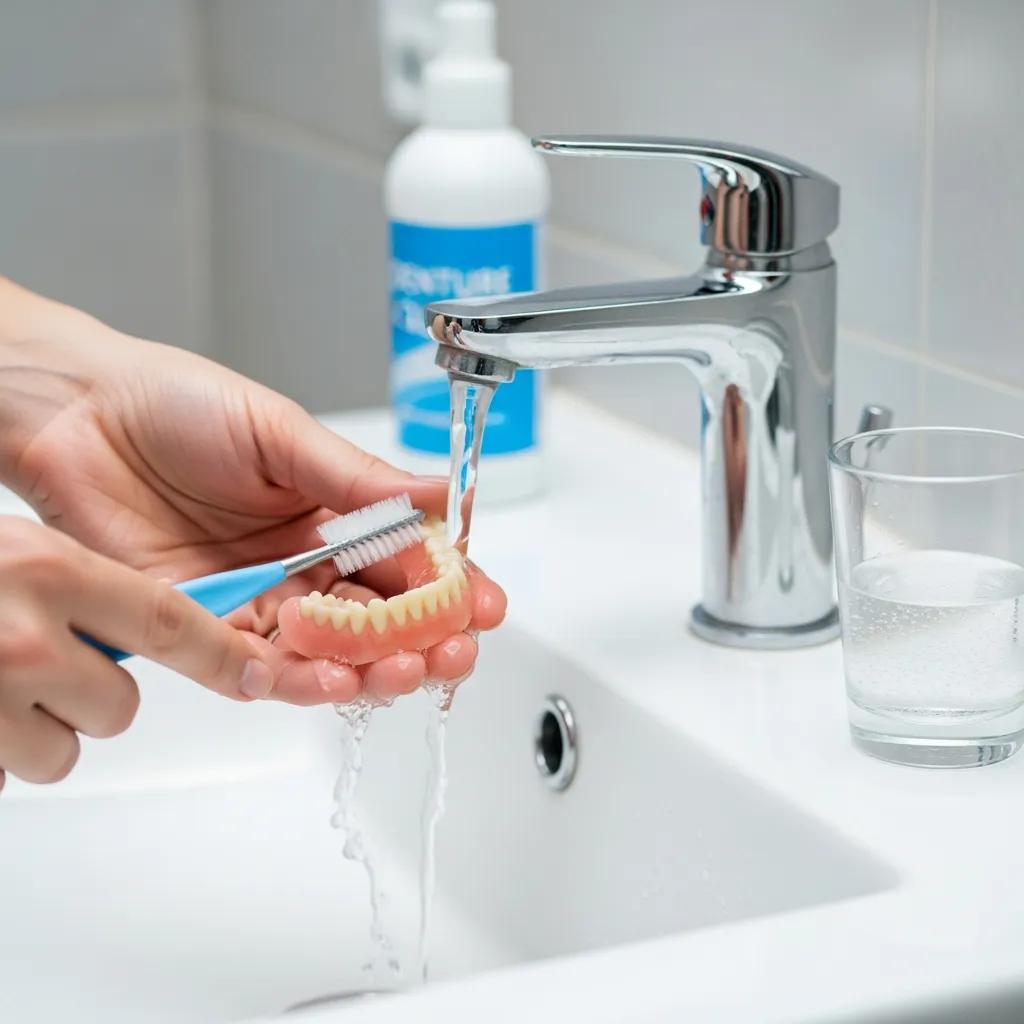
Proper Cleaning: Clean your dentures daily to prevent plaque buildup and irritation. Use a soft brush and non-abrasive cleaner.
Use Adhesives Wisely: If needed, use denture adhesives to improve stability, but ensure they are applied correctly to avoid discomfort.
By following these tips, denture wearers can improve their daily comfort and maintain their oral health.
What Is the Cost Comparison Between Dental Implants and Dentures?
When considering tooth replacement options, cost is a significant factor. Below is a comparison of the costs associated with dental implants and dentures:
Treatment Option
Average Cost
Longevity
Maintenance Costs
Dental Implants
$3,000 – $4,500 per implant
10-15 years
Minimal (regular check-ups)
Complete Dentures
$1,000 – $3,000
5-10 years
Moderate (adhesives, adjustments)
Partial Dentures
$500 – $1,500
5-10 years
Moderate (adhesives, adjustments)
This table illustrates that while dental implants may have a higher initial cost, their longevity and lower maintenance costs can make them a more economical choice in the long run.
How Affordable Are Dental Implants and What Payment Plans Are Available?
Affordable Dentist Near Me understands that the cost of dental implants can be a concern for many patients. They offer flexible payment plans to help make dental implants more accessible. Patients can discuss financing options with their dental team to find a plan that fits their budget.
By providing affordable solutions, Affordable Dentist Near Me aims to ensure that everyone can achieve the comfort and functionality of dental implants without financial strain.
How Do Denture Costs and Maintenance Affect Overall Affordability?
The costs associated with dentures can vary widely based on the type and materials used. While initial costs may be lower than dental implants, ongoing maintenance and potential replacements can add up over time.
Patients should consider the long-term financial implications of choosing dentures versus implants. Regular adjustments and the need for adhesives can increase the overall cost of denture maintenance, making dental implants a more cost-effective solution in the long run.
What Do Patients Say About Comfort: Testimonials and Case Studies
Patient experiences play a crucial role in understanding the comfort levels associated with dental implants and dentures. Many individuals who have transitioned to dental implants report significant improvements in their quality of life, citing enhanced comfort, confidence, and the ability to enjoy their favorite foods without worry.
To further explore options and schedule a consultation, consider visiting Affordable Dentist Near Me to discuss your specific needs and concerns.
How Have Patients Experienced Comfort with Dental Implants?
Patients who have received dental implants often share positive experiences regarding their comfort. Many report that the implants feel like natural teeth, allowing them to eat, speak, and smile with confidence. The stability provided by implants eliminates the discomfort associated with traditional dentures, leading to higher satisfaction rates.
Studies consistently demonstrate high patient satisfaction and improved quality of life, particularly concerning chewing comfort and stability, years after dental implant placement.
Long-Term Patient Satisfaction & Chewing Comfort with Dental Implants
Patients’ satisfaction also plays a very important role in daily practice. Therefore, the aim of this study was to assess patients’ satisfaction regarding function (phonetics, chewing comfort, stability, cleanability) and aesthetics in patients treated with XiVE and Frialite implants in a private periodontal practice ten years after implant placement.
Patient satisfaction and oral health-related quality of life 10 years after implant placement, D Bäumer, 2021
What Are Common Comfort Experiences Reported by Denture Wearers?
Denture wearers frequently report common comfort issues, including sore spots, difficulty chewing, and the need for frequent adjustments. These challenges can lead to frustration and a decreased quality of life. However, with proper care and regular dental visits, many of these issues can be managed effectively.
How Should You Care for Dental Implants and Dentures to Maintain Comfort?
Proper care is essential for maintaining comfort with both dental implants and dentures. Here are some key practices:
Daily Cleaning: Brush and floss dental implants as you would natural teeth. For dentures, use a soft brush and cleaner designed for dentures.
Regular Check-Ups: Schedule routine dental visits to monitor the health of your implants or dentures and make necessary adjustments.
Avoid Hard Foods: Be cautious with hard or sticky foods that can damage dentures or cause discomfort with implants.
By following these care guidelines, patients can enhance their comfort and prolong the lifespan of their dental solutions.
What Are the Best Aftercare Practices for Dental Implants?
Aftercare for dental implants is crucial for ensuring long-term success and comfort. Key practices include:
Follow-Up Appointments: Attend all scheduled follow-up appointments to monitor healing and implant integration.
Oral Hygiene: Maintain excellent oral hygiene to prevent infection and ensure the longevity of the implants.
Avoid Tobacco: Refrain from smoking or using tobacco products, as they can hinder healing and increase the risk of complications.
These practices help ensure that dental implants remain comfortable and functional for years to come.
How Can Denture Wearers Maintain Comfort Through Proper Care?
Denture wearers can maintain comfort by adhering to the following care tips:
Daily Cleaning: Clean dentures thoroughly each day to prevent plaque buildup and irritation.
Soaking: Soak dentures overnight in a cleaning solution to keep them moist and prevent warping.
Regular Adjustments: Visit the dentist regularly for adjustments to ensure a proper fit and comfort.
By implementing these care strategies, denture wearers can enhance their comfort and overall experience with their dental appliances.