Are Dental Implants Right for You? A Fort Worth Patient’s Checklist
Dental implants replace missing teeth with a titanium post anchored in the jaw that supports a crown, bridge, or denture. They restore chewing function, help preserve jawbone, and can last for many years when placed and cared for properly. Determining whether implants are a good option for you means reviewing your medical history, oral health, bone quantity and quality, and lifestyle habits that affect healing. This guide walks you through the eligibility checklist, the tests clinicians use during planning, medical conditions that can change the plan, how to prepare for a Fort Worth consultation, alternative tooth‑replacement choices, and simple maintenance tips to protect implants long term. Wherever helpful we point Fort Worth patients to local resources and include clear next steps so you can move from information to a professional evaluation.
Who Qualifies for Dental Implants? Understanding Eligibility Criteria
Most implant candidates have reasonably controlled general health, healthy or treated gums, and enough jawbone to hold an implant securely. Dentists assess local oral conditions—bone height and width, soft tissue thickness, and periodontal health—along with systemic factors such as diabetes control, immune status, and any medications that affect bone healing. Successful implant treatment also depends on a patient’s willingness to follow a strict hygiene and recall schedule and to minimize habits that impair healing, like tobacco use. The sections below break these requirements into practical steps and explain ways—such as bone grafting or periodontal therapy—that can expand candidacy for many patients.
What Are the Basic Dental Implant Eligibility Requirements?
Eligibility rests on four main pillars: enough bone volume, stable periodontal health, controlled systemic health, and a commitment to long‑term maintenance. “Enough bone” means adequate height and width to place an implant safely without risking nearby nerves or the sinus; when bone is lacking, grafting or sinus‑lift procedures can often restore volume and make implant placement possible. Healthy gum tissue is critical because active periodontal disease raises the chance of infection and implant failure—treating gum disease first improves outcomes. Clinicians also review medications and medical conditions that affect bone healing and may request medical clearance or documentation of disease control before moving forward. Finally, patients should understand the ongoing hygiene and recall schedule implants require to stay successful.
How Do Age and Overall Health Affect Dental Implant Qualification?
Age alone rarely disqualifies someone from implants—what matters is overall health and healing ability. Older adults in good medical control and with solid oral hygiene are often excellent candidates. Chronic conditions such as diabetes or autoimmune disease need careful review: well‑controlled disease usually allows implant therapy with tailored precautions, while poorly controlled conditions may require postponing surgery until risks are reduced. Medication histories—especially drugs that affect bone metabolism—are important to review because they influence planning and risk. Your dentist will create a personalized plan that balances risk, medical coordination, and the clear functional benefits implants can offer.
What Factors Affect the Success of Dental Implants?
Implant success depends on biology, surgical technique, the prosthetic design, and ongoing care. Key patient factors include bone quality and quantity, periodontal health, systemic diseases like diabetes, and habits such as smoking. Procedure factors—implant position, surgical trauma, and the restoration’s fit—also matter. Understanding these influences lets you and your clinician reduce risks and take practical steps to improve outcomes.
How Does Bone Density Influence Dental Implant Outcomes?
Bone density and structure directly affect osseointegration—the process where the implant fuses with the jaw. Denser bone tends to provide better initial stability and faster integration. Dentists evaluate cortical thickness and the cancellous bone pattern to decide implant size, placement, and loading timing. When bone is thin or soft, augmentation techniques—bone grafting, ridge expansion, or sinus lifts—can increase volume and create a stronger foundation for the implant. Modern 3‑D imaging helps choose the right graft material and timing based on your individual anatomy.
Clinical studies show that bone augmentation can improve bone regeneration and raise the likelihood of successful implant integration when natural bone volume is limited.
Bone Augmentation for Dental Implants and Osseointegration
This review summarizes current bone augmentation methods used in implant dentistry, including evidence around recombinant human bone morphogenetic protein‑2 (rhBMP‑2) and other grafting materials that support bone regeneration and successful osseointegration.
Augmentation of alveolar bone and dental implant osseointegration: clinical implications of studies with rhBMP‑2: a comprehensive review, 2001
Intro to the EAV table: The table below summarizes common patient factors, how they affect implant success, and typical mitigation strategies clinicians use.
Patient Factor
Impact on Implant Outcome
Mitigation Strategy
Low bone density
Reduced primary stability and slower integration
Bone grafting, staged placement, modified loading protocols
Active periodontal disease
Higher risk of peri‑implantitis and implant loss
Periodontal treatment and ongoing maintenance
Smoking
Poorer blood flow and slower healing
Smoking cessation before and after surgery
Uncontrolled diabetes
Slower wound healing and higher infection risk
Optimize glycemic control and coordinate with physician
This table shows how many risk factors are modifiable and how coordinated medical and dental care improves implant prognosis.
What Role Do Oral Hygiene and Lifestyle Choices Play?
Daily oral hygiene and healthy lifestyle choices are essential for long‑term implant survival. Poor hygiene allows plaque build‑up that can cause peri‑implant mucositis and progress to peri‑implantitis. Regular brushing plus interdental cleaning keeps bacterial load low and protects soft tissues. Tobacco use harms blood flow and immune response in the mouth, increasing failurerisk—so most dentists advise stopping smoking well before surgery and during healing. Patients who adopt consistent hygiene habits and address risky lifestyle factors significantly improve their chances for predictable results.
How to Prepare for Your Dental Implant Consultation in Fort Worth
Plan to bring medical and dental records, a current medication list, and a clear set of questions so your appointment is efficient and informative. Helpful items include prior X‑rays, notes about previous extractions or grafts, and details on medications such as blood thinners, bisphosphonates, or immunosuppressants—these influence planning and the need for medical clearance. Be prepared that advanced imaging like a cone‑beam CT (CBCT) may be recommended for 3‑D planning. The lists below give practical questions and a documentation checklist to help your Fort Worth consultation produce a clear treatment plan.
The list below highlights essential questions to ask at your consultation and why each matters.
What does my imaging need to show to confirm candidacy? — Imaging reveals bone volume and nerve/sinus anatomy.
What are the likely steps and timeline for treatment? — Phases such as grafting, integration, and restoration set expectations.
What are the risks and how would complications be managed? — Knowing this supports informed consent.
What maintenance schedule will I need long term? — Clarifies hygiene and professional recall commitments.
What alternative options exist if implants aren’t recommended? — Helps you compare dentures, bridges, and implant‑retained solutions.
These questions help you get clear, actionable answers and prompt discussion of the records and medical history needed for an accurate evaluation.
What Questions Should You Ask During a Dental Implant Consultation?
Focused questions make your consultation productive. Ask what the imaging will show about bone and nerve position, how many surgical stages are anticipated, and which prosthetic options match your function and cosmetic goals. Ask whether bone grafting or a sinus lift might be needed, what recovery looks like, and which medications or restrictions will be used to reduce infection or bleedingrisk. Finish by asking about follow‑up frequency and warning signs to watch for—this helps you understand next steps and whether any medical clearance is required before scheduling treatment.
What Medical and Dental History Information Is Needed?
Bring a current medication list, summaries of past dental care, and recent imaging when possible. Important items include prior extractions, bone grafts, periodontal treatments, and any medications that affect bone metabolism, because these details influence surgical planning. Be open about systemic conditions—diabetes, autoimmune disease, heart disease—and about smoking status, since these factors guide risk management. Providing this information up front avoids delays and helps your clinician create a realistic timeline and coordinated care plan.
Schedule a free consult. Fort Worth patients can reference our Fort Worth location and Google Business Profile when asking about availability or reading patient reviews.
What Are the Common Dental Implant Candidacy Tests and Evaluations?
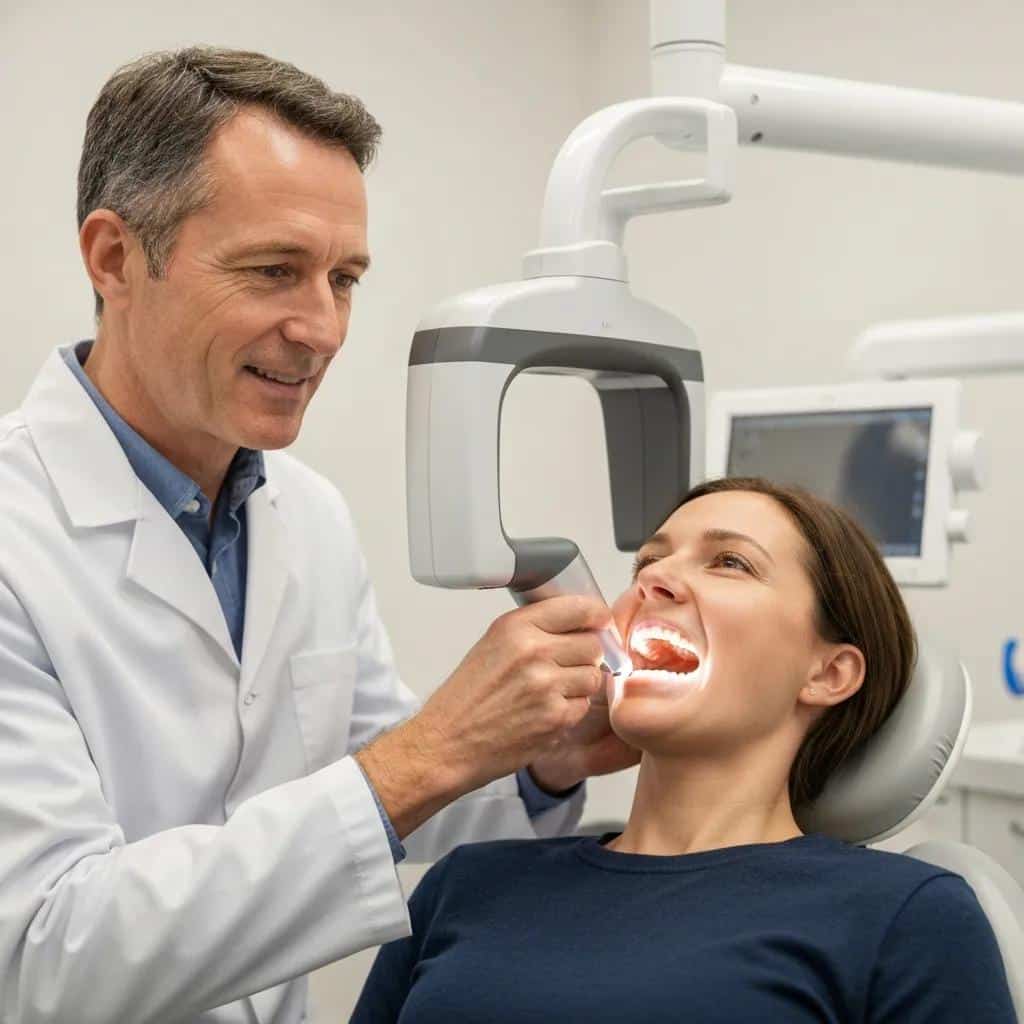
Deciding on implants combines imaging, a clinical oral exam, and a medical review. Panoramic X‑rays give an overall view of the jaws and teeth, CBCT delivers a 3‑D map of bone and nearby structures for precise planning, and a focused clinical exam checks gum health, pocket depths, and bite. The table below outlines what each test assesses and what a favorable result looks like so patients understand why multiple exams are often needed for safe, predictable implant care.
Advanced imaging like cone‑beam CT (CBCT) provides a detailed three‑dimensional view of the jaw that’s essential for accurate implant planning and placement in many cases.
CBCT for Dental Implant Planning and Placement
This review describes the role of cone‑beam computed tomography (CBCT) in implant planning. CBCT delivers 3‑D images of the jaws that let clinicians assess bone volume and density, identify critical anatomical structures, and plan implant position more precisely—reducing risk and improving outcomes.
The role of cone‑beam computed tomography in the planning and placement of implants, 2010
Diagnostic Tool
What It Assesses
What a Passing/Favorable Result Shows
Panoramic X‑ray
Overall jaw relationships and dental status
Sufficient vertical bone height and no major pathology
Cone Beam CT (CBCT)
3‑D bone volume, width, and nerve/sinus location
Adequate width/height and a safe implant trajectory clear of nerves
Physical oral exam
Gum health, pocket depths, and tooth mobility
Controlled periodontal pockets and stable soft tissues
This comparison highlights that CBCT is the most detailed planning tool, while panoramic X‑rays and the clinical exam provide essential complementary information.
How Are X‑Rays and CT Scans Used to Assess Implant Suitability?
Panoramic X‑rays are a quick screening tool that show the jaws, teeth, and sinuses but lack 3‑D detail. Cone‑beam CT (CBCT) provides volumetric images that reveal bone width, height, cortical thickness, and exact nerve and sinus locations—information needed to choose implant diameter, length, and angulation to reduce surgical risk. CBCT data also support surgical guides and digital planning so clinicians can simulate implant placement and identify whether augmentation will be necessary. Understanding that CBCT reveals three‑dimensional bone anatomy helps patients see why it’s often a decisive step in complex cases.
Cone‑beam CT imaging is widely regarded as the preferred method for preoperative implant planning because it provides 3‑D and cross‑sectional views of the jaws, allowing a more accurate risk‑benefit assessment than traditional 2‑D imaging.
Cone Beam CT for Preoperative Dental Implant Planning
This review discusses cone‑beam CT as a specialized, cost‑effective imaging tool for preoperative implant planning. CBCT provides 3‑D and cross‑sectional views that improve assessment of the jaws and help reduce surgical surprises.
State‑of‑the‑art on cone beam CT imaging for preoperative planning of implant placement, ME Guerrero, 2006
What Physical Exams Determine Implant Eligibility?
A detailed intraoral exam checks periodontal health, soft tissue thickness, mucosal quality, tooth mobility, occlusion, and site‑specific issues such as scar tissue or prior infection. Clinicians measure pocket depths and bleeding on probing to ensure periodontal disease is under control, assess keratinized tissue for esthetic planning, and evaluate the bite to understand forces the implant will face. Problems like uncontrolled pockets, inflamed tissue, or an unfavorable bite are treated first—through periodontal therapy or occlusal adjustments—so implant surgery has the best chance of success. The clinical exam links radiographic bone findings to soft‑tissue and functional planning for reliable integration.
How Do Medical Conditions Impact Dental Implant Eligibility?
Medical conditions influence healing, infection risk, and bone metabolism, so dentists tailor protocols to balance safety and benefit. Conditions such as diabetes, heart disease, autoimmune disorders, and medications that affect bone turnover are evaluated for disease control and may prompt medical clearance or a modified surgical plan. The sections below explain how common conditions affect candidacy and describe mitigation strategies that make implant therapy safer for many patients.
Intro to the EAV table: The table below lists common medical and lifestyle factors, their effect on implant risk, and typical mitigation steps dentists use to lower risk.
Medical/Lifestyle Factor
Effect on Implant Risk
Mitigation Strategy
Diabetes (controlled)
Moderate risk if well managed
Confirm glycemic control and coordinate with your physician
Diabetes (uncontrolled)
High risk for delayed healing and infection
Delay surgery until control improves; optimize medical therapy
Smoking
Higher failure risk and impaired healing
Recommend cessation before and after surgery
Bisphosphonate therapy
Increased risk of osteonecrosis in some cases
Review history and consult specialists as needed
Seeing medical and lifestyle factors side‑by‑side helps patients understand why their history matters and how targeted steps can reduce risk.
Can Diabetes or Heart Disease Affect Implant Success?
When chronic diseases are well controlled, many patients can safely receive implants with extra precautions. For diabetes, clinicians usually request recent indicators of glycemic control and may coordinate care with the patient’s physician; with good control, implants are often placed using a tailored perioperative plan. Cardiac conditions may require medical clearance or antibiotic precautions depending on current guidelines and the patient’s history. The key point is that disease control and interdisciplinary communication often turn potential contraindications into manageable variables so more patients can pursue implants safely.
What Are the Risks for Smokers and Patients with Gum Disease?
Smoking and active periodontal disease are two of the most important modifiable risk factors for implant failure. Both reduce tissue blood flow, weaken immune response, and promote bacteria that harm implant surfaces. Smokers heal more slowly and face higher early‑failure and peri‑implantitis rates, so most clinicians strongly encourage quitting well before surgery and through the healing period. Active gum disease must be treated and stabilized with scaling, root planing, or periodontal surgery before placing implants because peri‑implant tissues cannot tolerate the same bacterial load as healthy gums. Addressing smoking and periodontal disease often improves candidacy and long‑term success.
Schedule a free consult. If you’re unsure about eligibility because of smoking or chronic health concerns, a personalized assessment in Fort Worth will clarify options and next steps; check our Fort Worth location page and Google Business Profile for reviews and office details.
What Are the Alternatives if You Are Not a Candidate for Dental Implants?
If implants aren’t suitable because of medical, anatomical, or personal reasons, there are established alternatives that restore function and appearance with different tradeoffs in invasiveness, cost, and care. Conventional removable dentures replace multiple or all teeth without surgery but require adaptation and relines. Fixed bridges replace missing teeth by using adjacent teeth for support but involve preparing those teeth. Implant‑retained dentures give improved stability by combining removable prostheses with a small number of implants. The table below compares these options across key attributes so you can weigh benefits and limitations.
Replacement Option
Invasiveness
Typical Longevity
Candidacy Requirements
Conventional denture
Low (non‑surgical)
Medium (5–10+ years with maintenance)
Adequate ridge shape for retention; healthy mucosa
Fixed bridge
Moderate (tooth preparation)
Medium to long (10+ years)
Strong adjacent teeth available as abutments
Implant‑retained denture
Higher (surgical)
Long (when implants are successful)
Some implant sites suitable; fewer implants than full fixed cases
Non‑implant options remain valid choices for many people, and implant‑retained prostheses can be a middle ground when full implant therapy isn’t possible.
What Other ToothReplacement Options Are Available?
When implants aren’t recommended, clinicians match the replacement to your anatomy, budget, and goals. Removable partial dentures restore several missing teeth without altering adjacent teeth; full conventional dentures replace all teeth and are the least invasive. Fixed bridges replace one or several teeth by bonding or cementing a prosthesis to prepared neighboring teeth when those abutments are healthy. Implant‑retained overdentures use a small number of implants to secure a removable prosthesis and typically improve chewing efficiency versus conventional dentures. Each solution has different maintenance needs and lifespans, and your dentist will help choose the best fit for your situation.
How Do Dentures and Bridges Compare to Dental Implants?
Comparing function, cost, longevity, and candidacy helps explain why implants are often preferred but not always required. Implants preserve bone and provide superior chewing efficiency and long‑term durability, while dentures are less invasive but can accelerate ridge resorption and need more frequent adjustments. Bridges can be an excellent option for single‑tooth gaps when adjacent teeth are strong, but they require modifying healthy teeth. Maintenance differs: dentures need nightly cleaning and relines, bridges require careful hygiene to protect margins, and implants need implant‑specific cleaning and regular professional checks. The ideal choice balances clinical needs, personal goals, budget, and willingness to follow the recommended care plan.
Schedule a free consult. If you’re weighing alternatives and want a personalized comparison based on your health and jaw anatomy, a free consult in Fort Worth will clarify your options; check our Fort Worth location page and Google Business Profile for local details.
How to Maintain Dental Implants for Long‑Term Success?
Keeping implants healthy depends on daily home care tailored to restorations plus regular professional visits to monitor integration, soft tissuehealth, and prosthetic fit. Daily routines include gentle brushing with a soft brush and using interdental cleaners for spaces around implants. Professional care typically includes an immediate post‑op check, integration assessments at three to six months, and annual cleanings and reviews. Below you’ll find a short maintenance checklist, a suggested follow‑up timeline, and red flags that require prompt attention.
Intro to maintenance checklist: The short list below summarizes daily and periodic steps that support implant longevity.
Brush twice daily with a soft brush and non‑abrasive toothpaste to remove biofilm around crowns and abutments.
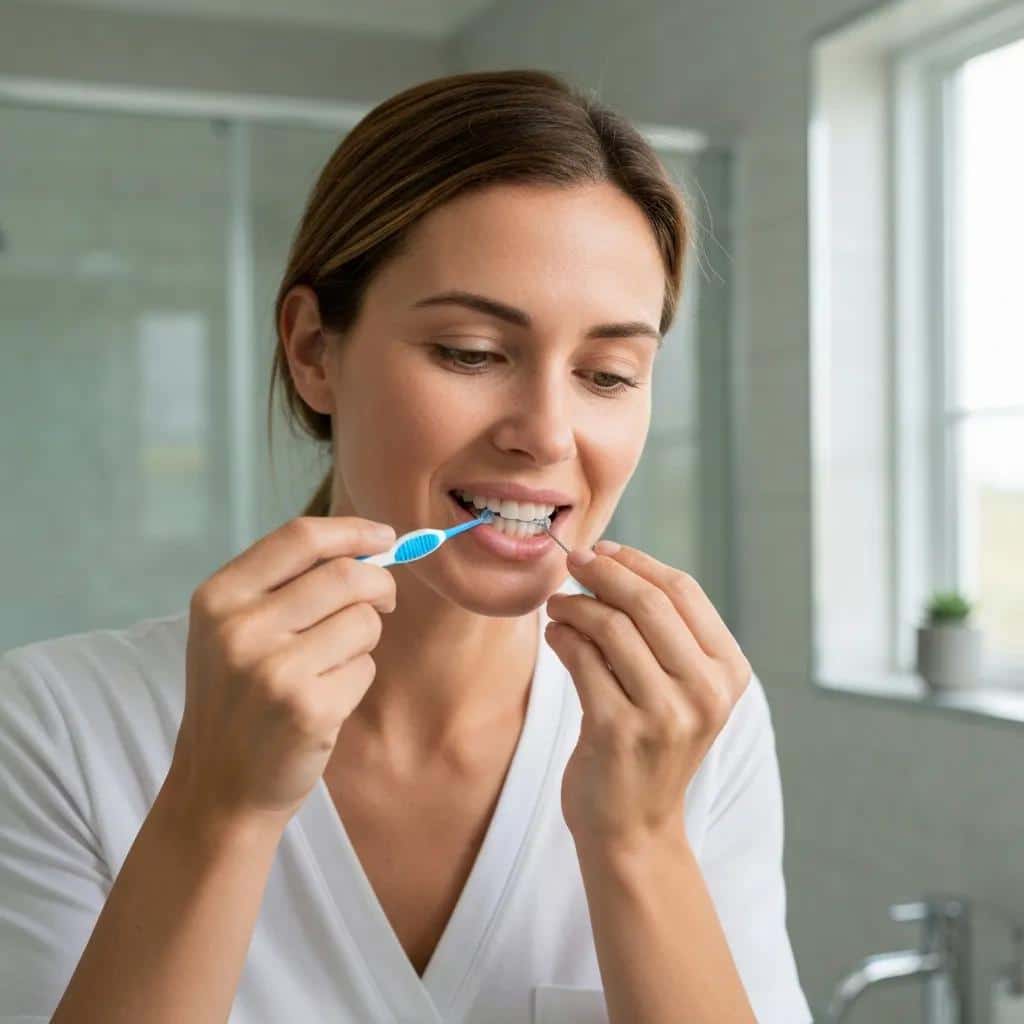
Use interdental brushes or floss threaders daily to clean between implants and adjacent teeth where plaque collects.
Avoid hard impacts and be cautious with chewing on newly placed restorations during healing.
Report redness, bleeding, persistent soreness, or any implant mobility immediately to prevent progression of peri‑implant disease.
These habits lower bacterial load and reduce mechanical stress on implants. The following sections outline product choices and the follow‑up schedule your dentist will recommend.
What Daily Care Practices Support Implant Health?
Daily implant care means thorough but gentle cleaning, using interdental brushes sized to your contact areas or floss alternatives designed for prosthetics, and watching for early signs of inflammation or looseness that need professional attention. Avoid abrasive toothpastes and hard scrubbing that can damage surfaces or inflame tissues. A healthy diet and avoiding tobacco also support mucosal and bonehealth. Consistency in home care creates an environment that supports long‑term osseointegration and complements regular professional maintenance.
When Should You Schedule Follow‑Up Visits After Implant Placement?
A typical follow‑up schedule includes an immediate check in the first week to confirm uncomplicated healing, a short‑term visit at one to two months to monitor soft tissue adaptation, an osseointegration assessment at three to six months (before final loading if the case is staged), and annual maintenance visits thereafter. Each visit has a clear purpose: early checks address pain and swelling, mid‑term visits verify tissuehealth and emergence profile, osseointegration visits confirm stability for the final restoration, and annual recalls let the team professionally clean hard‑to‑reach areas and spot early signs of peri‑implant disease. Report any sudden pain, swelling, bleeding, or looseness right away—early treatment often prevents more serious problems.
Schedule a free consult. Fort Worth patients who want a personalized follow‑up plan and a walkthrough of typical post‑op checks can request a free consult; patient reviews on our Fort Worth location page and Google Business Profile can help you prepare.
Frequently Asked Questions
1. What are the potential risks associated with dental implantsurgery?
Implant surgery is generally safe but does carry risks, including infection at the implant site, damage to nearby teeth or blood vessels, nerve irritation that can cause numbness or pain, and sinus issues for upper‑jaw implants. Implants may also fail if bone is insufficient, hygiene is poor, or if certain health problems are present. Discussing risks with your dentist helps you understand how they apply to your situation and what steps we’ll take to reduce them.
2. How long does the dental implant process take from consultation to completion?
Timing varies by case. After the initial consult, imaging and planning usually take a few weeks. If bone grafting is needed, healing can take 3–6 months. Once an implant is placed, osseointegration commonly takes another 3–6 months before the final restoration is attached. In simple cases with immediate placement and loading, the timeline can be shorter. Your dentist will review a personalized schedule during your consultation.
3. Are dental implants suitable for everyone, regardless of age?
Age alone is not a disqualifier; overall health and bone condition matter most. Older adults with stable medical care and good oral hygiene often qualify, while younger patients may need to wait until their jaw finishes growing. A complete evaluation will determine suitability based on medical history, oral health, and lifestyle.
4. What should I expect during the recovery period after implant surgery?
Recovery commonly includes some swelling, bruising, and mild discomfort, which are controlled with pain medication and proper care. You’ll likely follow a soft‑food diet for a few days and keep the surgical area clean. Follow‑up visits monitor healing and integration. Most people return to normal activities within a few days, though full integration can take months.
5. How do I know if my dental implants are failing?
Warning signs include ongoing pain, swelling, redness, bleeding, or any mobility of the implant. Changes in the surrounding gum tissue or persistent bad taste or odor can also signal a problem. If you notice these signs, contact your dentist promptly—early evaluation and treatment improve the chance of saving the implant.
6. What lifestyle changes can improve the success rate of dental implants?
Stop smoking, follow a balanced diet with nutrients that support bonehealth, and practice excellent oral hygiene. Regular dental check‑ups and professional cleanings are essential. These changes reduce infection risk and support healing and long‑term implant stability.
7. What are the costs associated with dental implants, and are they covered by insurance?
Costs vary by case complexity, number of implants, and location. Per‑implant fees commonly range widely; talk with your provider for an estimate. Many dental insurance plans don’t fully cover implants but may cover parts of the treatment. Check your insurance and discuss financing options with your dental team to understand your out‑of‑pocket cost.
Conclusion
Deciding whether dental implants are right for you starts with a clear look at your bone, gum health, medical history, and daily habits. Many patients who think they’re not candidates find solutions through periodontal therapy or bone augmentation, while others choose well‑matched alternatives like bridges or dentures. If you’re considering implants, schedule a free consultation to get a personalized evaluation. Visit our Fort Worth location page for local details and reviews to help you take the next step toward a healthier, more confident smile.