How Your Health Impacts Dental Implants: Practical Guidance for Patients Seeking Reliable Results
Dental implants replace missing teeth by anchoring a titanium post into the jawbone, but their long-term success depends as much on your overall health as on surgical technique. This guide explains why systemic health matters, how common conditions — including diabetes, gum disease, bone loss, autoimmune disorders, and lifestyle choices — affect outcomes, and clear steps you can take to improve your candidacy. You’ll read straightforward explanations of key processes like osseointegration and immune response, evidence-informed strategies patients can follow, and when it’s important to coordinate care with your medical providers. We also describe diagnostic and surgical options such as CBCT imaging, bone grafting, and sinus lifts, plus practical action items (smoking cessation, medication disclosure). If you’d like a personalized plan, Dentist in Denton – Dentures & Dental Implants offers a Free Dental Implant Consult ($0.00) with online or phone scheduling to review your medical history and begin individualized planning. Below, we cover implant basics, condition-specific risks, optimization checklists, and next steps so you can move from concern to confident treatment planning.
What Dental Implants Are—and Why Your Whole-Body Health Matters
Dental implants act like replacement tooth roots: a titanium implant post, an abutment, and a crown that restore chewing, appearance, and jawbone support. Success depends on osseointegration — bone bonding to the implant surface — which requires healthy bone metabolism, good blood flow, and an effective immune response. When those systems are weakened, implant stability and longevity can suffer. Understanding how oral and systemic health interact helps you and your clinician anticipate risks, choose the right surgical approach, and plan supportive therapies such as bone grafts or staged reconstruction. Research and clinical practice show that managing chronic conditions, improving oral hygiene, and coordinating with your primary care team improve outcomes and reduce complications like infection or peri-implantitis. The sections that follow explain implant anatomy, the physiology behind healing, and actionable steps to improve predictability.
How Dental Implants Work
A typical implant restoration includes a titanium post set into the jawbone, an abutment that connects the post to the prosthetic, and a crown that replaces the visible tooth. After placement, bone cells grow onto the implant in a process called osseointegration, creating a strong, load-bearing link that acts like a natural tooth root. That bone bonding requires good local bone quality, controlled inflammation, and uninterrupted healing — all influenced by bone density, blood supply, and overall health (for example, metabolic control or medication effects). Implant treatment can be staged (place, heal, restore) or combined when appropriate; clinicians rely on imaging and exams to select timing and technique. Knowing the parts — implant, abutment, crown, bone, and gums — clarifies why medical factors that affect tissue healing are central to implant success.
Why Overall Health Changes Implant Outcomes
Your general health affects wound healing, infection control, bone remodeling, and soft-tissue stability — all key to implant success. Conditions that impair circulation, weaken immune function, or change bone metabolism (like poorly controlled diabetes, smoking, or certain medicines) can delay osseointegration and raise the risk of peri-implantitis or implant loss. Chronic inflammation works against bone formation, while blood thinners or immunosuppressants can complicate perioperative care and infection response. Clinicians consider these pathways when they estimate risk and tailor treatment — using preoperative optimization, targeted antibiotics, or staged grafting to improve predictability. Understanding these links lets you take focused actions (better glycemic control, quitting smoking, sharing medications) and helps enable safe, collaborative care with your medical providers.
How Diabetes Affects Implant Healing and Success
Diabetes affects implant healing mainly by reducing microvascular blood flow, weakening immune defense, and slowing collagen and bone formation — changes that increase infection risk and can delay osseointegration. The level of risk tracks with glycemic control: people with well-managed diabetes often have success rates near those without diabetes, while uncontrolled diabetes raises complications such as peri-implantitis and delayed bone healing. Current guidance supports individualized assessment of hemoglobin A1c and coordination with your primary care provider to set safe perioperative targets. With preoperative optimization, careful monitoring, and strict postoperative hygiene, predictable results are achievable for many patients.
Diabetes and Dental Implant Osseointegration: A Systematic Review
A systematic review examining how diabetes and glycemic control affect implant osseointegration. The authors searched MEDLINE, EMBASE, and the Cochrane Library and included studies from 1966–2008, assessing study quality and summarizing findings. Overall, poor glycemic control was linked to impaired osseointegration and higher failure rates, while good control appeared to reduce those risks.
Impact of diabetes mellitus and glycemic control on the osseointegration of dental implants: a systematic literature review, F Javed, 2009
Use the table below to compare diabetes status, likely risks, and common recommendations so you know what to expect and what steps can improve candidacy.
Diabetes Status
Key Risks for Implants
Recommended Patient and Clinical Actions
Well-controlled (near-target HbA1c)
Slightly higher infection risk; generally predictable osseointegration
Coordinate with your PCP, confirm recent labs, keep glucose stable before and after surgery, follow standard antibiotic guidance when indicated
Moderately controlled (elevated HbA1c)
Greater chance of delayed healing and higher peri-implantitis rates
Work to optimize glycemic control for 3–6 months, obtain pre-op clearance, reinforce oral hygiene and early follow-up
Poorly controlled (significantly elevated HbA1c)
High infection risk, impaired bone formation, increased implant failure
Delay elective implant placement until stabilized, involve endocrinology/PCP, consider staged surgery and closer monitoring
This comparison shows diabetes is not always a contraindication, but the level of glycemic control guides timing, surgical choices, and follow-up care.
What Risks Does Uncontrolled Diabetes Present?
Uncontrolled diabetes raises the risk of postoperative infection, weak collagen production, and slow bone remodeling — each undermining osseointegration and implant stability. High blood glucose impairs white blood cell function and local circulation, making bacterial clearance and new bone formation harder. Clinically, this can mean prolonged swelling, wound breakdown, and higher peri-implantitis rates, sometimes requiring implant removal or extra grafting. To reduce those risks, dental teams usually request recent glycemic labs, coordinate with your medical provider, and postpone elective implants until control improves, which lowers complications and improves long-term results.
How Better Glycemic Control Helps Implant Outcomes
Improving glycemic control lowers infection risk, speeds soft-tissue healing, and supports steady bone formation around implants. Practical steps include agreeing on individualized HbA1c targets with your PCP or endocrinologist, optimizing medications and nutrition, and monitoring glucose more closely in the weeks around surgery. Perioperative plans may include tailored antibiotic strategies, intensified oral hygiene, and more frequent early check-ups to catch issues quickly. Patients who maintain better glycemic control often follow healing paths similar to non-diabetic individuals, underscoring the value of coordinated medical and dental care.
How Gum Disease (Periodontitis) Affects Implant Stability
Active periodontal disease is a major risk for implant failure because the same bacteria and inflammation that damage tooth-supporting structures can colonize implant surfaces and cause peri-implantitis. Periodontitis leads to bone loss and deep pockets around natural teeth; if not treated, these biofilms can seed implants and cause progressive bone loss and instability. For predictable implant therapy, periodontal infection must be identified, treated, and stabilized before placement, and strict maintenance must continue after restoration. The next sections outline the biology, typical treatments, and timing that protect implant outcomes.
Evidence shows active periodontal disease increases the long-term risk of implant complications.
Periodontal Disease as a Risk Factor for Dental Implant Failure
This long-term cohort study supports the view that periodontal disease can jeopardize implant success over time, linking active periodontal problems with increased implant complications. Periodontal disease as a risk for dental implant failure over time: a long‐term historical cohort study, L Levin, 2011
Why Active Gum Disease Raises Implant Failure Risk
Active periodontitis increases implant failure risk through ongoing inflammation, bacterial biofilms, and progressive jawbone loss that weakens implant support. Periodontal pathogens can colonize implant surfaces, causing peri-implant mucositis that can progress to peri-implantitis and bone resorption similar to what happens around natural teeth. Inflammatory chemicals also upset the balance between bone formation and resorption, impairing osseointegration. Treating these issues requires thorough periodontal assessment and stabilization before placing implants.
Pre-implant Treatments for Patients with Gum Disease
Patients with periodontal disease usually start with non-surgical care — scaling and root planing — followed by reassessment to see how tissues respond. If pockets or defects persist, surgical periodontal treatments may be needed. Pre-op care can include localized antimicrobials, deep cleaning under local anesthesia, and occasionally regenerative procedures to rebuild bone. Clinicians typically look for periodontal stability — limited bleeding on probing and reduced pocket depths — for a set period (often several months) before proceeding. After implant placement, regular maintenance visits, excellent home care, and targeted antimicrobial measures are essential to prevent recurrence and protect implant health.
Studies have found that while implants in periodontitis patients can survive long-term, achieving full success (no complications, stable bone levels) is more challenging without strong periodontal control.
Periodontal Disease and Dental Implant Survival Rates
This retrospective evaluation found that patients with periodontitis often show implant survival over time, though achieving complication-free implant success is less certain without supportive periodontal care. … , periodontitis, and supportive periodontal treatment as factors associated with dental implant survival: a long-term retrospective evaluation of patients followed for up …, L Levin, 2010
How Bone Loss and Osteoporosis Affect Implant Eligibility
Jawbone volume and density determine whether an implant can gain the primary stability needed for reliable osseointegration. Systemic osteoporosis can lower bone quality, and localized resorption after tooth loss can reduce the height or width available for implants. Diagnostic tools like cone beam CT (CBCT) scans and clinical bone assessments identify deficits and guide planning. When bone is insufficient, augmentation options — autograft, allograft, xenograft, or synthetic materials — and sinus lift procedures can restore volume and create a stable foundation. Knowing typical diagnostics and solutions helps you anticipate timelines, staged surgeries, and the graft materials your clinician may recommend.
Below is a quick reference showing common diagnostic findings, how they’re measured, and usual restorative solutions.
Diagnostic Finding
Diagnostic Measure
Typical Restorative Solution
Reduced ridge height
CBCT imaging / clinical exam
Onlay bone graft or ridge augmentation before implant placement
Low bone density (cortical thinning)
CBCT densitometry assessment
Use a wider implant, staged grafting, or select implant surface technology
Maxillary posterior bone insufficient under sinus
CBCT showing sinus pneumatization
Sinus lift with grafting followed by delayed implant placement
Generalized low bone mass (suspected osteoporosis)
DEXA referral recommended
Coordinate medical management; consider grafting and a staged approach
How Jawbone Density Shapes Implant Planning
Jawbone density affects primary stability — the mechanical grip at implant insertion — which predicts how well osseointegration will proceed. Dense cortical bone gives immediate support, while softer cancellous bone may require careful implant choice, modified surgical technique, or delayed loading to allow bone to mature. When bone density is low, clinicians may stage treatment, use wider or longer implants where anatomy allows, or recommend grafting to improve biomechanical conditions. Understanding bone quality explains why imaging and preparatory surgeries are sometimes necessary for predictable results.
What Bone Grafting and Sinus Lift Procedures Do
Bone grafting and sinus lifts restore lost bone volume so implants have a stable base. Options range from your own bone (autograft) to donor (allograft), animal-derived (xenograft), or synthetic grafts; each has trade-offs in healing and remodeling. Sinus lifts raise the sinus membrane and add graft material to increase vertical height in the upper back jaw, allowing implants where the sinus has enlarged. Timelines vary: some grafts need several months before implants can be placed, while in select cases implants may be placed at the same time. When surgical technique, graft choice, and your systemic health are all addressed, success rates are high.
How Autoimmune Conditions Affect Implant Healing and Outcomes
Autoimmune diseases and the medications used to treat them can change wound healing, immune surveillance, and bone remodeling, which may raise the risk of complications — though outcomes depend on disease activity and specific treatments. Conditions such as rheumatoid arthritis or lupus can reduce tissue repair when active, and immunosuppressive medications may blunt the inflammatory response needed for early healing. For these reasons, implant planning for autoimmune patients should include coordination with rheumatologists or treating physicians to confirm disease stability, plan perioperative medication management, and obtain clearance for elective oral surgery. With careful, multidisciplinary planning many autoimmune patients can proceed with implant therapy successfully.
How Autoimmune Diseases Alter Healing
Autoimmune disorders can interfere with normal healing by creating chronic inflammation, impairing tissue regeneration, or affecting bone turnover depending on the disease. Persistent inflammatory cytokines may interrupt the cellular steps that lay down new bone around an implant, and systemic flares can destabilize local healing. Medications such as corticosteroids, biologics, or other immunosuppressants also influence infection resistance and repair speed. The combined effect of disease activity plus medication profile determines individualized risk, so planning must consider both the underlying condition and the drug regimen.
Why Medical Coordination Matters for Autoimmune Patients
Working closely with your medical specialist ensures implant timing matches periods of disease quiescence and that any needed medication adjustments are handled safely to protect healing without triggering a flare. Ask your specialist for confirmation of disease stability, written guidance on perioperative medication changes, and recommendations for monitoring during recovery. This collaborative approach reduces unexpected complications, clarifies antibiotic or steroid needs if required, and gives you a medically supported plan for moving forward with implant care.
Other Health Factors That Influence Implant Success
Several additional factors can affect implant outcomes: tobacco use, certain medications (for example bisphosphonates and other antiresorptives), cardiovascular conditions, and cancer treatments such as head/neck radiation or chemotherapy. Each factor affects healing in specific ways — reduced blood flow from smoking, altered bone remodeling from antiresorptives, bleeding or antibiotic considerations from cardiac conditions, and compromised vascularity after radiation. Summarizing these key influences helps patients and clinicians prioritize evaluations and targeted interventions to lower risk and support long-term implant stability.
Here are the main non-disease factors and a one-line description of their impact.
Smoking: Lowers blood flow and oxygenation, increasing early failure and peri-implantitis risk.
Medications affecting bone metabolism: Drugs such as bisphosphonates can change remodeling and carry rare but serious risks.
Cardiovascular conditions and anticoagulation: May require medical clearance and careful perioperative medication planning.
Cancer treatments (radiation/chemotherapy): Radiation to the head and neck can reduce bone vascularity and healing; timing since treatment affects candidacy.
Clinicians translate each factor into specific, actionable patient instructions to lower risk and guide surgical planning.
Disclose all meds, get medical clearance, and follow modified protocols if recommended
Heart conditions / anticoagulation
Increased bleeding risk; sometimes antibiotic prophylaxis is needed
Provide cardiology clearance and coordinate anticoagulant management before surgery
Cancer therapy (radiation/chemotherapy)
Lowered vascularity and healing ability in treated areas
Obtain oncology clearance and delay elective implants until your team advises it is safe
How Smoking Interferes with Implant Healing
Smoking harms implant healing by constricting blood vessels, reducing oxygen delivery, impairing immune response, and encouraging harmful biofilms — all of which raise early failure and long-term disease risk. Nicotine and other chemicals reduce new blood vessel growth and collagen production, slowing soft-tissue closure and weakening bone formation around implants. Evidence supports stopping tobacco use well before surgery; clinicians commonly advise quitting several weeks before and staying abstinent during the healing period to improve outcomes.
Which Medications Can Complicate Implant Care?
Certain drugs affect bone remodeling or immune function and need to be disclosed before implant surgery. Important classes include bisphosphonates and other antiresorptives, long-term corticosteroids, and strong immunosuppressants. These medicines can change bone turnover, increase infection risk, or — in rare cases — raise the chance of jaw osteonecrosis after invasive procedures. The best practice is full medication disclosure, consultation with the prescribing physician about risks (and possible drug holidays only when medically appropriate), and a surgical plan tailored to minimize risk while meeting restorative goals.
Special Considerations for Heart Conditions and Cancer Therapy
Patients with heart disease may need antibiotic prophylaxis or cardiology clearance depending on current guidelines and individual risk. Anticoagulant therapy requires careful planning to balance bleeding and clotting risks. For patients who’ve had head and neck radiation or recent chemotherapy, clinicians assess tissue and bone vascularity because irradiated bone heals less reliably and may need hyperbaric oxygen or staged approaches in consultation with oncology. Elective implant work is usually postponed until your oncology team confirms it’s safe, and plans are individualized to balance cancer care and dental needs.
How You Can Improve Your Candidacy for Dental Implants
You can improve your implant candidacy by optimizing chronic conditions, adopting risk-reducing behaviors, and completing dental treatments before elective surgery. A simple, time-based checklist clarifies what to focus on and what clinicians will evaluate during your implant consult. Key actions include better glycemic control for diabetes, quitting smoking, treating periodontal disease, reviewing medications with prescribers, and obtaining diagnostic imaging when needed. Proactive steps taken over weeks to months often turn borderline cases into dependable candidates for implant-supported restorations.
Follow this stepwise checklist, organized by timing, to prepare for evaluation and treatment.
3–6 months before surgery: Work with your medical team to manage chronic disease (for example, reach target HbA1c), start a smoking cessation program, and treat active periodontal disease.
4–6 weeks before surgery: Complete medication reviews with prescribers, finish needed periodontal surgeries, and schedule CBCT imaging for planning.
Week of surgery: Confirm perioperative instructions, maintain excellent oral hygiene, and ensure medical clearances are on file if required.
Postoperative period: Keep follow-up visits, maintain hygiene and monitoring, and report any early signs of infection or delayed healing right away.
How to Manage Health Conditions Before Implant Surgery
Work with your medical providers to stabilize chronic conditions using measurable targets (for example, HbA1c). Combine behavioral and, if needed, pharmacologic support for smoking cessation, and review medications that affect bleeding, bone metabolism, or immune response. Involve your PCP, cardiologist, or rheumatologist early so labs, clearances, and medication plans are ready well before scheduling. At the same time, complete dental hygiene care — scaling, periodontal therapy, and restorative work — so your mouth is healthy at the time of implant placement.
Why a Comprehensive Dental Evaluation Matters
A full implant evaluation includes a medical history review, intraoral exam, periodontal assessment, and CBCT imaging to measure bone volume, density, and anatomy. These diagnostics determine whether implants are appropriate, whether staging or grafting is needed, and which surgical techniques are safest. Risk stratification based on systemic health, medications, and lifestyle guides timing and approach. The consult also lets you discuss alternative prosthetic options if implants aren’t feasible and helps form a collaborative plan that balances dental goals with medical safety and long-term maintenance.
Why Choose Dentist in Denton for Your Implants and Free Consult?
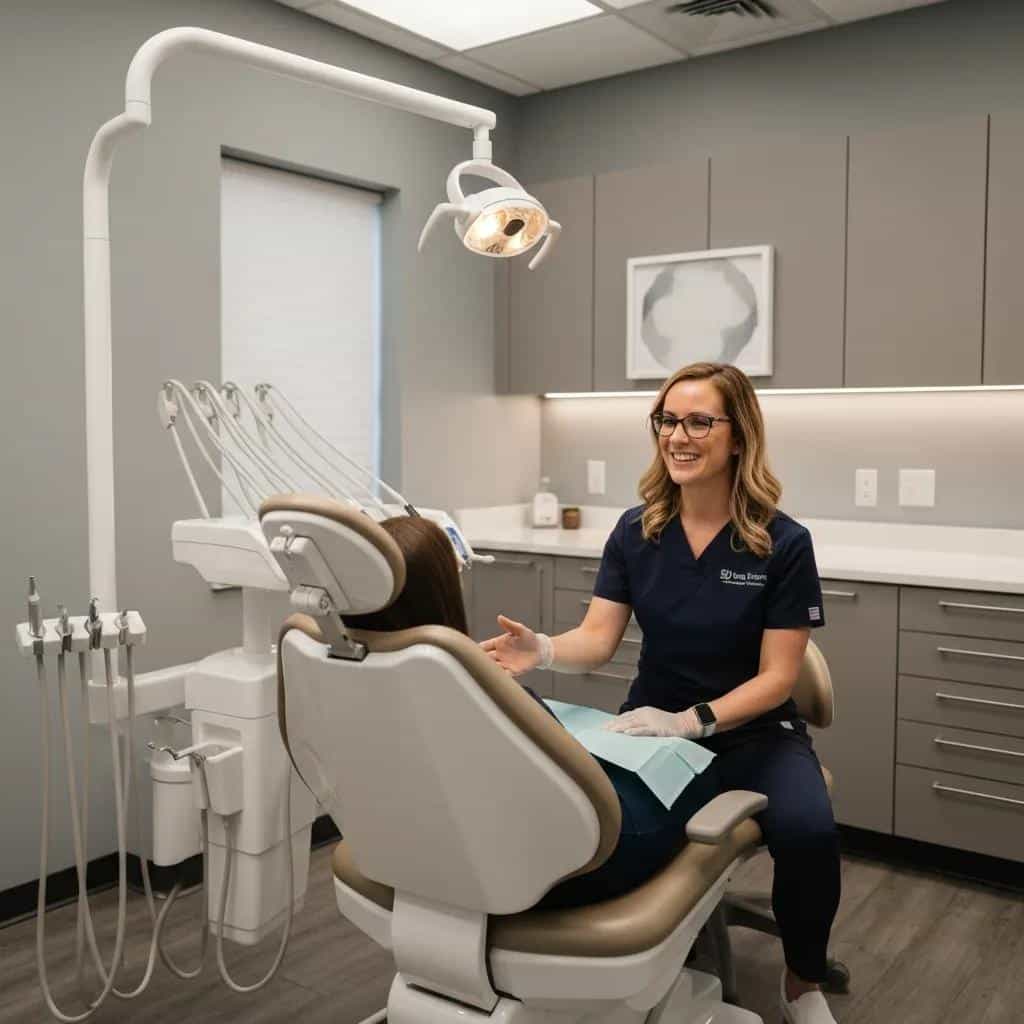
Dentist in Denton – Dentures & Dental Implants focuses on patient-centered implant care built around education, medical coordination, and comfort — a good fit for patients who have health concerns and need careful, individualized planning. Our team is friendly and informative, explaining risks, mitigation steps, and realistic timelines so you can decide with confidence. We offer a relaxed, spa-like setting, flexible financing, and accept most PPO plans to make care more accessible. If you want a personalized evaluation, we offer a Free Dental Implant Consult ($0.00) where Dr. Mike Pham or Dr. Vo will review your medical and dental history, discuss imaging needs, and outline treatment pathways tailored to your health.
What Sets Dentist in Denton Apart for Patients with Medical Concerns?
Our approach is education-first and multidisciplinary: we explain how systemic conditions influence implant outcomes and collaborate with your physicians to get required clearances and optimize medical management. Our caring staff helps you navigate financing and logistics, and our calm environment reduces anxiety commonly associated with oral surgery. By combining clear communication, collaborative planning, and comfort-focused care, we aim to make medically complex cases predictable and support you from consult through final restoration.
How to Schedule Your Free Dental Implant Consult with Dr. Mike Pham and Dr. Vo
Scheduling a Free Dental Implant Consult ($0.00) is available through our online scheduler or by phone. When you book, tell us you’re interested in implants and mention any chronic health conditions so we can allow enough time to review your medical history. At the consult, we’ll review your medical and dental records, examine your mouth, discuss imaging, and outline likely timelines and optimization steps, including medical coordination if needed. Bring a list of current medications and any recent test results or specialist notes — expect a patient-focused conversation that clarifies candidacy, possible grafting, and next steps toward a personalized implant plan. For scheduling help or questions about the consult, call the practice number listed on our site.
Frequently Asked Questions
What lifestyle changes can improve my candidacy for dental implants?
Simple lifestyle changes make a big difference. Quitting smoking is one of the most important steps because tobacco impairs healing and raises infection risk. Eating a balanced diet with adequate vitamins and minerals supports recovery. Keep up with regular dental visits and strong oral hygiene to prevent gum disease. Regular exercise can also improve circulation and overall health, which supports healing after surgery.
How long does the dental implant process take from start to finish?
The timeline varies by case. Initial evaluation and planning may take a few weeks. If bone grafting or a sinus lift is needed, allow additional healing time of several months before placing the implant. After implant placement, osseointegration typically takes 3–6 months, and completing the crown can take a few more weeks. Overall, expect roughly 4 to 12 months depending on your needs.
Are dental implants suitable for older adults?
Yes. Age alone is not a contraindication. Many older adults are good candidates provided they’re in reasonable overall health and have enough bone to support implants. Conditions like osteoporosis or other chronic diseases may require additional planning. A thorough evaluation will determine the best approach and any necessary precautions.
What are the potential complications associated with dental implants?
While implants are generally safe and effective, possible complications include infection at the implant site, nerve irritation, sinus issues (for upper-jaw implants), and implant failure from insufficient bone or poor healing. Factors like uncontrolled diabetes or smoking increase risk. Discuss concerns with your provider and follow pre- and post-op instructions to reduce complications.
How can I ensure the longevity of my dental implants?
Maintain excellent oral hygiene — brush, floss, and use antimicrobial rinses as recommended. Keep regular dental check-ups to monitor implant health and address problems early. Avoid tobacco, manage systemic conditions such as diabetes, and follow your dentist’s care plan. These habits greatly increase the life span of your implants.
What should I discuss with my dentist during the consultation for dental implants?
Bring a complete medical history, including chronic conditions and medications, since these affect healing and success. Ask about the procedure, recovery timeline, and possible risks. Discuss implant types, materials, expected outcomes, costs, insurance coverage, and financing options so you understand the full plan and next steps.
Conclusion
Your overall health plays a central role in dental implant success. By addressing chronic conditions, adjusting lifestyle risks, and coordinating care with medical providers, you can greatly improve your chances for a predictable outcome. Taking proactive, informed steps helps you move forward confidently. Schedule your Free Dental Implant Consult today to get a personalized plan and start your path to a healthy, lasting restoration.